


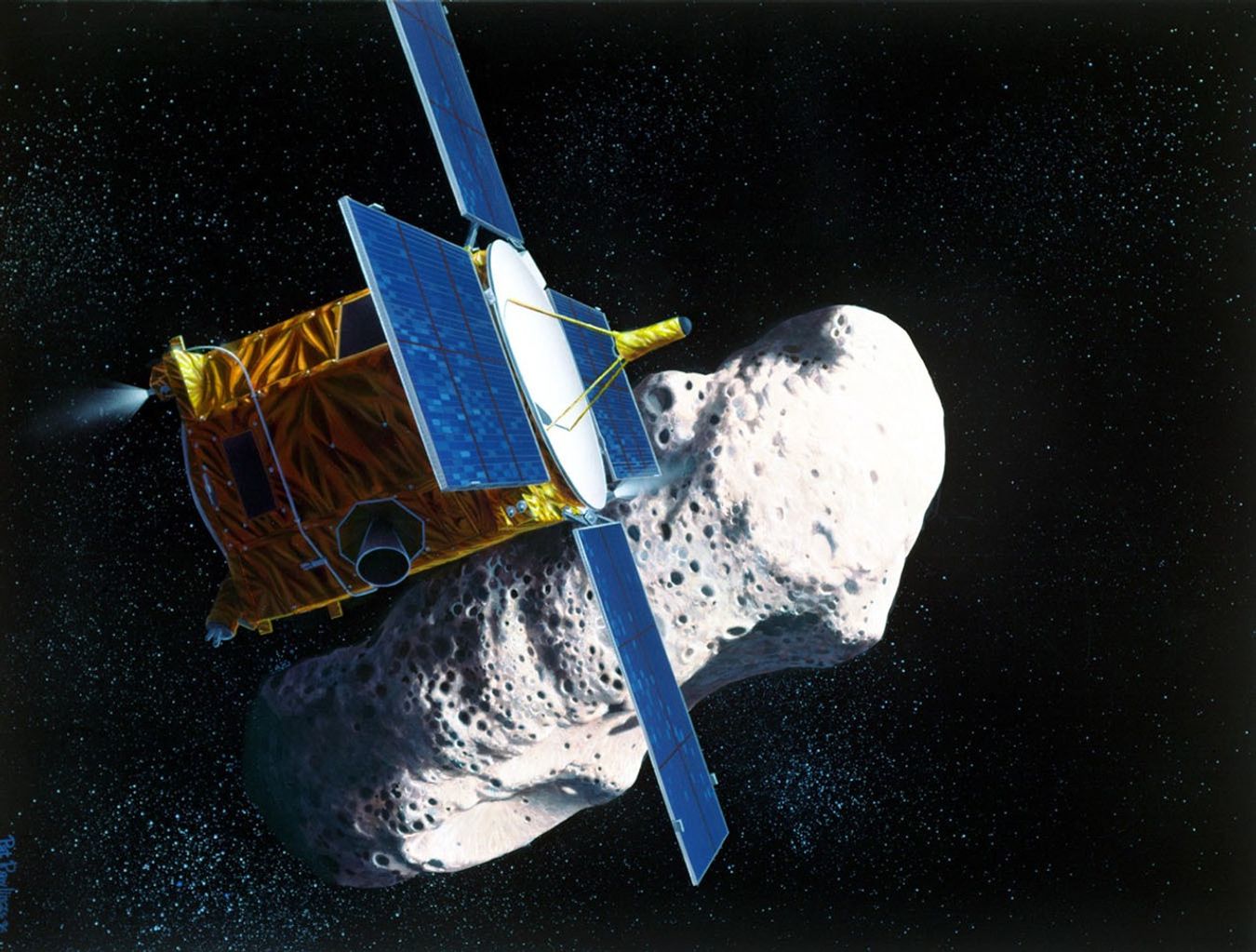
The Day Humanity First Touched an Asteroid
Twenty-four years ago, a spacecraft designed only to orbit made history with an improvised landing on asteroid Eros, marking humanitys first controlled touchdown on a small celestial body



Launch Date
January 6, 2022
Launch Site
Launch Pad
LC39A
Launch Vehicle
NORAD ID
50814
International Designator
2022-001M
Epoch
Sun, 19 Jul 2026 20:00:01 GMT
Apogee
Calculating...
Perigee
Calculating...
Inclination
53.16°
Right Ascension
295.22°
Eccentricity
Calculating...
Argument of Perigee
62.18°
Period
94.58 min
Mean Motion
15.23 rev/day
Latitude
Calculating...
Longitude
Calculating...
Altitude
Calculating...
Velocity
Calculating...
Name
STARLINK-3324
Alternative Name
Starlink 3324
Type
Status
Owner
SPXS
Country
United States
Constellation
N/A
Related Satellites
Major Events
N/A
1 50814U 22001M 26200.83335647 .00024489 00000+0 10532-2 0 9991
2 50814 53.1605 295.2209 0001984 62.1810 24.4469 15.22531131 5782
Source: Celestrak
Length
0.2
Diameter
2.8
Span
9
Dry Mass
275
Launch Mass
297
Shape
Box + pan
Radar Cross Section
Unknown
Visual Magnitude
Unknown
Color
Unknown
Material Composition
Unknown
Payload
Starlink Group 4-5-12
Purpose
Communication
Mission
Communication
Manufacturer
SPXS
Life Expectancy
Unknown
Bus
Starlink
Configuration
Unknown
Motor
Krypton ion thrusters
Equipment
Ku/Ka-band payload, optical inter-satellite link
Power System
Solar arrays, batteries
ADCS
Unknown
Transmitter Frequency
Unknown
Learn more about satellites and other related topics.
Twenty-four years ago, a spacecraft designed only to orbit made history with an improvised landing on asteroid Eros, marking humanitys first controlled touchdown on a small celestial body

Today's briefing covers the latest satellite communications advancements, a secretive military launch by SpaceX, and new space defense organizational structures.
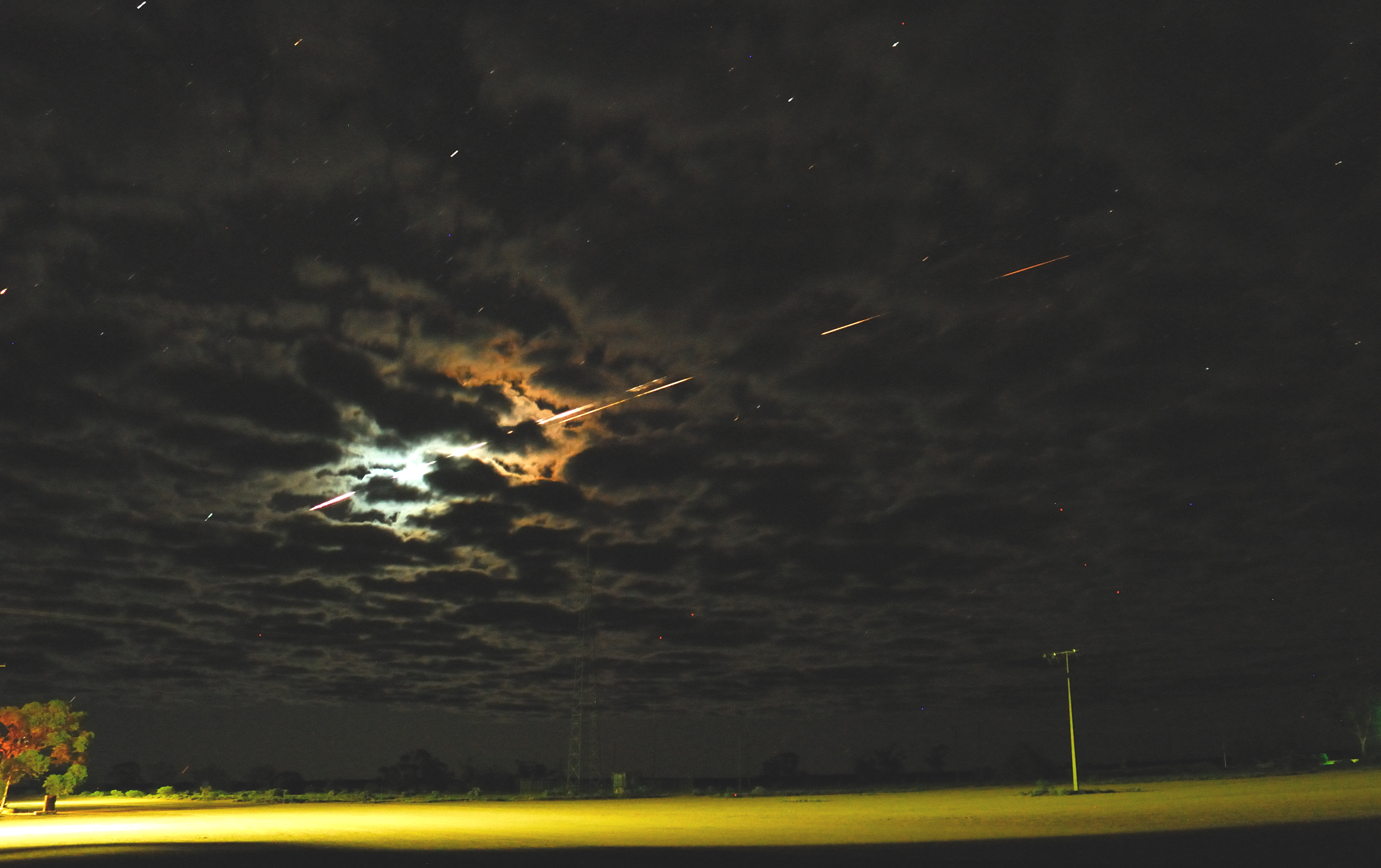
Sixteen years ago today, a fireball tore across the Australian outback. Most of it was a dying Japanese spacecraft burning up after a seven-year ordeal. The bright dot racing ahead of the wreckage was a capsule holding the first grains of an asteroid ever returned to Earth.

We forecast how many satellites could be in orbit by 2030 and what capabilities we can expect.
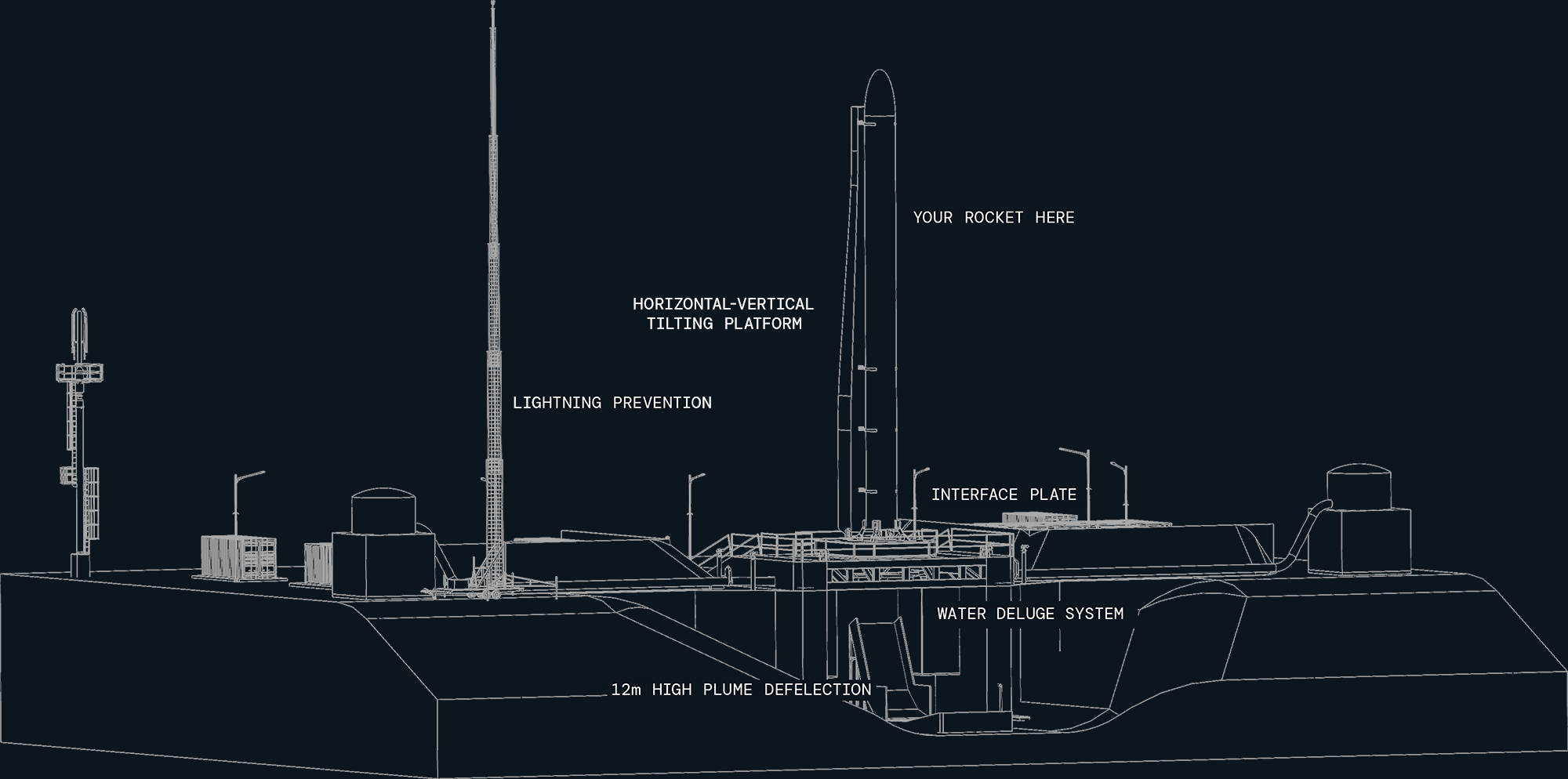
When your landlord won't sign the lease, you move. How Equatorial Launch Australia abandoned Arnhem Land and pivoted to Queensland - and what it means for Australia's equatorial launch ambitions.
The laser-based crosslinks that turn Starlink into a mesh, anchor the SDA Transport Layer, and just made their GPS debut on GPS III SV10 - quietly rewriting how data moves through space.
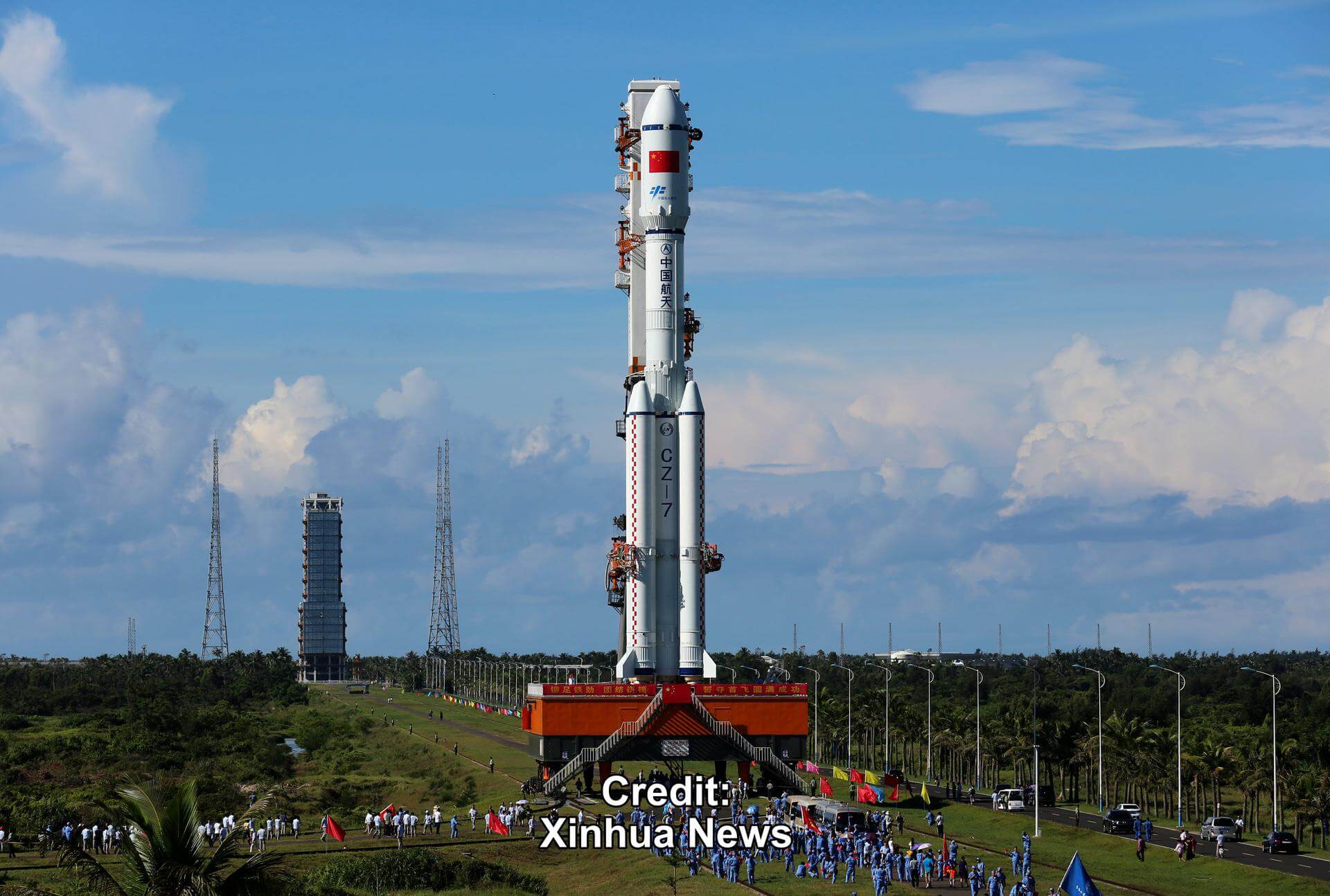
Today's key topics include the halting of the U.S. Air Force's rocket landing pad plans, the Space Force's shift to a flexible satellite strategy, delays in Australia's Eris 1 rocket launch, and the controversial cut of satellite sea-ice data to climate scientists.
Rocket Lab's successful Electron return to flight, China's third Shenlong mission, lessons from Virgin Orbit's failure in the UK, Hubble's 30-year post-repair anniversary, and a summary of recent global launches.