THORAD AGENA D DEB (05037)

COSPAR: 1970-025JC | Alt Name: deb Agena D
DECAYED

Image
THORAD AGENA D DEB Satellite Image
Additional Sources
Launch Details

Launch Date

April 8, 1970

Launch Site

AFWTR

Launch Pad

SLC2E

Launch Vehicle

Thorad SLV-2G Agena D

Orbital Elements

NORAD ID

05037

International Designator

1970-025JC

Decay Date

7/18/1980

Basic Satellite Info

Name

THORAD AGENA D DEB

Alternative Name

deb Agena D

Type

Debris

Status

Space Junk

Owner

GSFC

Country

United States

Constellation

N/A

Related Satellites

Major Events

N/A

Summary
Space debris, also known as space junk, encompasses all non-functional objects orbiting Earth such as defunct satellites, spent rocket stages, and fragments from collisions or disintegrations. Over time, this debris can accumulate and create an increasingly hazardous environment in orbit. Even tiny fragments, traveling at extremely high velocities, can inflict significant damage on operational satellites and spacecraft. If left unmanaged, the density of debris raises the risk of catastrophic collisions and further fragmentation, compounding the problem and threatening the safety and sustainability of space activities.
Physical Characteristics

Length

0

Diameter

0

Span

0

Dry Mass

0

Launch Mass

0

Shape

N/A

Radar Cross Section

0.0937

Visual Magnitude

Unknown

Color

Unknown

Material Composition

Unknown

Technical Details

Payload

Unknown

Purpose

Unknown

Mission

Unknown

Manufacturer

Unknown

Life Expectancy

Unknown

Bus

Unknown

Configuration

Unknown

Motor

Unknown

Equipment

Unknown

Power System

Unknown

ADCS

Unknown

Transmitter Frequency

Unknown

Satellite Articles

View All Posts »

Learn more about satellites and other related topics.

China's Long March 10C Nails First Booster Recovery | KeepTrack Space Brief

China's Long March 10C Nails First Booster Recovery | KeepTrack Space Brief

China successfully recovered a Long March 10C first stage booster, positioning the methalox rocket as its primary commercial launcher. Reusable boosters reshape Beijing's LEO constellation strategy.

The Day Space Station Crews Gained Their Window on the World

The Day Space Station Crews Gained Their Window on the World

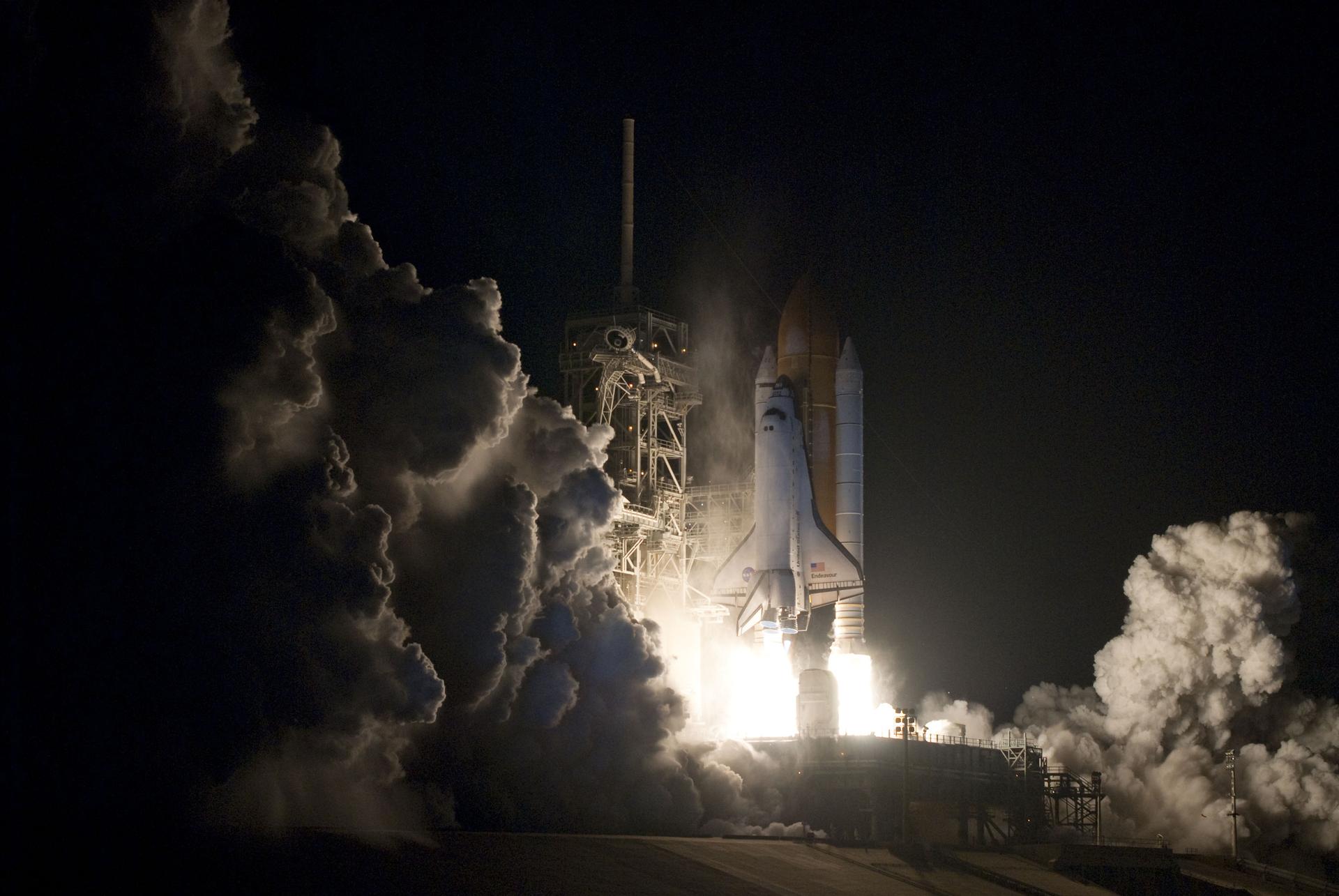
Fifteen years ago, Space Shuttle Endeavour launched on a mission that would give International Space Station astronauts their most spectacular view of Earth through the innovative Cupola observatory

X Report 26 Apr 2025

X Report 26 Apr 2025

SpaceX launches 28 Starlink satellites and discusses upcoming business strategies, while T-Mobile slashes Starlink cellular prices.

Space Brief 28 Oct 2024

Space Brief 28 Oct 2024

Explore China's ambitions to expand its Tiangong space station, NASA's next steps for the Europa Clipper mission, and ESA's efforts to support the European space industry. Discover the latest in satellite tracking and consider the fascinating findings on potential life on Mars.

The Afternoon a Blurry Smudge Turned Pluto Into a Double Planet

The Afternoon a Blurry Smudge Turned Pluto Into a Double Planet

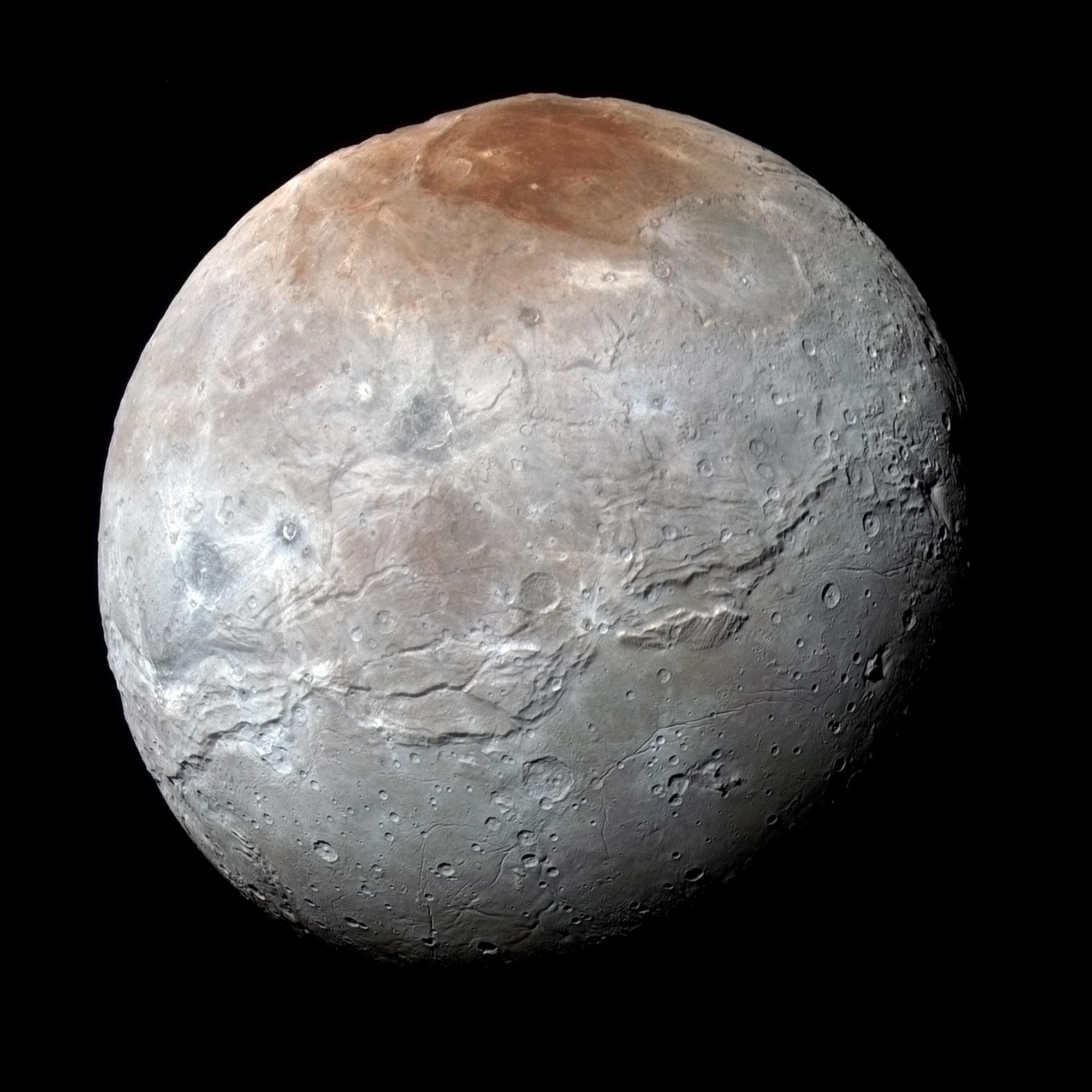
On 22 June 1978, an astronomer at the U.S. Naval Observatory looked at photographic plates that had been stamped 'image defective' and noticed a small bump on the side of Pluto. The bump was a moon, and finding it finally let astronomers weigh a planet that had fooled them for half a century.

X Report 10 Nov 2025

X Report 10 Nov 2025

SpaceX successfully launched 29 Starlink satellites, bolstering its broadband network and expanding global internet coverage.

SpaceX Launches 29 Starlink Satellites From Cape Canaveral | KeepTrack X Report

SpaceX Launches 29 Starlink Satellites From Cape Canaveral | KeepTrack X Report

SpaceX deploys 29 Starlink satellites from Cape Canaveral on the Starlink 6-100 mission. Falcon 9 lifted off at 6:31 p.m. EST continuing SpaceX's dominant satellite internet market position.

Starcloud Files 88,000-Satellite Constellation Plan | KeepTrack Space Brief

Starcloud Files 88,000-Satellite Constellation Plan | KeepTrack Space Brief

Starcloud files FCC plans for 88,000-satellite orbital data center constellation, matching scale of Starlink and Amazon Kuiper expansions. Massive LEO conjunction risk implications.