

Space Brief 24 Oct 2024
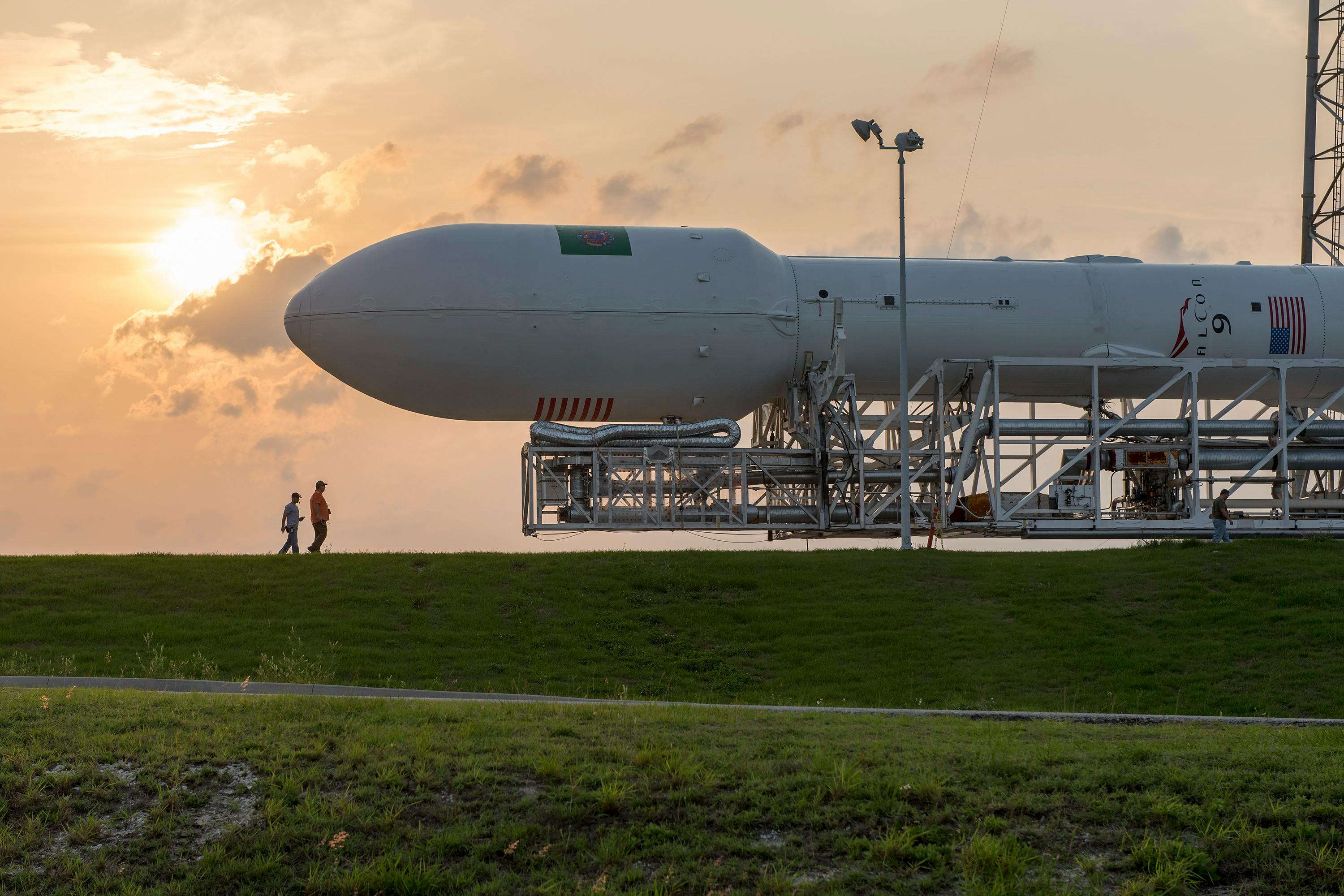
Today's Space Brief highlights SpaceX Crew-8's return, Intelsat-33e satellite breakup, SpaceX's upcoming Starship tests, and notable launches including China's new mega-constellation.


Launch Date
September 16, 1982
Launch Site
PLMSC
Launch Pad
LC32/2
Launch Vehicle
Tsiklon-3
NORAD ID
49983
International Designator
1982-092QA
Decay Date
1/14/2022
Name
COSMOS 1408 DEB
Alternative Name
deb Kosmos-1408
Type
Status
Owner
ROSK
Country
USSR
Constellation
N/A
Related Satellites
Major Events
N/A
Length
0
Diameter
0
Span
0
Dry Mass
0
Launch Mass
0
Shape
N/A
Radar Cross Section
Unknown
Visual Magnitude
Unknown
Color
Unknown
Material Composition
Unknown
Payload
Unknown
Purpose
Unknown
Mission
Unknown
Manufacturer
YUZHUA
Life Expectancy
Unknown
Bus
Unknown
Configuration
Unknown
Motor
Unknown
Equipment
Unknown
Power System
Unknown
ADCS
Unknown
Transmitter Frequency
Unknown
Learn more about satellites and other related topics.
Today's Space Brief highlights SpaceX Crew-8's return, Intelsat-33e satellite breakup, SpaceX's upcoming Starship tests, and notable launches including China's new mega-constellation.
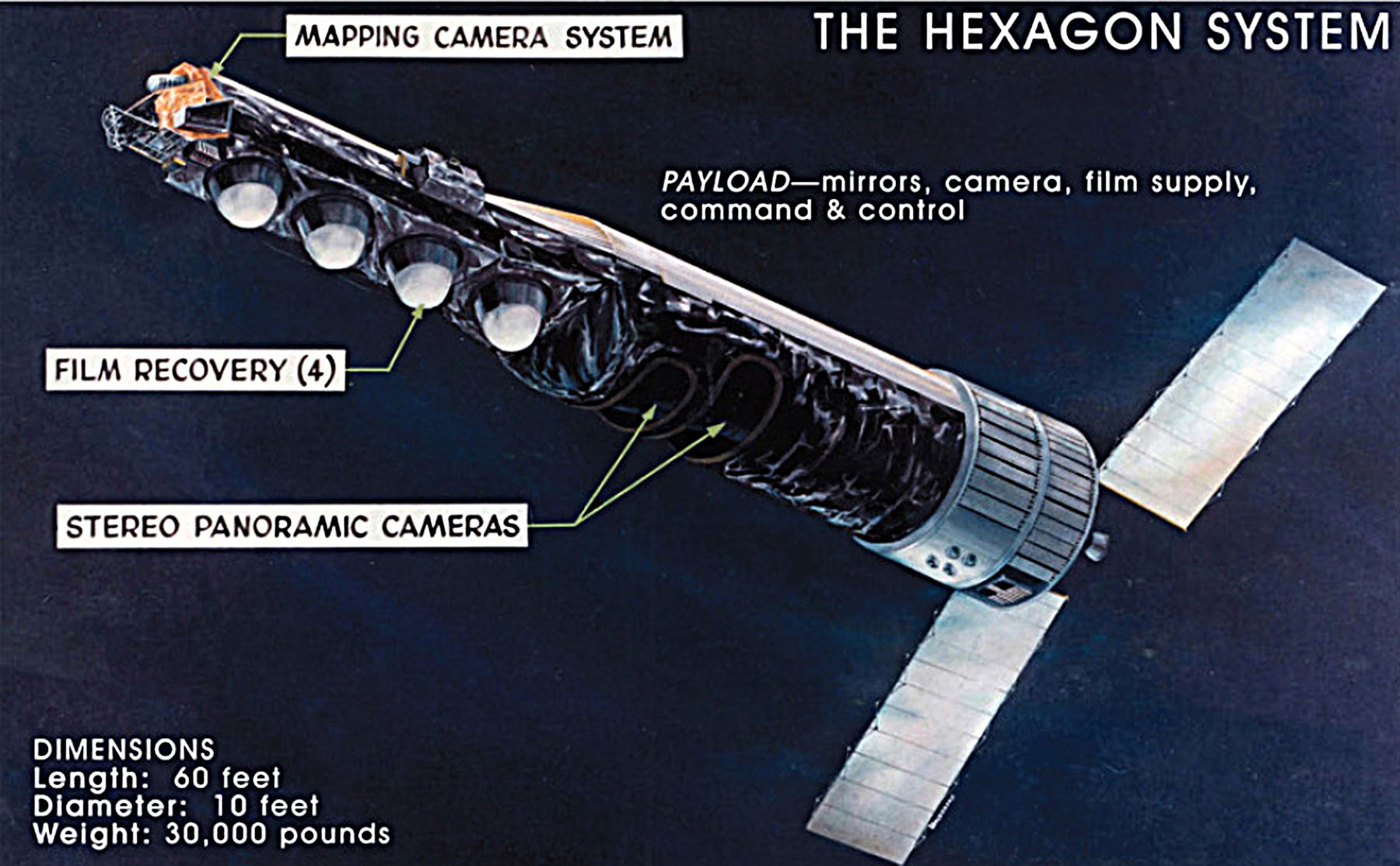
On January 20, 1972, the second KH-9 HEXAGON lifted off from Vandenberg - carrying the most sophisticated reconnaissance system ever built by engineers who weren't allowed to say 'film,' 'camera,' or even talk to each other about what they were doing.
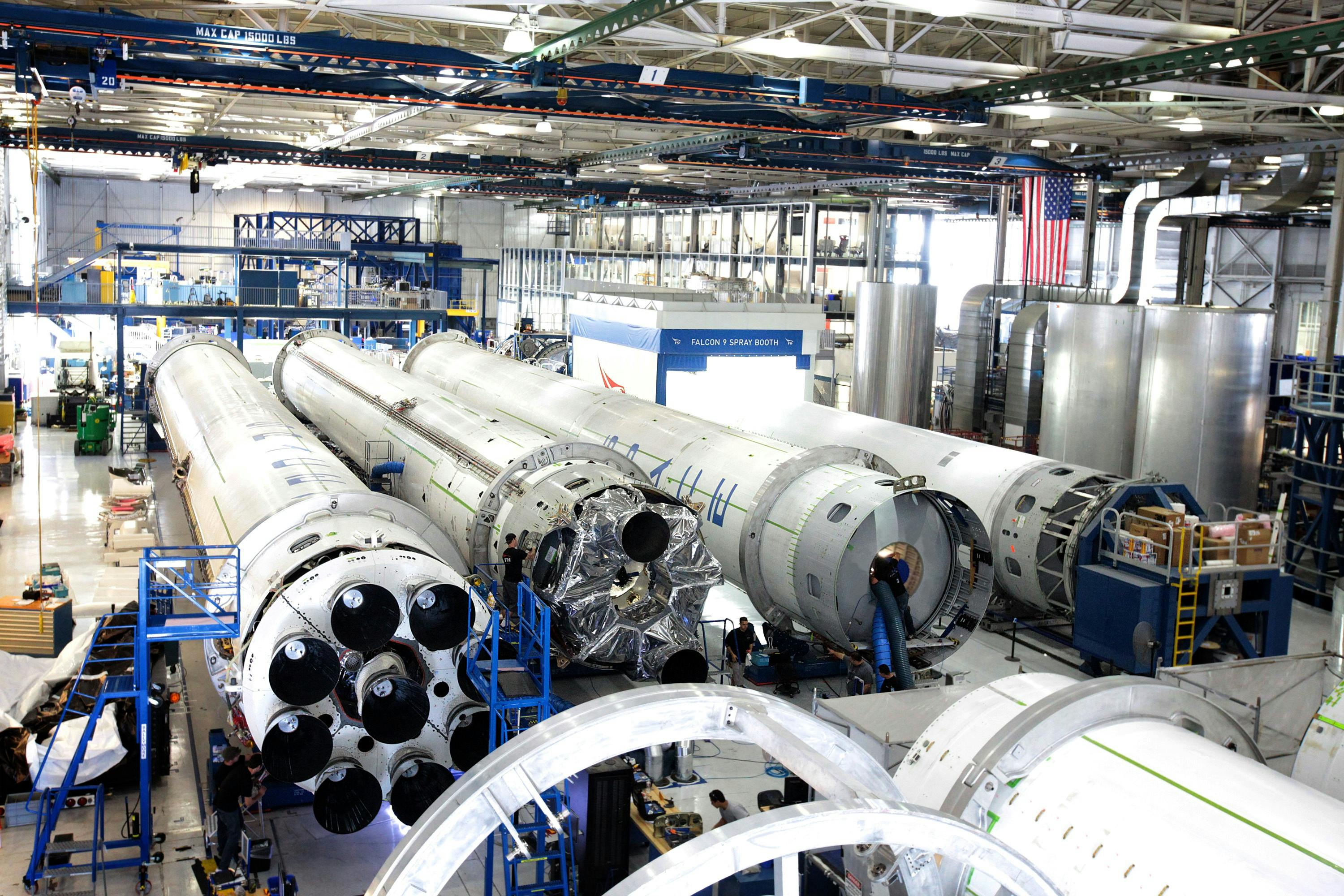
SpaceX achieves a new milestone with a Falcon 9 landing near The Bahamas, closely following Rocket Lab's successful satellite launch.
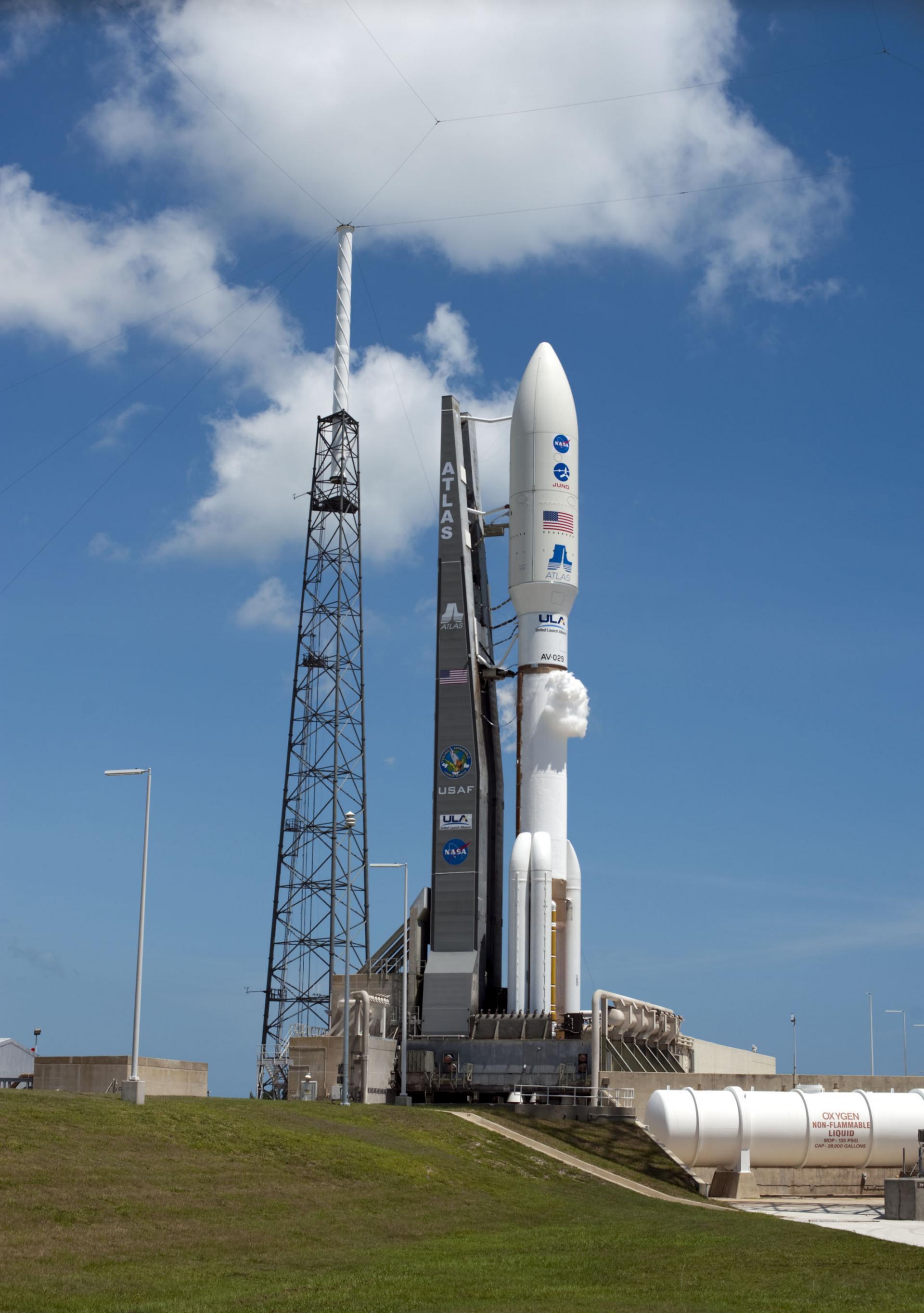
Today's brief covers challenges in Space Force procurement, promising developments in tracking technologies, and significant budget cuts affecting military aerospace projects.
Today's brief covers closer military and intelligence space integration, new satellite servicing advancements, and more insightful defense and space news.

Trump approaches Elon Musk about restoring Iran internet via Starlink during government blackout. SpaceX completes fifth launch of 2026 with 29 Starlink satellites from Cape Canaveral.

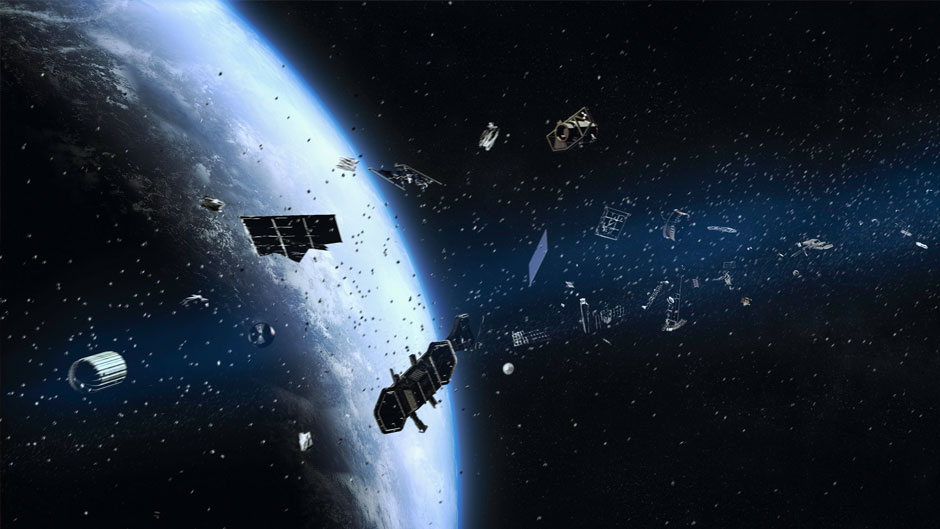
Space debris poses a mounting threat to both satellites and space missions. As we send more objects into orbit, the likelihood of collisions and subsequent breakups producing dangerous space debris increases. Recognizing the major events that have generated this dangerous space junk is pivotal in ensuring the safety of future space missions.
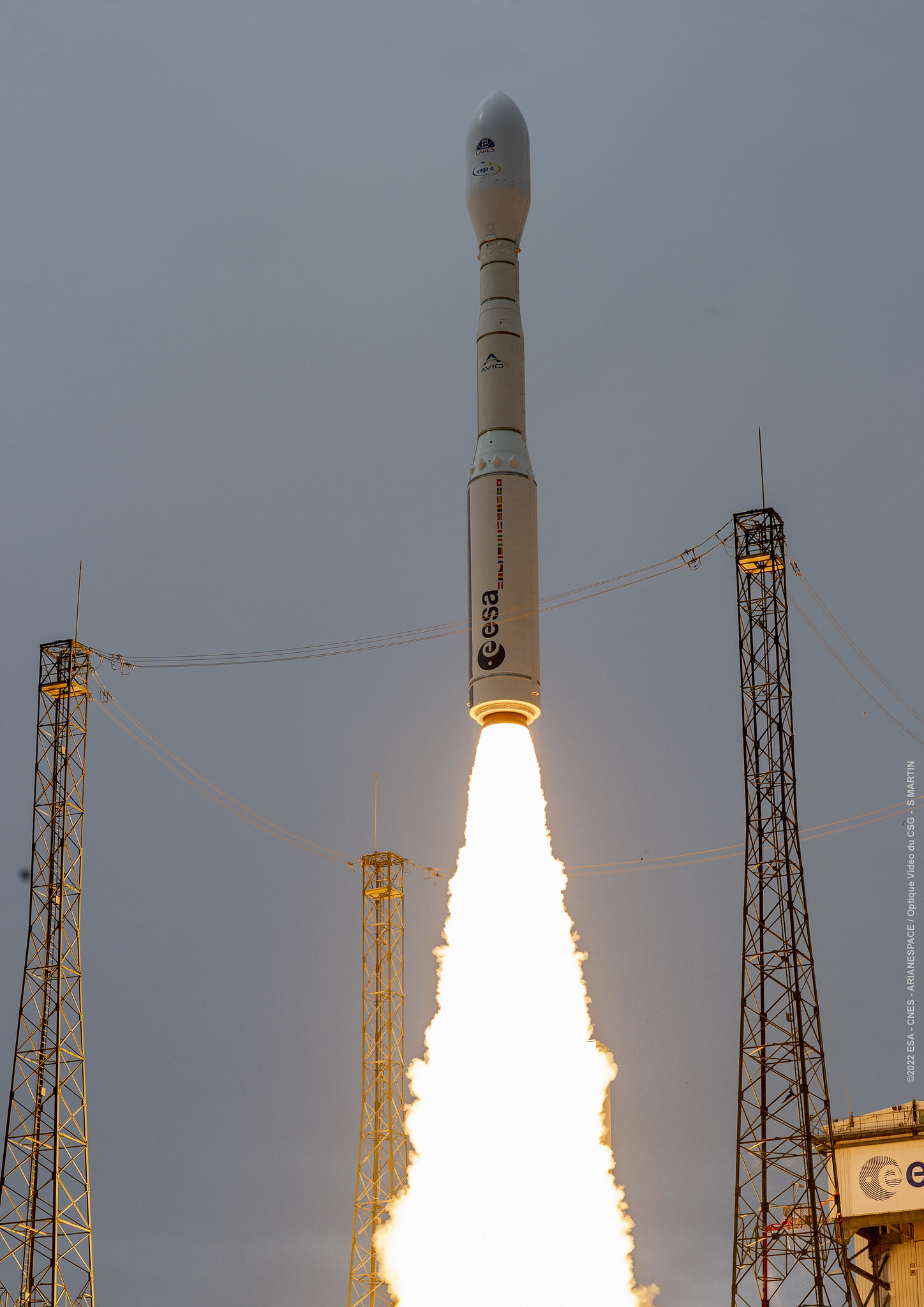
Today's focus spans from major military training initiatives in orbit to key updates on drone policies and crucial satellite launches.