


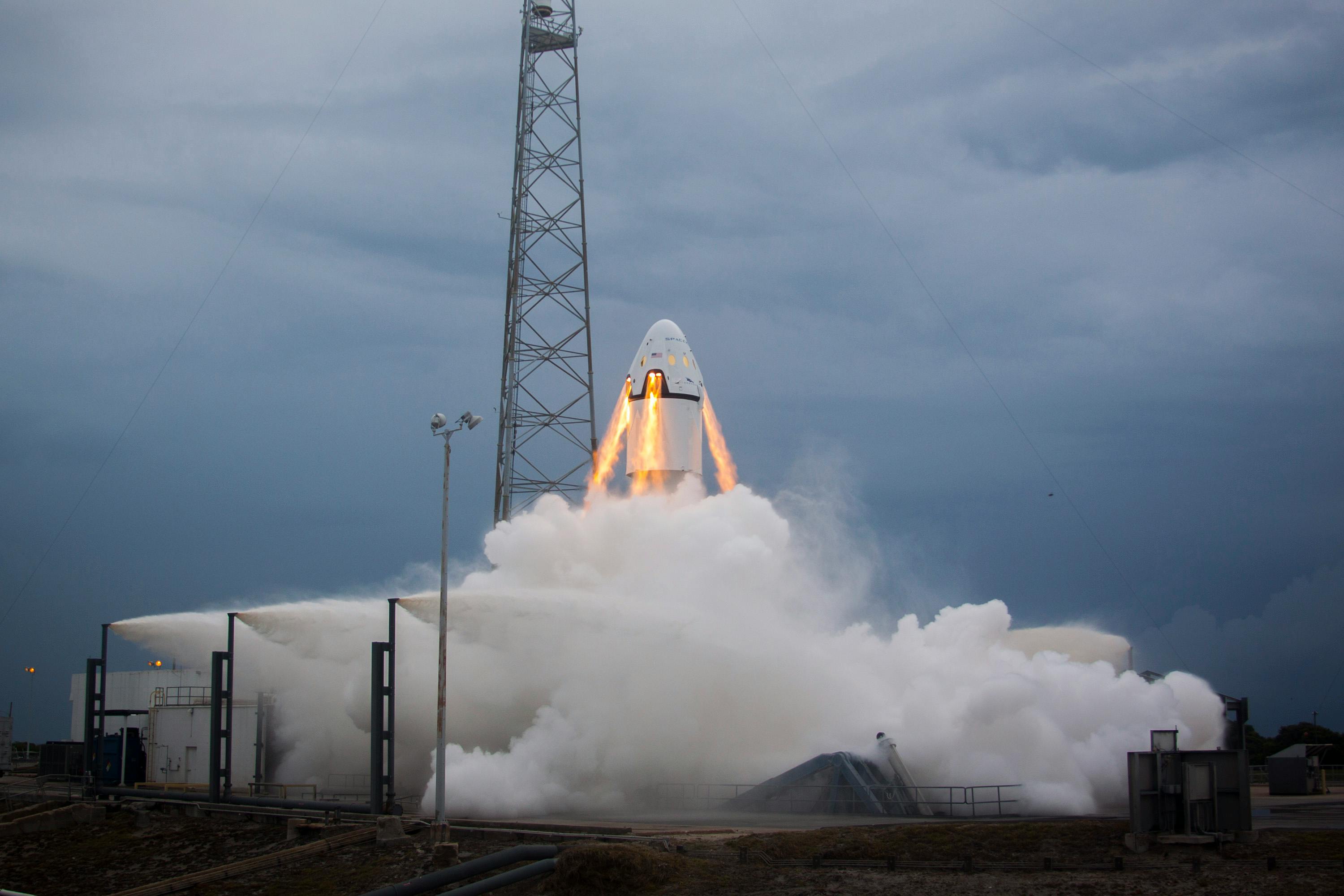
SpaceX Wins $178.5M Space Force Contract, X Report 3 Apr 2026
SpaceX secured a $178.5M Space Force contract to launch missile-tracking satellites from 2027, backing the Missile Track Custody threat-tracking layer.



Launch Date
May 23, 2014
Launch Site
PLMSC
Launch Pad
LC133/3
Launch Vehicle
Rokot
NORAD ID
49928
International Designator
2014-028K
Epoch
Thu, 27 Jan 2022 22:02:06 GMT
Apogee
Calculating...
Perigee
Calculating...
Inclination
82.45°
Right Ascension
254.37°
Eccentricity
Calculating...
Argument of Perigee
156.02°
Period
112.48 min
Mean Motion
12.80 rev/day
Latitude
Calculating...
Longitude
Calculating...
Altitude
Calculating...
Velocity
Calculating...
Name
COSMOS 2499 DEB
Alternative Name
deb Kosmos-2499
Type
Status
Owner
TSKHM
Country
Russia
Constellation
N/A
Related Satellites
Major Events
N/A
1 49928U 14028K 22026.91813342 .00015590 00000-0 62500-1 0 9994
2 49928 82.4517 254.3655 0203937 156.0196 215.7049 12.80209722 11073
Source: Celestrak
Length
0
Diameter
0
Span
0
Dry Mass
0
Launch Mass
0
Shape
N/A
Radar Cross Section
Unknown
Visual Magnitude
Unknown
Color
Unknown
Material Composition
Unknown
Payload
Unknown
Purpose
Unknown
Mission
Unknown
Manufacturer
TSKHM
Life Expectancy
Unknown
Bus
Unknown
Configuration
Unknown
Motor
Unknown
Equipment
Unknown
Power System
Unknown
ADCS
Unknown
Transmitter Frequency
Unknown
Learn more about satellites and other related topics.
SpaceX secured a $178.5M Space Force contract to launch missile-tracking satellites from 2027, backing the Missile Track Custody threat-tracking layer.

FAA grounds SpaceX Starship V3 after the Flight 12 mishap, freezing the launch schedule. Plus a $2.29B Space Force contract and 10,397 working Starlinks.
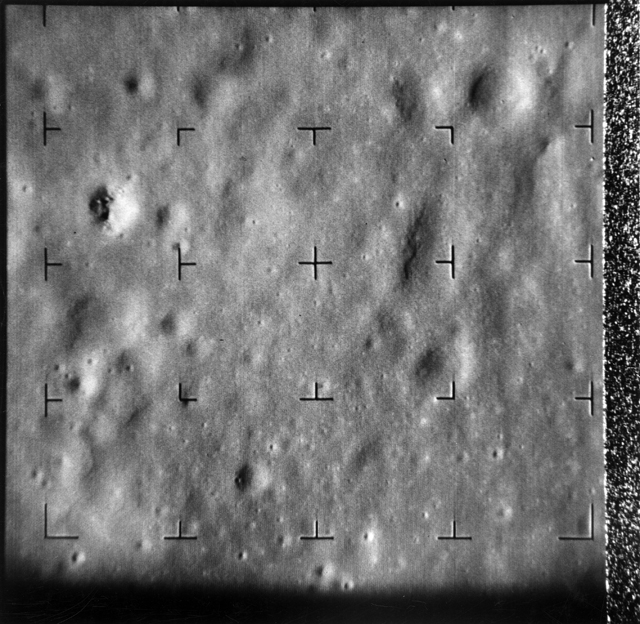
Sixty years ago, a pioneering spacecraft called Ranger 8 captured thousands of detailed photographs of the lunar surface before intentionally crashing into the Moon, helping pave the way for humanity's first steps on another world
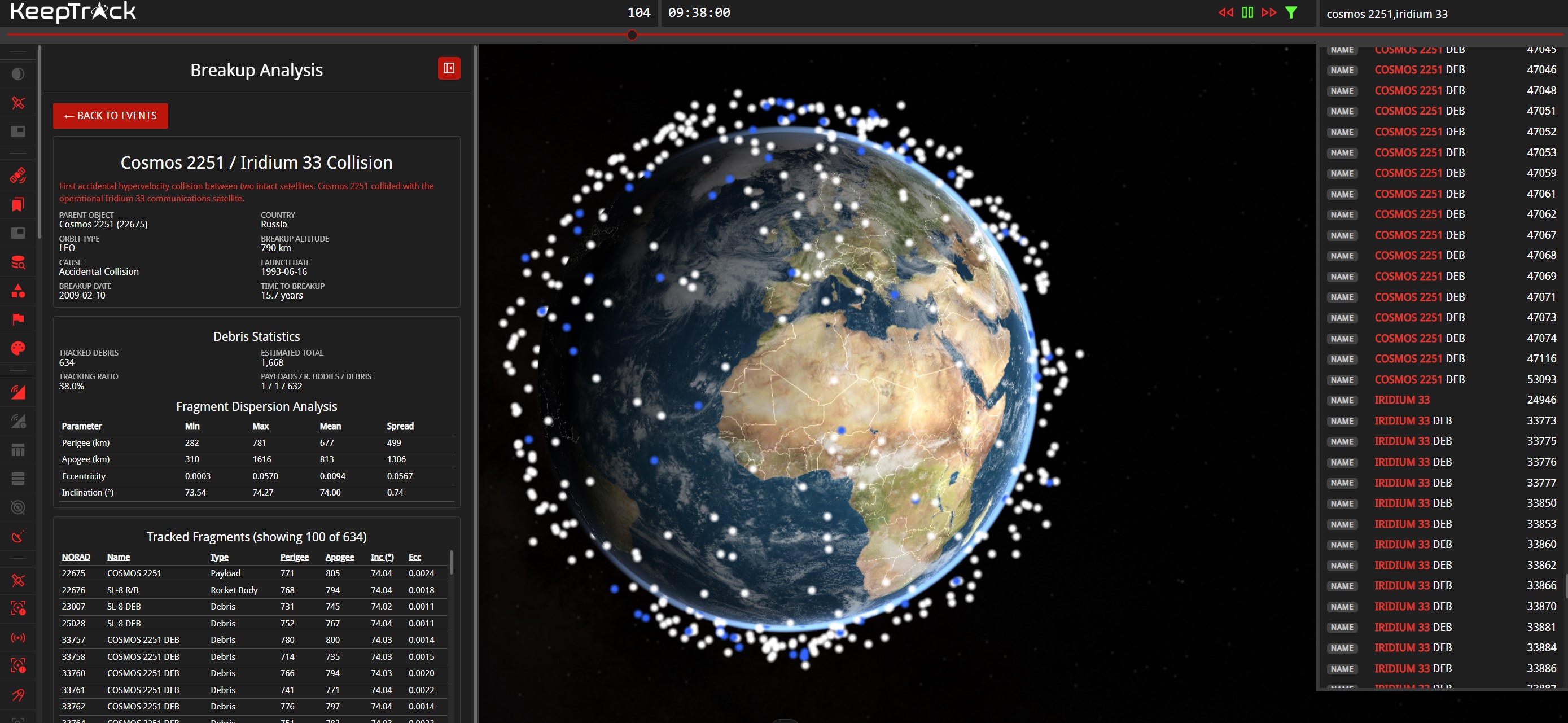
On February 10, 2009, an active Iridium communications satellite and a derelict Soviet military spacecraft slammed into each other 789 kilometers above Siberia. The collision produced more than 2,300 pieces of trackable debris that are still up there. Seventeen years later, the Iridium-Cosmos collision remains the event that made space debris a policy problem the world could no longer ignore.

Busy activities in space: SpaceX's series of Starlink launches dominate the week, while Vega C successfully deploys Earth science satellites.
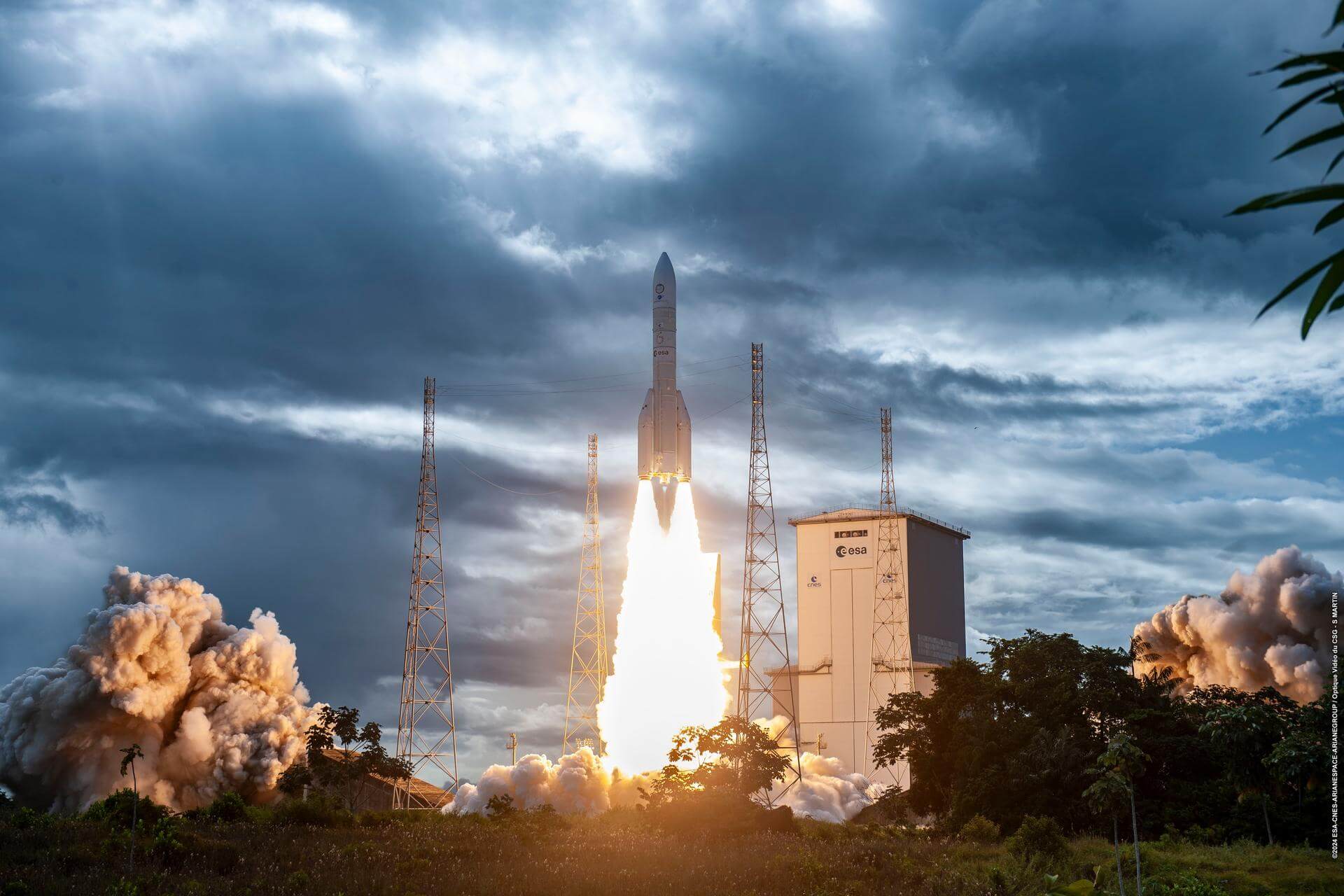
Highlights include US military astronaut rescue drills, China's commercial involvement in lunar missions, ESA's budget proposals, global opposition to space advertising, and NASA lunar landers.

Today's brief covers China's record-breaking launch year, SpaceX's continued Starlink deployments, Blue Origin's launch challenges, and innovations in satellite maneuverability.
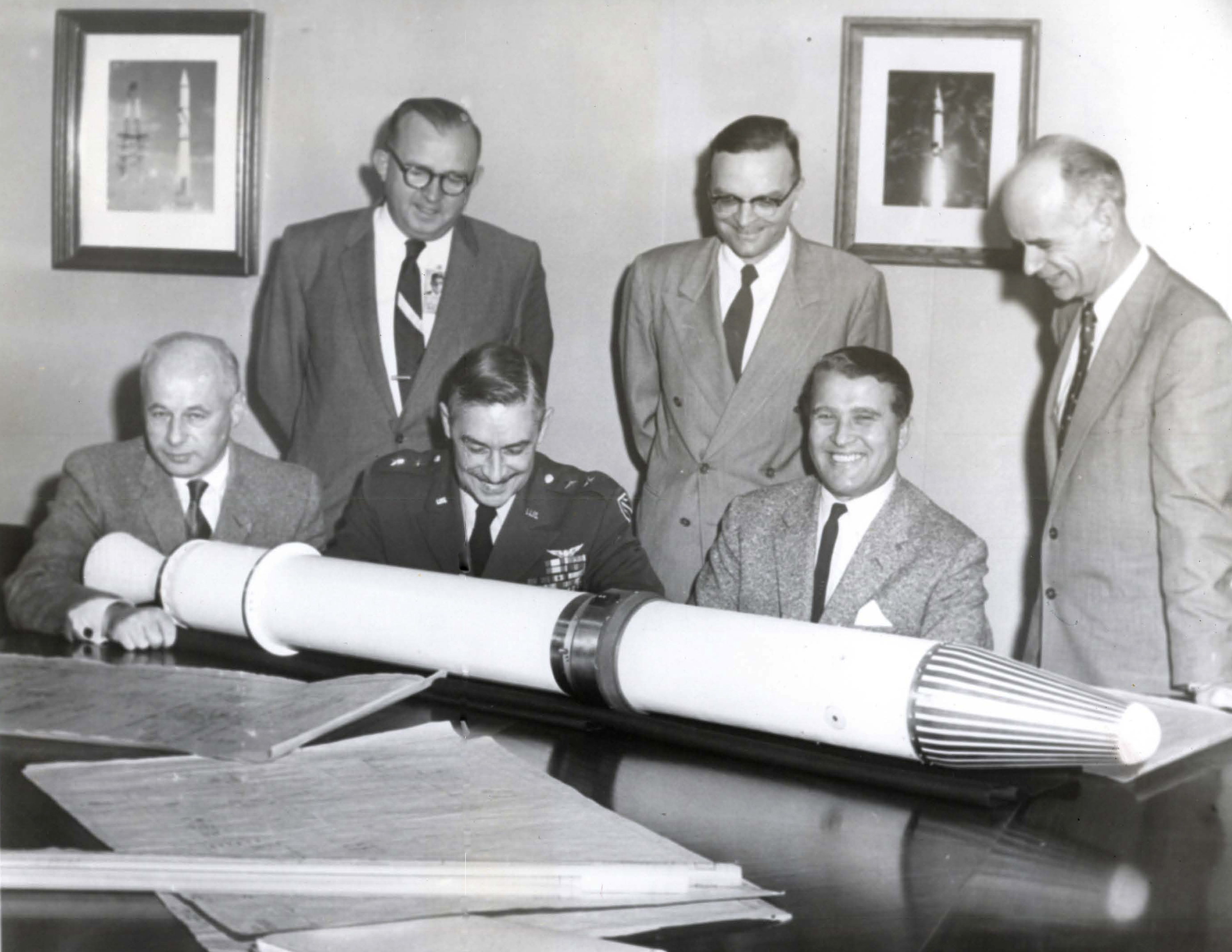
Sixty-seven years ago, a slender rocket carried America's first satellite into orbit, discovering a mysterious feature of our planet that would change our understanding of space forever