COSMOS 1408 DEB (49914)

COSPAR: 1982-092NZ | Alt Name: deb Kosmos-1408
DECAYED

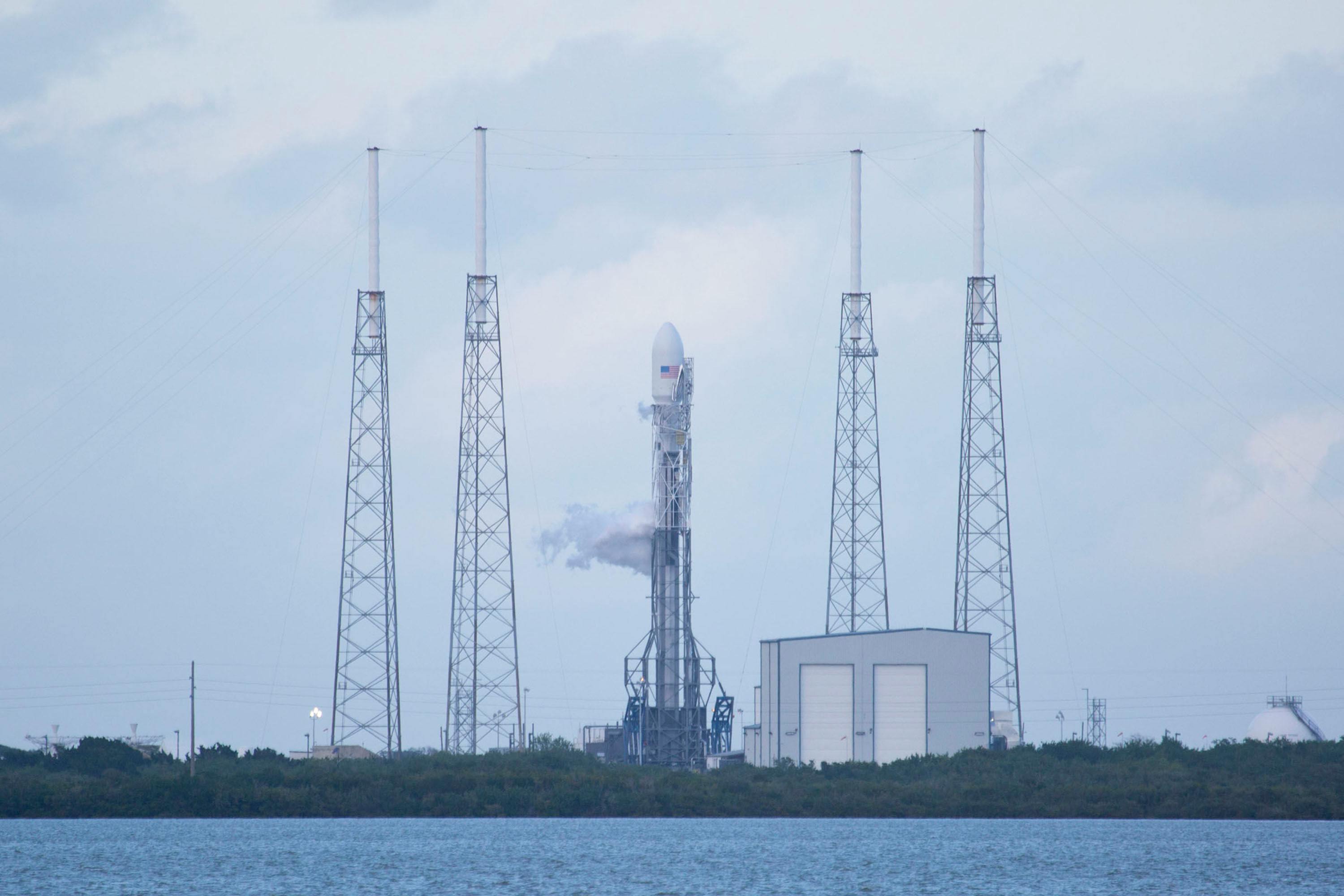
Image
COSMOS 1408 DEB Satellite Image
Additional Sources
Launch Details

Launch Date

September 16, 1982

Launch Site

PLMSC

Launch Pad

LC32/2

Launch Vehicle

Tsiklon-3

Orbital Elements

NORAD ID

49914

International Designator

1982-092NZ

Decay Date

1/9/2022

Basic Satellite Info

Name

COSMOS 1408 DEB

Alternative Name

deb Kosmos-1408

Type

Debris

Status

Space Junk

Owner

ROSK

Country

USSR

Constellation

N/A

Related Satellites

Major Events

N/A

Summary
Space debris, also known as space junk, encompasses all non-functional objects orbiting Earth such as defunct satellites, spent rocket stages, and fragments from collisions or disintegrations. Over time, this debris can accumulate and create an increasingly hazardous environment in orbit. Even tiny fragments, traveling at extremely high velocities, can inflict significant damage on operational satellites and spacecraft. If left unmanaged, the density of debris raises the risk of catastrophic collisions and further fragmentation, compounding the problem and threatening the safety and sustainability of space activities.
Physical Characteristics

Length

0

Diameter

0

Span

0

Dry Mass

0

Launch Mass

0

Shape

N/A

Radar Cross Section

Unknown

Visual Magnitude

Unknown

Color

Unknown

Material Composition

Unknown

Technical Details

Payload

Unknown

Purpose

Unknown

Mission

Unknown

Manufacturer

YUZHUA

Life Expectancy

Unknown

Bus

Unknown

Configuration

Unknown

Motor

Unknown

Equipment

Unknown

Power System

Unknown

ADCS

Unknown

Transmitter Frequency

Unknown

Satellite Articles

View All Posts »

Learn more about satellites and other related topics.

Space Brief 25 Oct 2024

Space Brief 25 Oct 2024

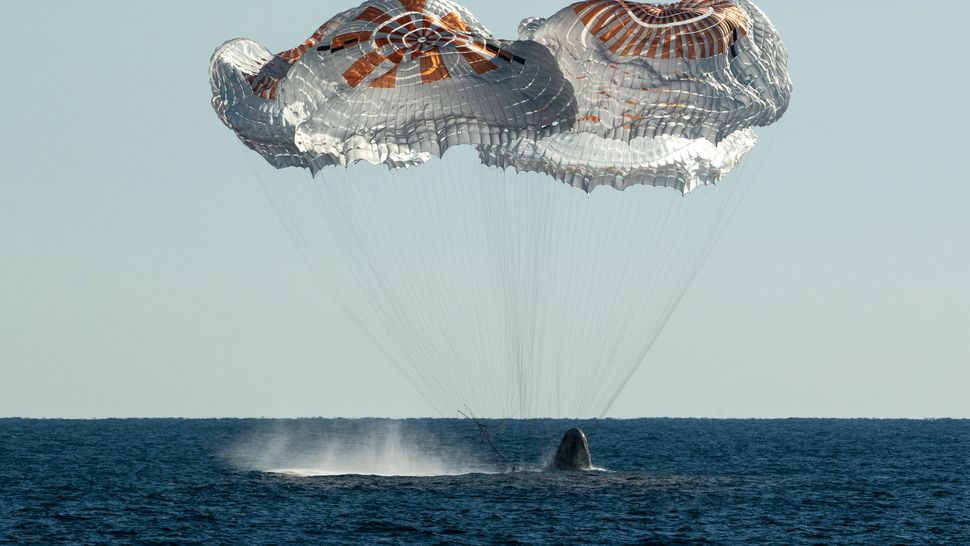
Today's highlights include Crew-8's return amid weather delays, new space tourism announcements by Deep Blue Aerospace, and Europe's efforts to combat space debris. Plus, another successful SpaceX launch and the ESA backed Zero Debris Charter gains international traction.

Starlink Satellites Dominate Earth's Orbit

Starlink Satellites Dominate Earth's Orbit

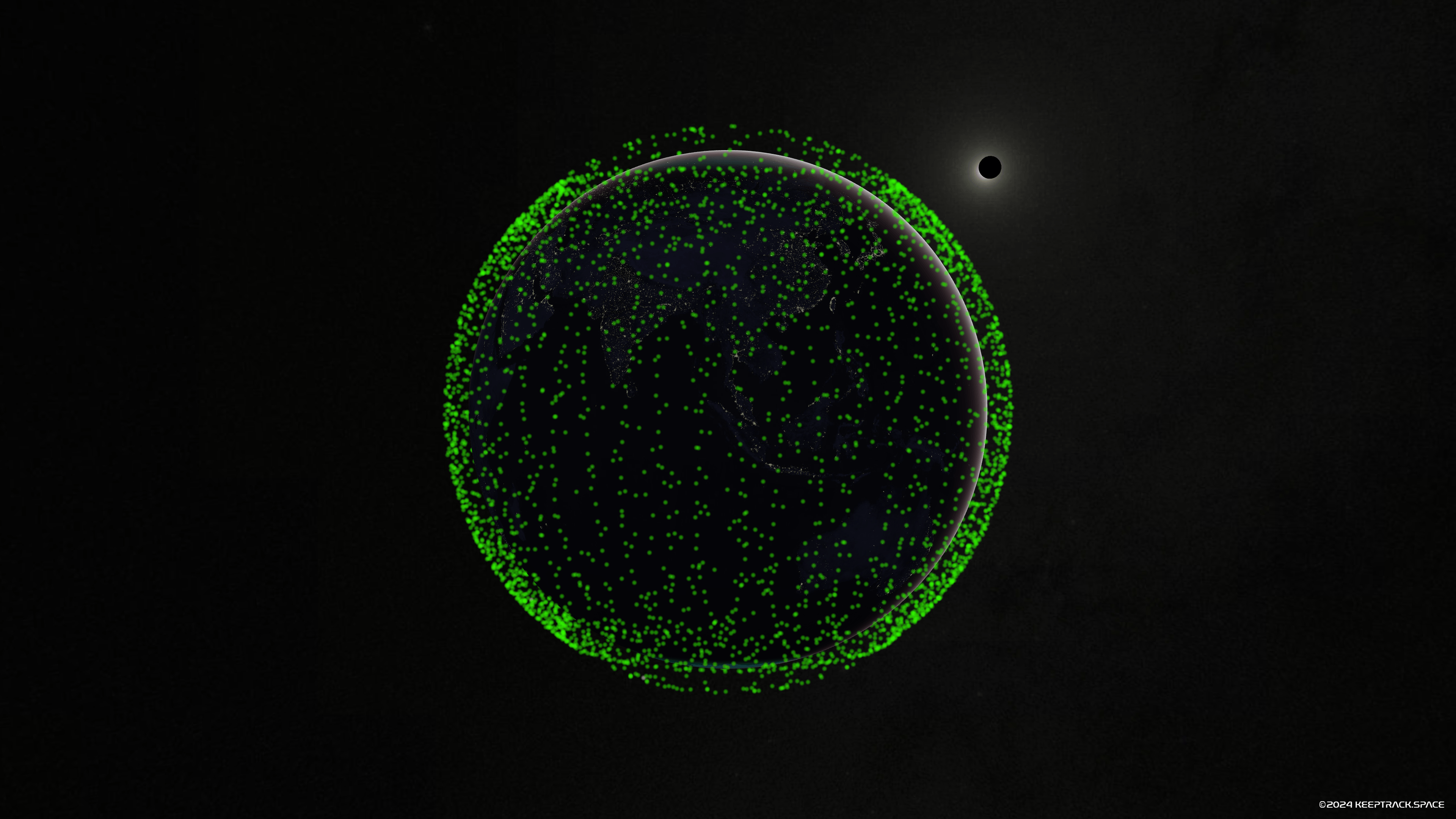
SpaceX's Starlink constellation has grown at an astonishing rate, now accounting for over 20% of all trackable objects in orbit. With plans for tens of thousands more, Starlink is on the cusp of forever changing the landscape of Earth's near-space environment.

Tianlong-3 Fails on Debut; SpaceX Wins $178.5M Space Force Contract | KeepTrack Space Brief

Tianlong-3 Fails on Debut; SpaceX Wins $178.5M Space Force Contract | KeepTrack Space Brief

China's Tianlong-3 rocket failed during ascent on debut launch Friday. SpaceX secured $178.5M Space Force contract for missile tracking satellite launches beginning 2027.

The Satellites the Size of a Studio Apartment

The Satellites the Size of a Studio Apartment

AST SpaceMobile's BlueBird constellation is a bet that raw aperture size wins. Each satellite unfolds a 64-square-meter phased-array antenna in orbit, the largest commercial antenna ever deployed. The company claims a stock smartphone on the ground can connect directly to it. The competition says the physics doesn't support that. Seventeen satellites in and a contract with AT&T, Verizon, and Vodafone, somebody's math is wrong.

Space Brief 12 Apr 2025

Space Brief 12 Apr 2025

Highlights include significant advances in satellite refueling experiments, a key design milestone for missile defense, and a feature on the satellite Cosmos 2246.

X Report 5 Apr 2025

X Report 5 Apr 2025

SpaceX secures major U.S. military contracts, Fram2 concludes historic mission, and preparations for another Starlink launch.

Apophis 2029 Flyby: ESA-JAXA Joint Mission Locked In | KeepTrack Space Brief

Apophis 2029 Flyby: ESA-JAXA Joint Mission Locked In | KeepTrack Space Brief

ESA and JAXA finalize collaboration for asteroid Apophis 2029 flyby at 32,000 km—closer than geostationary orbit. Historic near-Earth encounter being heavily observed.

X Report 24 Sep 2025

X Report 24 Sep 2025

SpaceX prepares for the launch of significant NASA and NOAA missions, while Starship's 11th test flight edges closer.