


SpaceX Orbital Data Center Plans Draw Astronomer Fury | KeepTrack X Report
SpaceX's orbital data center constellation and TERAFAB's $25B AI chip factory spark backlash as Starlink surpasses 10,116 working satellites.



Launch Date
September 16, 1982
Launch Site
PLMSC
Launch Pad
LC32/2
Launch Vehicle
Tsiklon-3
NORAD ID
49852
International Designator
1982-092LK
Decay Date
2/3/2022
Name
COSMOS 1408 DEB
Alternative Name
deb Kosmos-1408
Type
Status
Owner
ROSK
Country
USSR
Constellation
N/A
Related Satellites
Major Events
N/A
Length
0
Diameter
0
Span
0
Dry Mass
0
Launch Mass
0
Shape
N/A
Radar Cross Section
Unknown
Visual Magnitude
Unknown
Color
Unknown
Material Composition
Unknown
Payload
Unknown
Purpose
Unknown
Mission
Unknown
Manufacturer
YUZHUA
Life Expectancy
Unknown
Bus
Unknown
Configuration
Unknown
Motor
Unknown
Equipment
Unknown
Power System
Unknown
ADCS
Unknown
Transmitter Frequency
Unknown
Learn more about satellites and other related topics.
SpaceX's orbital data center constellation and TERAFAB's $25B AI chip factory spark backlash as Starlink surpasses 10,116 working satellites.
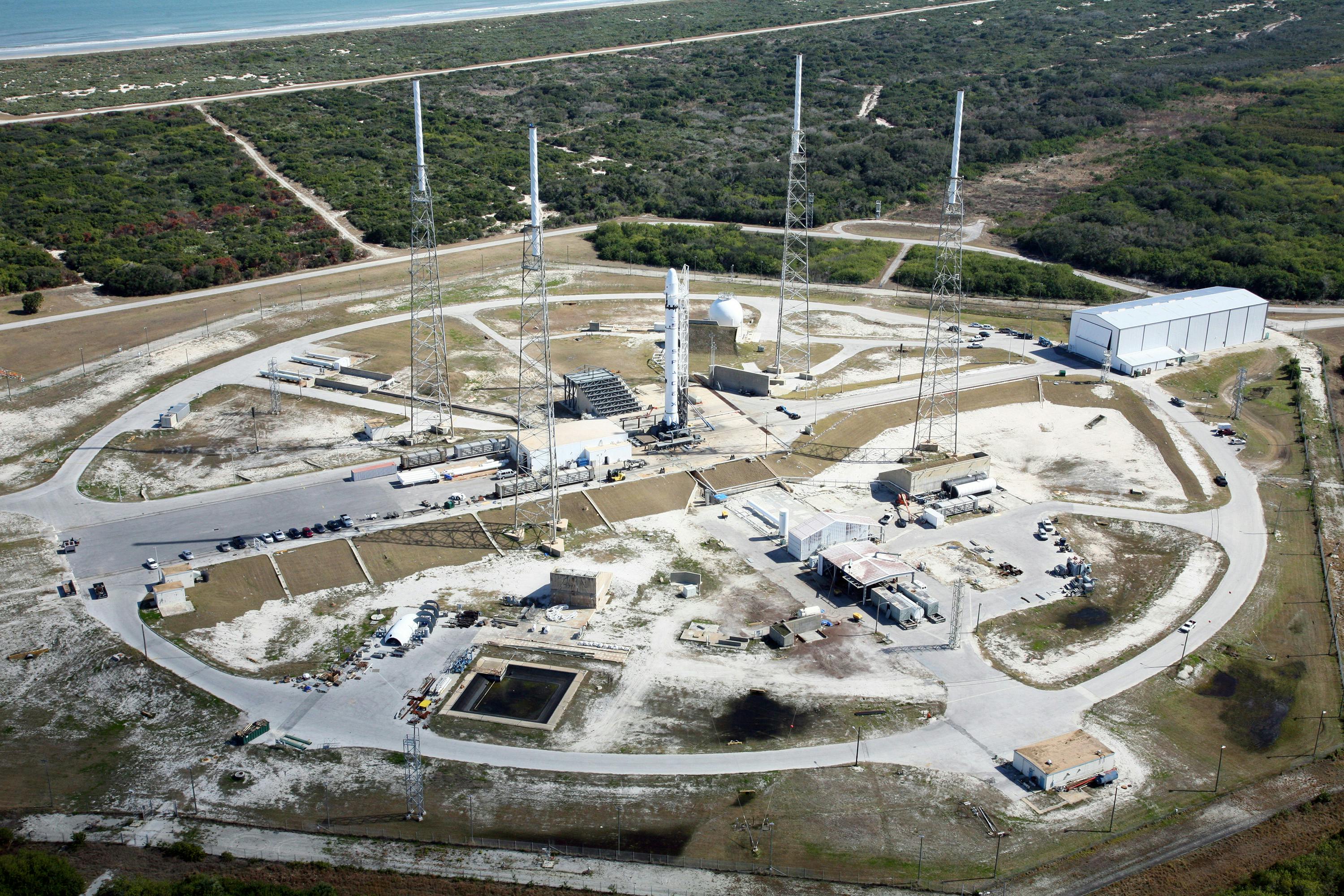
Starship Flight 8 set for launch, new milestones in the defense sector, and launch updates dominate today's news.
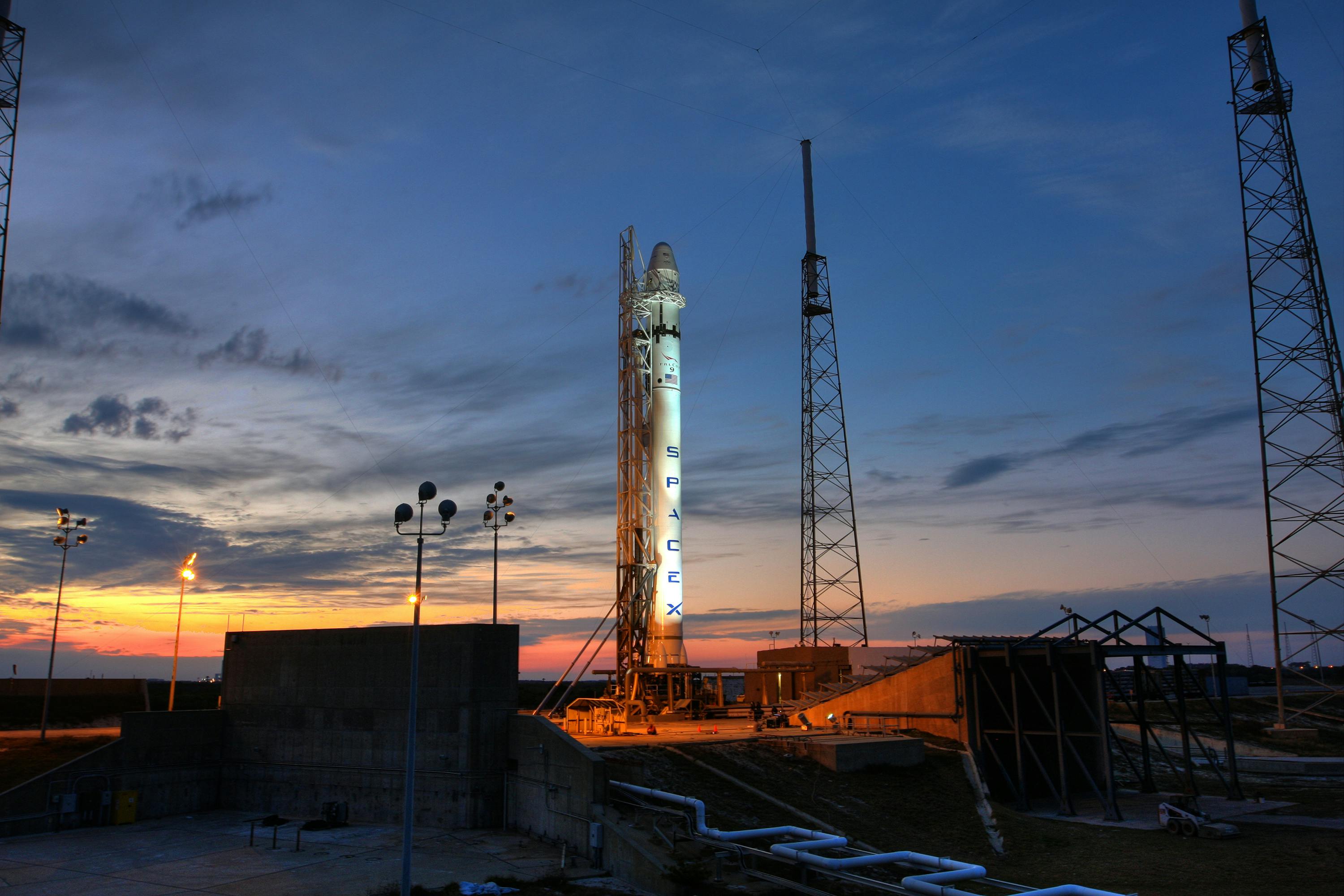
Important updates include SpaceX's $19 billion spectrum deal with EchoStar, a successful super heavy booster test, and recent setbacks in launching due to poor weather.
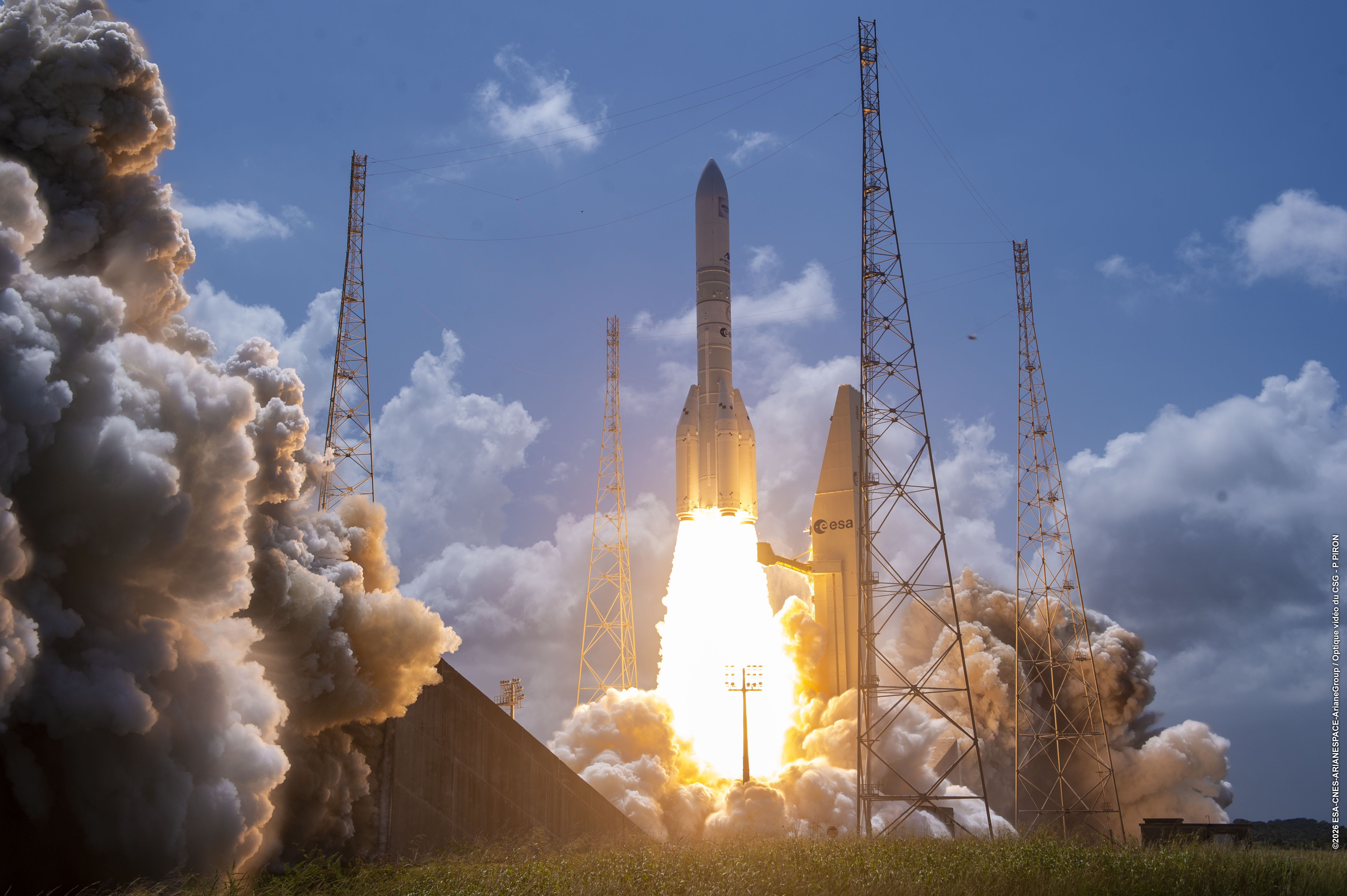
Space Force RCO awarded SBIR contracts for radar-detection payloads to counter adversary surveillance of U.S. satellites. Follow-on miniaturization effort already planned.
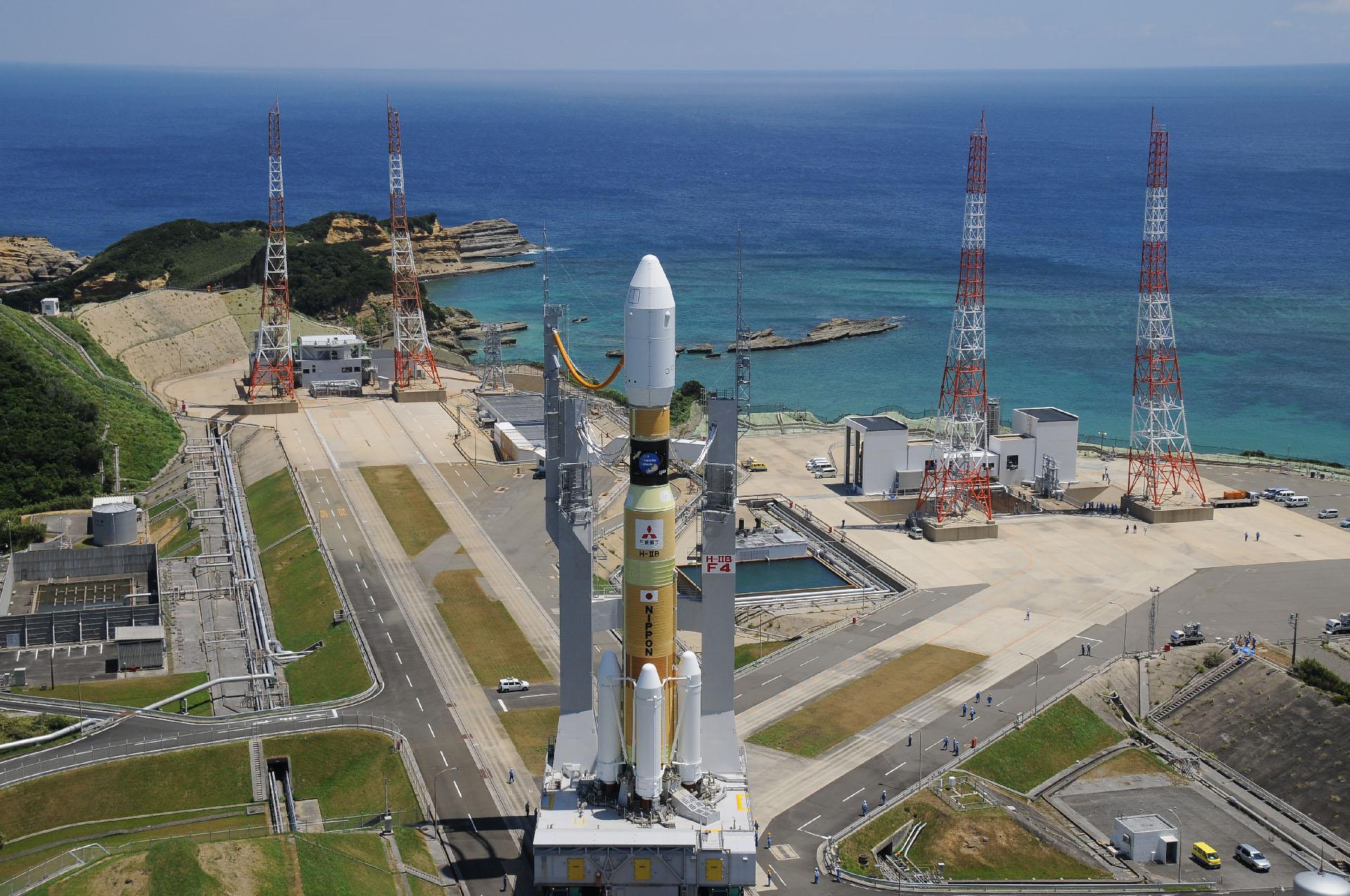
New Glenn's upper stage malfunctioned April 19, stranding AST SpaceMobile's BlueBird 7; the satellite is lost. Vulcan may fly without solid boosters.

Hanwha Systems in talks with MDA Space and Telesat for South Korean defense satellite constellation. SpaceX preps GPS satellite launch for Space Force. Seismic networks now track space junk reentry.
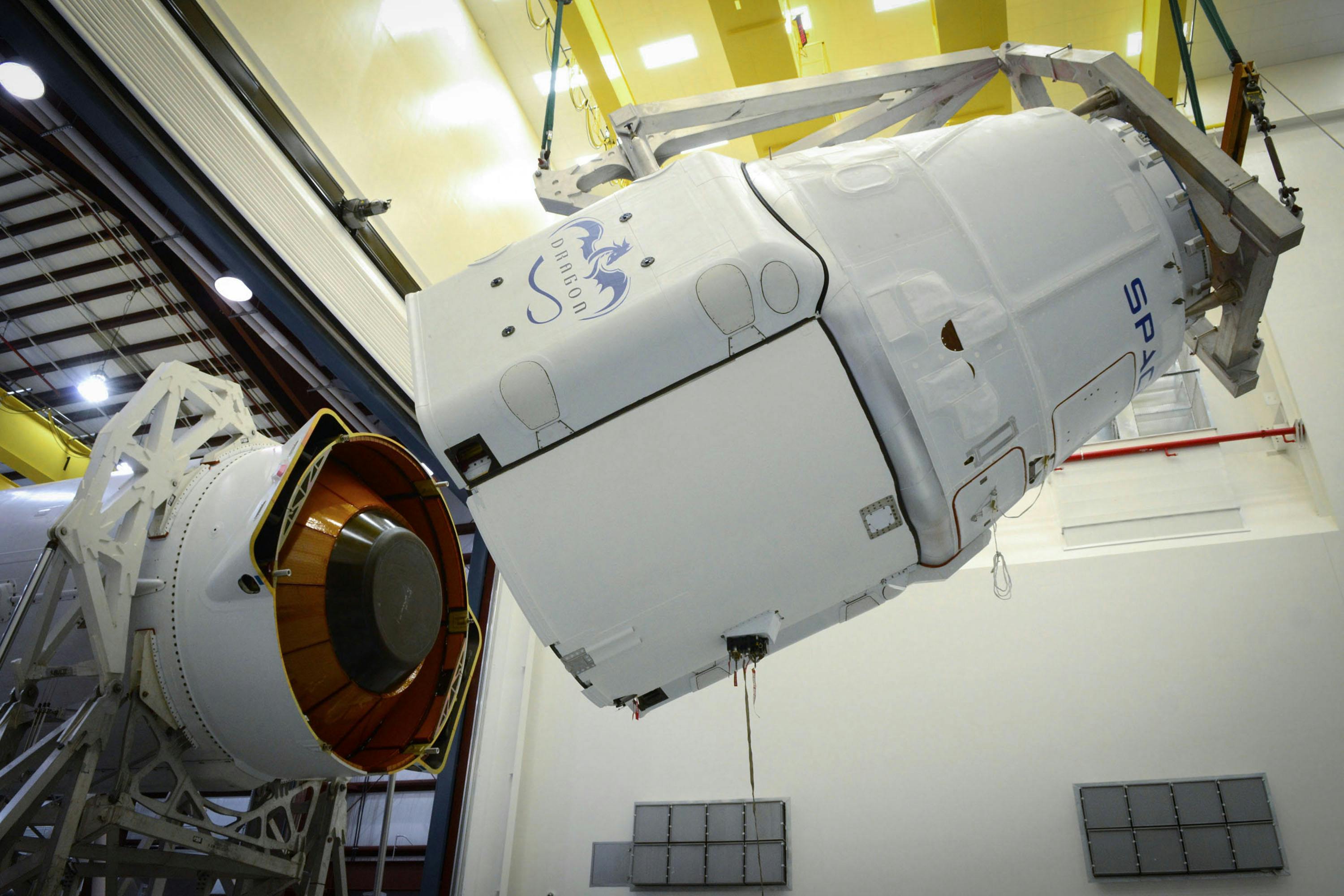
SpaceX advances with Starship, gains FCC approval for new services, and predicts a future shift in spacecraft dominance.
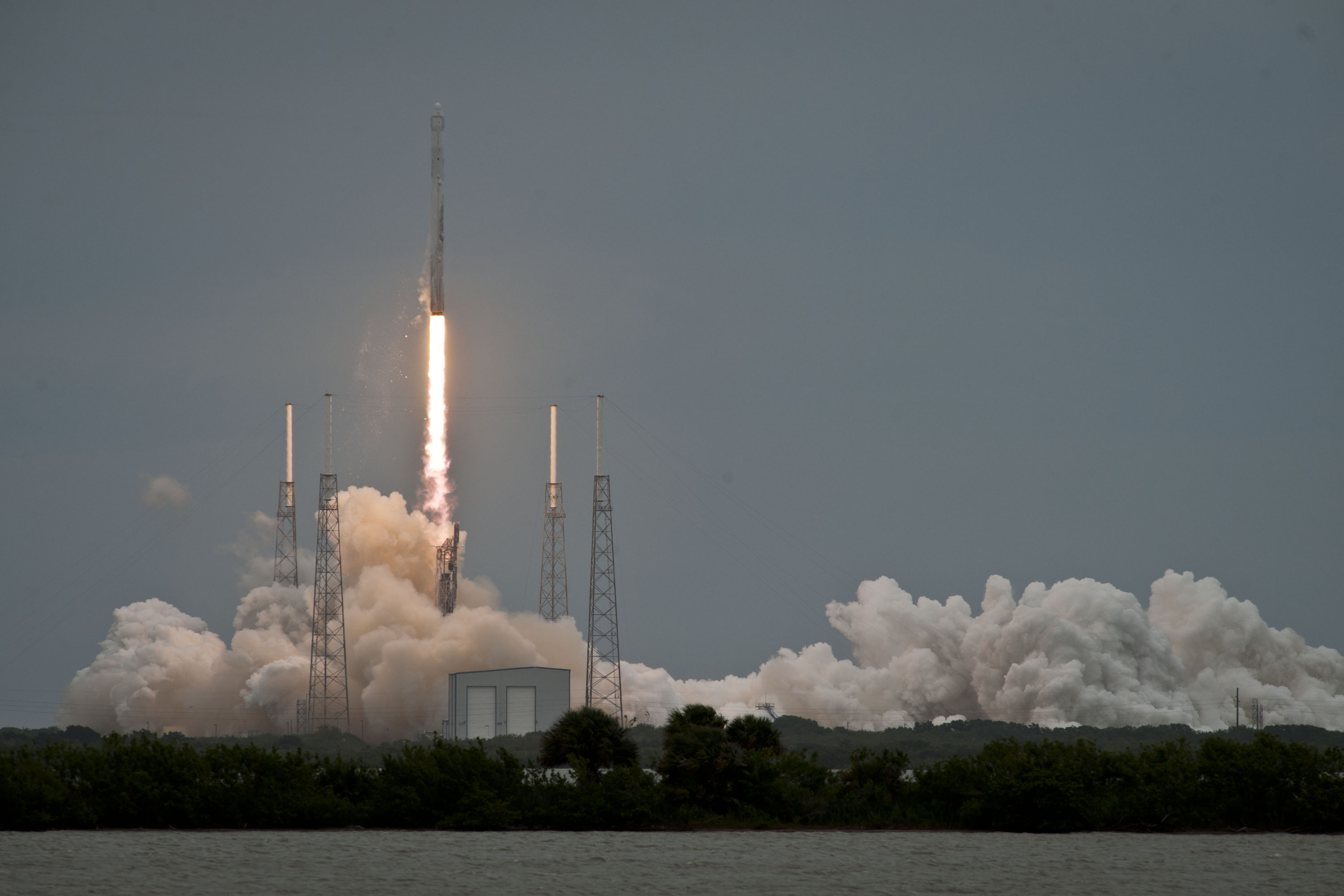
On April 18, 2014, a Falcon 9 first stage did something no orbital rocket had ever done before. It fired its engines on the way down, steered itself through the atmosphere using grid fins that did not yet exist, and touched the Atlantic Ocean softly enough to survive the impact. Nobody recovered it. The data was the whole point.