

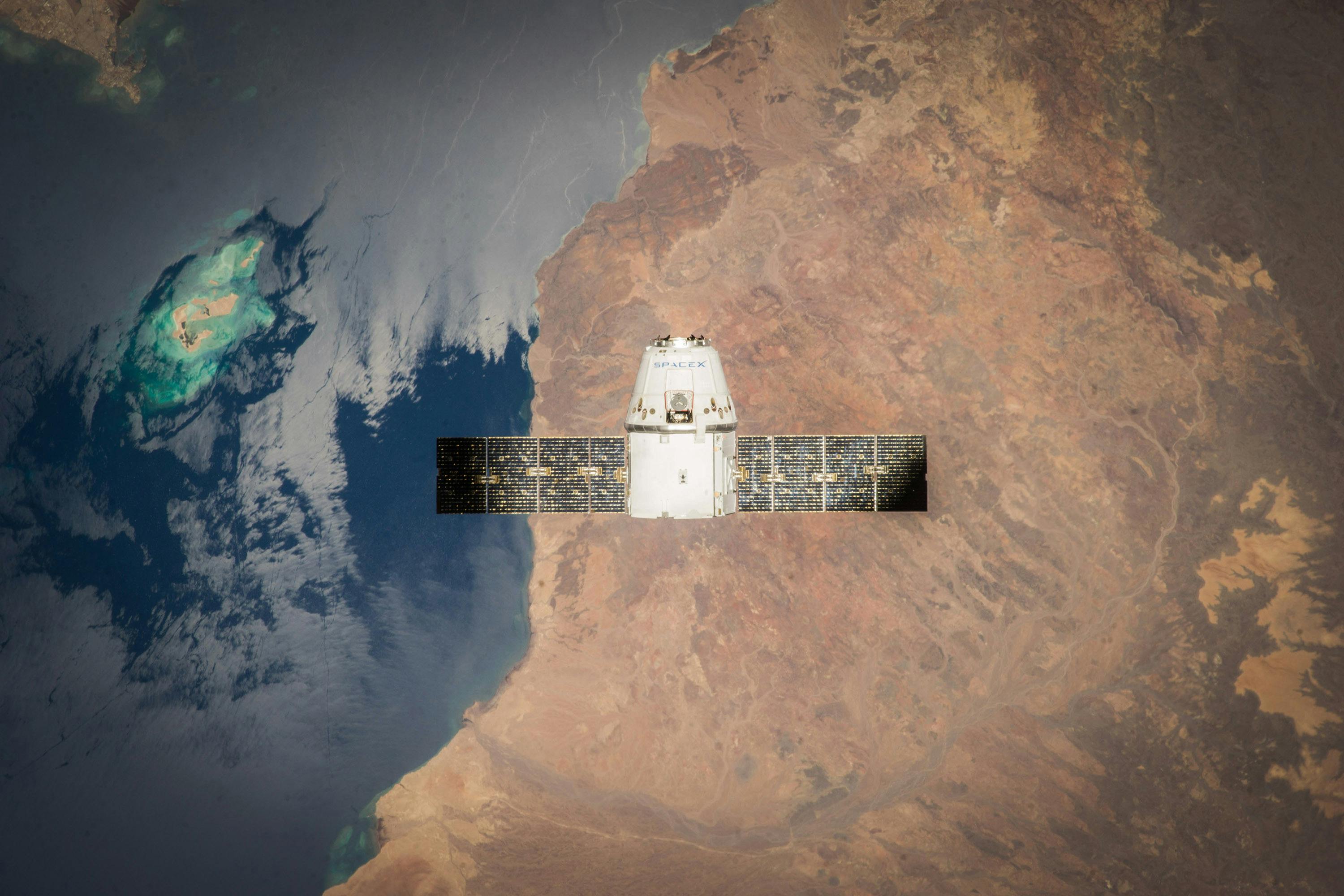
Tesla-SpaceX 2027 Merger Predicted by Wall Street | KeepTrack X Report
Wall Street analyst Dan Ives predicts a Tesla-SpaceX merger by 2027, while a quantum magnetometer launches March 30 on Falcon 9 rideshare.


Launch Date
September 16, 1982
Launch Site
PLMSC
Launch Pad
LC32/2
Launch Vehicle
Tsiklon-3
NORAD ID
49835
International Designator
1982-092KS
Decay Date
4/7/2022
Name
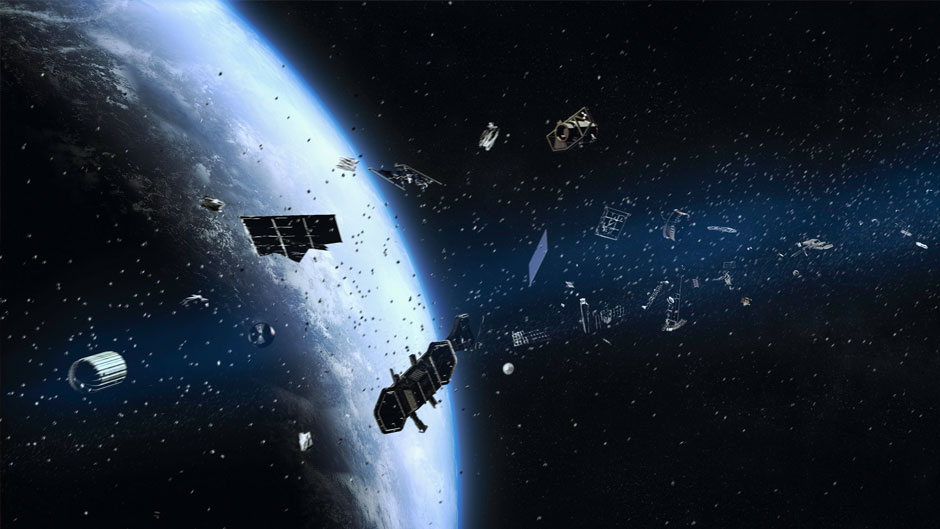
COSMOS 1408 DEB
Alternative Name
deb Kosmos-1408
Type
Status
Owner
ROSK
Country
USSR
Constellation
N/A
Related Satellites
Major Events
N/A
Length
0
Diameter
0
Span
0
Dry Mass
0
Launch Mass
0
Shape
N/A
Radar Cross Section
Unknown
Visual Magnitude
Unknown
Color
Unknown
Material Composition
Unknown
Payload
Unknown
Purpose
Unknown
Mission
Unknown
Manufacturer
YUZHUA
Life Expectancy
Unknown
Bus
Unknown
Configuration
Unknown
Motor
Unknown
Equipment
Unknown
Power System
Unknown
ADCS
Unknown
Transmitter Frequency
Unknown
Learn more about satellites and other related topics.
Wall Street analyst Dan Ives predicts a Tesla-SpaceX merger by 2027, while a quantum magnetometer launches March 30 on Falcon 9 rideshare.
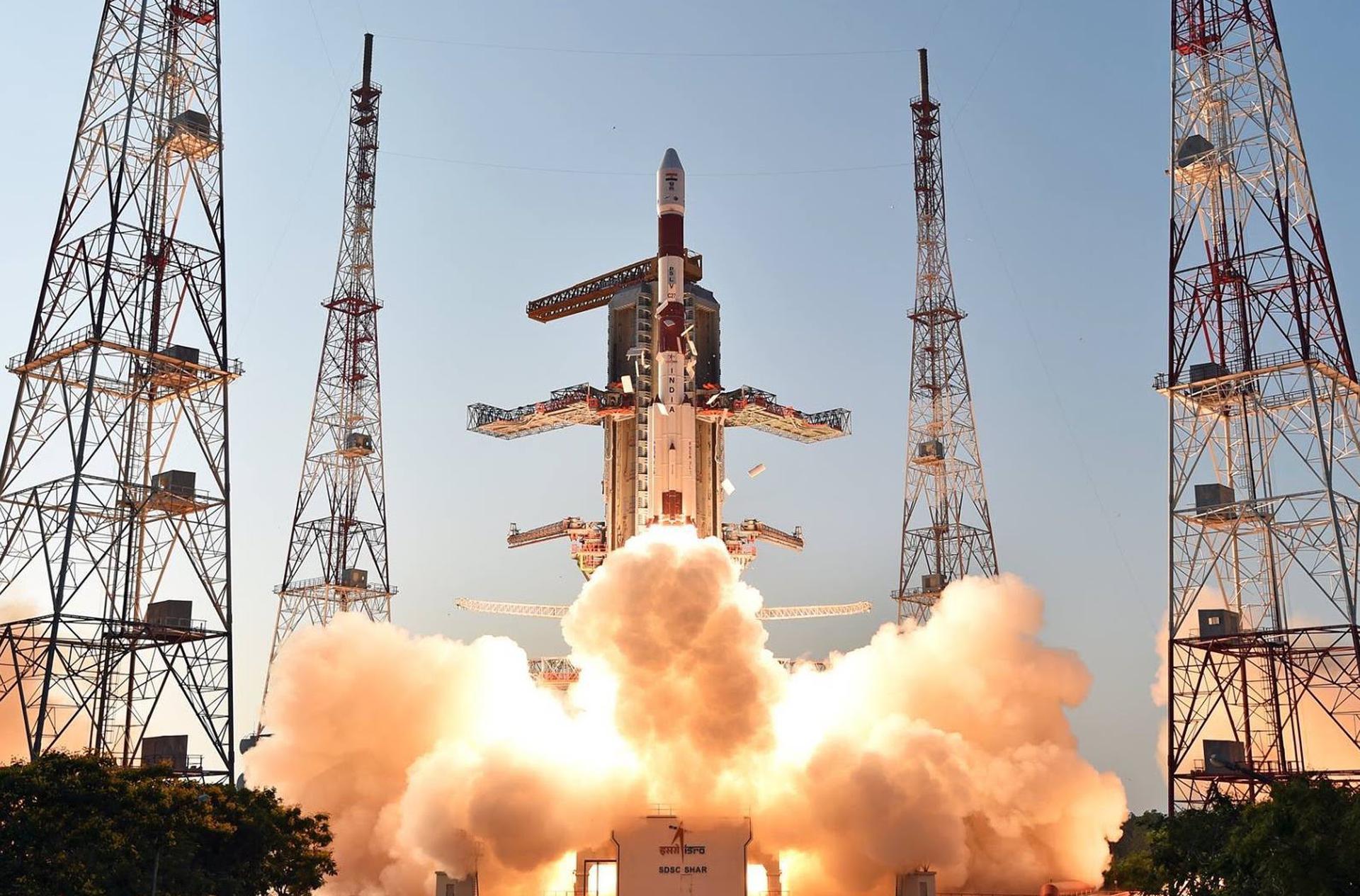
Today's highlights include China's latest satellite launches, Blue Origin's expansion plans, and Purdue University's groundbreaking suborbital mission with Virgin Galactic.

Thirty years ago, a Chinese rocket veered off course two seconds after liftoff, destroyed a village, and triggered a political scandal that reshaped how the United States controls space technology to this day

SpaceX carried out a double-header Starlink launch from both coasts while milestones from Max Space and Lux Aeterna signal growth in the commercial space sector.

Key developments in space today include significant satellite launches, advancements in space technology, and an exciting crewed suborbital flight. Highlights cover China's satellite internet progress, a promising innovation for solar cells, and recent SpaceX and Blue Origin activities.
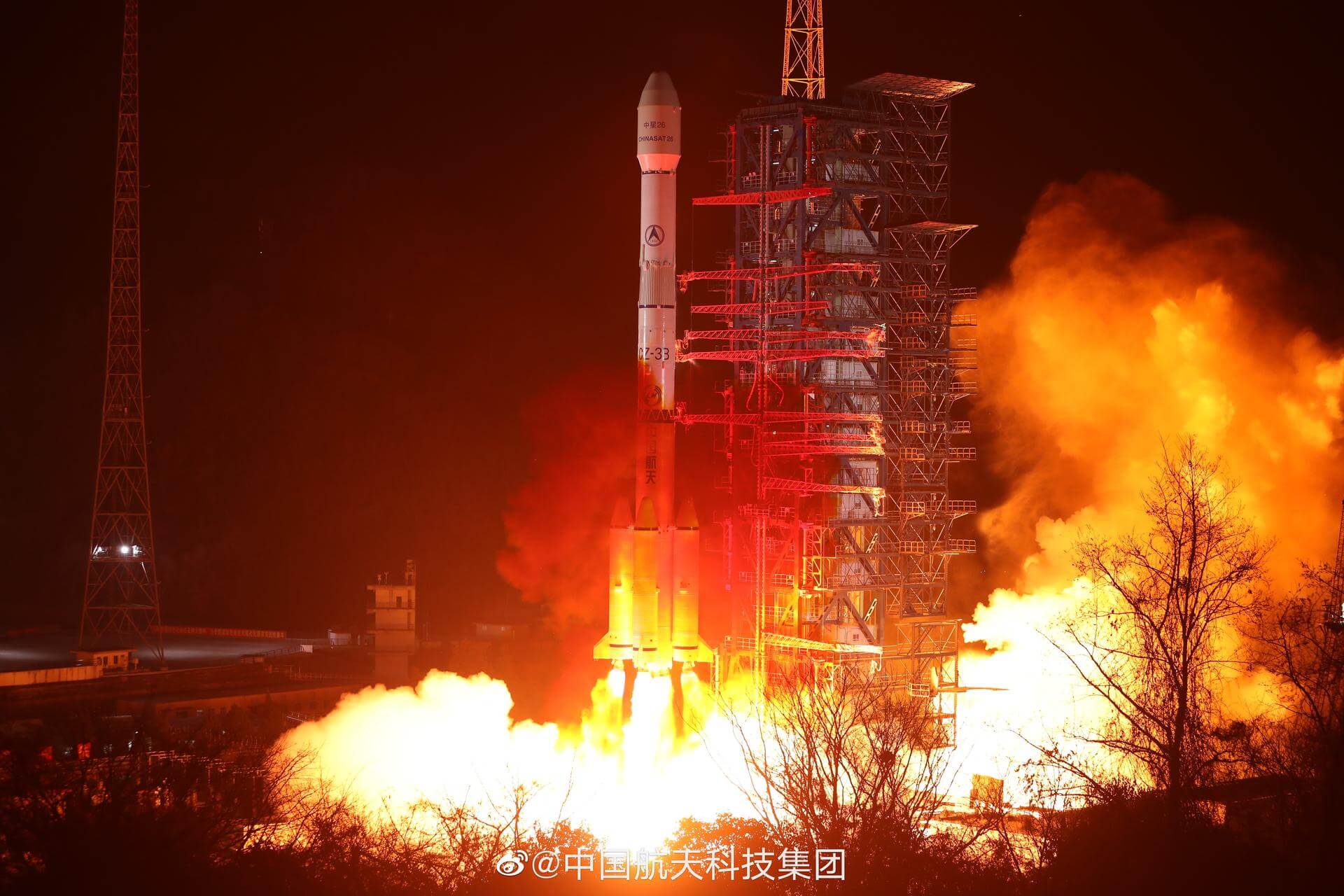
Focusing on military satellite initiatives, defense strategies, and advancements in air and cyber capabilities
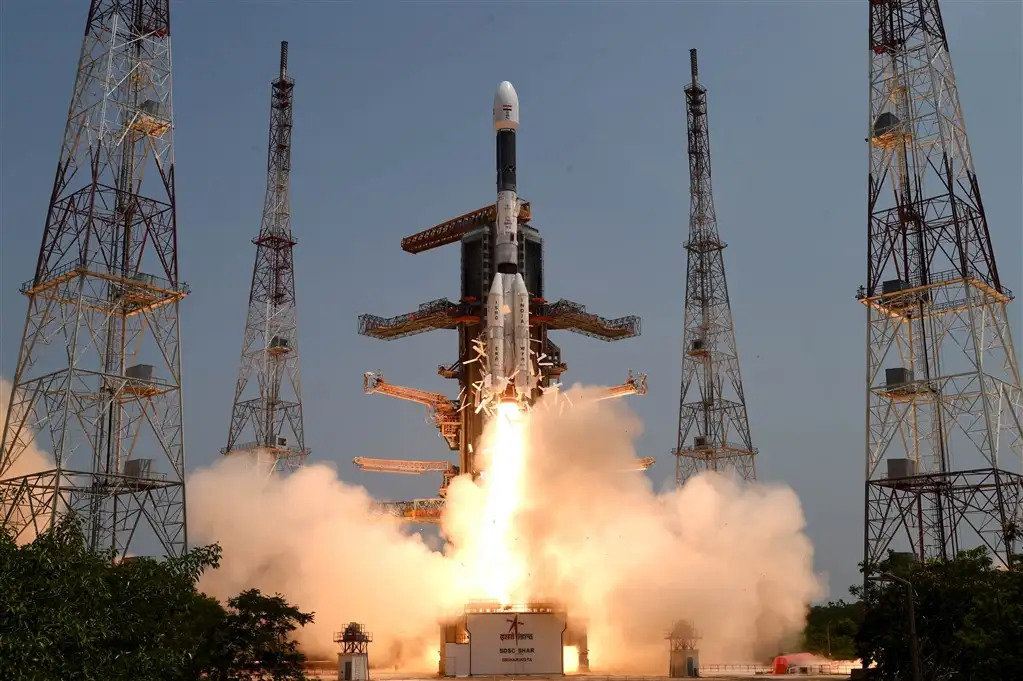
Focus on Varda's second mission launch, new U.S. Defense Department tool for satellite anomaly investigation, and a detailed Satellite Spotlight on CELESTIS 21/Varisat 1C.
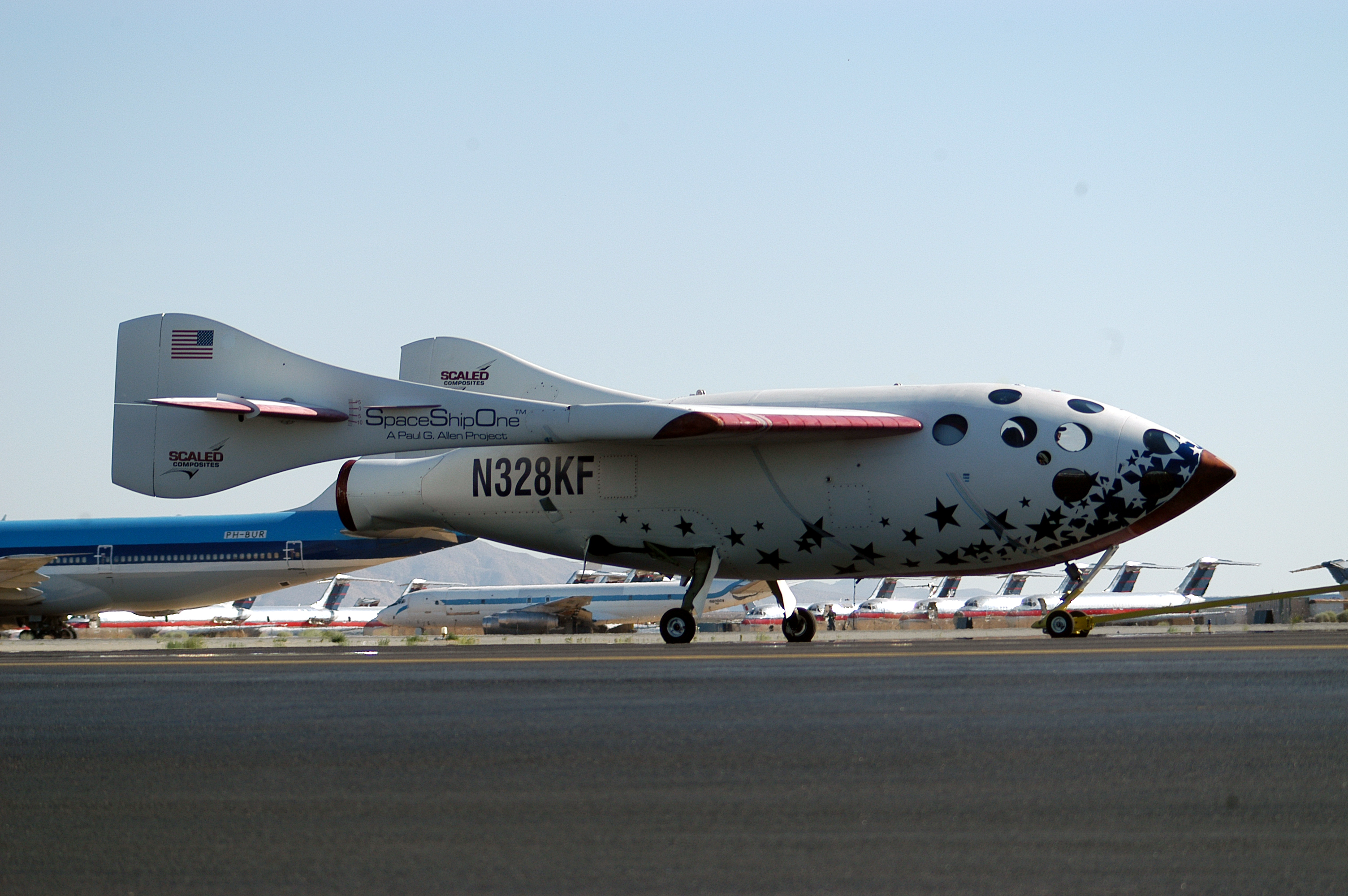
On 21 June 2004, a 63-year-old test pilot rode a homebuilt rocket plane to 100,124 meters above the Mojave Desert, clearing the edge of space by about the length of a city block. He came down the first private astronaut in history, holding a sign that read 'SpaceShipOne, GovernmentZero.'