

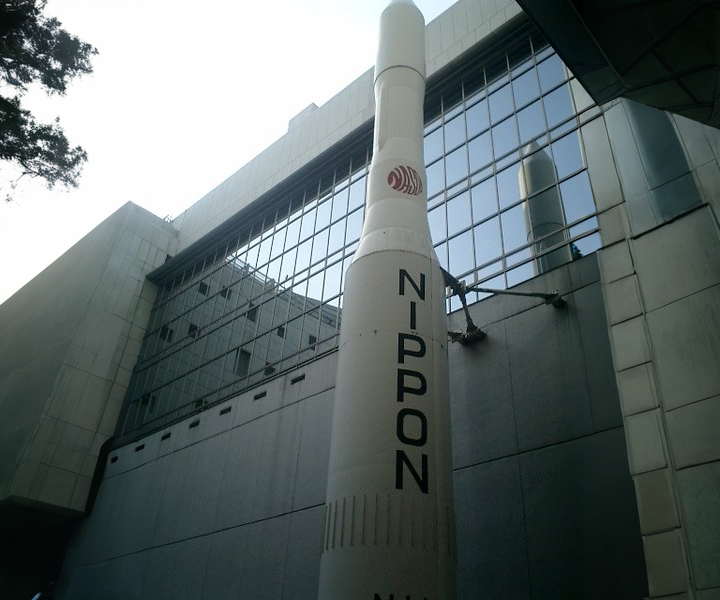
The Day Japan Joined the Geostationary Club
Forty-eight years ago, a pioneering satellite named Kiku 2 propelled Japan into the exclusive group of nations capable of operating satellites in geostationary orbit



Launch Date
September 16, 1982
Launch Site
PLMSC
Launch Pad
LC32/2
Launch Vehicle
Tsiklon-3
NORAD ID
49787
International Designator
1982-092JD
Decay Date
6/9/2023
Name
COSMOS 1408 DEB
Alternative Name
deb Kosmos-1408
Type
Status
Owner
ROSK
Country
USSR
Constellation
N/A
Related Satellites
Major Events
N/A
Length
0
Diameter
0
Span
0
Dry Mass
0
Launch Mass
0
Shape
N/A
Radar Cross Section
Unknown
Visual Magnitude
Unknown
Color
Unknown
Material Composition
Unknown
Payload
Med RCS deb
Purpose
Unknown
Mission
Unknown
Manufacturer
YUZHUA
Life Expectancy
Unknown
Bus
Unknown
Configuration
Unknown
Motor
Unknown
Equipment
Unknown
Power System
Unknown
ADCS
Unknown
Transmitter Frequency
Unknown
Learn more about satellites and other related topics.
Forty-eight years ago, a pioneering satellite named Kiku 2 propelled Japan into the exclusive group of nations capable of operating satellites in geostationary orbit
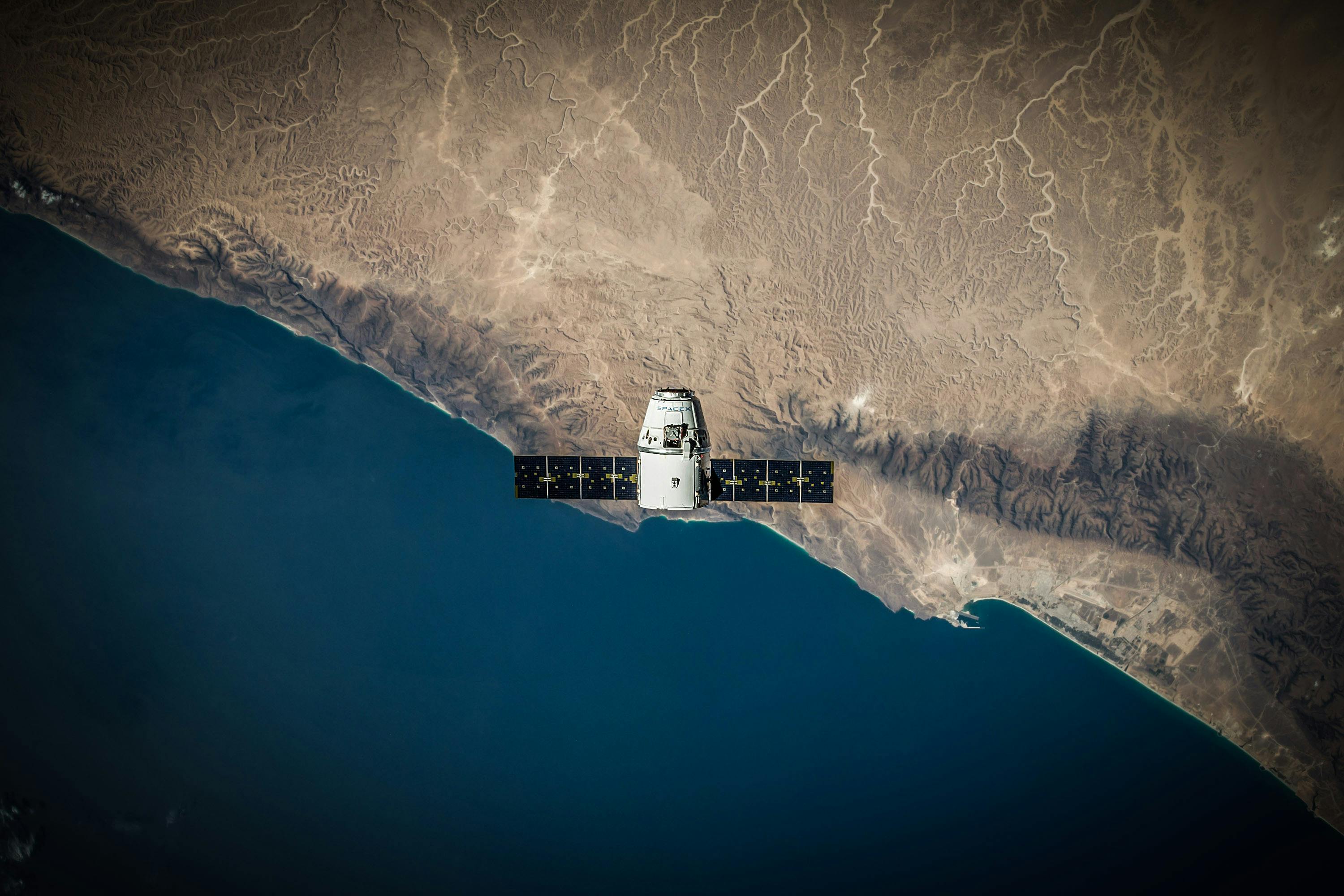
Highlights include China's rising threats in space, a new Starlink launch, NASA's optimistic future, and a cosmic conjunction featuring the Moon and Saturn.

Today's brief explores a simulated 'dogfight' in space by Chinese satellites, insights into a cloud platform by Oracle and Singapore's defense agency, and more space-related developments.
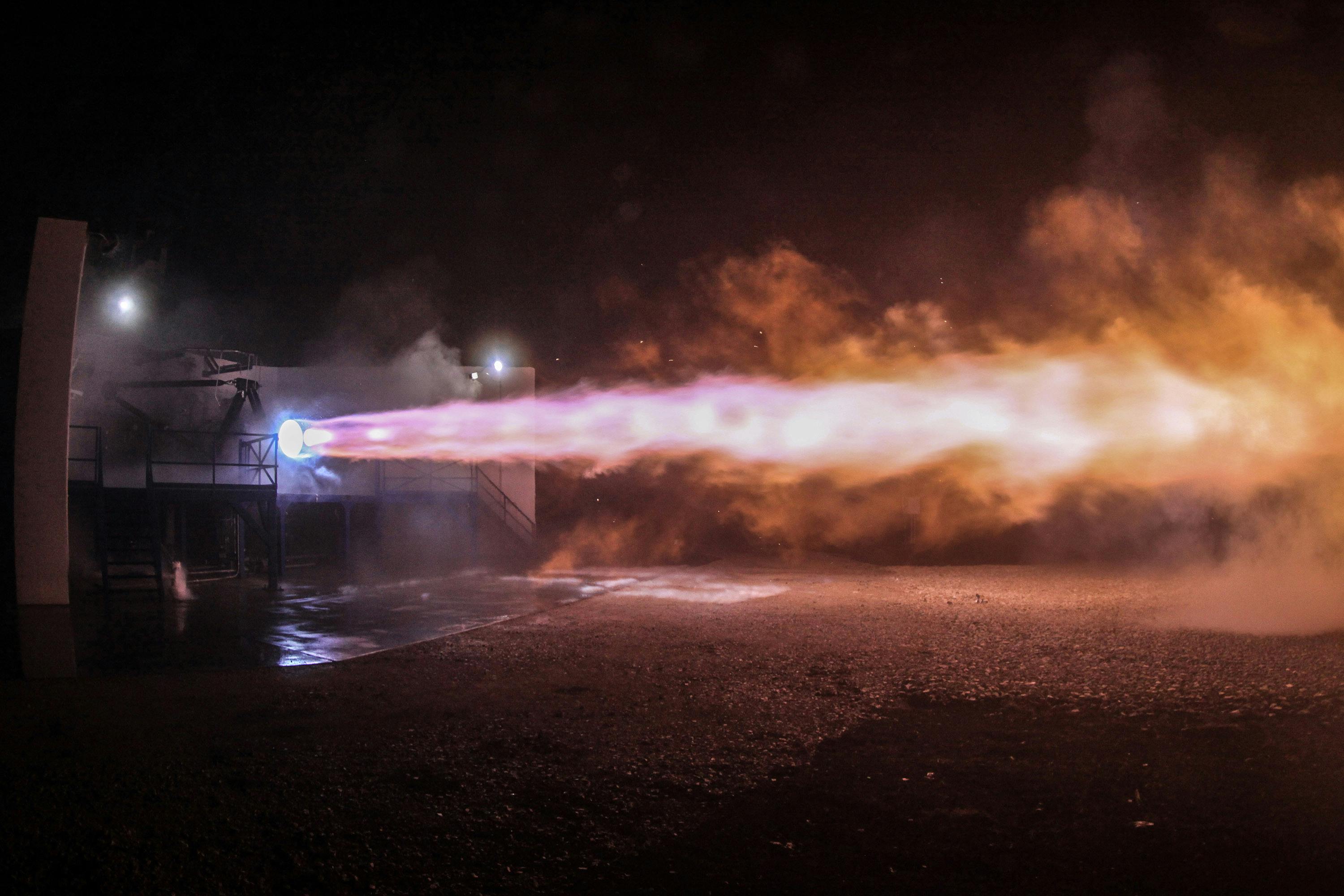
U.S. Space Force's Europe operations amidst Ukraine conflict, Maxar's new partnership, integration of military and commercial tech, and the Pentagon's new AI initiatives shape today's space discourse.
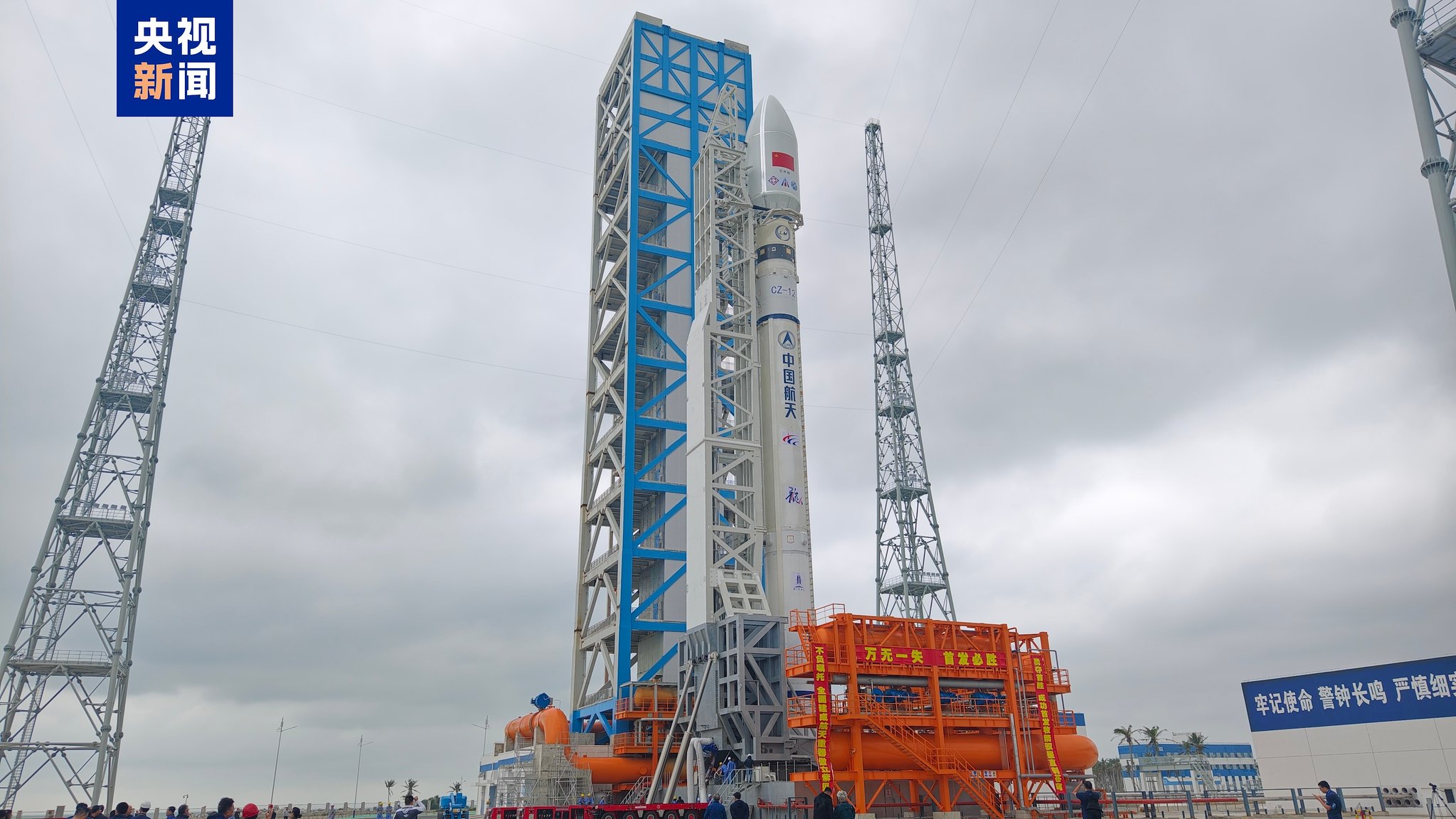
Trump seeks Musk's help to restore internet in Iran via Starlink. China files for 200,000-satellite constellation. Sweden allocates $1.6B for air defense and $140M for space capabilities.
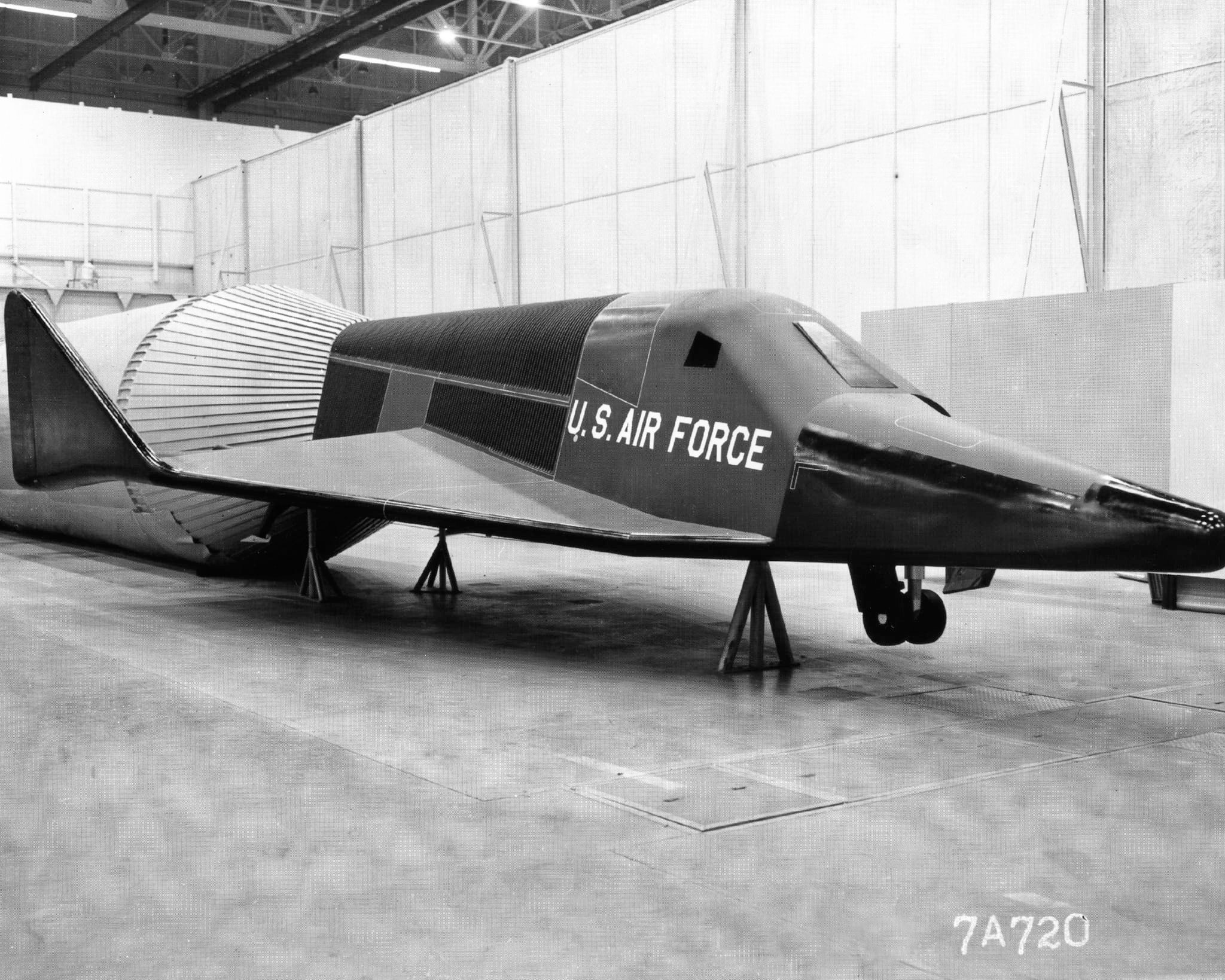
Exactly 62 years ago, Defense Secretary Robert McNamara ended the X-20 Dyna-Soar program, canceling one of the most ambitious spaceplane projects of the early Space Race - a vehicle that could have put aircraft in orbit decades before the Space Shuttle.
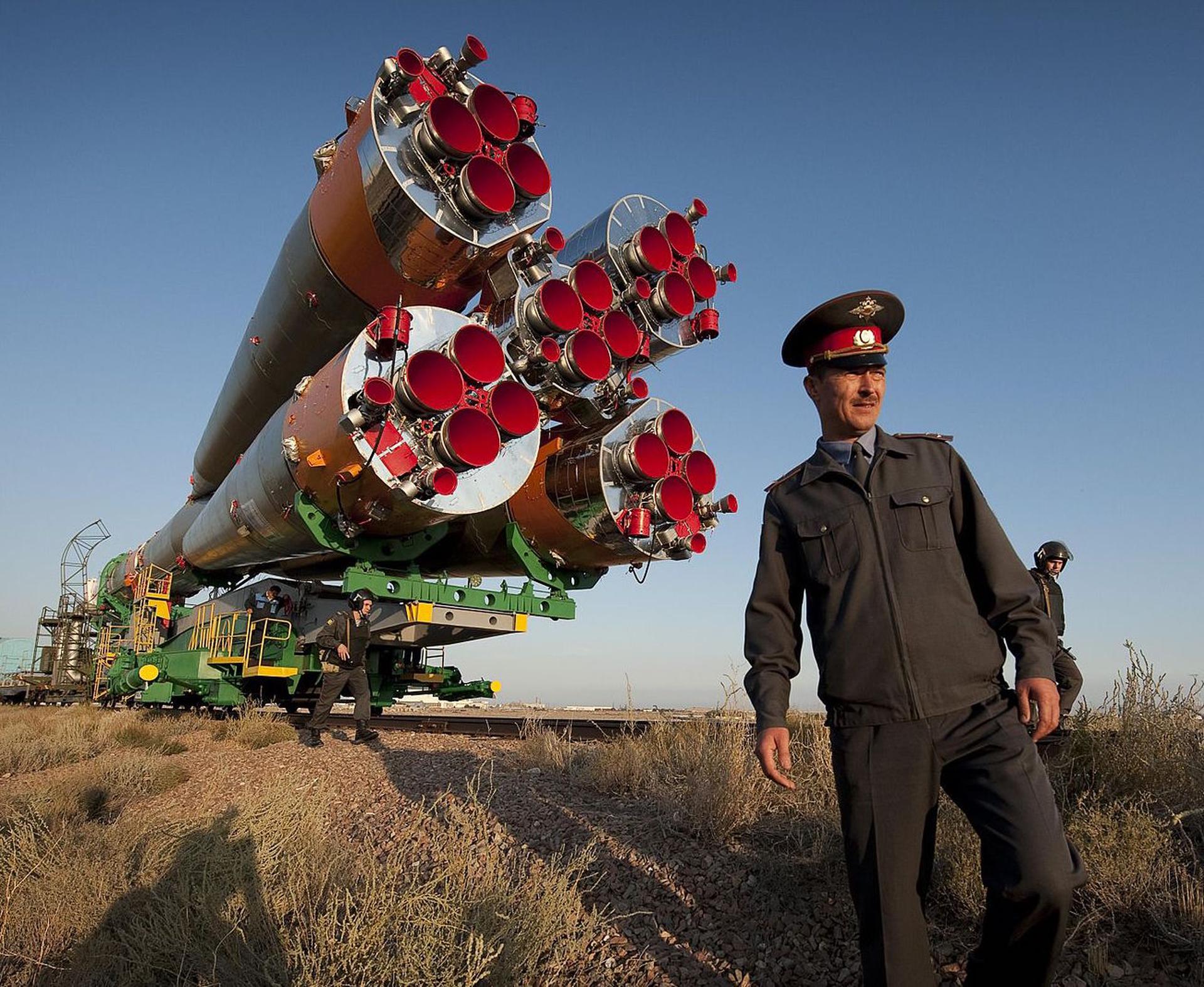
SpaceX achieves a new launch record with its Starlink mission, NASA's Perseverance rover captures eerie Martian winds, and Buzz Aldrin endorses Trump. Plus, discussions around space debris and military space tech agreements.
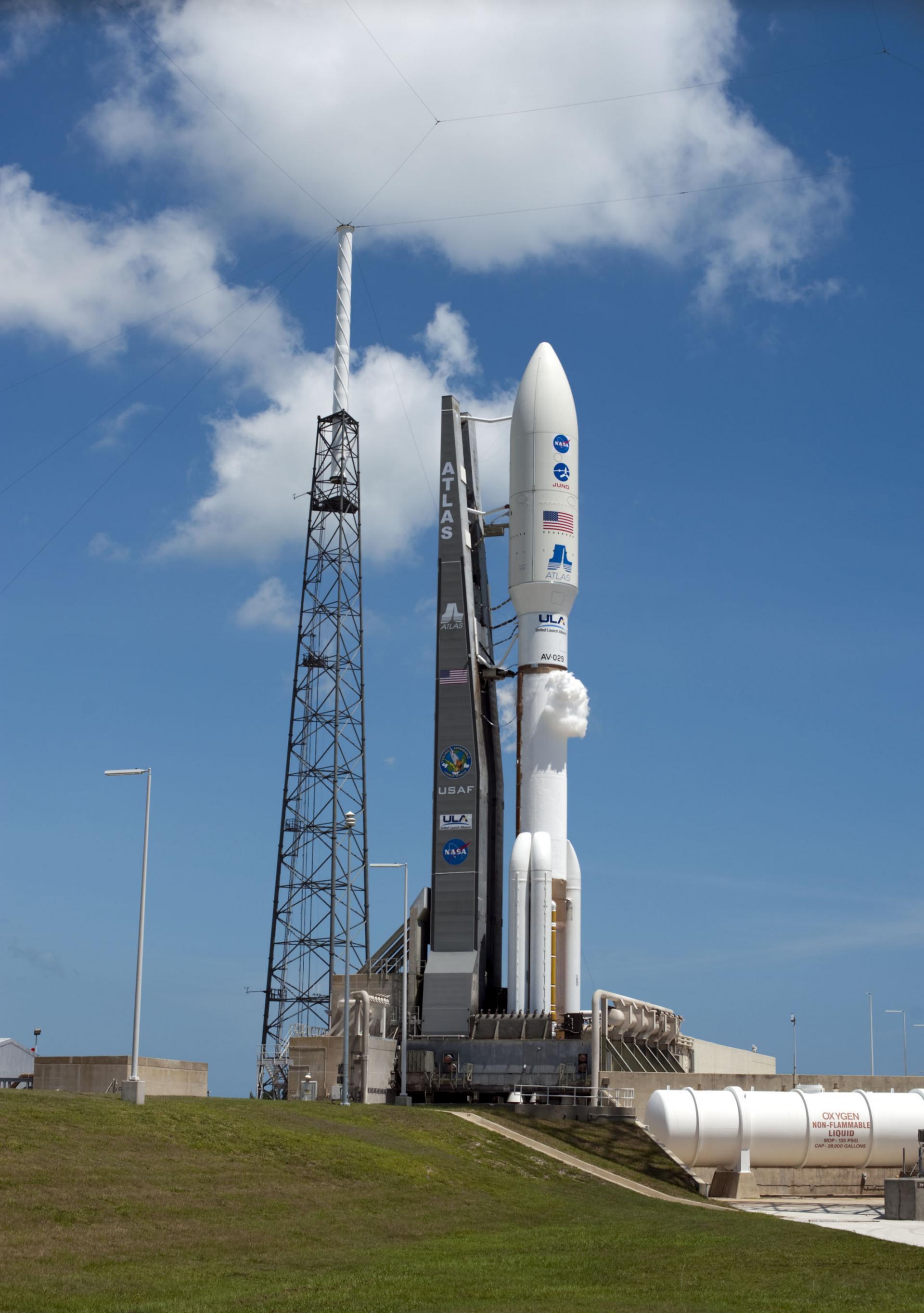
Today's coverage includes China's recent satellite launch, the Space Force's challenges with current tracking capabilities, and advancements in nuclear propulsion from Ohio State.