


The Day We First Landed on Venus
On December 15, 1970, a battered Soviet probe accomplished something no spacecraft had done before - it survived landing on another world and lived to tell about it.



Launch Date
December 2, 2021
Launch Site
Launch Pad
LC40
Launch Vehicle
NORAD ID
49776
International Designator
2021-115BE
Decay Date
4/20/2023
Name
FALCON 9 DEB
Alternative Name
Starlink deployment rail
Type
Status
Owner
SPXS
Country
United States
Constellation
N/A
Related Satellites
Major Events
N/A
Length
7
Diameter
0.02
Span
7
Dry Mass
100
Launch Mass
100
Shape
Cyl
Radar Cross Section
Unknown
Visual Magnitude
Unknown
Color
Unknown
Material Composition
Unknown
Payload
Unknown
Purpose
Unknown
Mission
Unknown
Manufacturer
SPXS
Life Expectancy
Unknown
Bus
Unknown
Configuration
Unknown
Motor
Unknown
Equipment
Unknown
Power System
Unknown
ADCS
Unknown
Transmitter Frequency
Unknown
Learn more about satellites and other related topics.
On December 15, 1970, a battered Soviet probe accomplished something no spacecraft had done before - it survived landing on another world and lived to tell about it.
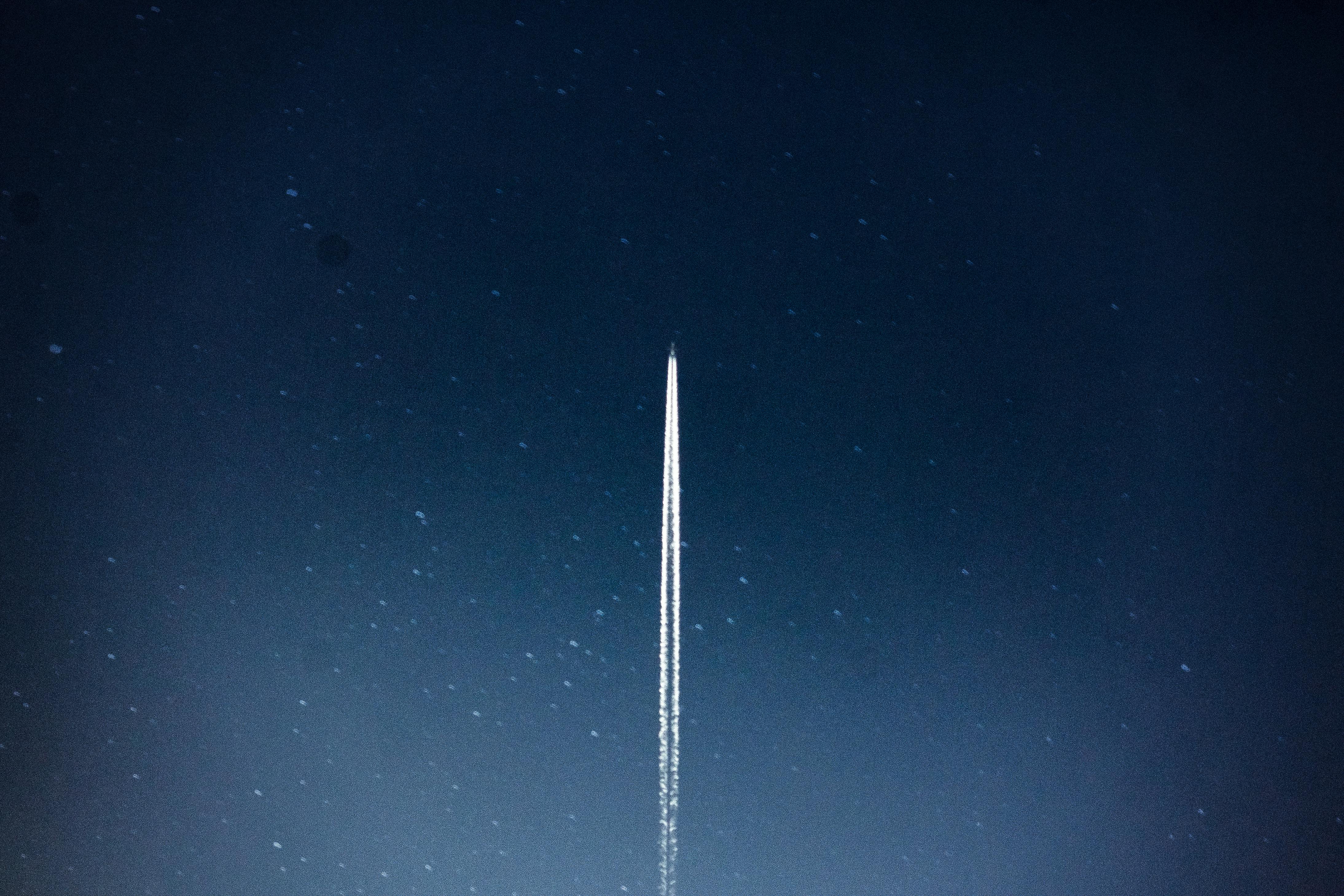
Key updates include the impending Falcon 9 launch for Transporter-14, insights on Starship's explosion, and a last-minute abort of the Starlink 10-23 mission.
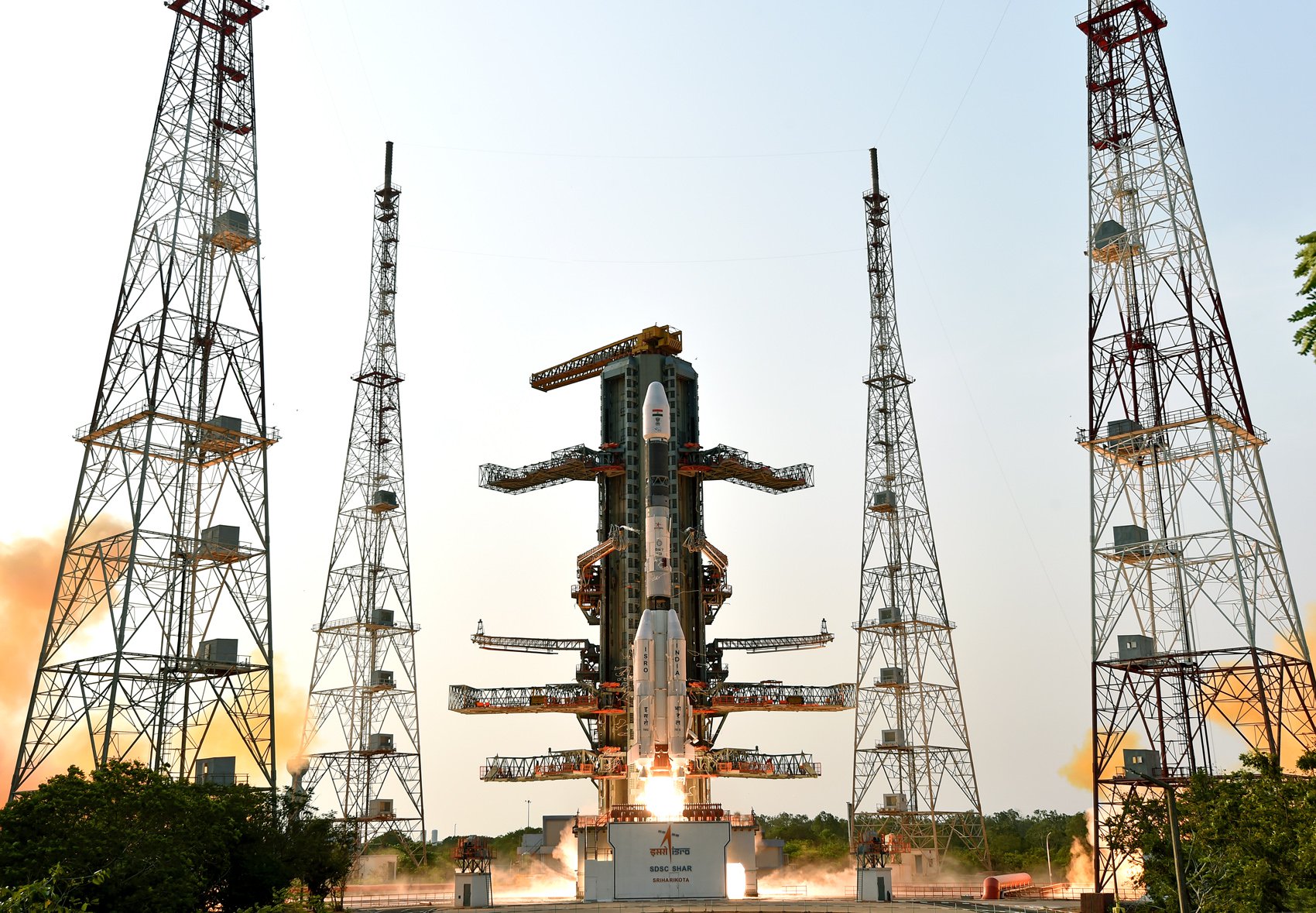
Today's highlights cover critical satellite launches including SpaceX's GPS III mission, advancements in SATCOM technology, and changes in NASA leadership.
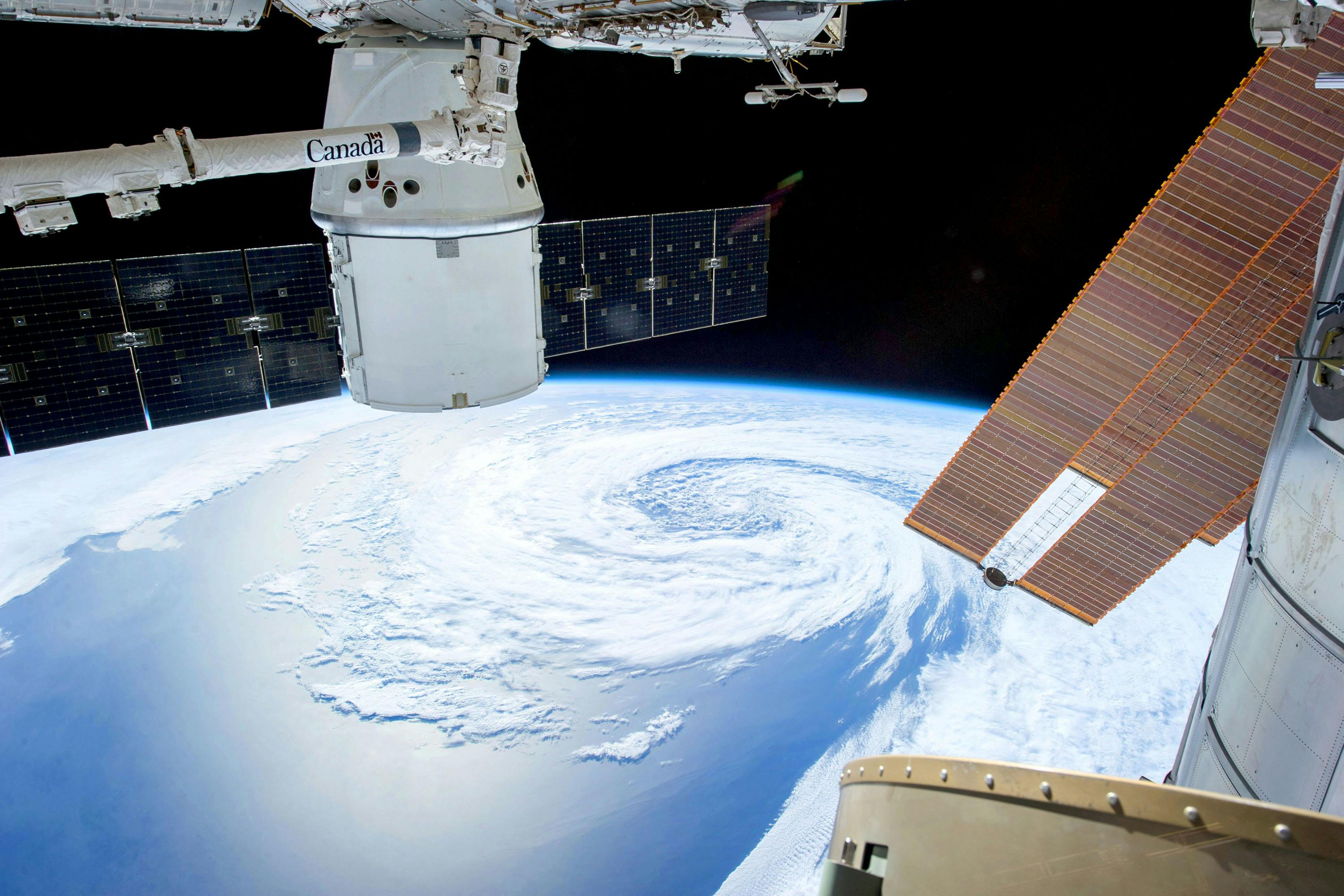
SpaceX marks another milestone and setback with Starship Flight 7, achieving a successful booster catch but losing the upper stage during ascent.
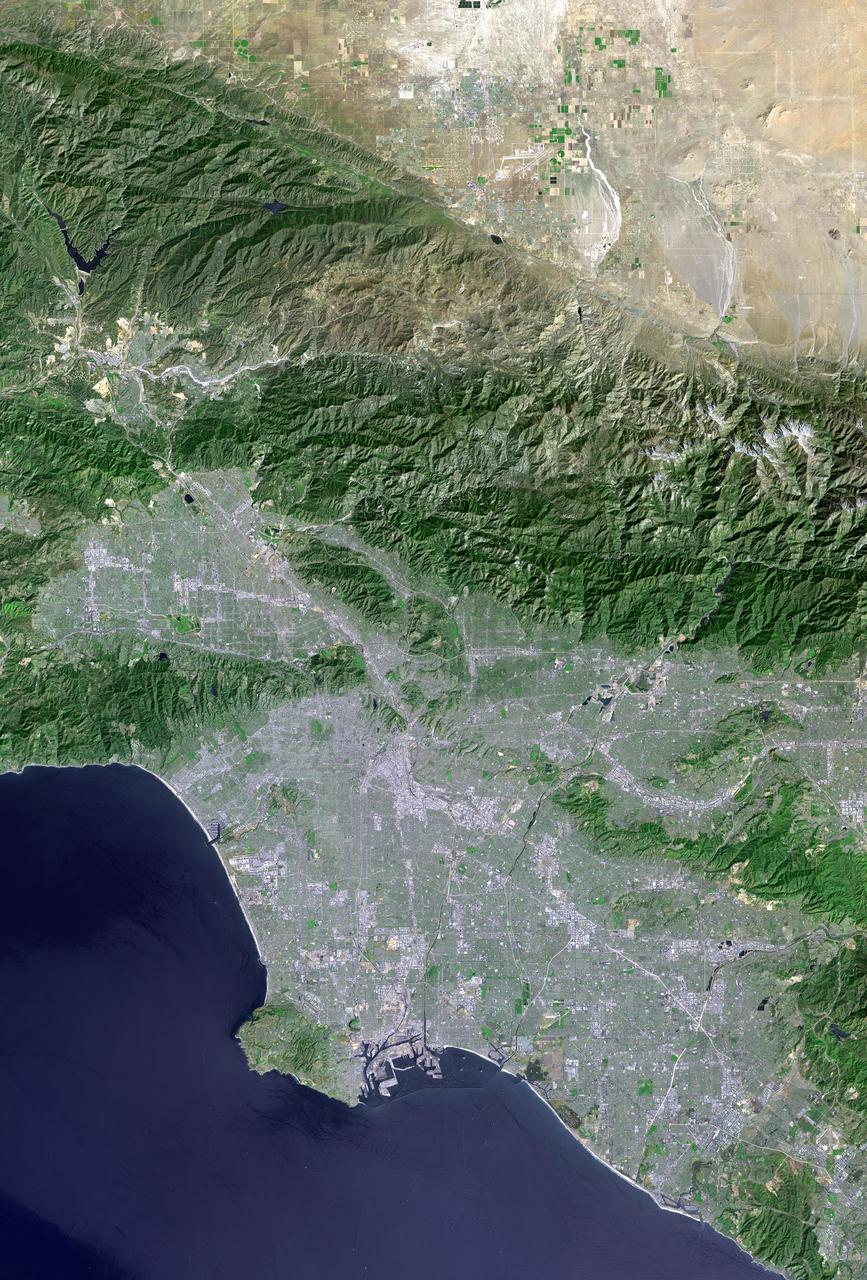
Landsat 7 launched on April 15, 1999, designed to last five years. It operated for twenty-five, survived a failure that destroyed a fifth of every image it took, and became part of the longest continuous record of Earth's surface ever assembled. Then they made the data free.

SpaceX's ongoing challenges with the Starship Flight 10 launch are prominent today, as weather and technical issues continue to push back the schedule. Meanwhile, successful cargo missions to the ISS highlight the company's ongoing commitment to space operations.
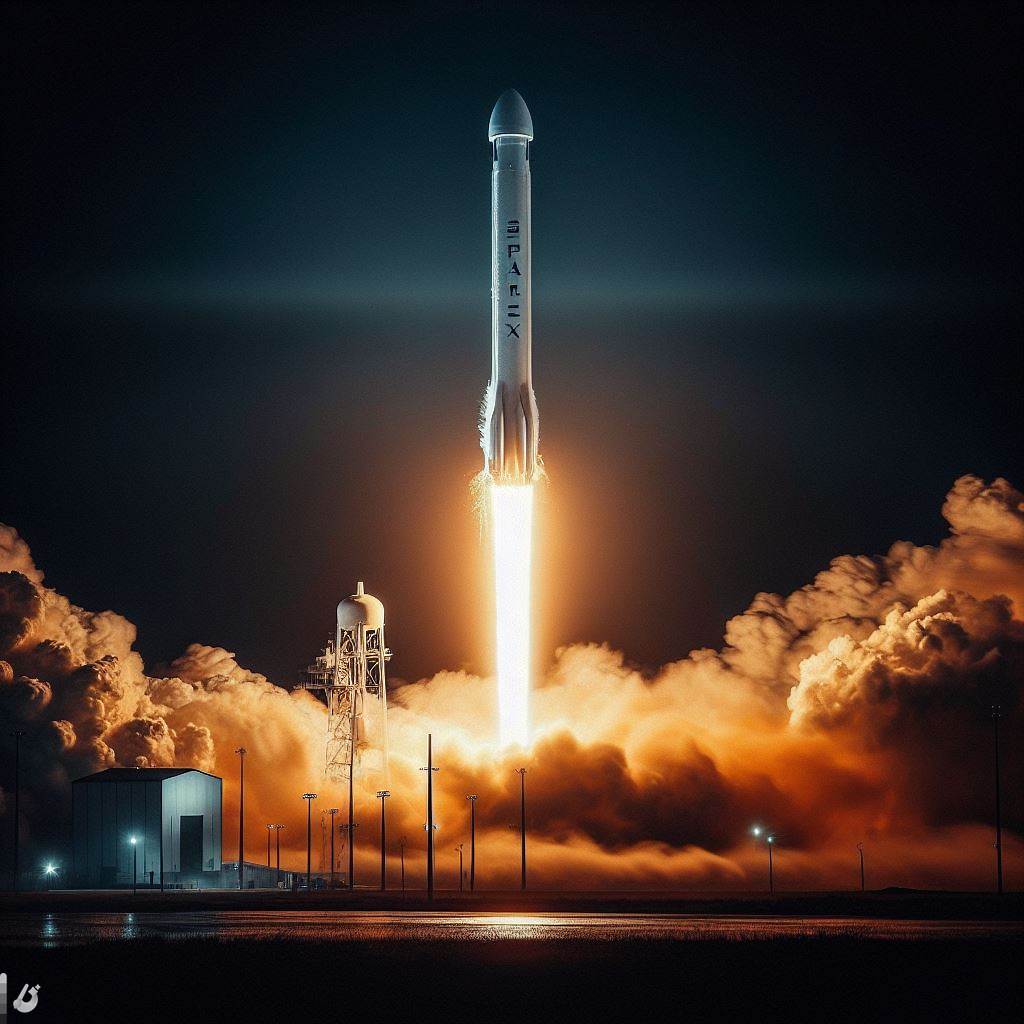
Elon Musk controls 79% of SpaceX's votes with just 42% of the equity - and the company just merged with his AI startup at a $1.25 trillion valuation. Here's who actually owns what, how the money works, and what a $1.75 trillion IPO means for investors.

Today's Space Brief highlights advances in satellite communication for defense, regulatory changes for Starlink in South Africa, SpaceX's ongoing Starlink launches, and a significant contract for a Chinese satellite constellation.