


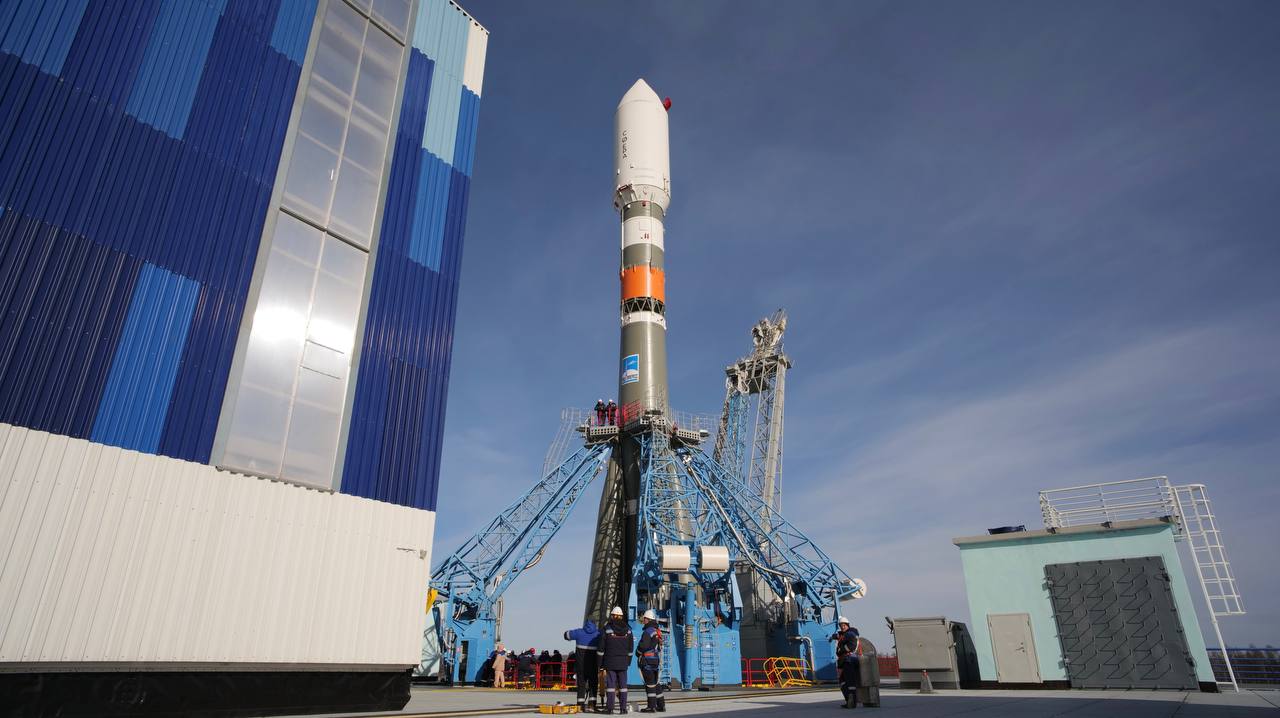
Space Brief 20 Dec 2025
Today's Space Brief focuses on multi-billion dollar contracts for missile-tracking satellites, developments in optical nuclear clock research, and innovative drone projects for military collaboration.



Launch Date
December 2, 2021
Launch Site
Launch Pad
LC40
Launch Vehicle
NORAD ID
49765
International Designator
2021-115AT
Epoch
Thu, 02 Jul 2026 20:19:22 GMT
Apogee
Calculating...
Perigee
Calculating...
Inclination
53.16°
Right Ascension
340.04°
Eccentricity
Calculating...
Argument of Perigee
99.80°
Period
94.16 min
Mean Motion
15.29 rev/day
Latitude
Calculating...
Longitude
Calculating...
Altitude
Calculating...
Velocity
Calculating...
Name
STARLINK-3227
Alternative Name
Starlink 3227
Type
Status
Owner
SPXS
Country
United States
Constellation
N/A
Related Satellites
Major Events
N/A
1 49765U 21115AT 26183.84678643 .00004486 00000-0 16763-3 0 9995
2 49765 53.1571 340.0402 0004246 99.7995 260.3485 15.29376027253091
Source: Celestrak
Length
0.2
Diameter
2.8
Span
9
Dry Mass
270
Launch Mass
290
Shape
Box + pan
Radar Cross Section
Unknown
Visual Magnitude
Unknown
Color
Unknown
Material Composition
Unknown
Payload
Starlink Group 4-3-42
Purpose
Communication
Mission
Communication
Manufacturer
SPXS
Life Expectancy
Unknown
Bus
Starlink
Configuration
Unknown
Motor
Krypton ion thrusters
Equipment
Ku/Ka-band payload, optical inter-satellite link
Power System
Solar arrays, batteries
ADCS
Unknown
Transmitter Frequency
Unknown
Learn more about satellites and other related topics.
Today's Space Brief focuses on multi-billion dollar contracts for missile-tracking satellites, developments in optical nuclear clock research, and innovative drone projects for military collaboration.

ULA's Vulcan rocket grounded, imperiling Space Force WGS-11 communications satellite and Next-Gen OPIR missile warning payload. Both missions lack backup launch options.

Experts warn falling space debris risk to aircraft is increasing. North Korea tests advanced hypersonic missiles. Space Force seeks launch providers for Cape Canaveral and Vandenberg pads.

SpaceX successfully launched the U.S. Space Force's eighth X-37B spaceplane mission while preparing for an upcoming Starship launch. Meanwhile, the company continues to expand its Starlink satellite constellation.

SpaceX gears up for a busy week with new Starship testing and enhanced Starlink capabilities on the horizon.

ULA Vulcan Centaur launches USSF-87 with two GSSAP surveillance satellites to near-GEO orbit. NRO expands commercial imaging. Integrate raises $17M for classified platform.
Today's highlights include delayed satellite launches, SpaceX's Florida Starship expansion, a historic mission by Europe's Ariane 6, and NASA's twin missions to explore the ends of the Earth and the universe.
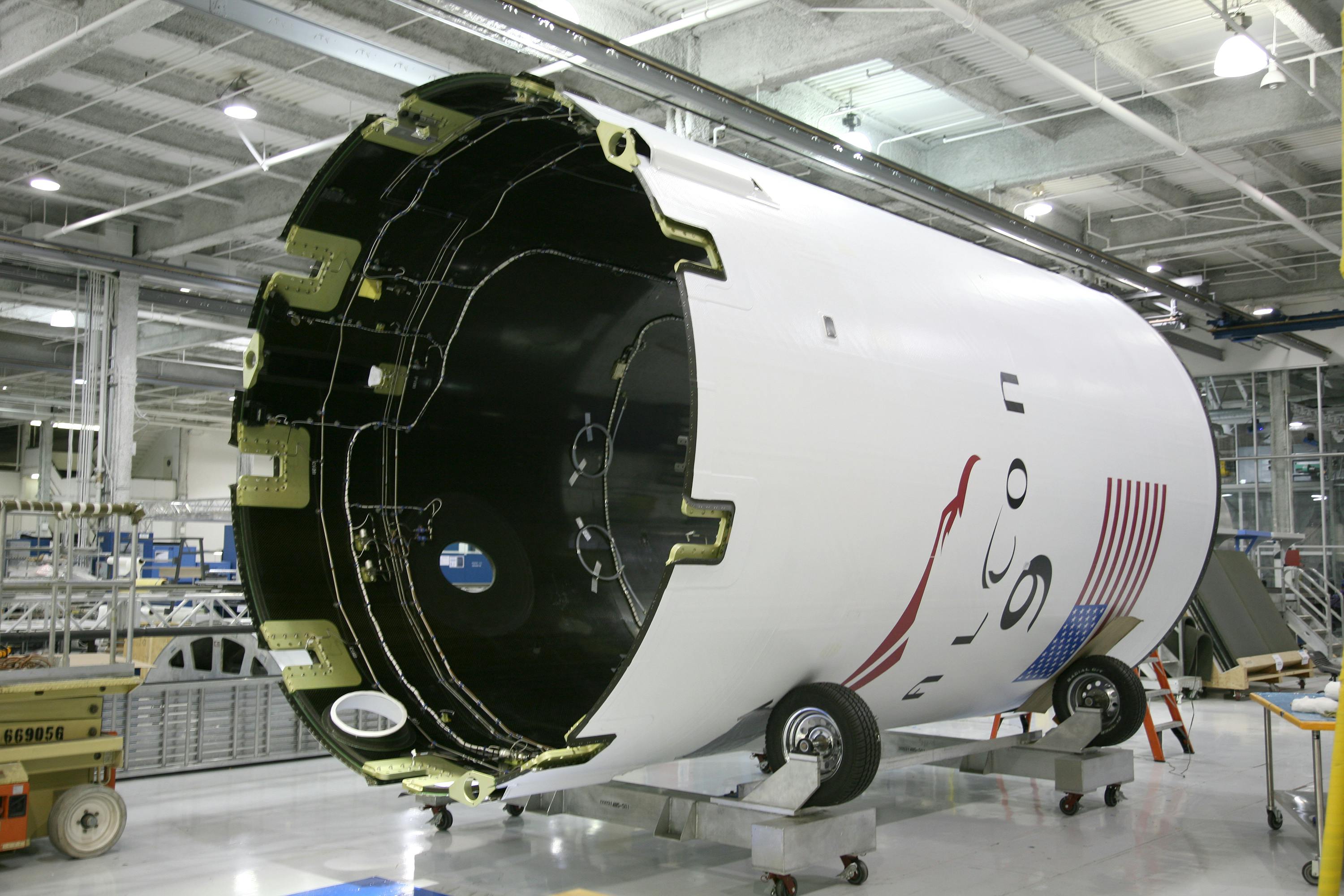
SpaceX stacks Super Heavy booster in preparation for Starship's 12th test flight. Three launches planned this week including ISRO rideshare mission. Musk shares AI and robotics predictions on podcast.