


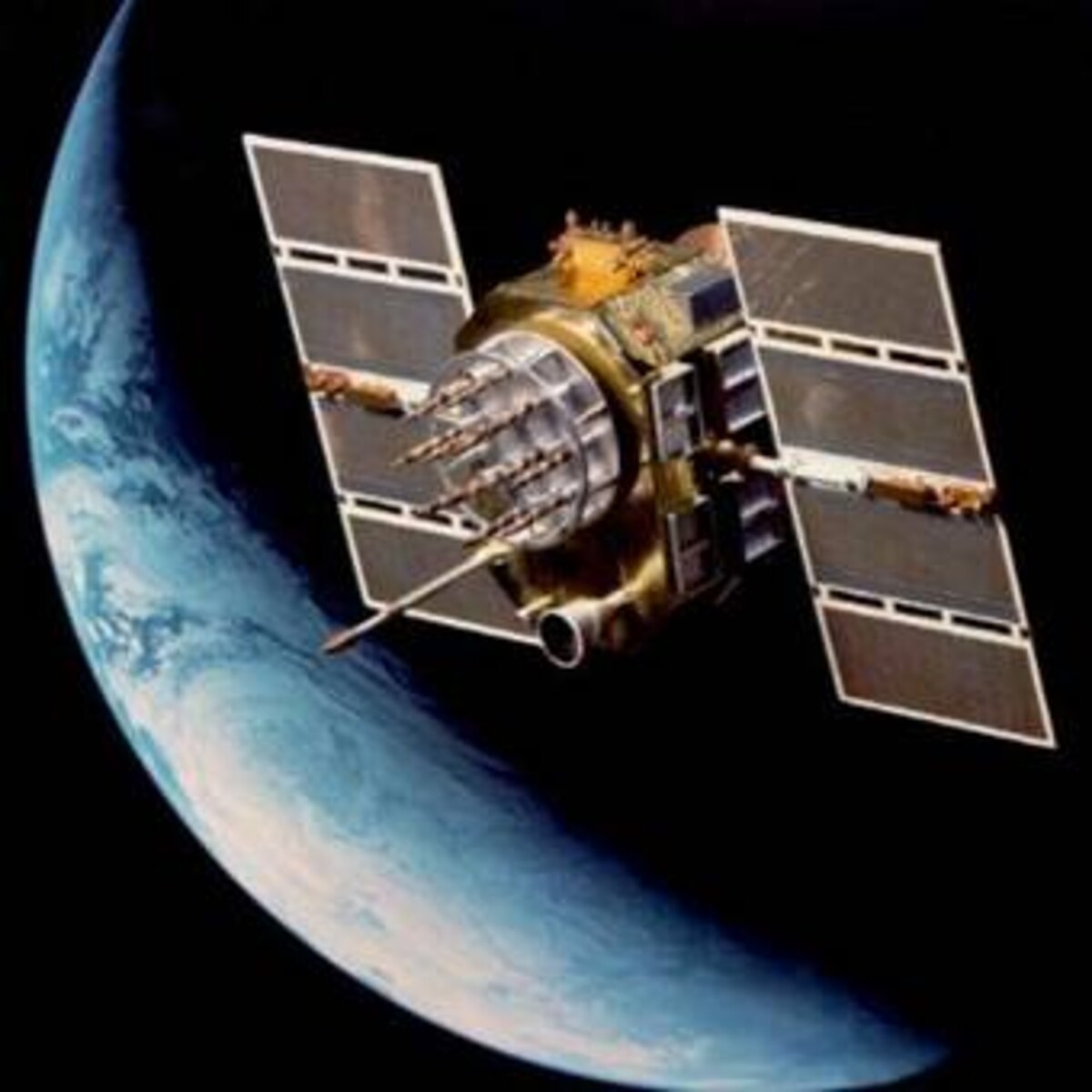
The Day That Changed How We Navigate Forever
Forty-seven years ago, an Atlas rocket carried the first GPS satellite into orbit, launching a revolution in navigation that would transform daily life across the globe



Launch Date
December 2, 2021
Launch Site
Launch Pad
LC40
Launch Vehicle
NORAD ID
49736
International Designator
2021-115N
Epoch
Sat, 04 Jul 2026 04:19:41 GMT
Apogee
Calculating...
Perigee
Calculating...
Inclination
53.16°
Right Ascension
345.86°
Eccentricity
Calculating...
Argument of Perigee
86.70°
Period
95.44 min
Mean Motion
15.09 rev/day
Latitude
Calculating...
Longitude
Calculating...
Altitude
Calculating...
Velocity
Calculating...
Name
STARLINK-3148
Alternative Name
Starlink 3148
Type
Status
Owner
SPXS
Country
United States
Constellation
N/A
Related Satellites
Major Events
N/A
1 49736U 21115N 26185.18034427 -.00003878 00000-0 -22553-3 0 9998
2 49736 53.1619 345.8634 0001449 86.7019 273.4138 15.08866743253127
Source: Celestrak
Length
0.2
Diameter
2.8
Span
9
Dry Mass
270
Launch Mass
290
Shape
Box + pan
Radar Cross Section
Unknown
Visual Magnitude
Unknown
Color
Unknown
Material Composition
Unknown
Payload
Starlink Group 4-3-13
Purpose
Communication
Mission
Communication
Manufacturer
SPXS
Life Expectancy
Unknown
Bus
Starlink
Configuration
Unknown
Motor
Krypton ion thrusters
Equipment
Ku/Ka-band payload, optical inter-satellite link
Power System
Solar arrays, batteries
ADCS
Unknown
Transmitter Frequency
Unknown
Learn more about satellites and other related topics.
Forty-seven years ago, an Atlas rocket carried the first GPS satellite into orbit, launching a revolution in navigation that would transform daily life across the globe

Record-breaking Chinese launches, SDA funding issues, and a new Starlink milestone highlight today's space news.
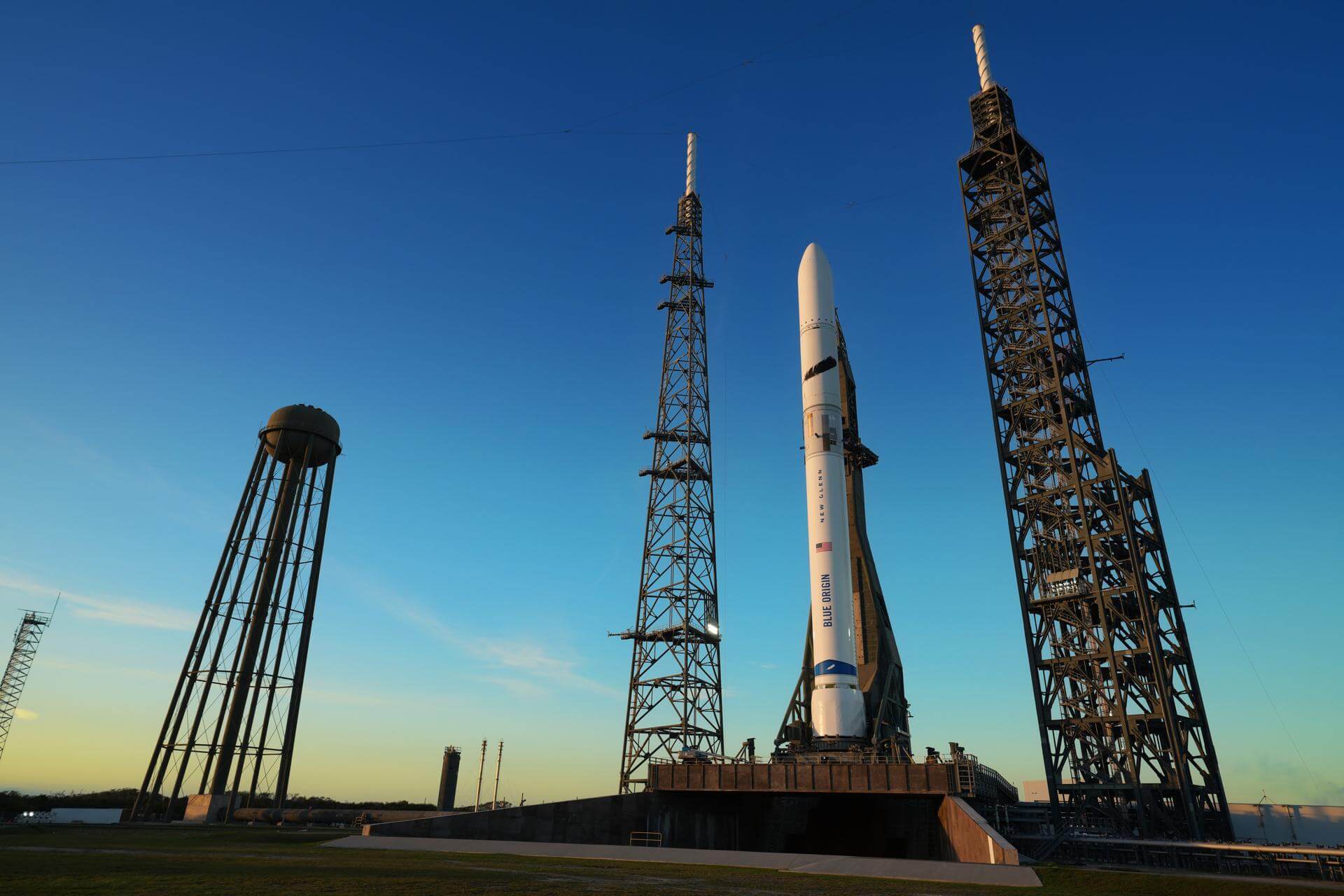
Planet Labs institutes 14-day delay on imagery covering Iran and Gulf States. Commercial remote sensing faces new operational security pressures as conflict escalates.

Artemis 2 Orion carries first humans toward the Moon in 53 years. Spacecraft in good health after trans-lunar injection; lunar flyby observation plan due April 6.
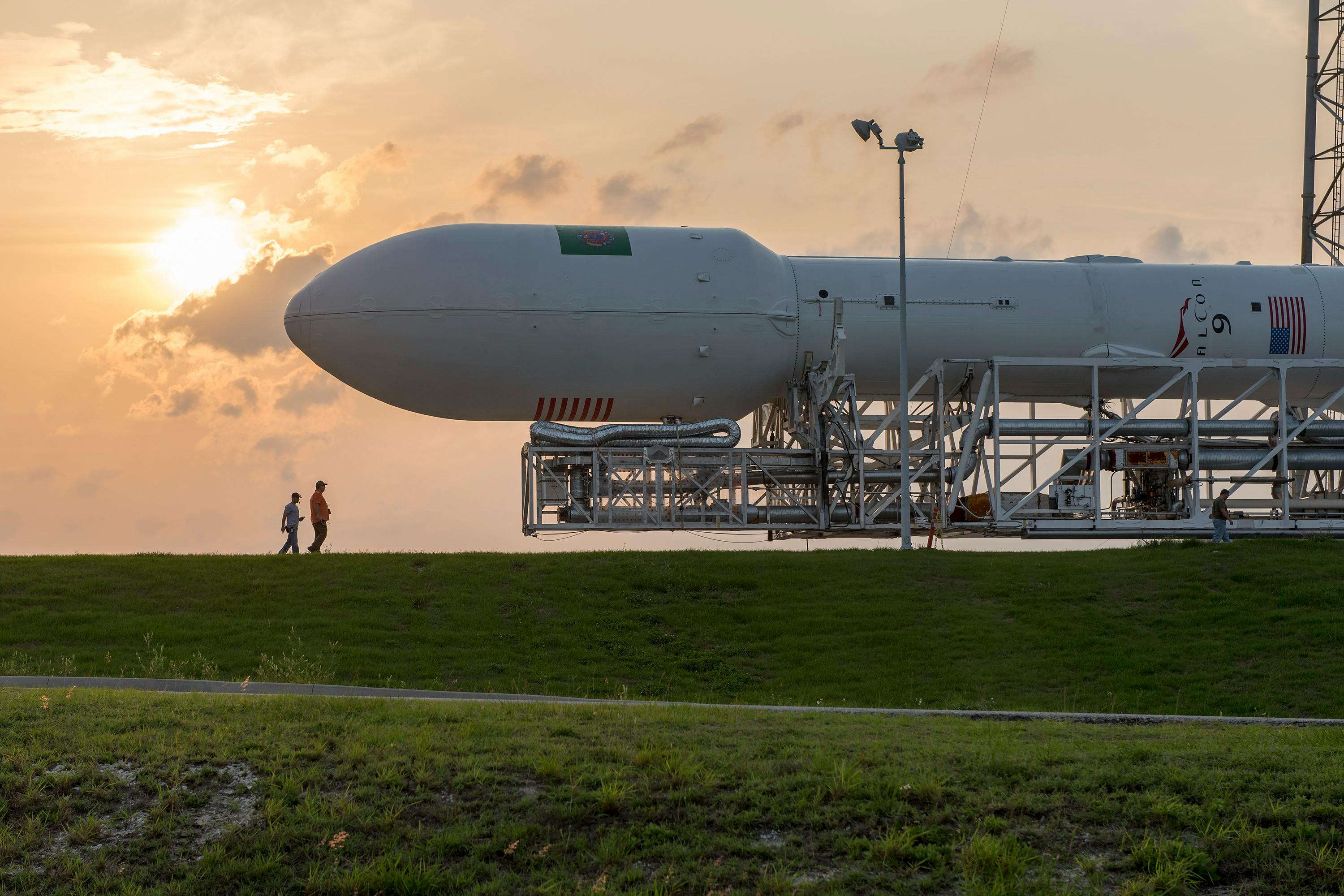
Key developments include the launch of Starshield satellites for the NRO and updates on Starlink launches and NASA access concerns involving Elon Musk's team.
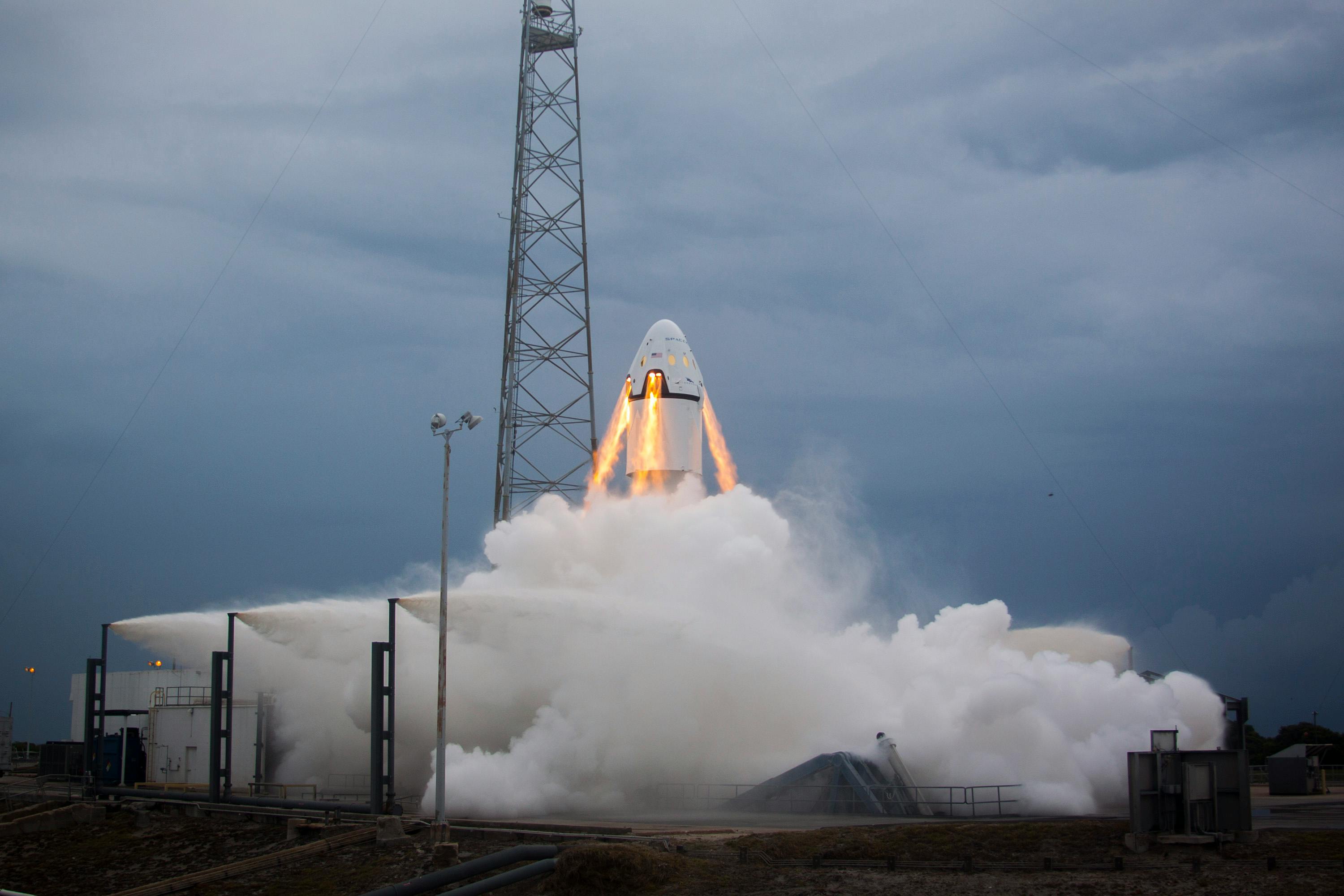
SpaceX successfully launched 28 Starlink satellites while returning to form with Starship testing at Starbase. Meanwhile, preparations for upcoming launches are underway.
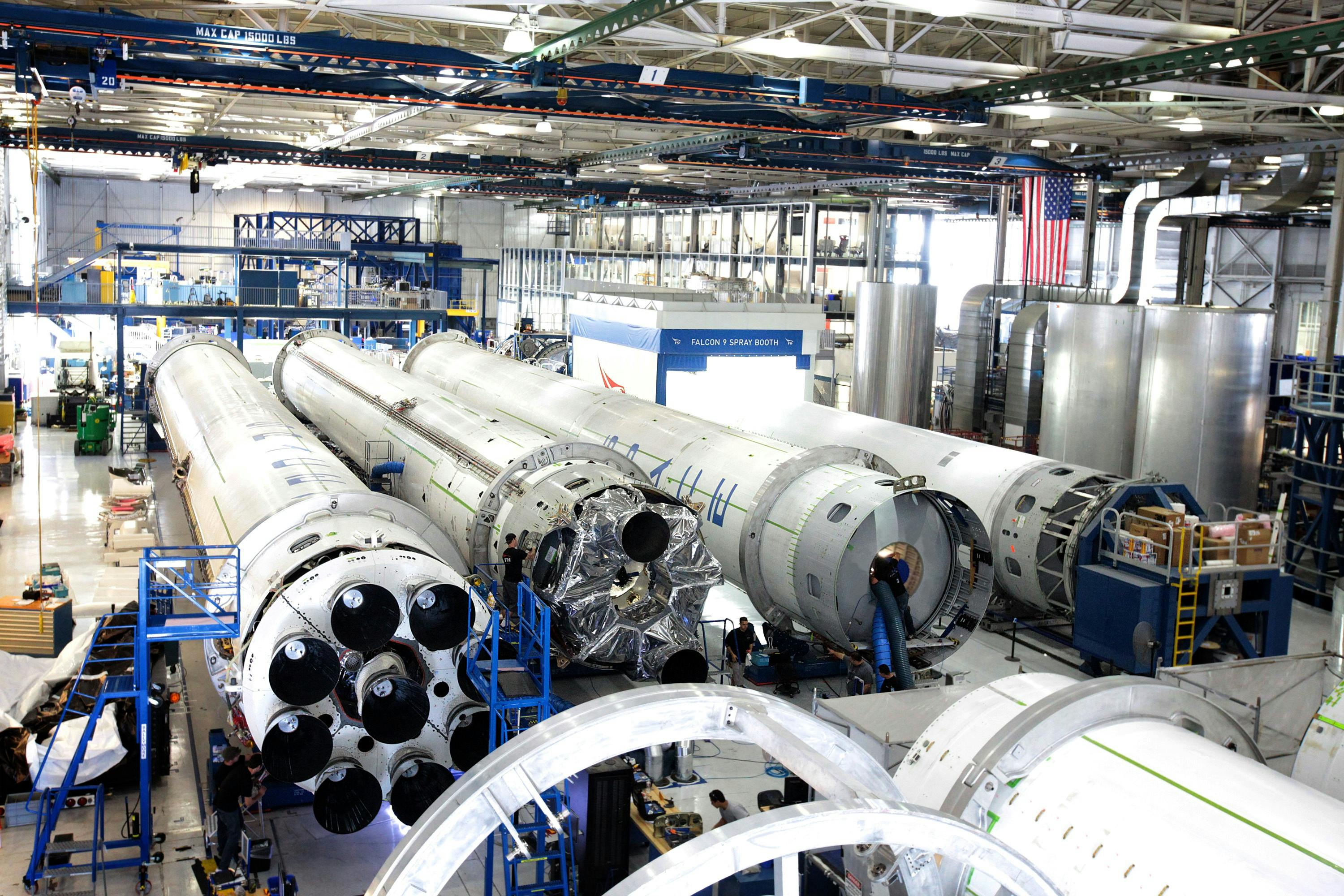
SpaceX's Falcon 9 delivered GPS III SV-10 at 0653 UTC, capping Lockheed Martin's 10-satellite series as SpaceX eyes a $60B AI coding acquisition pre-IPO.

Starbase expansion progresses and Germany eyes its own satellite constellation.