


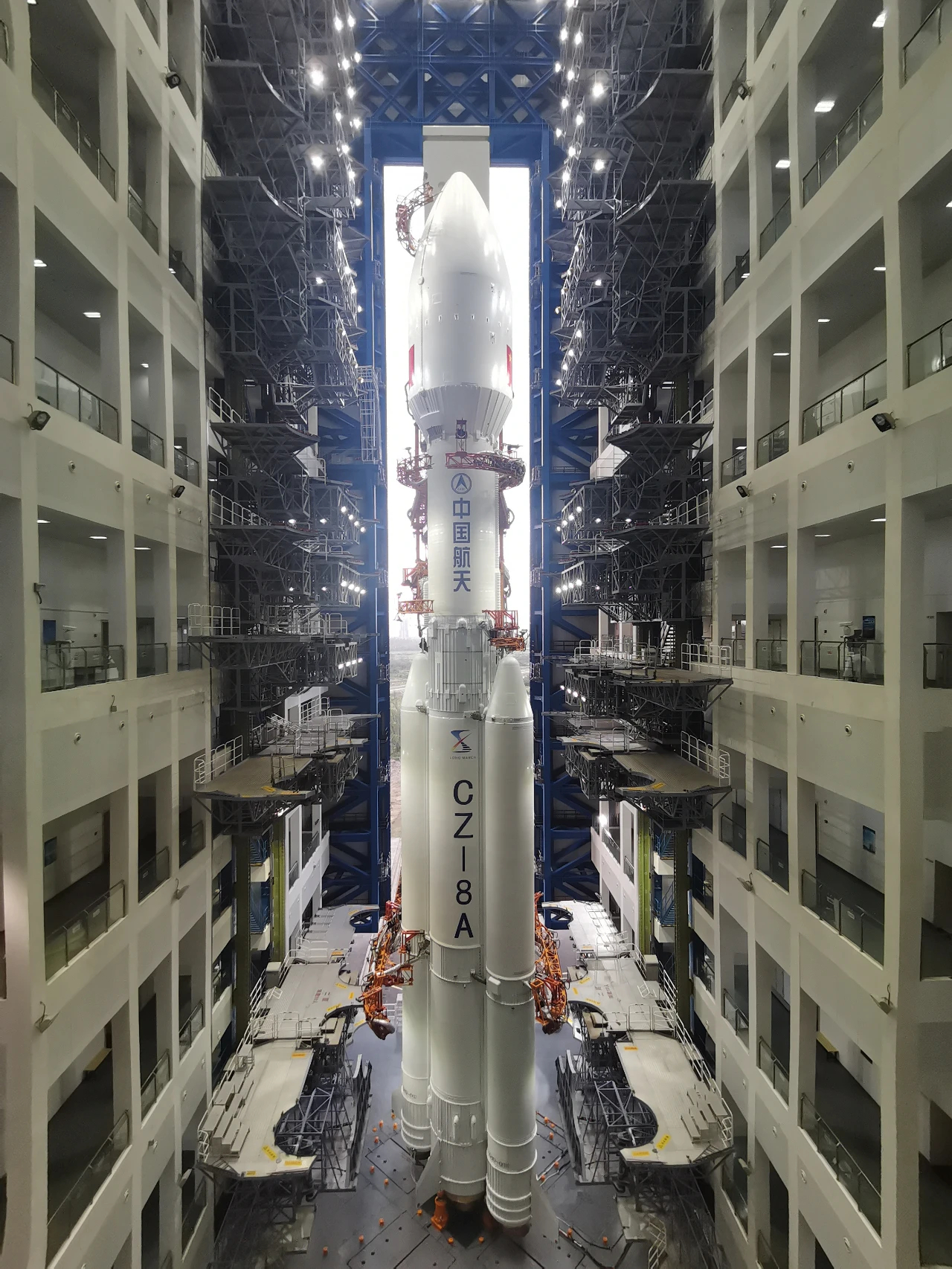
Space Brief 19 Aug 2025
Today's briefing covers Rocket Lab's strategic acquisition, Space Dynamics Lab's new collaboration with the Space Force, and shifts within the Pentagon's AI division.



Launch Date
December 2, 2021
Launch Site
Launch Pad
LC40
Launch Vehicle
NORAD ID
49729
International Designator
2021-115F
Epoch
Sat, 04 Jul 2026 08:00:03 GMT
Apogee
Calculating...
Perigee
Calculating...
Inclination
53.16°
Right Ascension
355.06°
Eccentricity
Calculating...
Argument of Perigee
98.53°
Period
95.00 min
Mean Motion
15.16 rev/day
Latitude
Calculating...
Longitude
Calculating...
Altitude
Calculating...
Velocity
Calculating...
Name
STARLINK-3251
Alternative Name
Starlink 3251
Type
Status
Owner
SPXS
Country
United States
Constellation
N/A
Related Satellites
Major Events
N/A
1 49729U 21115F 26185.33336806 .01267431 00000-0 60595-1 0 9995
2 49729 53.1591 355.0604 0000545 98.5291 277.4140 15.15827688 5762
Source: Celestrak
Length
0.2
Diameter
2.8
Span
9
Dry Mass
270
Launch Mass
290
Shape
Box + pan
Radar Cross Section
Unknown
Visual Magnitude
Unknown
Color
Unknown
Material Composition
Unknown
Payload
Starlink Group 4-3-6
Purpose
Communication
Mission
Communication
Manufacturer
SPXS
Life Expectancy
Unknown
Bus
Starlink
Configuration
Unknown
Motor
Krypton ion thrusters
Equipment
Ku/Ka-band payload, optical inter-satellite link
Power System
Solar arrays, batteries
ADCS
Unknown
Transmitter Frequency
Unknown
Learn more about satellites and other related topics.
Today's briefing covers Rocket Lab's strategic acquisition, Space Dynamics Lab's new collaboration with the Space Force, and shifts within the Pentagon's AI division.

Today's Space Brief covers reentries, the impact of NOAA dismissals on space weather tracking, a strategic academic partnership probing cosmic mysteries, and a newly unveiled space motto.

SpaceX awarded $739M for nine national security missions. FCC approves 7,500 additional Starlink satellites. NASA announces early Crew-11 return from ISS due to medical issue.

NASA is adding 6 post-certification crew missions to SpaceX's contract as Boeing remains unable to certify Starliner for operational flights.
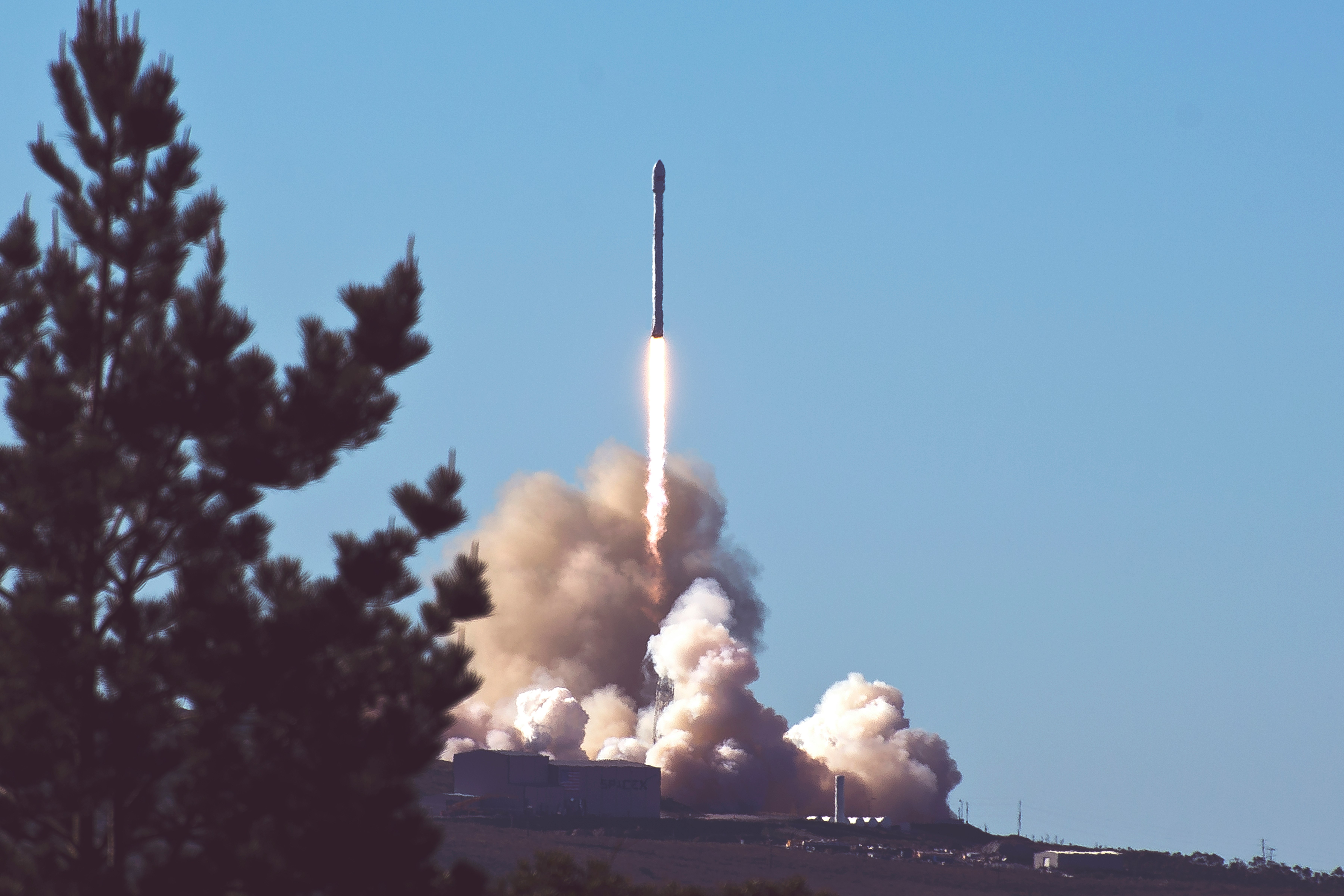
SpaceX launches Starlink satellites successfully, while Starbase inches closer to city status and business discussions intensify.

SpaceX targets a $75B IPO valuing the company at $1.75T, as 50+ new Starlink satellites reach orbit via dual coast launches.

Today's briefing covers China's announcement of the Beidou system upgrade, launch updates for Vega C, challenges to global GPS reliability, and delays in the VERITAS Venus mission.
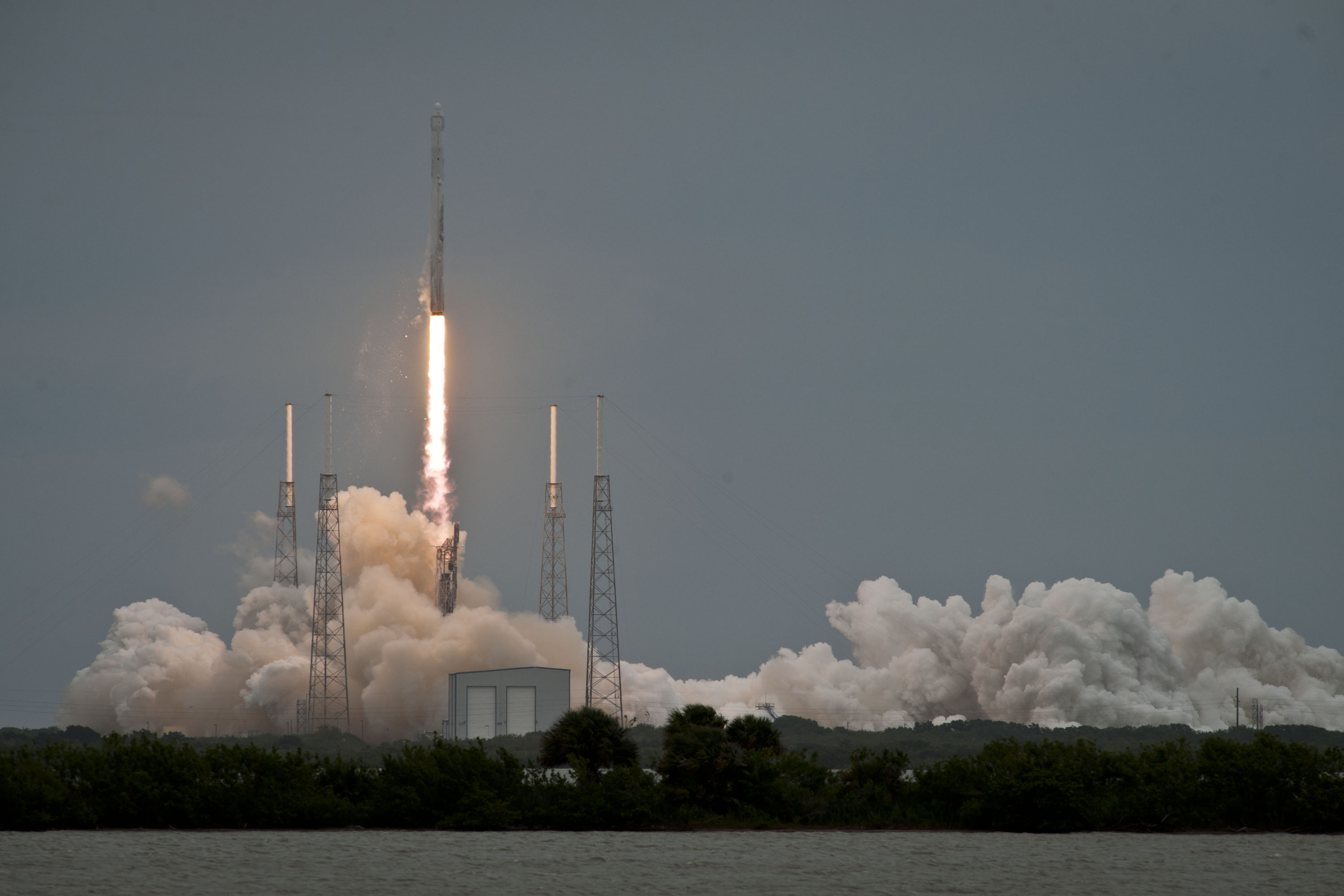
On April 18, 2014, a Falcon 9 first stage did something no orbital rocket had ever done before. It fired its engines on the way down, steered itself through the atmosphere using grid fins that did not yet exist, and touched the Atlantic Ocean softly enough to survive the impact. Nobody recovered it. The data was the whole point.