


Space Brief 28 Aug 2025
Today's briefing covers collaborations enhancing defense capabilities, new satellite technologies entering the market, and strategic shifts in military satellite applications.



Launch Date
September 16, 1982
Launch Site
PLMSC
Launch Pad
LC32/2
Launch Vehicle
Tsiklon-3
NORAD ID
49718
International Designator
1982-092HP
Decay Date
12/18/2021
Name
COSMOS 1408 DEB
Alternative Name
deb Kosmos-1408
Type
Status
Owner
ROSK
Country
USSR
Constellation
N/A
Related Satellites
Major Events
N/A
Length
0
Diameter
0
Span
0
Dry Mass
0
Launch Mass
0
Shape
N/A
Radar Cross Section
Unknown
Visual Magnitude
Unknown
Color
Unknown
Material Composition
Unknown
Payload
Unknown
Purpose
Unknown
Mission
Unknown
Manufacturer
YUZHUA
Life Expectancy
Unknown
Bus
Unknown
Configuration
Unknown
Motor
Unknown
Equipment
Unknown
Power System
Unknown
ADCS
Unknown
Transmitter Frequency
Unknown
Learn more about satellites and other related topics.
Today's briefing covers collaborations enhancing defense capabilities, new satellite technologies entering the market, and strategic shifts in military satellite applications.
CBO estimates Golden Dome national missile shield at $1.2 trillion over 20 years. Space-based intercept layer could add thousands of satellites to tracked orbital regimes.
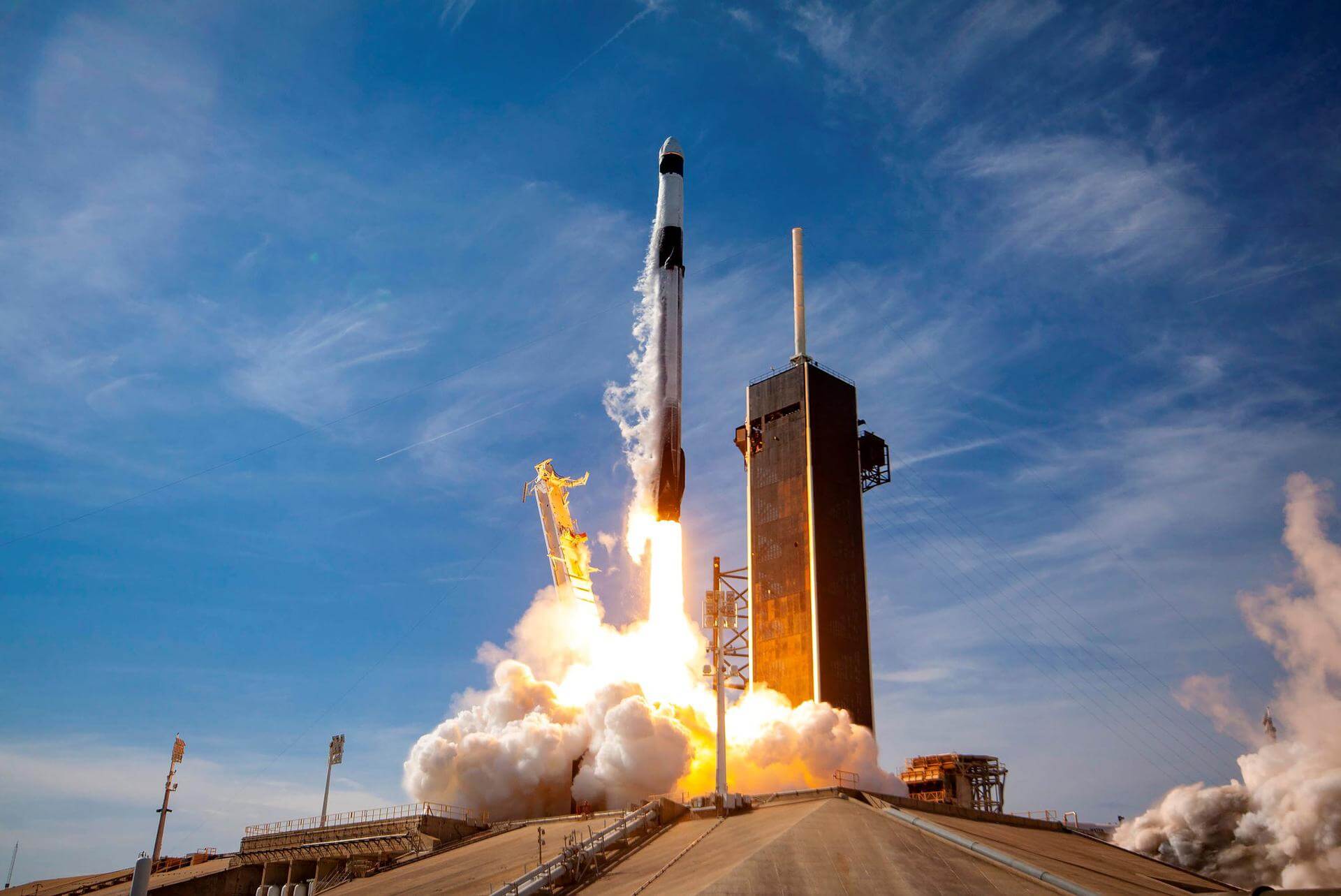
Virgin Media O2 launches Europe's first Starlink direct-to-smartphone service in the UK. SpaceX launches 29 more Starlink satellites. Dragon cargo capsule returns after 6-month ISS mission.

ULA's Vulcan remains grounded after February in-flight GEM 63XL booster anomaly. Northrop Grumman completed successful static fire test, but investigation ongoing with no return-to-flight date.

SpaceX launches its first crewed mission over Earth's poles and FAA concludes investigation into the Starship Flight 7 incident.

SpaceX successfully launched the SXM-10 satellite for SiriusXM and prepares for the Ax-4 mission to the ISS amid political tensions involving Elon Musk and President Trump.

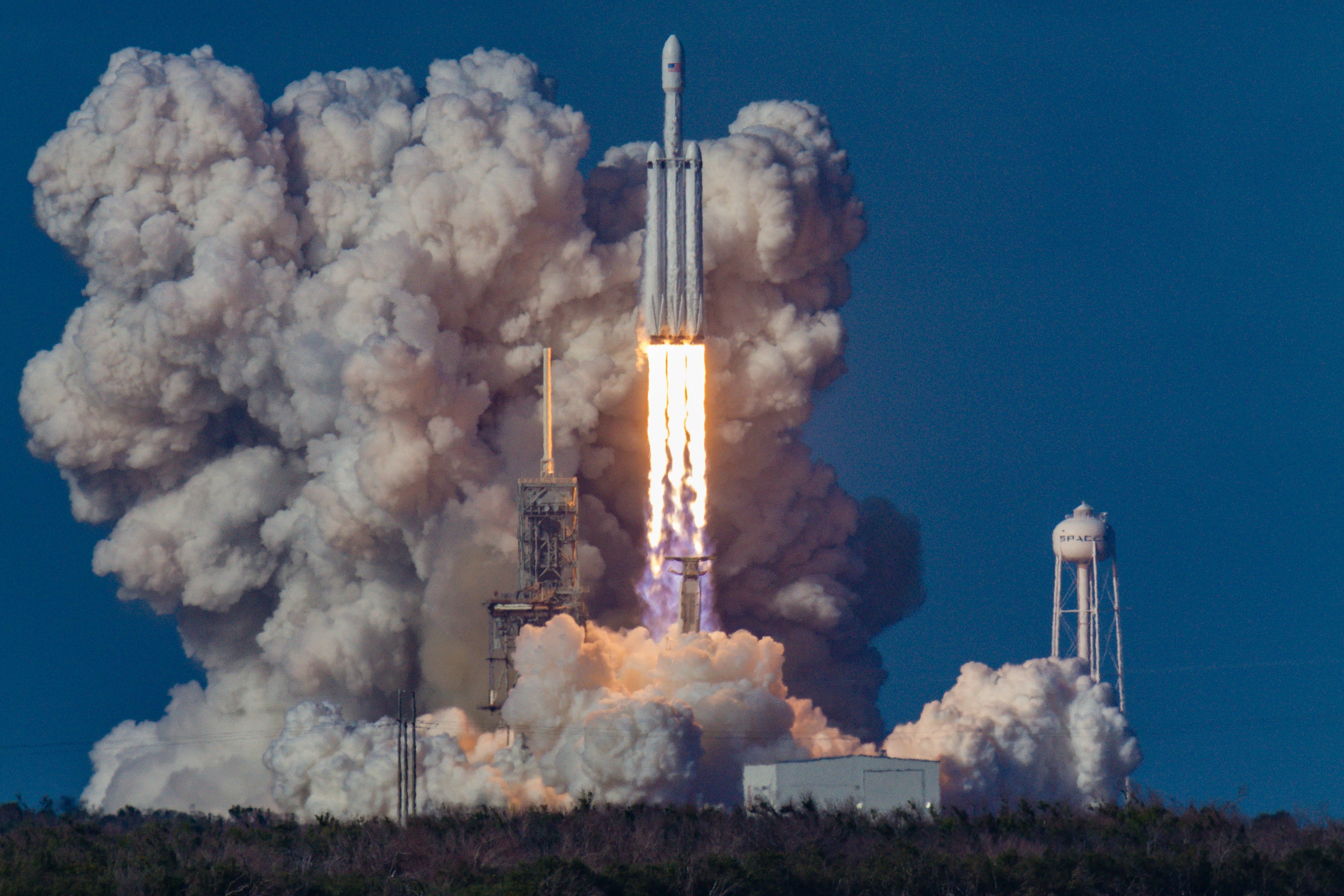
SpaceX readies Starship Flight 13 for July 16 launch to deploy first Starlink V3 satellites as Falcon 9 logs its 600th booster reuse.
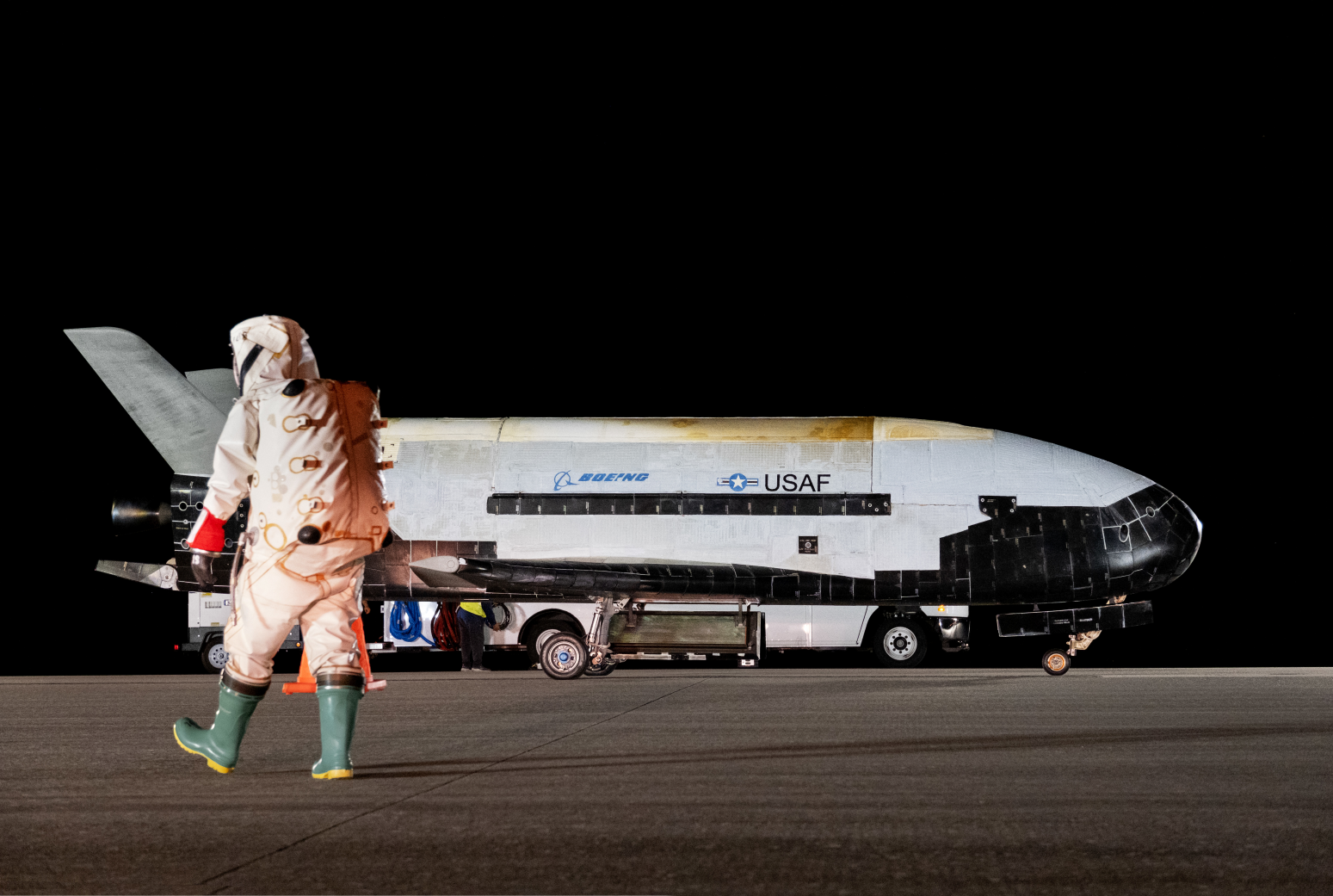
On April 22, 2010, an Atlas V lifted off from Cape Canaveral carrying a reusable robotic spaceplane so secret that the Air Force would not even confirm its mission duration. It came back 224 days later, lighter, quieter, and more operational than anyone outside Washington had expected. Fifteen years later, the X-37B is still flying, and the military still will not say what it does.