

X Report 7 May 2025
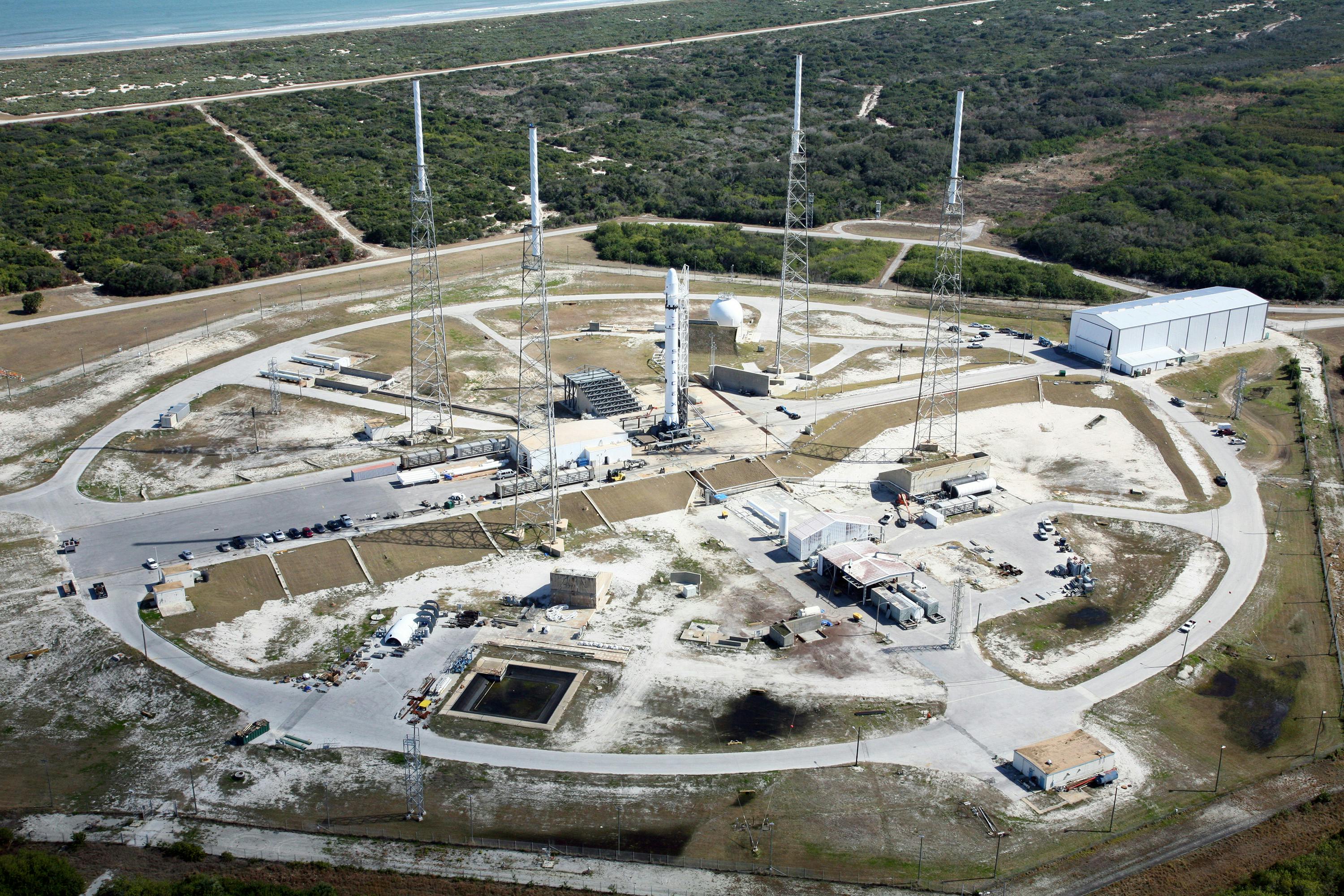
SpaceX achieves significant milestones with a successful Falcon 9 launch carrying 28 Starlink satellites and receives FAA approval for increased Starship launches, amidst challenges posed by India's new satellite regulations.


Launch Date
September 16, 1982
Launch Site
PLMSC
Launch Pad
LC32/2
Launch Vehicle
Tsiklon-3
NORAD ID
49607
International Designator
1982-092CY
Decay Date
9/25/2023
Name
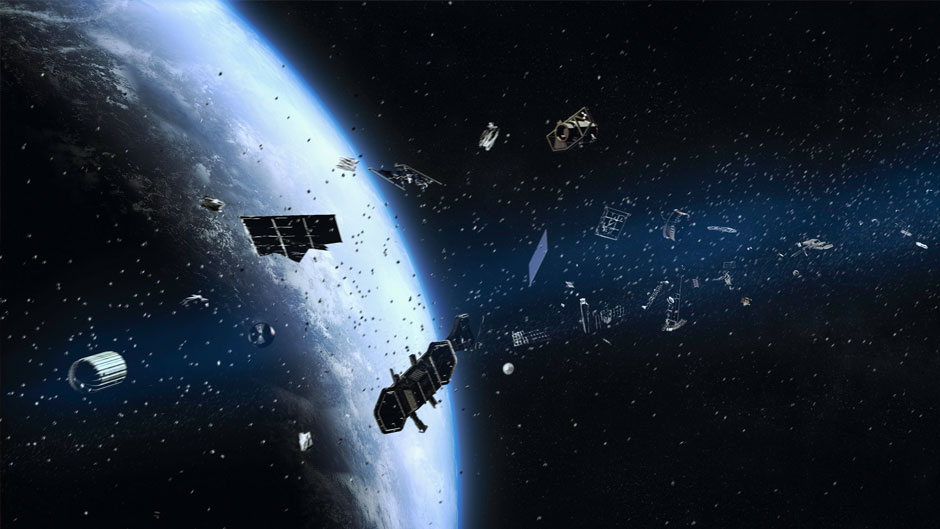
COSMOS 1408 DEB
Alternative Name
deb Kosmos-1408
Type
Status
Owner
ROSK
Country
USSR
Constellation
N/A
Related Satellites
Major Events
N/A
Length
0
Diameter
0
Span
0
Dry Mass
0
Launch Mass
0
Shape
N/A
Radar Cross Section
Unknown
Visual Magnitude
Unknown
Color
Unknown
Material Composition
Unknown
Payload
Unknown
Purpose
Unknown
Mission
Unknown
Manufacturer
YUZHUA
Life Expectancy
Unknown
Bus
Unknown
Configuration
Unknown
Motor
Unknown
Equipment
Unknown
Power System
Unknown
ADCS
Unknown
Transmitter Frequency
Unknown
Learn more about satellites and other related topics.
SpaceX achieves significant milestones with a successful Falcon 9 launch carrying 28 Starlink satellites and receives FAA approval for increased Starship launches, amidst challenges posed by India's new satellite regulations.

Blue Origin's New Glenn successfully reused its first stage booster for the first time on Mission 3, launching April 19. Booster reuse accelerates operational tempo.
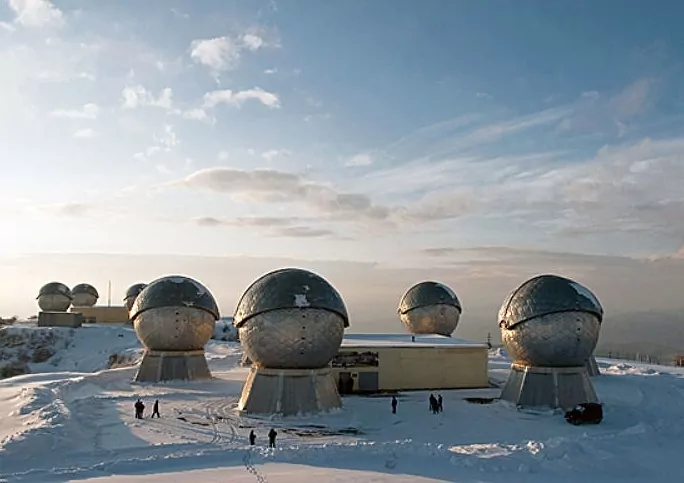
An analysis of Russia's independent space tracking system and how it compares to the established U.S. Space Surveillance Network
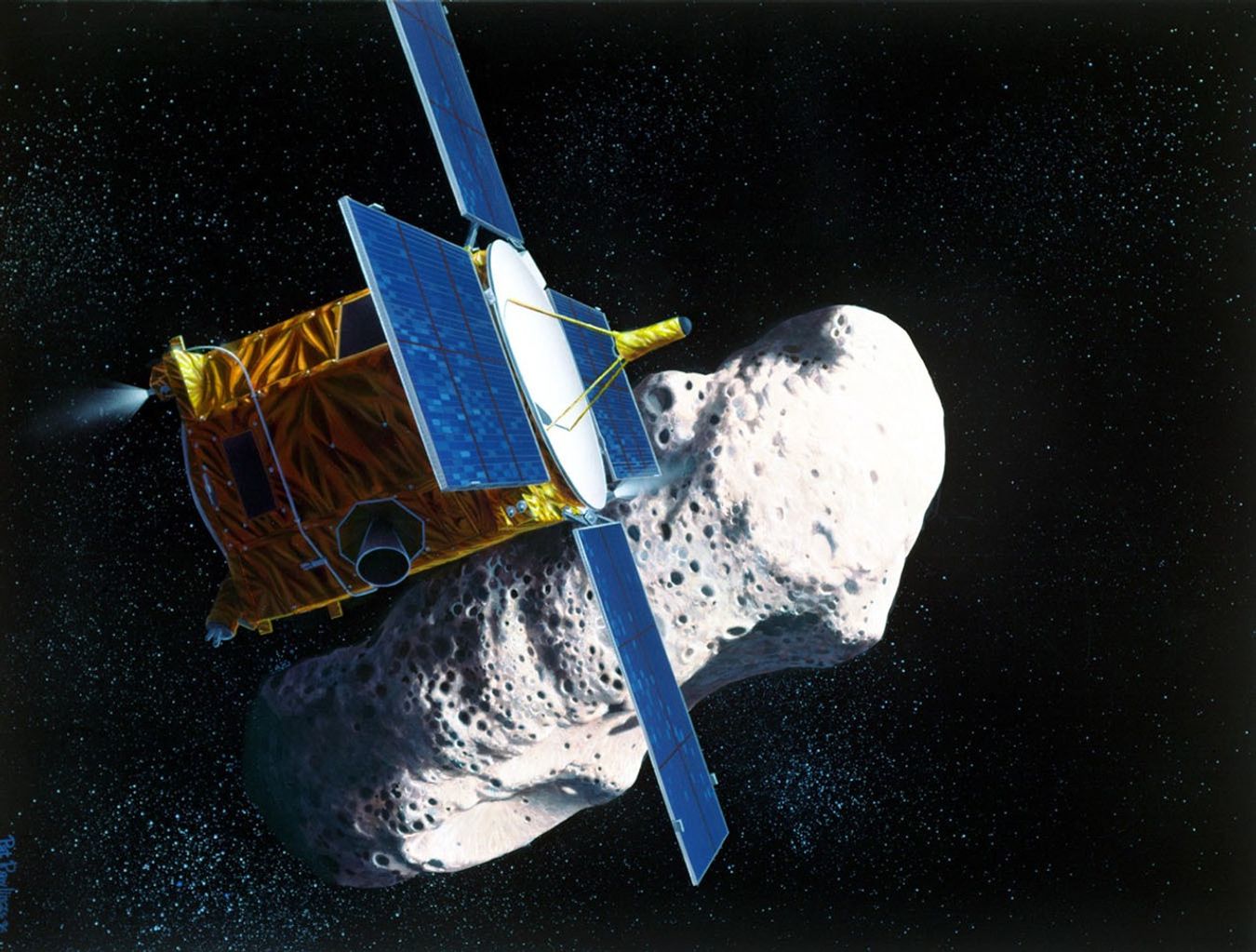
Twenty-four years ago, a spacecraft designed only to orbit made history with an improvised landing on asteroid Eros, marking humanitys first controlled touchdown on a small celestial body
This article delves into SpaceX's incredible journey from its inception to becoming a space industry leader, and its Starlink project's mission to provide global internet access.
Starlink shifts to monthly hardware rental fees while SpaceX preps Booster 20 for Flight 13 — 10,558 satellites now operational worldwide.
Today's brief covers key topics such as SpaceX's latest Starlink launch, the European Space Agency's new initiatives, and Space Force's integration of AI into its operations.
Keck Foundation team proposes first-ever graviton detector concept. Space Force shelves Resilient GPS program. China advances Long March 12B reusable rocket with static fire test at Jiuquan.