


X Report 27 Oct 2025
SpaceX achieves a significant milestone with over 10,000 satellites launched, the West Coast welcomes Falcon Heavy launches, and developments around Artemis 3 prompt competitive discourse.



Launch Date
November 13, 2021
Launch Site
Launch Pad
LC40
Launch Vehicle
NORAD ID
49448
International Designator
2021-104AS
Decay Date
5/4/2024
Name
STARLINK-3097
Alternative Name
Starlink 3097
Type
Status
Owner
SPXS
Country
United States
Constellation
N/A
Related Satellites
Major Events
N/A
Length
0.2
Diameter
2.8
Span
9
Dry Mass
270
Launch Mass
290
Shape
Box + pan
Radar Cross Section
Unknown
Visual Magnitude
Unknown
Color
Unknown
Material Composition
Unknown
Payload
Starlink Group 4-1-41
Purpose
Communication
Mission
Communication
Manufacturer
SPXS
Life Expectancy
Unknown
Bus
Starlink
Configuration
Unknown
Motor
Krypton ion thrusters
Equipment
Ku/Ka-band payload, optical inter-satellite link
Power System
Solar arrays, batteries
ADCS
Unknown
Transmitter Frequency
Unknown
Learn more about satellites and other related topics.
SpaceX achieves a significant milestone with over 10,000 satellites launched, the West Coast welcomes Falcon Heavy launches, and developments around Artemis 3 prompt competitive discourse.

Today's Space Brief highlights major developments in satellite launches, regulatory milestones for spectrum sales, and the evolving landscape of space-related cyber conflicts.
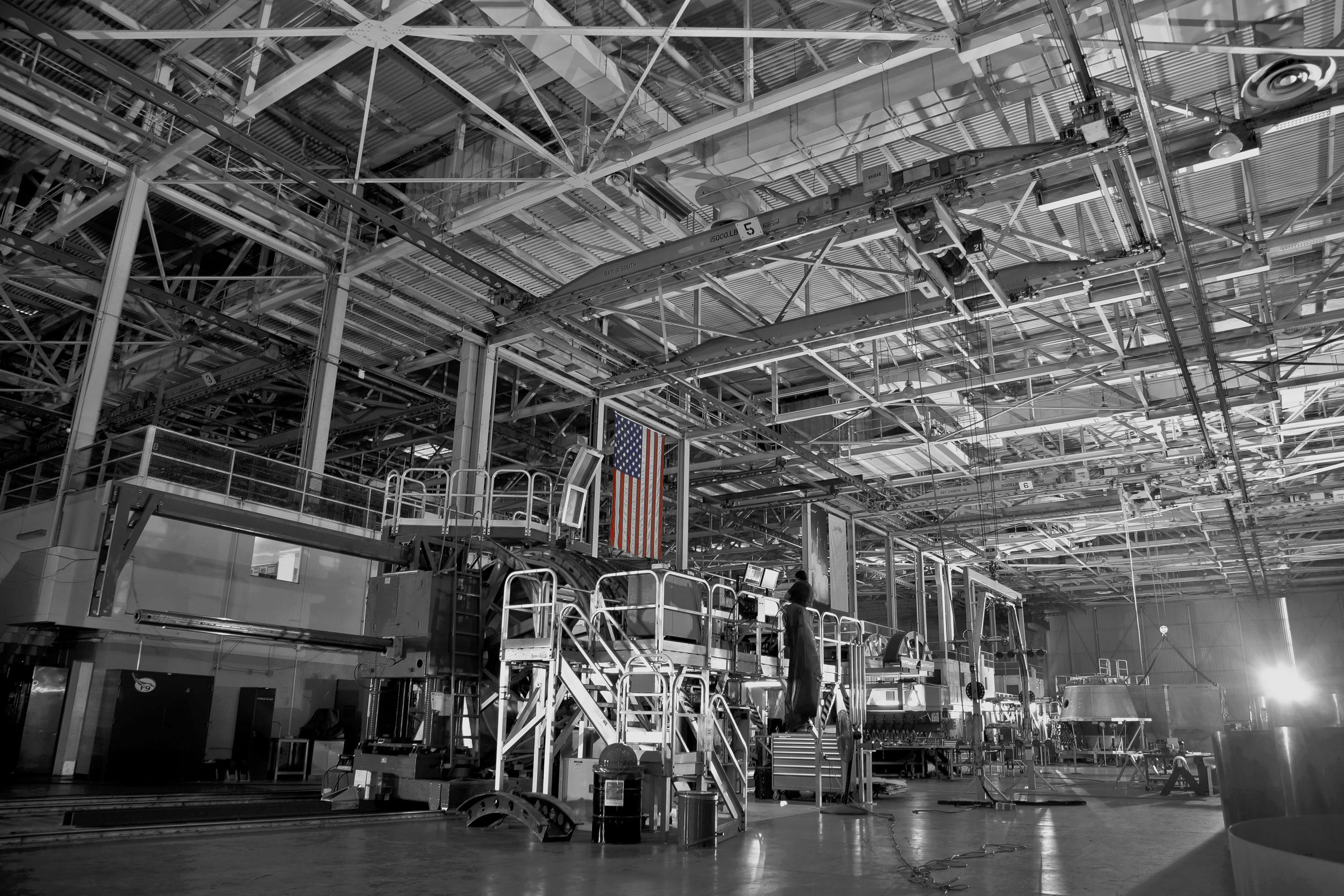
SpaceX targets three launches this week including a rideshare mission with India's ISRO into Sun-Synchronous Orbit. Starlink network continues expanding with ongoing satellite deployments.
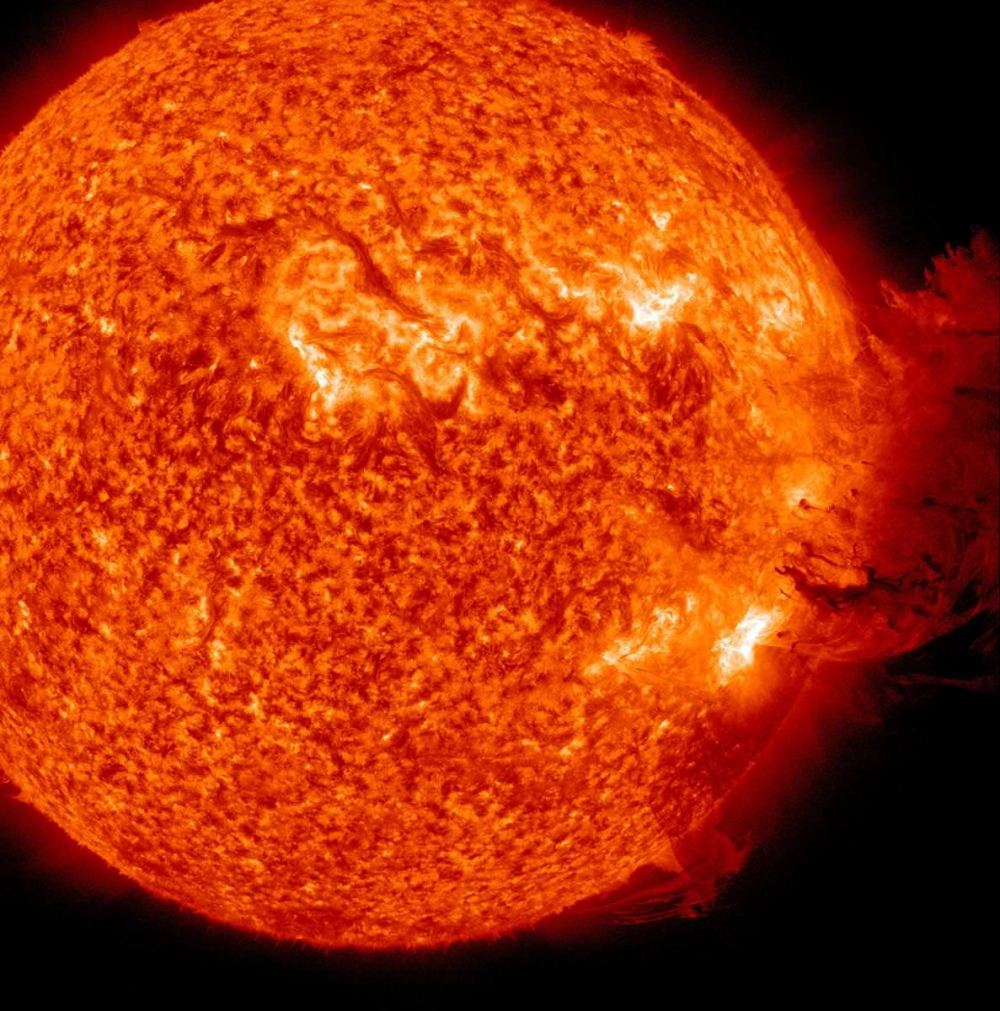
Fifteen years ago, NASA launched its most advanced solar observatory, revolutionizing our understanding of our star and transforming space weather prediction

SpaceX's Falcon Heavy lifts off for the 12th time after 18 months grounded, delivering the final ViaSat-3 satellite from LC-39A at 10:21 a.m. EDT.
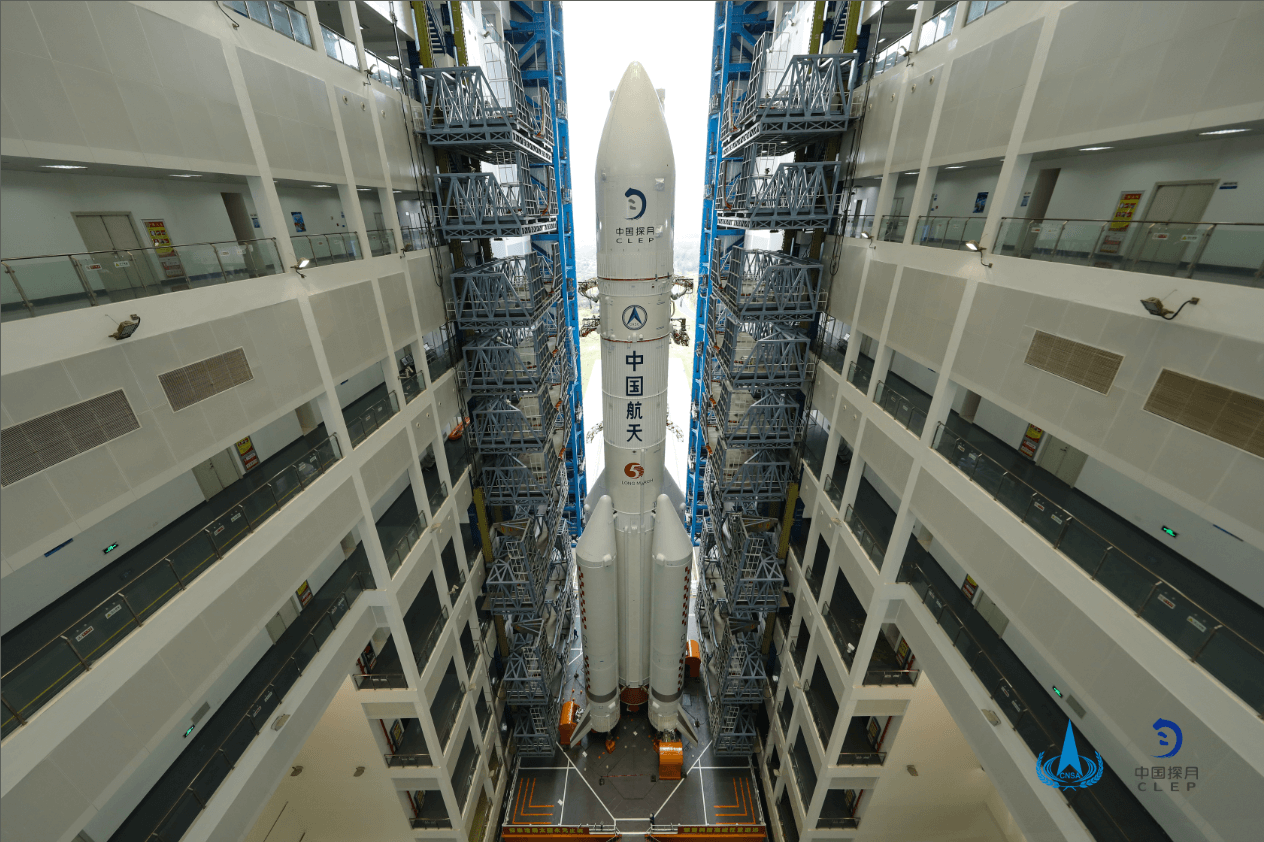
NASA concludes MAVEN mission after six months attempting to restore contact with Mars probe. Meanwhile, Falcon 9 booster flies record 35th flight on Starlink 10-35 mission.

The Kessler Syndrome threatens humanity's future in space as cascading satellite collisions create exponential debris growth. With 36,000+ tracked objects and recent incidents accelerating risks, we face a critical juncture: implement solutions now or potentially lose access to low Earth orbit forever.

From Apollo's darkest days to humanity's first transmission from Venus, we spent 2025 remembering the missions that made modern spaceflight possible. Here's what we covered - and why we're committed to keeping this series going.