


X Report 25 Nov 2024
SpaceX launches multiple Starlink batches, FAA updates for Starship, and NASA plans lunar cargo deliveries involving SpaceX and Blue Origin.



Launch Date
November 13, 2021
Launch Site
Launch Pad
LC40
Launch Vehicle
NORAD ID
49420
International Designator
2021-104N
Epoch
Sat, 04 Jul 2026 08:00:03 GMT
Apogee
Calculating...
Perigee
Calculating...
Inclination
53.16°
Right Ascension
64.84°
Eccentricity
Calculating...
Argument of Perigee
91.73°
Period
94.67 min
Mean Motion
15.21 rev/day
Latitude
Calculating...
Longitude
Calculating...
Altitude
Calculating...
Velocity
Calculating...
Name
STARLINK-3110
Alternative Name
Starlink 3110
Type
Status
Owner
SPXS
Country
United States
Constellation
N/A
Related Satellites
Major Events
N/A
1 49420U 21104N 26185.33336806 .00840970 00000-0 34848-1 0 9997
2 49420 53.1593 64.8380 0001492 91.7260 55.2635 15.21043633 4904
Source: Celestrak
Length
0.2
Diameter
2.8
Span
9
Dry Mass
270
Launch Mass
290
Shape
Box + pan
Radar Cross Section
Unknown
Visual Magnitude
Unknown
Color
Unknown
Material Composition
Unknown
Payload
Starlink Group 4-1-13
Purpose
Communication
Mission
Communication
Manufacturer
SPXS
Life Expectancy
Unknown
Bus
Starlink
Configuration
Unknown
Motor
Krypton ion thrusters
Equipment
Ku/Ka-band payload, optical inter-satellite link
Power System
Solar arrays, batteries
ADCS
Unknown
Transmitter Frequency
Unknown
Learn more about satellites and other related topics.
SpaceX launches multiple Starlink batches, FAA updates for Starship, and NASA plans lunar cargo deliveries involving SpaceX and Blue Origin.
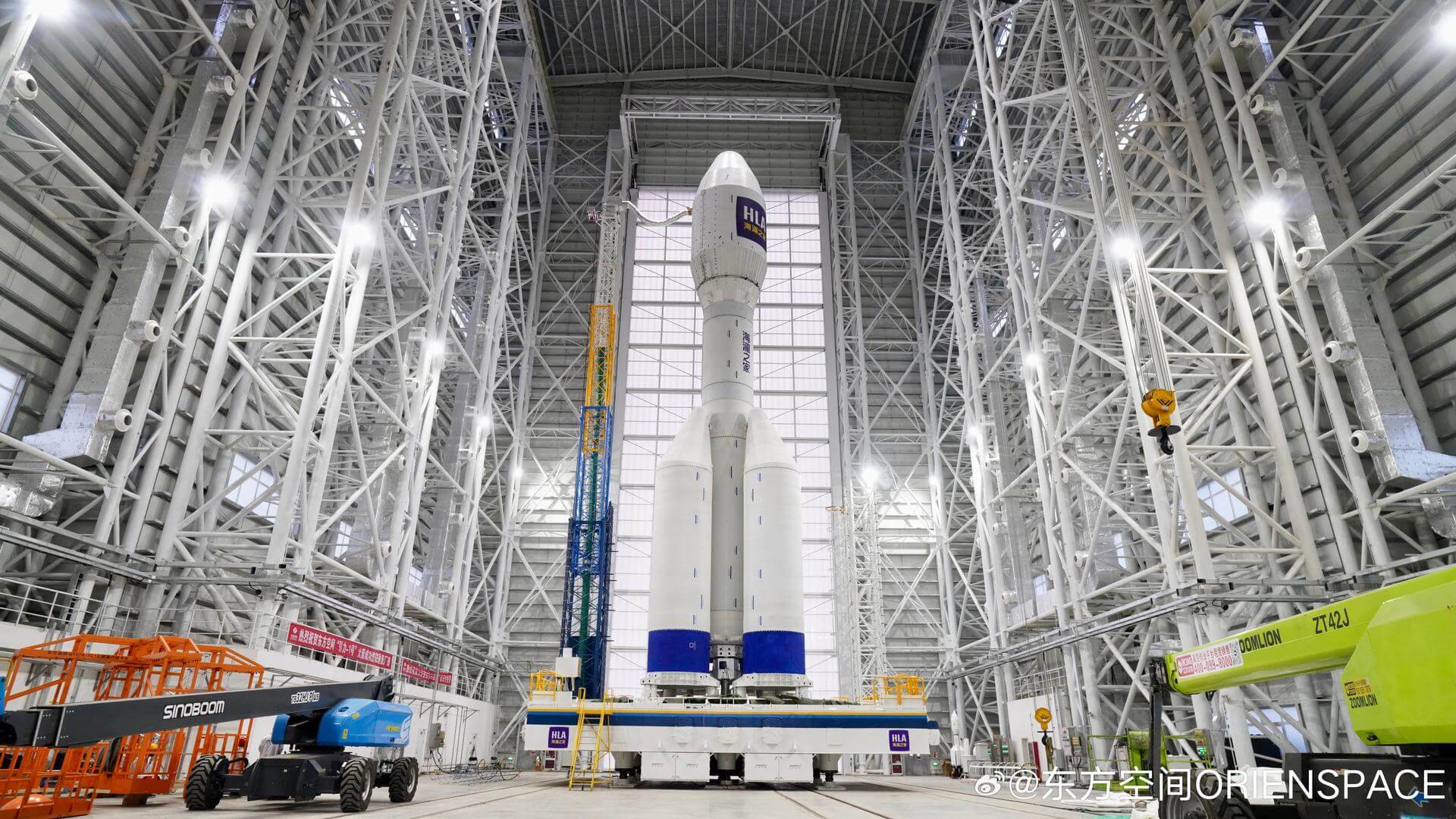
SpaceX Falcon 9 launches Starlink 10-50 with two Besxar semiconductor manufacturing test pods. In-space fabrication experiment explores cost reduction for commercial payloads.
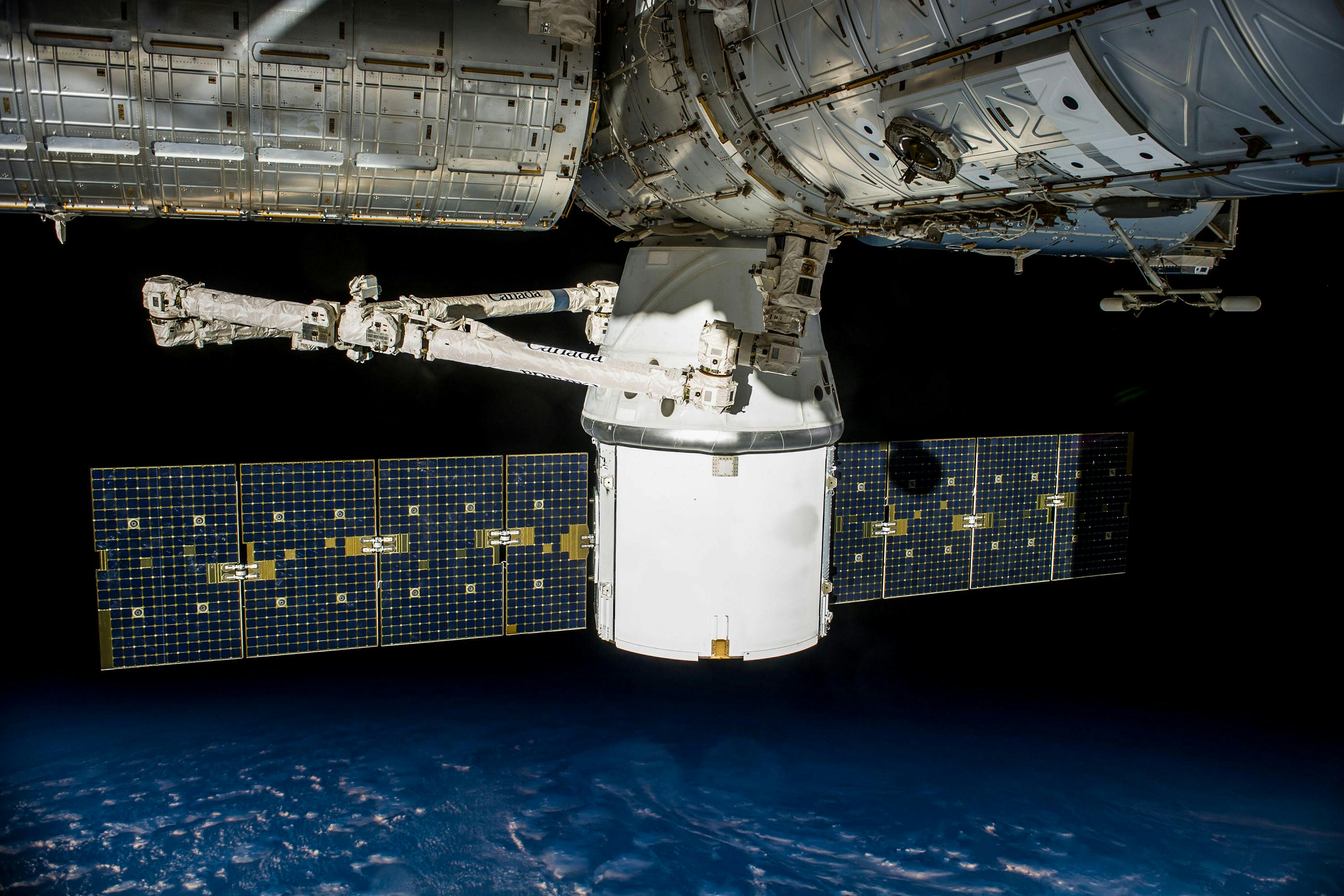
Today's report highlights a catastrophic failure during Starship preparations, significant advancements in Starlink services in Ukraine and India, and the successful launch of 28 Starlink satellites.

Discover today's key space events: SpaceX's Starlink launch, rocket debris risks, and advancements in nuclear rocket technology.

Historic launches mark a transformative week in aerospace, with major milestones achieved by Isar Aerospace, SpaceX, and Botswana's entry into space. Significant advancements in reusability and European capabilities highlight key developments.
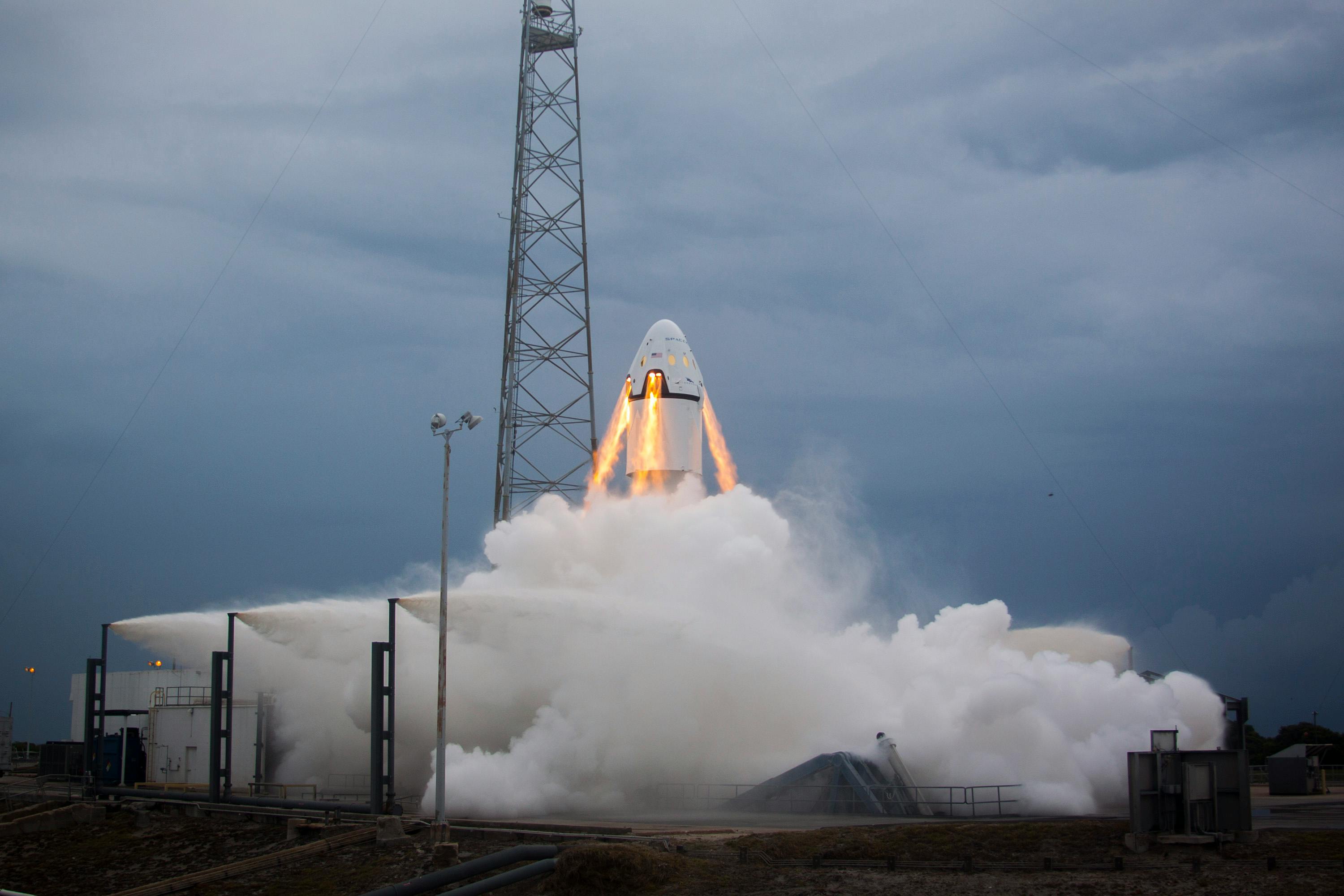
FAA advances environmental review for up to 44 Starship launches from Kennedy Space Center pad 39A. SpaceX wraps January with dual-coast Starlink launches. Crew-12 timeline tied to Artemis 2 schedule.

Booster B1067 sets new Falcon 9 reuse record with 35th successful flight, deploying 29 Starlink satellites. Quantum Space pursues public markets via SPAC.
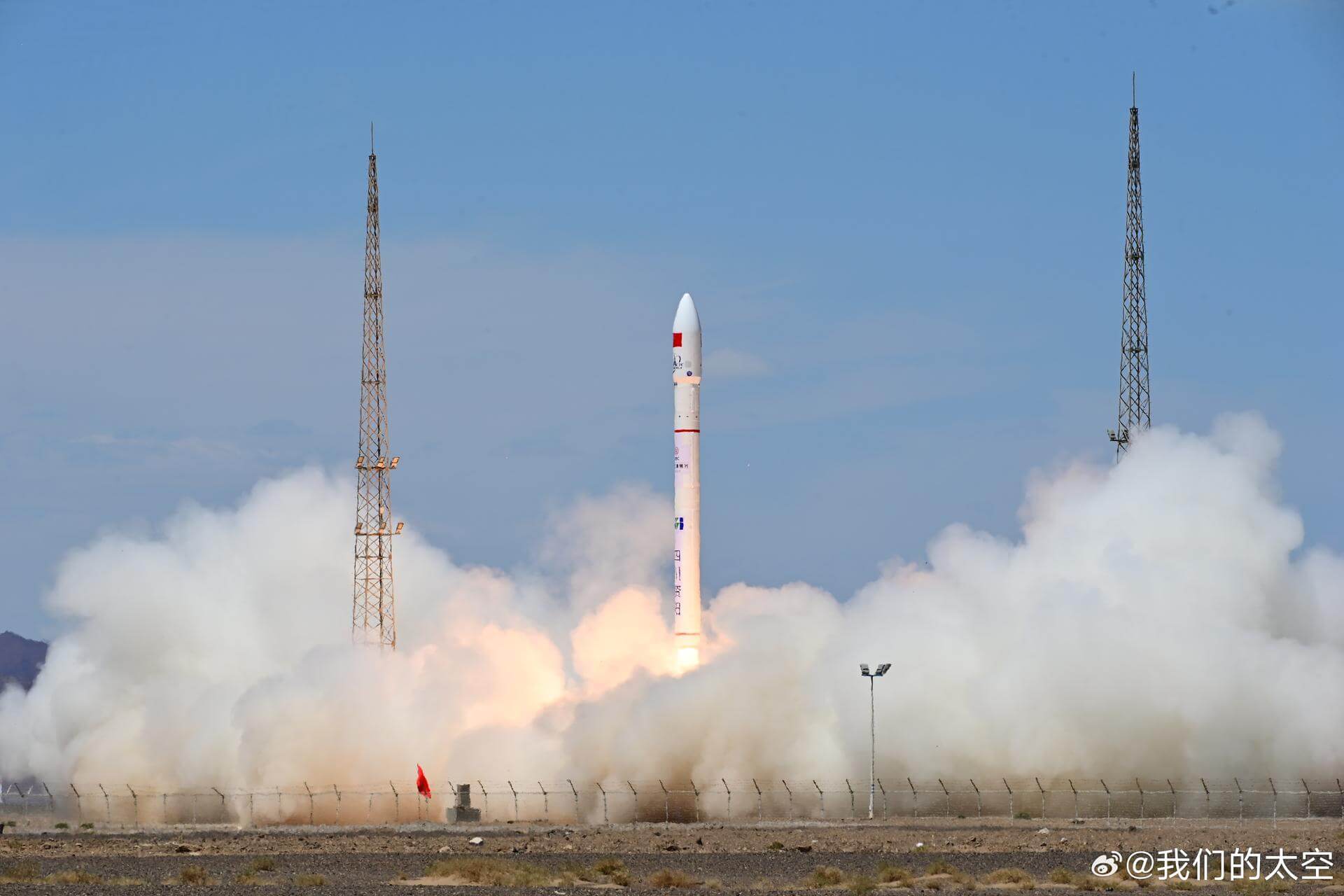
Today's Space Brief covers imminent launches, new developments in space technology, and strategic military contributions to satellite defense systems.