


Falcon Heavy Returns After 18-Month Hiatus for ViaSat-3 | KeepTrack X Report
SpaceX's Falcon Heavy lifts off for the 12th time after 18 months grounded, delivering the final ViaSat-3 satellite from LC-39A at 10:21 a.m. EDT.



Launch Date
October 17, 2018
Launch Site
Launch Pad
SLC41
Launch Vehicle
Atlas V 551
NORAD ID
49342
International Designator
2018-079ET
Epoch
Wed, 24 Jun 2026 04:55:27 GMT
Apogee
Calculating...
Perigee
Calculating...
Inclination
13.35°
Right Ascension
24.75°
Eccentricity
Calculating...
Argument of Perigee
339.43°
Period
779.99 min
Mean Motion
1.85 rev/day
Latitude
Calculating...
Longitude
Calculating...
Altitude
Calculating...
Velocity
Calculating...
Name
ATLAS 5 CENTAUR DEB
Alternative Name
deb Centaur AV-073
Type
Status
Owner
ULAL
Country
United States
Constellation
N/A
Related Satellites
Major Events
N/A
1 49342U 18079ET 26175.20518343 -.00000083 00000-0 00000-0 0 9996
2 49342 13.3522 24.7458 4761507 339.4291 6.5476 1.84618659 32495
Source: Celestrak
Length
0
Diameter
0
Span
0
Dry Mass
0
Launch Mass
0
Shape
N/A
Radar Cross Section
Unknown
Visual Magnitude
Unknown
Color
Unknown
Material Composition
Unknown
Payload
Unknown
Purpose
Unknown
Mission
Unknown
Manufacturer
ULAD
Life Expectancy
Unknown
Bus
Unknown
Configuration
Unknown
Motor
Unknown
Equipment
Unknown
Power System
Unknown
ADCS
Unknown
Transmitter Frequency
Unknown
Learn more about satellites and other related topics.
SpaceX's Falcon Heavy lifts off for the 12th time after 18 months grounded, delivering the final ViaSat-3 satellite from LC-39A at 10:21 a.m. EDT.

ULA launches the final Atlas 5 551 configuration—its heaviest variant with 5 solid boosters—carrying Amazon's Project Kuiper satellite to low Earth orbit from Cape Canaveral.

Key insights on Starship development challenges and latest Starlink satellite status.

SpaceX continues its collaboration with the NRO, while gearing up for lunar missions and a contract for NASA's Dragonfly mission to Titan.
Kratos awarded $447 million Space Force contract for Resilient Missile Warning Tracking ground ops center in Medium Earth Orbit, shifting missile detection away from vulnerable GEO satellites.
SpaceX embarks on another milestone as it prepares to launch an advanced GPS satellite for the U.S. Space Force today, aiming for a record 170 launches this year.
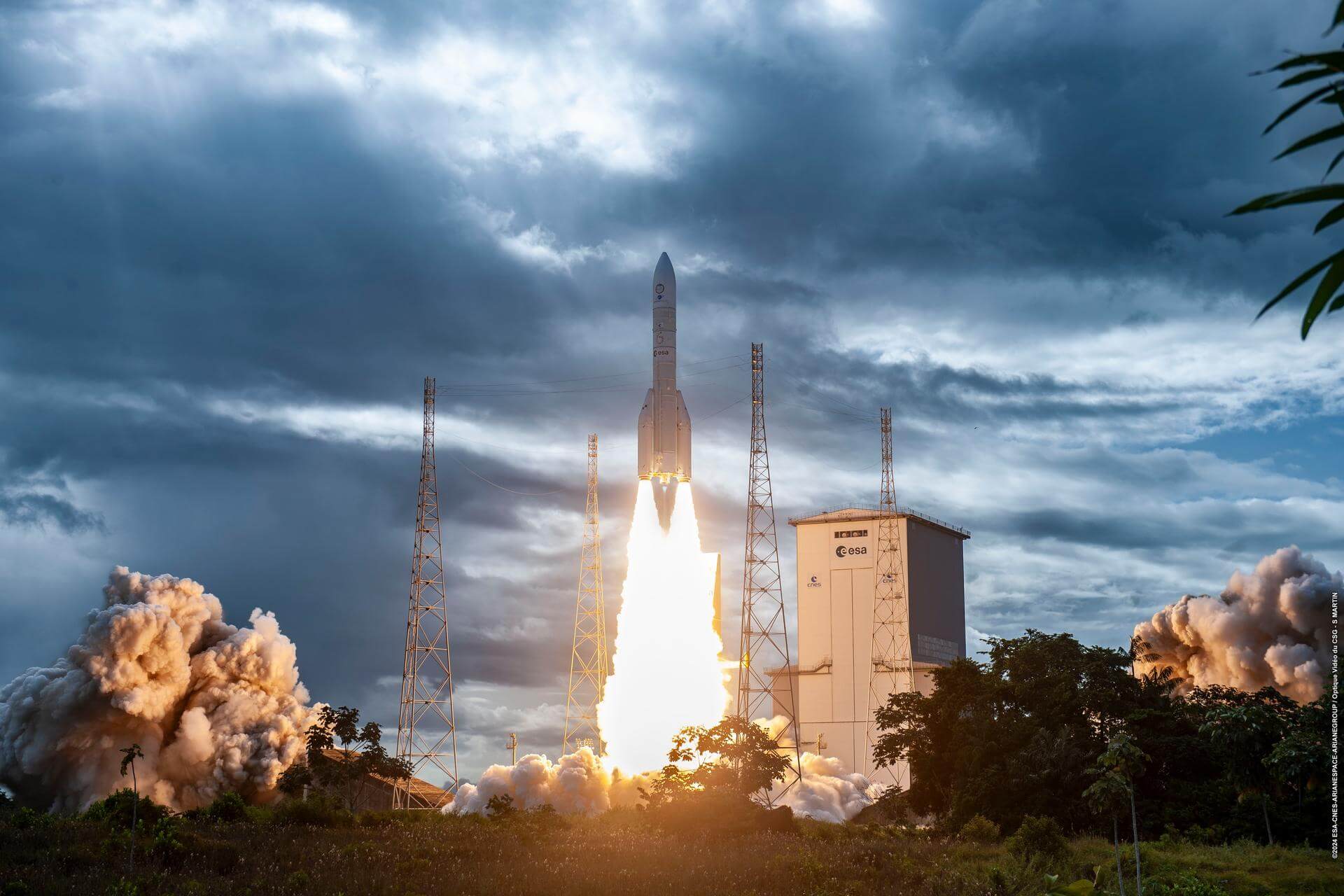
Today's Space Brief covers key developments including U.S. Space Force tech accelerator, SpaceX veterans' startup funding, ULA's expected dominance in national security missions, and new satellite activity.
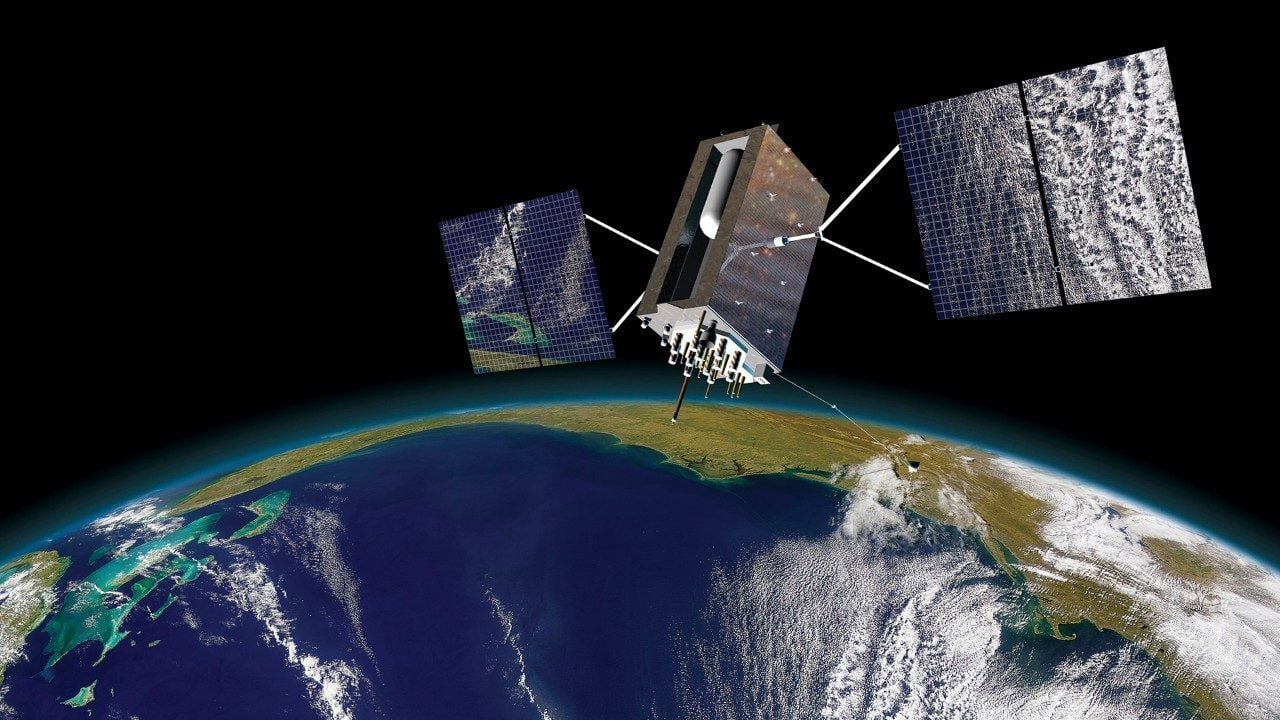
On April 17, 2026, the U.S. Space Force officially cancelled the Next Generation Operational Control System after sixteen years of development, cost overruns, and testing failures. The $8 billion program was supposed to unlock the military's encrypted GPS signal. Instead, the satellites are flying with capabilities the ground can't command.