


X Report 21 Jun 2025
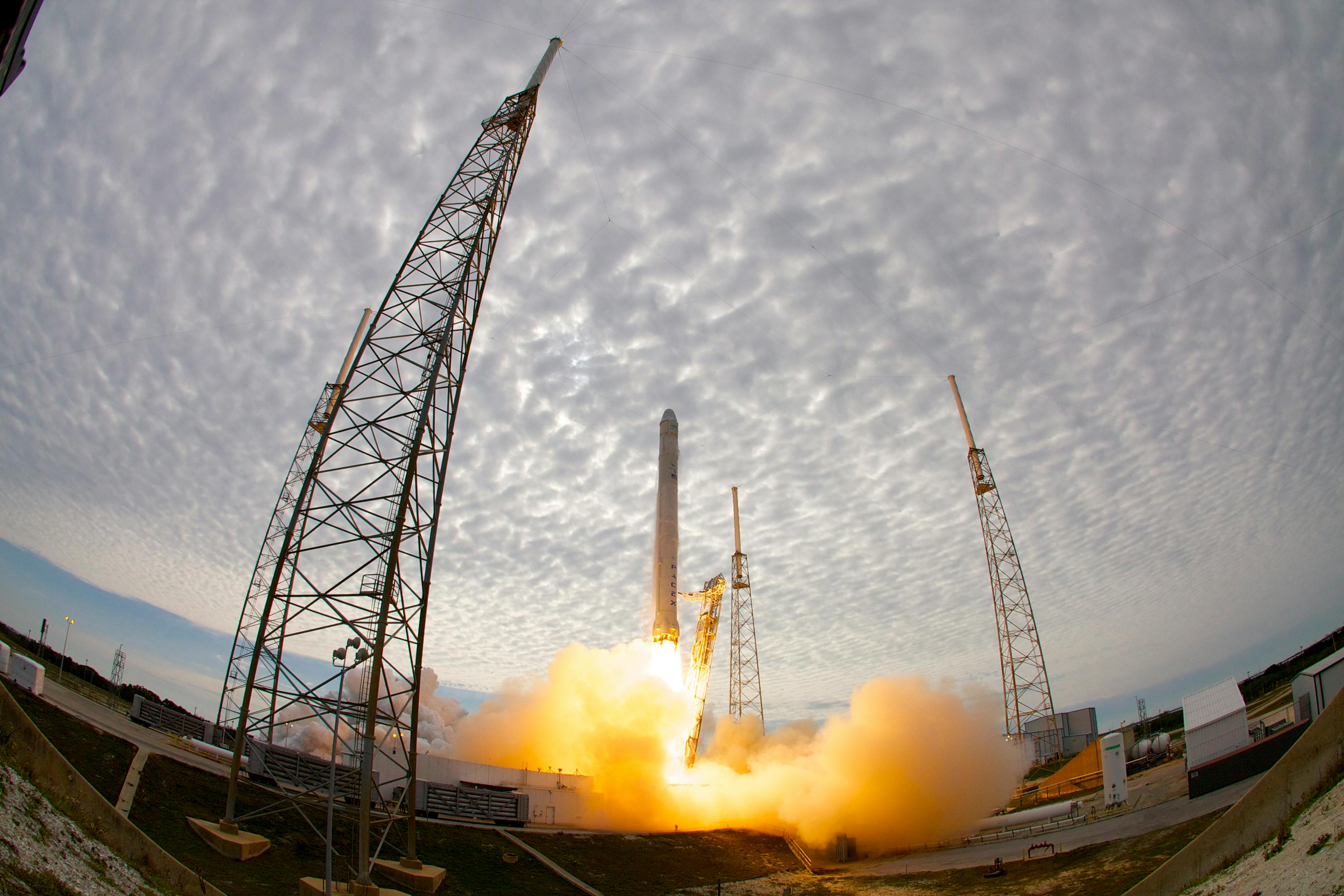
Today's report highlights the causes behind a recent Starship explosion, a significant delay in Axiom-4's launch, and the ongoing tension surrounding SpaceX's market dominance.


Launch Date
November 20, 1998
Launch Site
Launch Pad
LC39A
Launch Vehicle
NORAD ID
49274
International Designator
1998-067ST
Decay Date
8/8/2022
Name
MAYA-4
Alternative Name
Maya-4
Type
Status
Owner
DOST/UPD
Country
Phillipines
Constellation
N/A
Related Satellites
Major Events
N/A
Length
0.1
Diameter
0.1
Span
0.1
Dry Mass
1
Launch Mass
1
Shape
Box
Radar Cross Section
Unknown
Visual Magnitude
Unknown
Color
Unknown
Material Composition
Unknown
Payload
Maya-4
Purpose
Technology, education
Mission
Technology, education
Manufacturer
UPD
Life Expectancy
Unknown
Bus
Cubesat 1U
Configuration
CubeSat (1U)
Motor
None
Equipment
Unknown
Power System
Solar cells, batteries
ADCS
Unknown
Transmitter Frequency
Unknown
Learn more about satellites and other related topics.
Today's report highlights the causes behind a recent Starship explosion, a significant delay in Axiom-4's launch, and the ongoing tension surrounding SpaceX's market dominance.
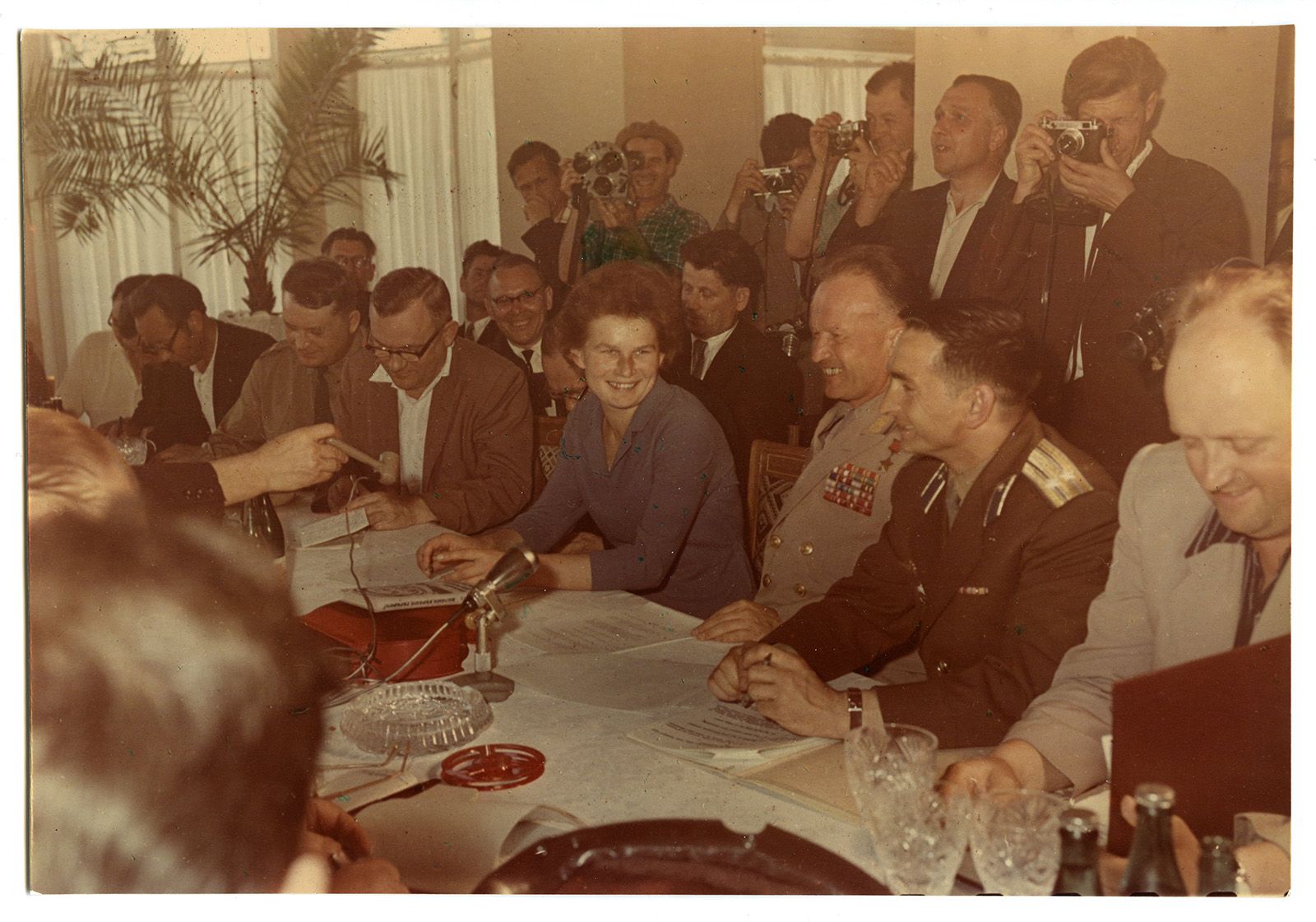
On 16 June 1963, a 26-year-old former textile worker named Valentina Tereshkova launched aboard Vostok 6 and spent nearly three days alone in orbit. She flew 48 times around the Earth, longer than every American astronaut combined, and spotted a dangerous flaw in her descent program that ground controllers had missed.
The U.S. Federal Communications Commission reaffirms its decision to deny SpaceX's Starlink unit $885.5 million in rural broadband subsidies, impacting the company's plans for expanding internet access.
Today's briefing covers China's rapid satellite launch activities, new Pentagon contracts for rocket motors, the Dream Chaser spaceplane's upcoming flight, and more.
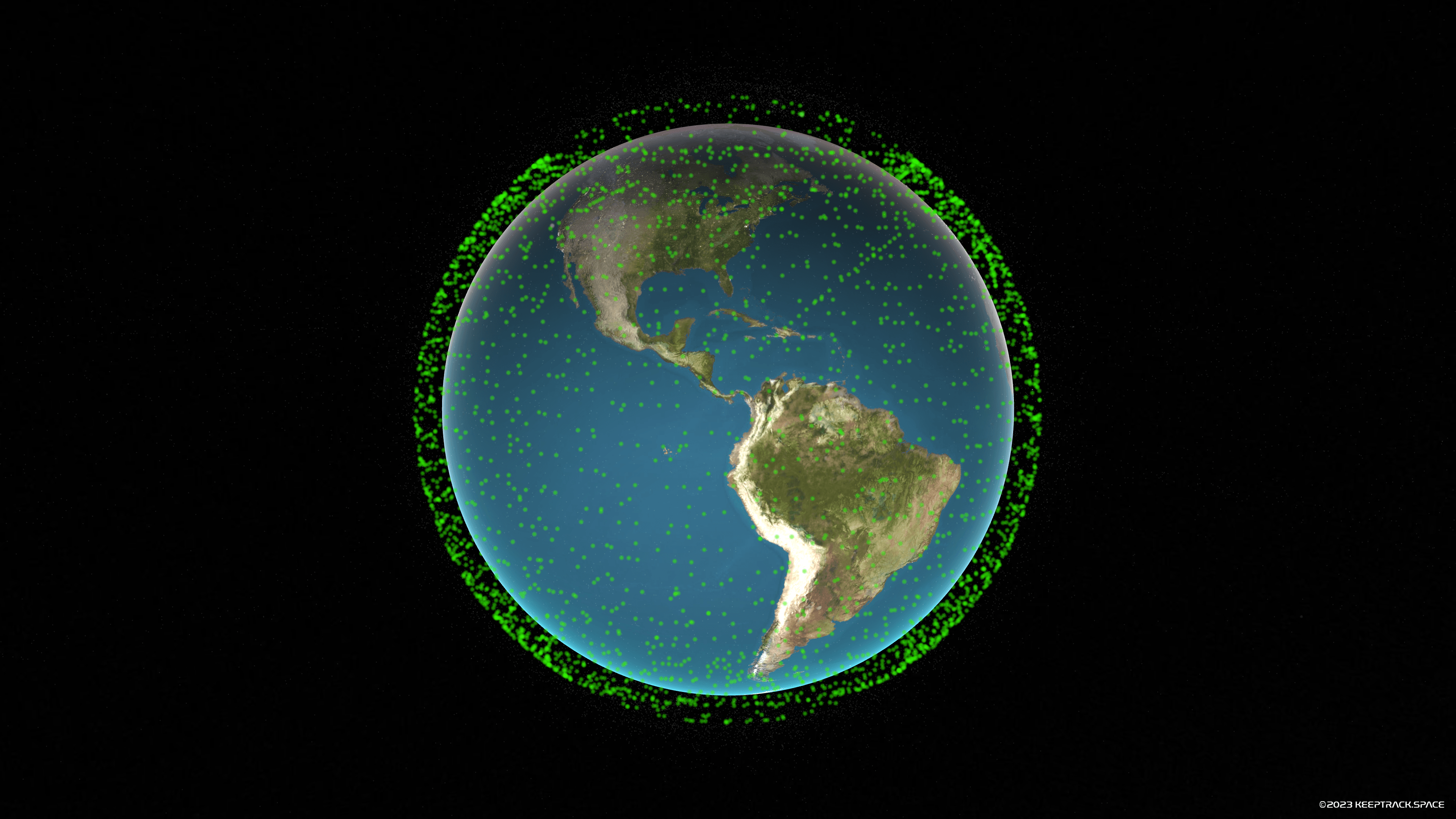
Starlink satellite count 2026: SpaceX tops 10,000 active satellites, 10,037 working of 11,558 launched, under seven years after first launch.
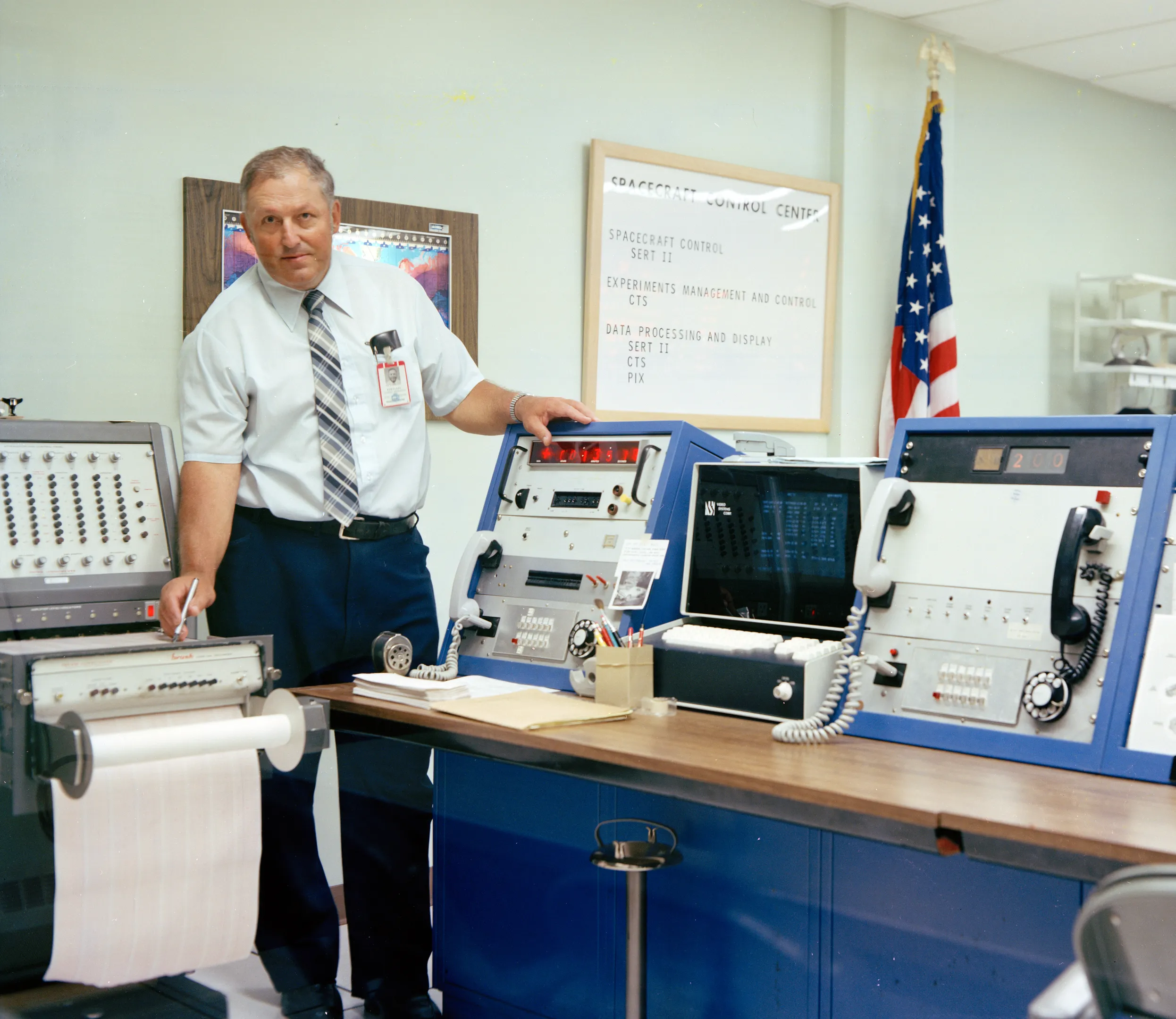
Fifty-five years ago, a revolutionary spacecraft launched from California carrying technology that would transform how we explore the solar system

ULA's Vulcan remains grounded after February in-flight GEM 63XL booster anomaly. Northrop Grumman completed successful static fire test, but investigation ongoing with no return-to-flight date.
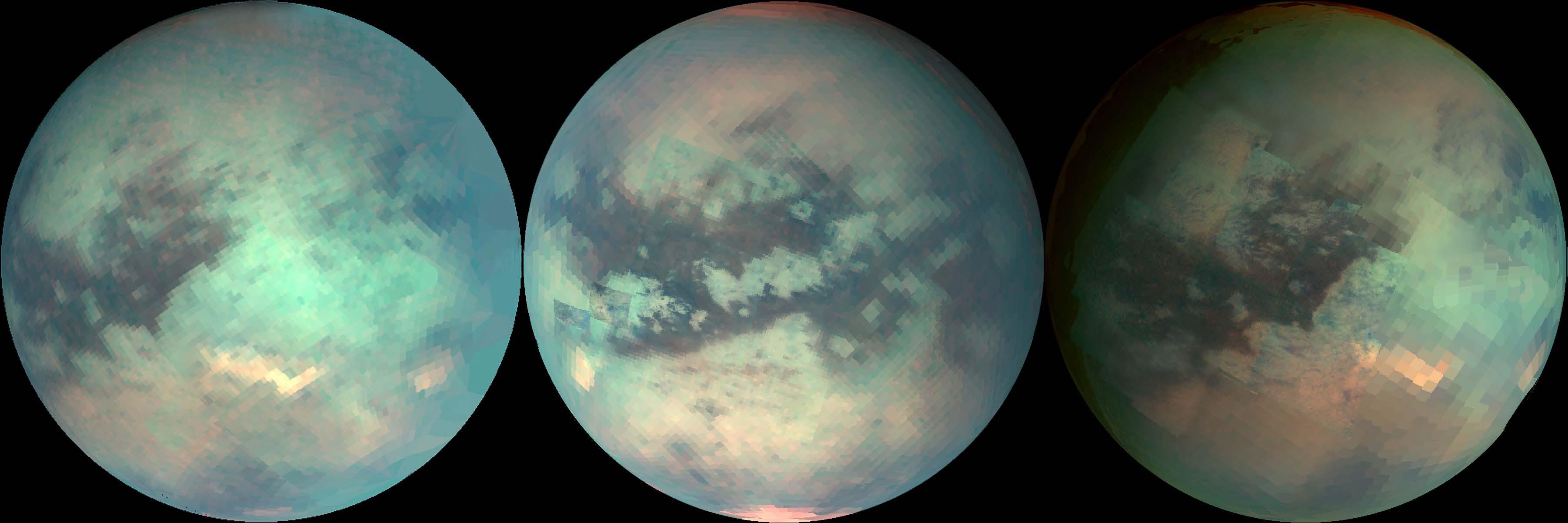
Cassini's Titan T-115 encounter marked the moment the spacecraft stopped looking down and started looking sideways, trading one type of science for another as it entered the final chapter of an iconic mission.