SPUTNIK 22 DEB (00492)

COSPAR: 1962-057P | Alt Name: deb Sputnik
DECAYED

Image
SPUTNIK 22 DEB Satellite Image
Additional Sources
Launch Details

Launch Date

October 24, 1962

Launch Pad

LC1

Launch Vehicle

Molniya 8K78

Orbital Elements

NORAD ID

00492

International Designator

1962-057P

Decay Date

12/15/1962

Basic Satellite Info

Name

SPUTNIK 22 DEB

Alternative Name

deb Sputnik

Type

Debris

Status

Space Junk

Owner

OKB1

Country

USSR

Constellation

N/A

Related Satellites

Major Events

N/A

Summary
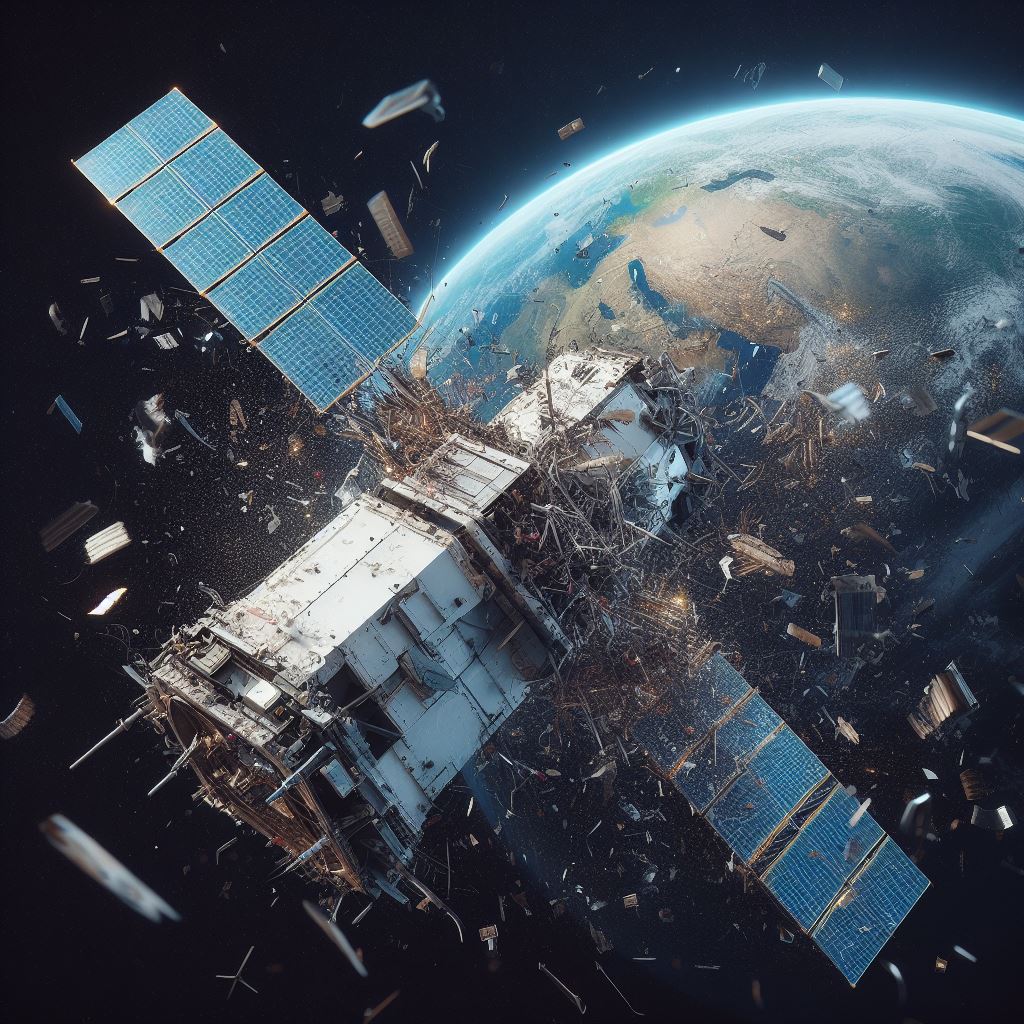
Space debris, also known as space junk, encompasses all non-functional objects orbiting Earth such as defunct satellites, spent rocket stages, and fragments from collisions or disintegrations. Over time, this debris can accumulate and create an increasingly hazardous environment in orbit. Even tiny fragments, traveling at extremely high velocities, can inflict significant damage on operational satellites and spacecraft. If left unmanaged, the density of debris raises the risk of catastrophic collisions and further fragmentation, compounding the problem and threatening the safety and sustainability of space activities.
Physical Characteristics

Length

0

Diameter

0

Span

0

Dry Mass

0

Launch Mass

0

Shape

N/A

Radar Cross Section

Unknown

Visual Magnitude

Unknown

Color

Unknown

Material Composition

Unknown

Technical Details

Payload

Unknown

Purpose

Unknown

Mission

Unknown

Manufacturer

Unknown

Life Expectancy

Unknown

Bus

Unknown

Configuration

Unknown

Motor

Unknown

Equipment

Unknown

Power System

Unknown

ADCS

Unknown

Transmitter Frequency

Unknown

Satellite Articles

View All Posts »

Learn more about satellites and other related topics.

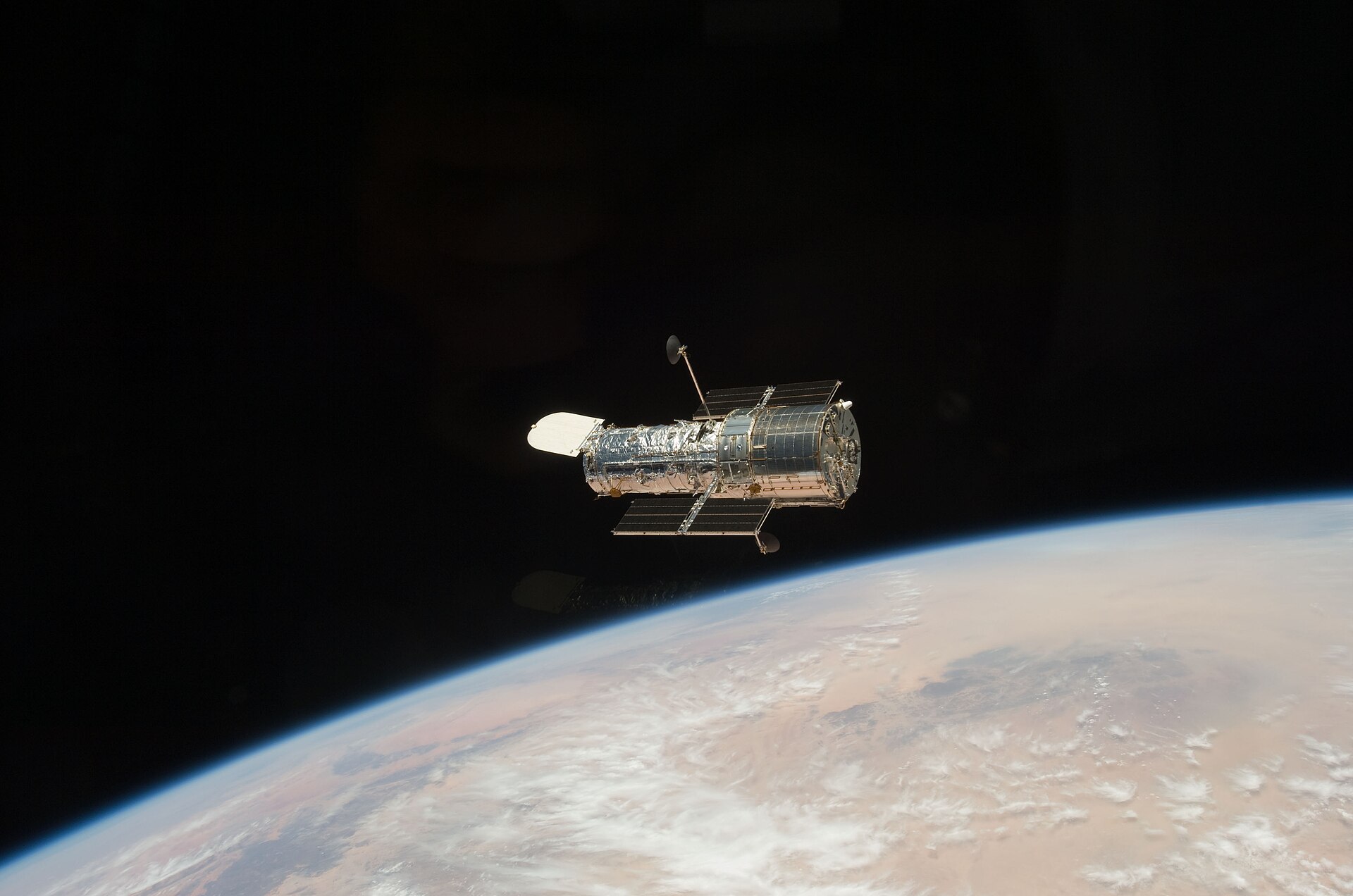
The Telescope That Needed Glasses

The Telescope That Needed Glasses

On April 25, 1990, the Space Shuttle Discovery's robotic arm lifted a 11,110-kilogram barrel of mirrors and instruments out of the payload bay and released it into orbit. Six weeks later, the first images came back badly out of focus. The Hubble Space Telescope had been ground to the wrong prescription, and America had just spent $2.5 billion on what the press was calling a 'technoturkey.'

Space Brief 30 Nov 2025

Space Brief 30 Nov 2025

Today's highlights include Europe's record space budget for independence, Transporter-15's successful launch of 140 payloads, and the damage to the Baikonur pad affecting upcoming ISS missions.

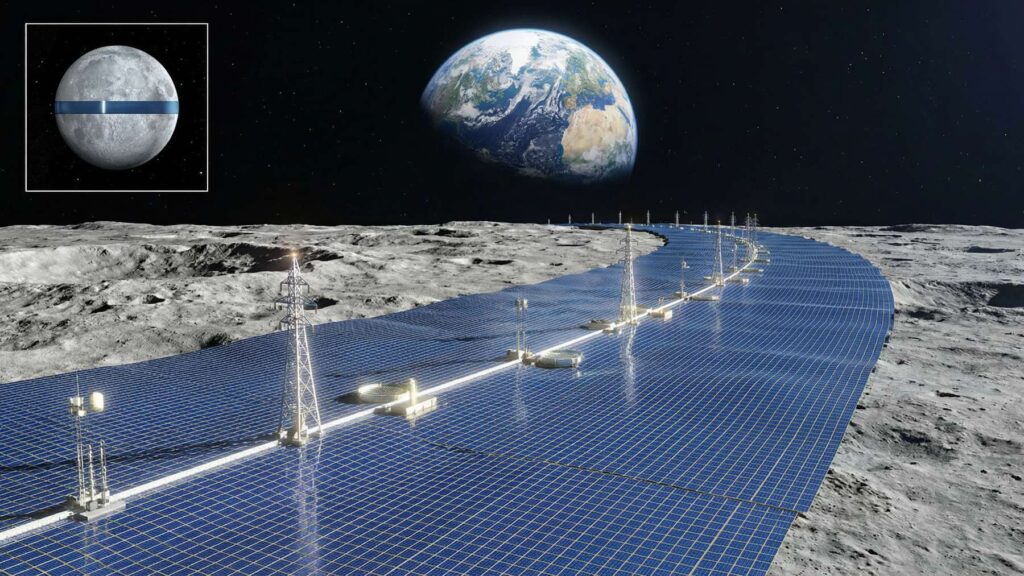
Shimizu's Luna Ring - The Plan to Wrap the Moon in Solar Panels

Shimizu's Luna Ring - The Plan to Wrap the Moon in Solar Panels

A 220-year-old Japanese construction company wants to build an 11,000-kilometer belt of solar cells around the lunar equator and beam the power back to Earth. The physics checks out. Everything else is another story.

Space Brief 30 Mar 2025

Space Brief 30 Mar 2025

Today's highlights include Rocket Lab joining the US Space Force's national security launch program, SpaceX's upcoming Starlink deployment, China's successful EVA, and intriguing science aboard SpaceX's Fram2 mission.

X Report 1 Jun 2025

X Report 1 Jun 2025

SpaceX successfully launched 27 Starlink satellites, marking another milestone for its broadband internet service. Meanwhile, the latest GPS III satellite was also launched for the U.S. military, showcasing SpaceX's multifaceted capabilities.

Starlink-34343 | The Second Fragmentation Event in Three Months

Starlink-34343 | The Second Fragmentation Event in Three Months

STARLINK-34343 broke apart at 560 kilometers. SpaceX's response - launch more satellites the next morning - tells you everything about the confidence gap between fleet statistics and individual failure modes.

Falcon 9 Lifts 11,000 lbs of ISS Cargo on NG-24 | KeepTrack X Report

Falcon 9 Lifts 11,000 lbs of ISS Cargo on NG-24 | KeepTrack X Report

SpaceX's Falcon 9 launches Northrop Grumman's Cygnus NG-24 to the ISS carrying 11,000 lbs of critical cargo this weekend.

Space Brief 9 Mar 2025

Space Brief 9 Mar 2025

Today's highlights include delayed satellite launches, SpaceX's Florida Starship expansion, a historic mission by Europe's Ariane 6, and NASA's twin missions to explore the ends of the Earth and the universe.