


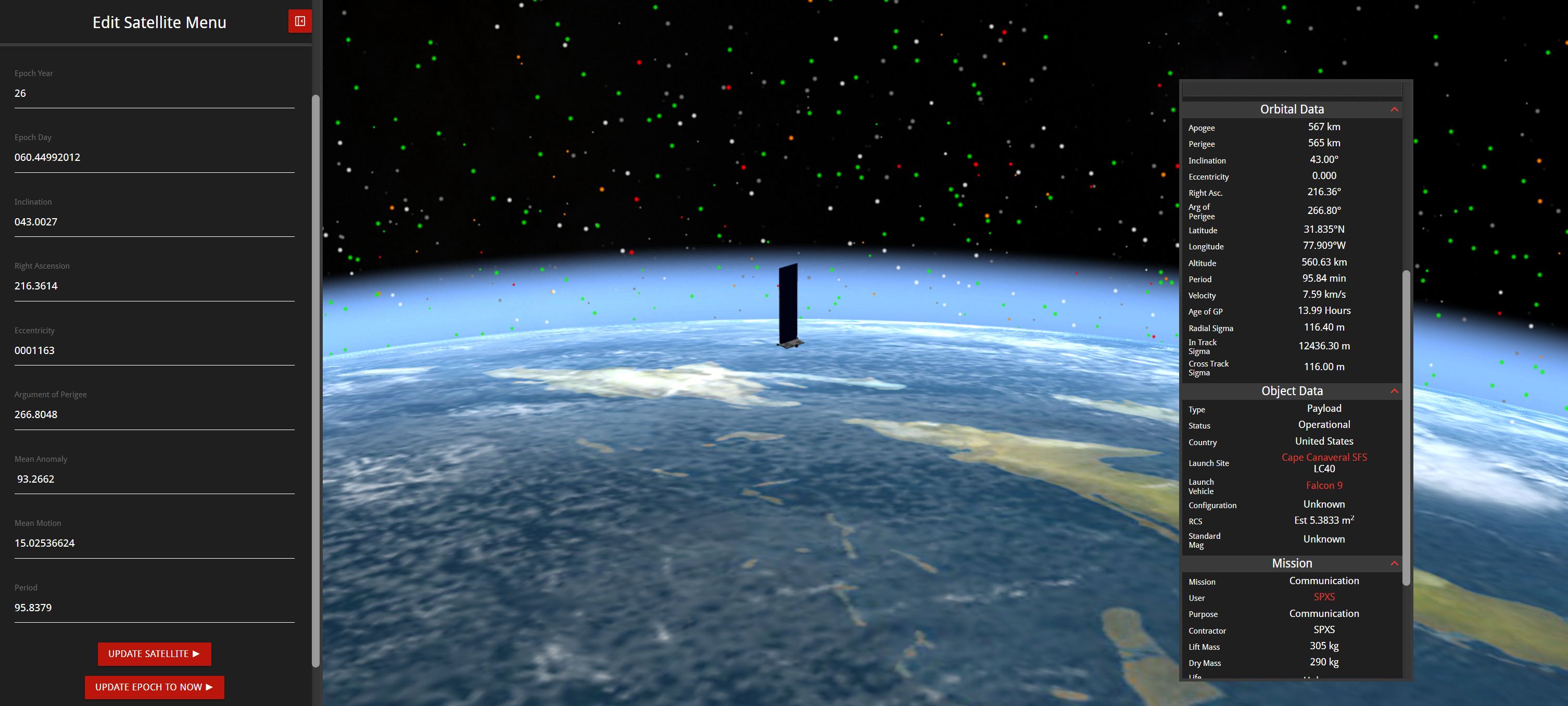
Two-Line Element Set (TLE)
The compact data format that describes every tracked satellite orbit in just two lines of text, and how to read it



NORAD ID
49163
International Designator
2021-082AK
Epoch
Sat, 04 Jul 2026 03:20:53 GMT
Apogee
Calculating...
Perigee
Calculating...
Inclination
70.00°
Right Ascension
342.00°
Eccentricity
Calculating...
Argument of Perigee
268.07°
Period
96.16 min
Mean Motion
14.98 rev/day
Latitude
Calculating...
Longitude
Calculating...
Altitude
Calculating...
Velocity
Calculating...
Name
STARLINK-3088
Alternative Name
Starlink 3088
Type
Status
Owner
SPXS
Country
United States
Constellation
N/A
Related Satellites
Major Events
N/A
1 49163U 21082AK 26185.13950383 .00001037 00000-0 96618-4 0 9995
2 49163 70.0001 342.0010 0003005 268.0694 92.0121 14.97520272265047
Source: Celestrak
Length
0.2
Diameter
2.8
Span
9
Dry Mass
275
Launch Mass
297
Shape
Box + pan
Radar Cross Section
Unknown
Visual Magnitude
Unknown
Color
Unknown
Material Composition
Unknown
Payload
Starlink Group 2-1-33
Purpose
Communication
Mission
Communication
Manufacturer
SPXS
Life Expectancy
Unknown
Bus
Starlink
Configuration
Unknown
Motor
Krypton ion thrusters
Equipment
Ku/Ka-band payload, optical inter-satellite link
Power System
Solar arrays, batteries
ADCS
Unknown
Transmitter Frequency
Unknown
Learn more about satellites and other related topics.
The compact data format that describes every tracked satellite orbit in just two lines of text, and how to read it
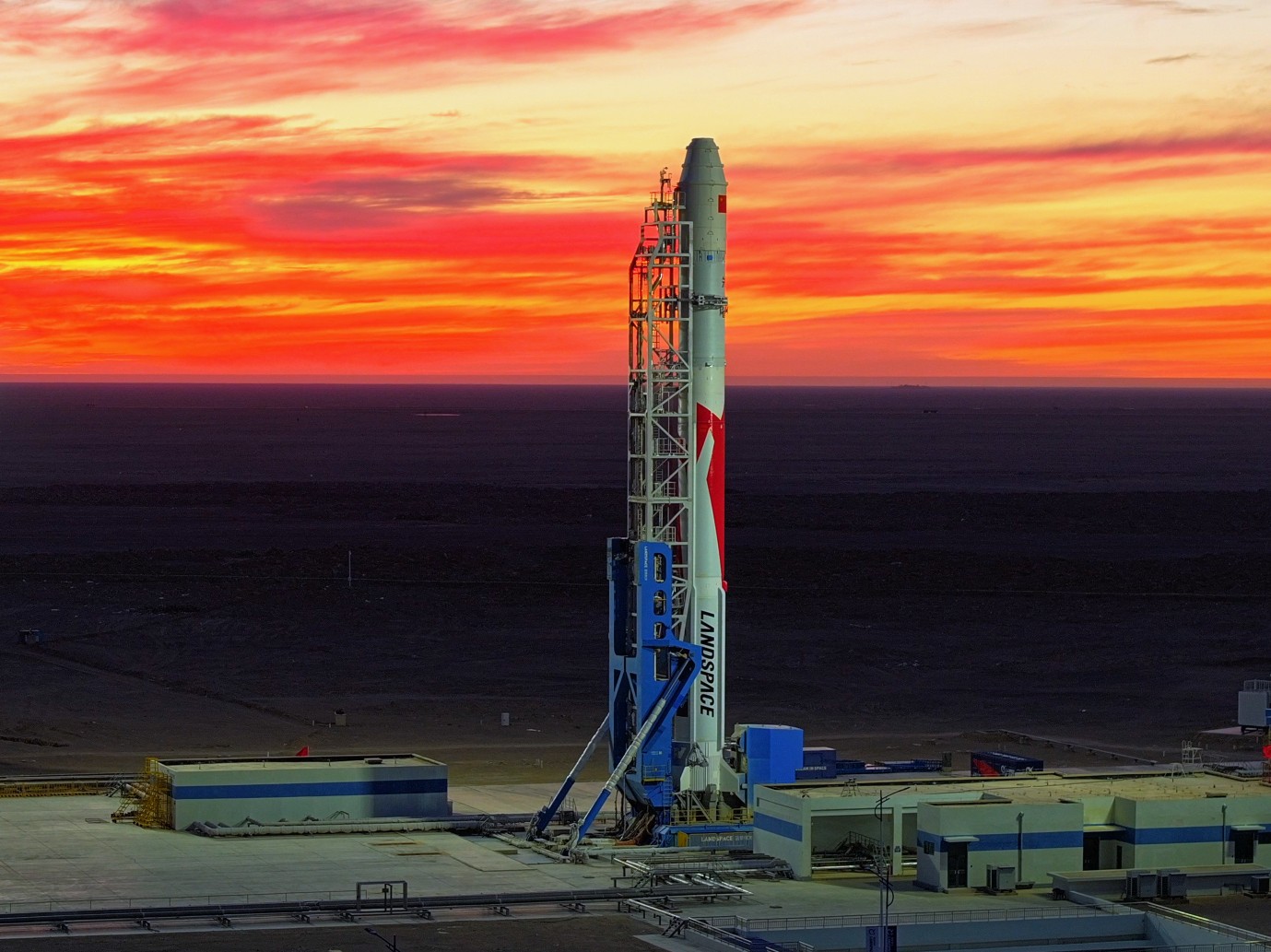
Today's brief covers Rocket Lab's Neutron being selected for military tests, Space Force's strategic updates, Germany's SAR satellite plans, and a significant NASA nomination.
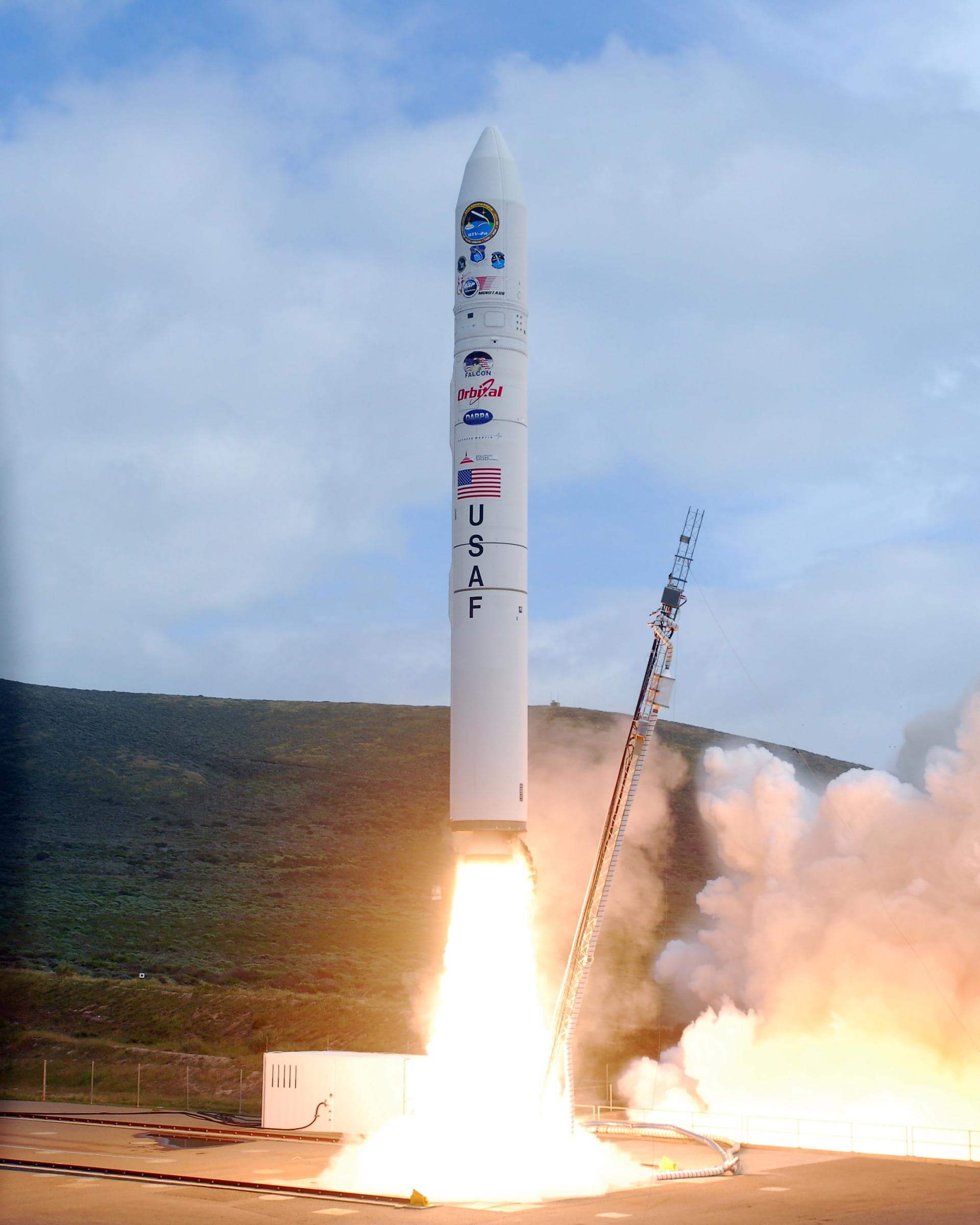
Today's brief covers crucial developments in satellite technology and operations, including new Starlink launches, groundbreaking satellite data on flood waves, and pivotal changes in South African telecom policy driven by Starlink.

SpaceX continues to push forward with significant milestones, including the launch of additional Starlink satellites and progress on spectrum acquisitions.
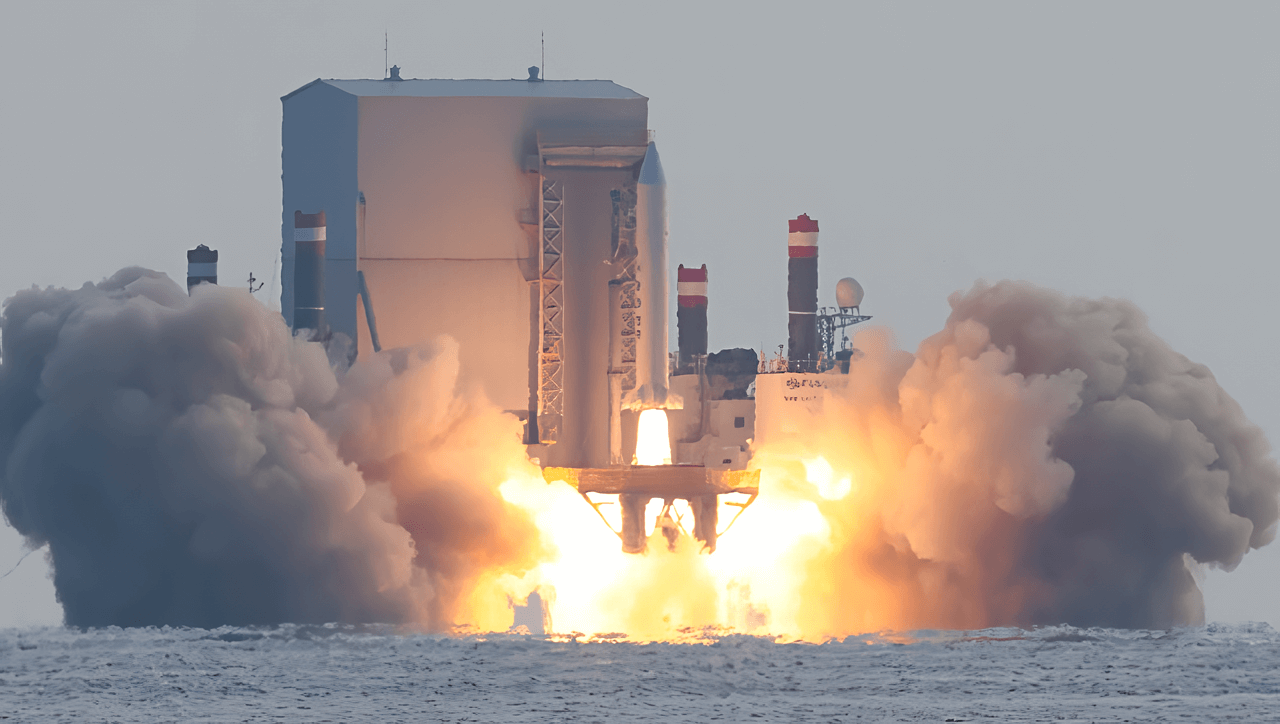
Space Force cancels the OCX GPS ground system after RTX failures and stands up a cislunar task force. SpaceX launches the 10th and final GPS III.
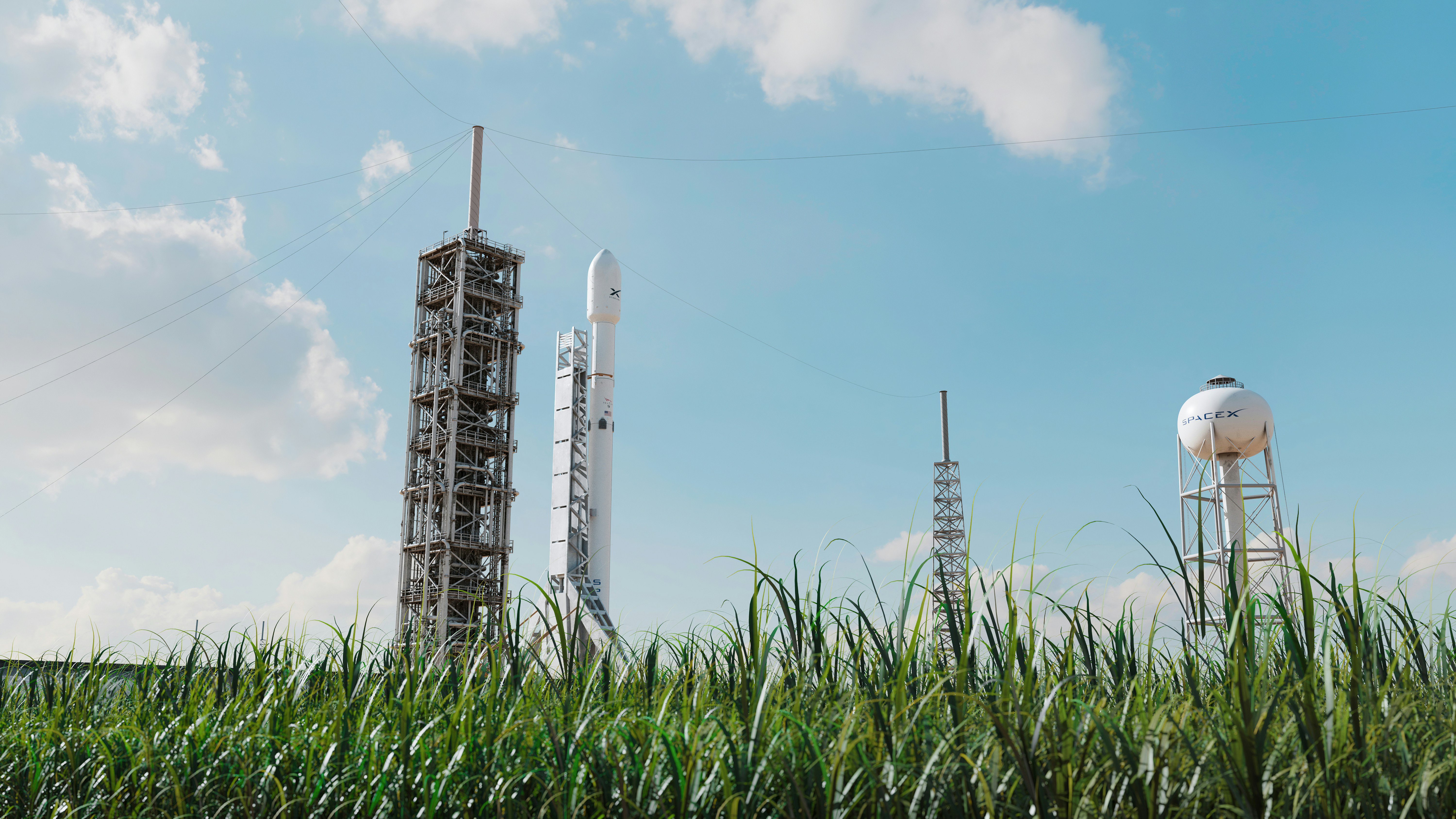
SpaceX faces a setback with a Falcon 9 upper stage reentry issue, while NASA selects SpaceX for a new mission. Starlink expansions continue with multiple satellite launches.

Sixty-four years ago, NASA made a decision that would shape the future of human spaceflight by selecting three astronauts to compete for America's first journey into space

As humanity increasingly relies on satellites, the escalating space junk problem poses a dire threat to our space-based infrastructure. With debris counts reaching alarming levels, urgent action is needed to prevent a cascade of collisions that could make key orbits unusable.