STARLINK-3109 (49143)

COSPAR: 2021-082P | Alt Name: Starlink 3109

Image
STARLINK-3109 Satellite Image
Additional Sources
Launch Details

Launch Date

September 14, 2021

Launch Site

AFWTR

Launch Pad

SLC4E

Launch Vehicle

Falcon 9

Orbital Elements

NORAD ID

49143

International Designator

2021-082P

Epoch

Sat, 04 Jul 2026 04:02:58 GMT

Apogee

Calculating...

Perigee

Calculating...

Inclination

70.00°

Right Ascension

341.93°

Eccentricity

Calculating...

Argument of Perigee

264.91°

Period

96.16 min

Mean Motion

14.98 rev/day

Latitude

Calculating...

Longitude

Calculating...

Altitude

Calculating...

Velocity

Calculating...

Polar Plot
3D Visualization
Basic Satellite Info

Name

STARLINK-3109

Alternative Name

Starlink 3109

Type

Payload

Status

Operational

Owner

SPXS

Country

United States

Constellation

N/A

Related Satellites

Major Events

N/A

Latest TLEs
1 49143U 21082P   26185.16872986  .00001289  00000-0  11818-3 0  9995
2 49143  70.0002 341.9307 0003100 264.9103  95.1702 14.97522080265003

Source: Celestrak

Summary
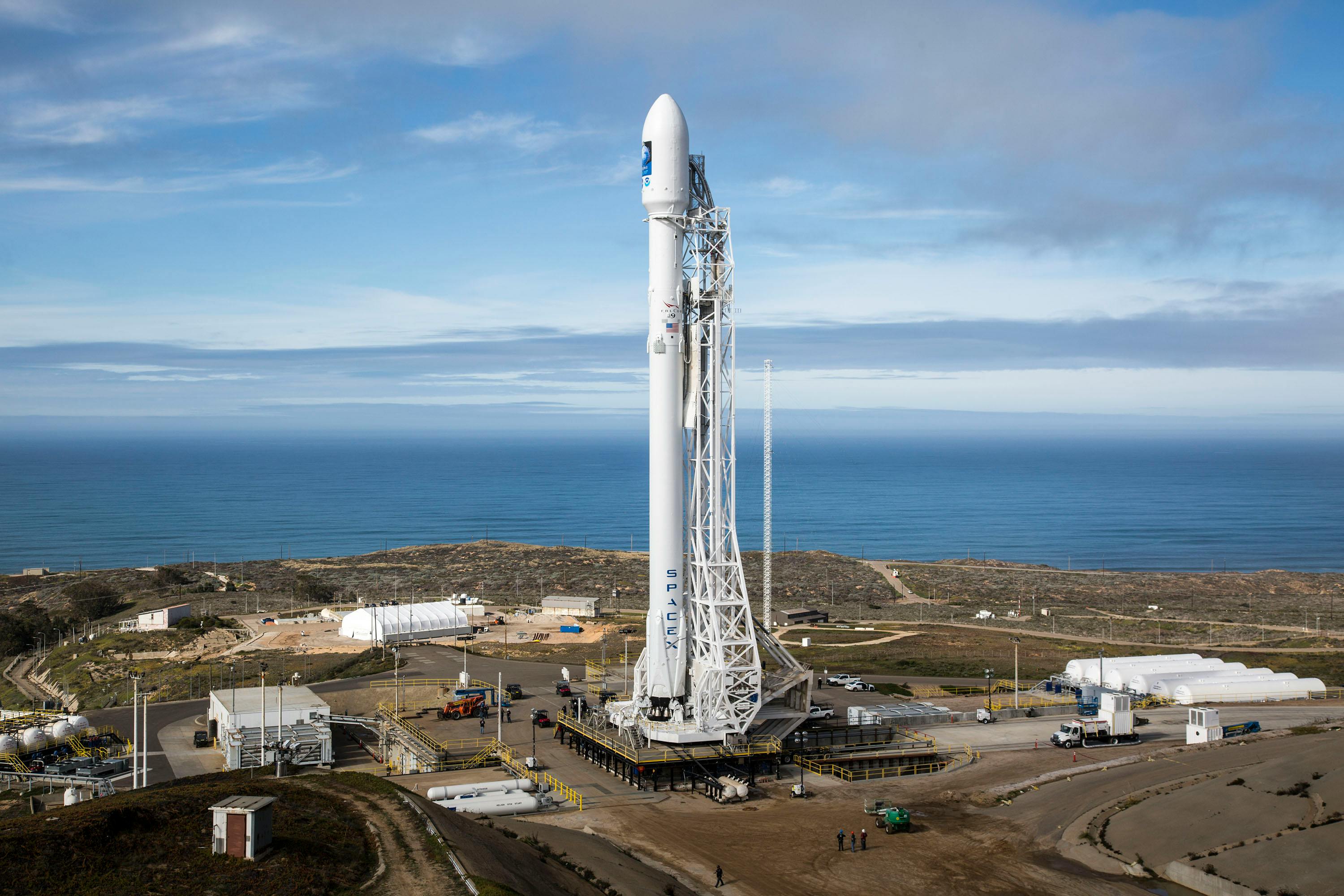
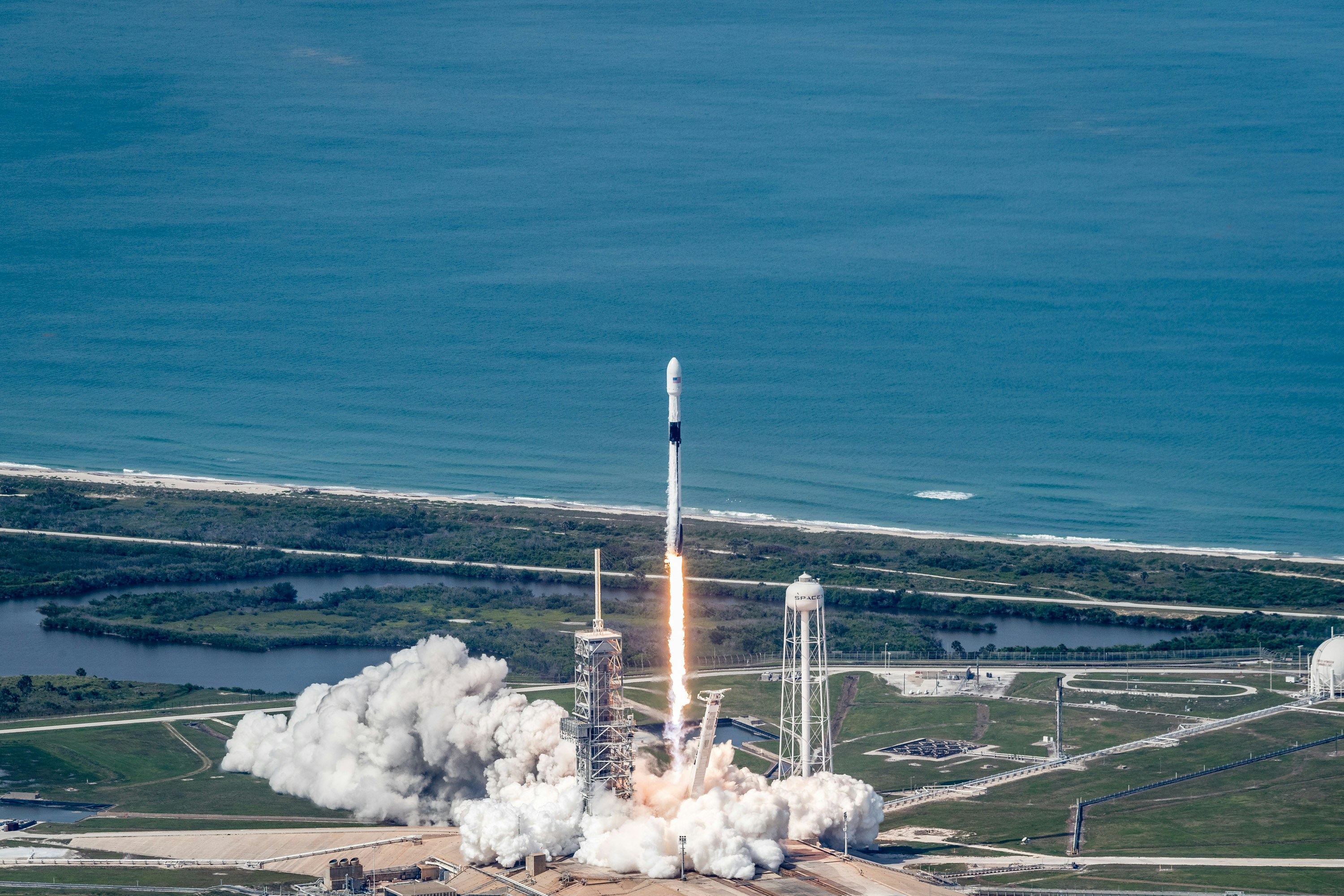
STARLINK-3109 is a communication satellite operated by SpaceX (SPXS), launched on September 14, 2021, from AFWTR SLC4E using a Falcon 9 launch vehicle. With dimensions of 0.2 meters in length and a diameter of 2.8 meters, the satellite spans 9 meters when fully deployed. It has a dry mass of 275 kilograms and a launch mass of 297 kilograms. Equipped with Ku/Ka-band payload and an optical inter-satellite link, STARLINK-3109 uses krypton ion thrusters for propulsion and solar arrays combined with batteries for power generation. The satellite's shape is described as a box with a pan configuration and is part of the Starlink Group 2-1-13 mission dedicated to communication purposes.

Starlink is a satellite constellation developed by SpaceX with the aim of providing global broadband internet coverage. Thousands of small satellites are deployed in low Earth orbit (LEO), enabling high-speed internet access even in remote areas. However, the rapid increase in satellites raises concerns about space debris and the potential for collisions, which can lead to further debris creation and endanger other spacecraft. Additionally, the sheer number of Starlink satellites can affect astronomical observations by increasing light pollution. Proper deorbiting plans and international coordination are essential to mitigate these challenges and ensure long-term sustainability in space.
Physical Characteristics

Length

0.2

Diameter

2.8

Span

9

Dry Mass

275

Launch Mass

297

Shape

Box + pan

Radar Cross Section

Unknown

Visual Magnitude

Unknown

Color

Unknown

Material Composition

Unknown

Technical Details

Payload

Starlink Group 2-1-13

Purpose

Communication

Mission

Communication

Manufacturer

SPXS

Life Expectancy

Unknown

Bus

Starlink

Configuration

Unknown

Motor

Krypton ion thrusters

Equipment

Ku/Ka-band payload, optical inter-satellite link

Power System

Solar arrays, batteries

ADCS

Unknown

Transmitter Frequency

Unknown

Map
This tool will help you track the satellite's position and predict its upcoming passes over your location. Simply input the coordinates or click the geolocation button to get started.
Next Pass
Azimuth Elevation Time (Local)
Start Azimuth
Max Elevation
Stop Azimuth
Time Until
Pass Duration

Satellite Articles

View All Posts »

Learn more about satellites and other related topics.

Second Starlink Satellite Generates Debris; Falcon 9 Booster Flies 34th Mission | KeepTrack Space Brief

Second Starlink Satellite Generates Debris; Falcon 9 Booster Flies 34th Mission | KeepTrack Space Brief

Second Starlink satellite malfunctioned on orbit and generated debris within three months of prior event. Falcon 9 booster completed record 34th mission from Cape Canaveral.


Space Force Eyes 1,000 Launches by 2031, New Site Required | KeepTrack Space Brief

Space Force Eyes 1,000 Launches by 2031, New Site Required | KeepTrack Space Brief

Space Force projects ~1,000 launches between FY2027–FY2031, averaging 200 annually. DAF study concludes new launch site is "probably" required to absorb cadence.

The NASA Budget Proposal That Nobody Asked For (Again)

The NASA Budget Proposal That Nobody Asked For (Again)

The White House wants to cut NASA's science budget nearly in half for the second year running. Administrator Jared Isaacman says it's enough. Congress already rejected this exact idea once.

X Report 2 Feb 2025

X Report 2 Feb 2025

SpaceX successfully launched 43 Starlink satellites across two missions, marking significant achievements at Cape Canaveral and Vandenberg Space Force Bases.

X Report 20 Oct 2025

X Report 20 Oct 2025

SpaceX made significant strides with the successful launch of Starlink satellites and the approval for the redevelopment of SLC-6, reinforcing its foothold in commercial spaceflight.

X Report 5 Nov 2025

X Report 5 Nov 2025

Today's key development highlights SpaceX's upcoming launch of 29 Starlink satellites from Cape Canaveral, marking the start of an active month for the satellite constellation.

Space Brief 26 Jul 2025

Space Brief 26 Jul 2025

Today's brief highlights the maiden flight of Blue Origin's Blue Ring spacecraft with a new AI-driven space sensor, debates on asteroid defense responsibilities, and updates on the U.S. Space Force's missile shield leadership.

Atlas 5 551 Flies Last Mission for Amazon Kuiper | KeepTrack Space Brief

Atlas 5 551 Flies Last Mission for Amazon Kuiper | KeepTrack Space Brief

ULA launched Atlas 5 551 configuration for final time on July 1, deploying Amazon Kuiper broadband satellites. New Glenn pad rebuild underway at LC-36 after May explosion.