


X Report 15 May 2025
SpaceX successfully launched 28 Starlink satellites from Cape Canaveral, while Starship prepares for its ninth test flight next week.


Launch Date
August 21, 2021
Launch Site
Launch Pad
LC31
Launch Vehicle
Soyuz-2-1B
NORAD ID
49104
International Designator
2021-075AF
Epoch
Sat, 04 Jul 2026 03:38:33 GMT
Apogee
Calculating...
Perigee
Calculating...
Inclination
87.92°
Right Ascension
332.08°
Eccentricity
Calculating...
Argument of Perigee
90.81°
Period
109.20 min
Mean Motion
13.19 rev/day
Latitude
Calculating...
Longitude
Calculating...
Altitude
Calculating...
Velocity
Calculating...
Name
ONEWEB-0318
Alternative Name
OneWeb SL0318
Type
Status
Owner
ONEWEBN
Country
United Kingdom
Constellation
N/A
Related Satellites
Major Events
N/A
1 49104U 21075AF 26185.15177964 .00000005 00000-0 -19537-4 0 9990
2 49104 87.9185 332.0832 0001860 90.8133 269.3212 13.18685479239403
Source: Celestrak
Length
1.3
Diameter
1
Span
5
Dry Mass
140
Launch Mass
148
Shape
Trapezoid+2 pan
Radar Cross Section
Unknown
Visual Magnitude
Unknown
Color
Unknown
Material Composition
Unknown
Payload
OneWeb L9-001
Purpose
Communication
Mission
Communication
Manufacturer
ONEWUS
Life Expectancy
+ 7 years
Bus
ARROW
Configuration
Arrow bus
Motor
SPT-50 or BHT-350 Hall effect thrusters
Equipment
Ku-Band payload
Power System
solar arrays, batteries
ADCS
Unknown
Transmitter Frequency
Unknown
Learn more about satellites and other related topics.
SpaceX successfully launched 28 Starlink satellites from Cape Canaveral, while Starship prepares for its ninth test flight next week.

SpaceX lands Falcon 9 in The Bahamas for the second time ever during Starlink 10-34 mission. Scientists measure rocket reentry air pollution in real-time for the first time.
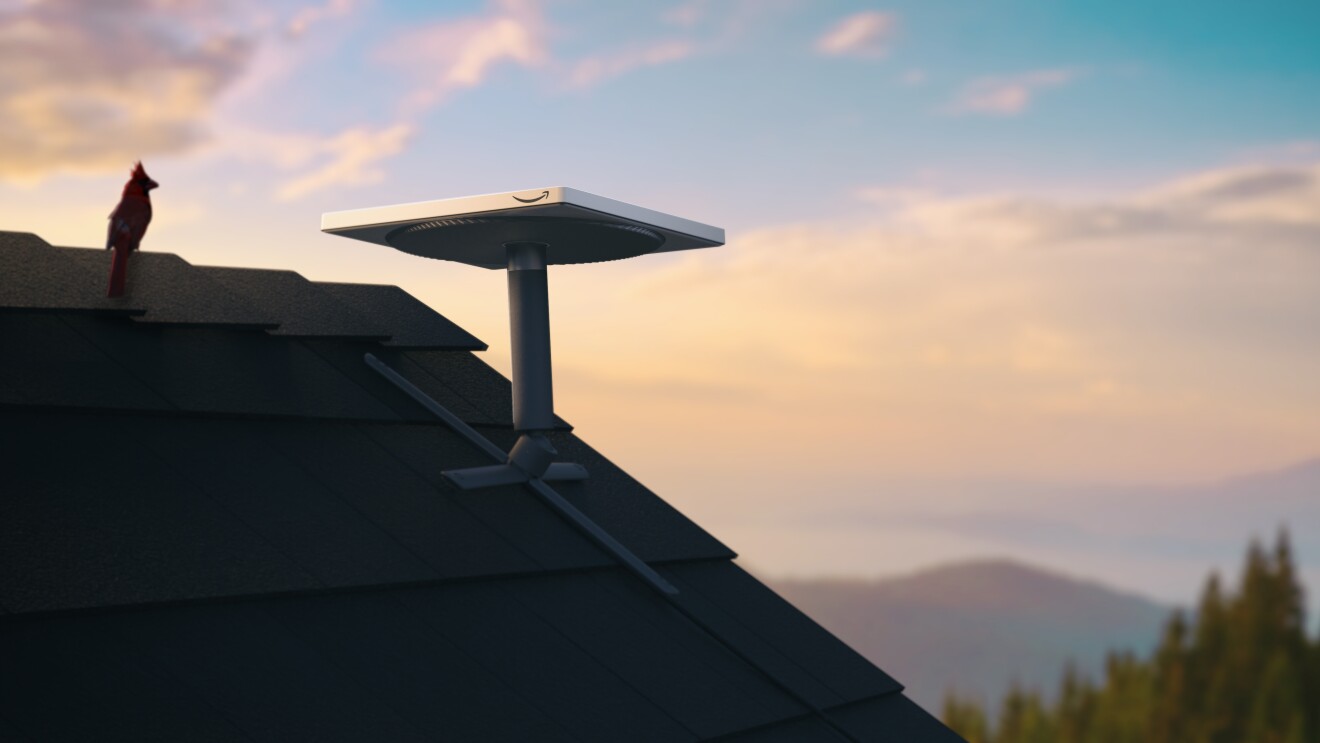
Discover the latest developments in space defense, innovative satellite technologies, nuclear advancements in space travel, and strategic military updates.

SpaceX targets May 19 for Starship V3's debut from Launch Pad 2, while the FCC approves a $2.4B EchoStar spectrum deal for Starlink.

Japan's H3 rocket successfully launched June 11, deploying 6 smallsats to orbit after December failure. First return-to-flight for JAXA's flagship heavy-lift vehicle.

Discover today's key space events: SpaceX's Starlink launch, rocket debris risks, and advancements in nuclear rocket technology.
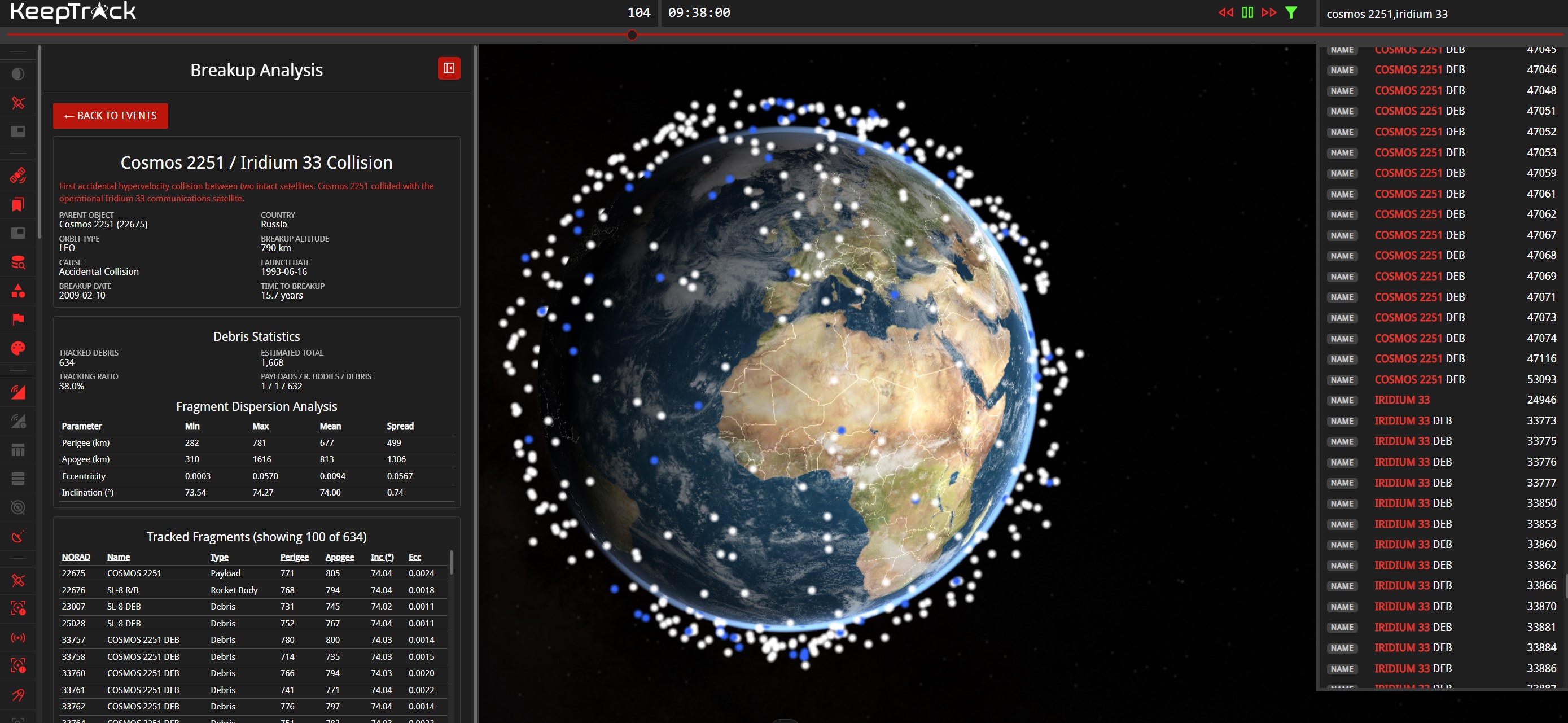
On February 10, 2009, an active Iridium communications satellite and a derelict Soviet military spacecraft slammed into each other 789 kilometers above Siberia. The collision produced more than 2,300 pieces of trackable debris that are still up there. Seventeen years later, the Iridium-Cosmos collision remains the event that made space debris a policy problem the world could no longer ignore.

Historic launches mark a transformative week in aerospace, with major milestones achieved by Isar Aerospace, SpaceX, and Botswana's entry into space. Significant advancements in reusability and European capabilities highlight key developments.