


Vulcan Grounding Threatens WGS-11 and OPIR Launches | KeepTrack Space Brief
ULA's Vulcan rocket grounded, imperiling Space Force WGS-11 communications satellite and Next-Gen OPIR missile warning payload. Both missions lack backup launch options.


Launch Date
August 21, 2021
Launch Site
Launch Pad
LC31
Launch Vehicle
Soyuz-2-1B
NORAD ID
49076
International Designator
2021-075B
Epoch
Sat, 04 Jul 2026 04:41:49 GMT
Apogee
Calculating...
Perigee
Calculating...
Inclination
87.89°
Right Ascension
347.29°
Eccentricity
Calculating...
Argument of Perigee
87.08°
Period
109.72 min
Mean Motion
13.12 rev/day
Latitude
Calculating...
Longitude
Calculating...
Altitude
Calculating...
Velocity
Calculating...
Name
ONEWEB-0286
Alternative Name
OneWeb SL0286
Type
Status
Owner
ONEWEBN
Country
United Kingdom
Constellation
N/A
Related Satellites
Major Events
N/A
1 49076U 21075B 26185.19570846 .00000130 00000-0 32602-3 0 9993
2 49076 87.8948 347.2948 0001857 87.0793 273.0548 13.12442432236796
Source: Celestrak
Length
1.3
Diameter
1
Span
5
Dry Mass
140
Launch Mass
148
Shape
Trapezoid+2 pan
Radar Cross Section
Unknown
Visual Magnitude
Unknown
Color
Unknown
Material Composition
Unknown
Payload
OneWeb L9-009
Purpose
Communication
Mission
Communication
Manufacturer
ONEWUS
Life Expectancy
+ 7 years
Bus
ARROW
Configuration
Arrow bus
Motor
SPT-50 or BHT-350 Hall effect thrusters
Equipment
Ku-Band payload
Power System
solar arrays, batteries
ADCS
Unknown
Transmitter Frequency
Unknown
Learn more about satellites and other related topics.
ULA's Vulcan rocket grounded, imperiling Space Force WGS-11 communications satellite and Next-Gen OPIR missile warning payload. Both missions lack backup launch options.

Today's space brief covers significant advancements in military counter-drone capabilities, workforce challenges in the Navy related to DOGE budget cuts, and highlights Germany's rise in defense spending. We also shine a spotlight on the communications satellite INTELSAT 901.
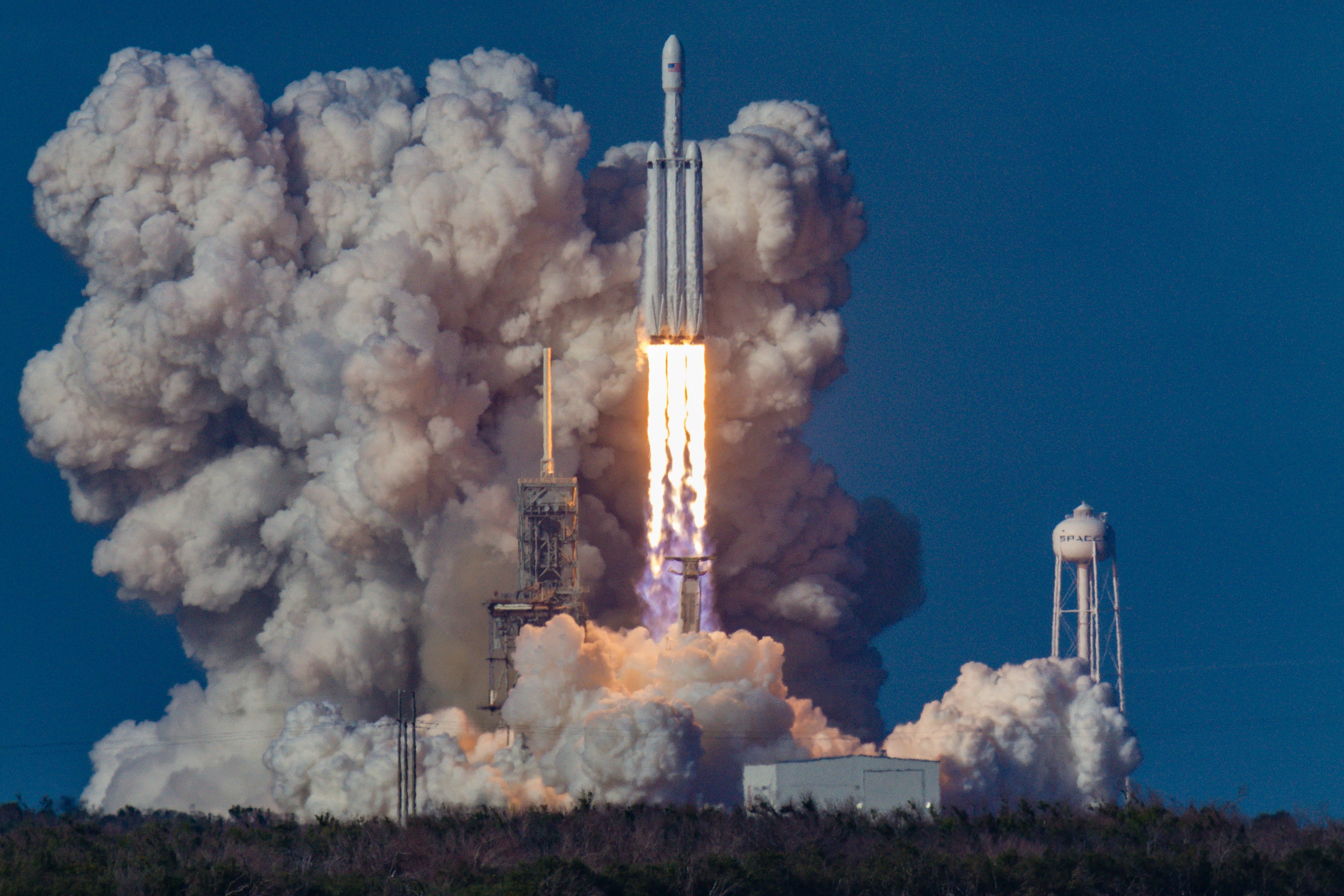
SpaceX gears up for an exciting July with a doubleheader launch planned for the east coast and ongoing advancements in Starlink technology.
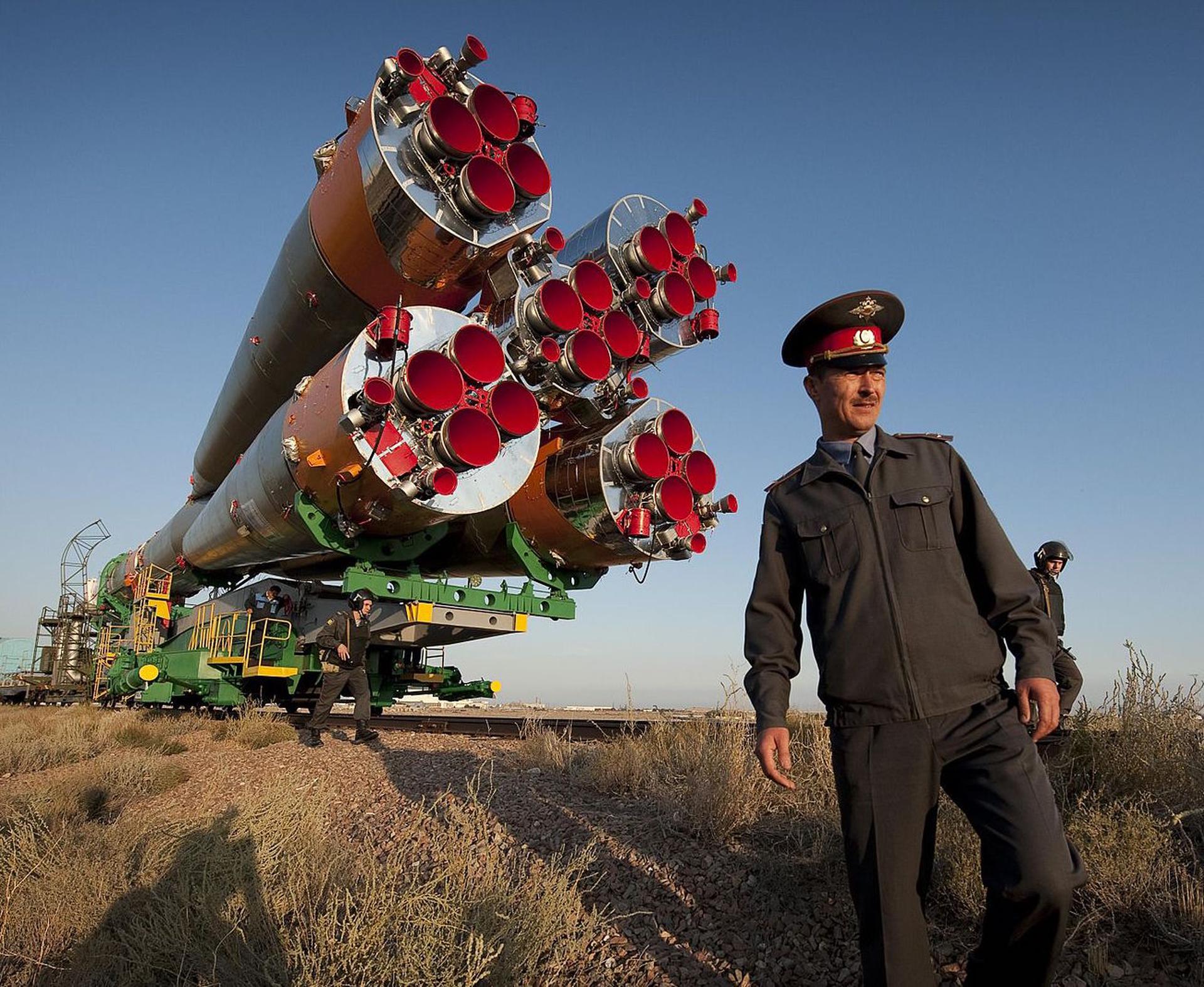
Long March 2C launches four PIESAT-2 radar satellites, Gilmour Space secures Australia's first orbital launch permit, NASA extends ISS cargo contracts through 2030, ESA and Arianespace face industry crossroads.
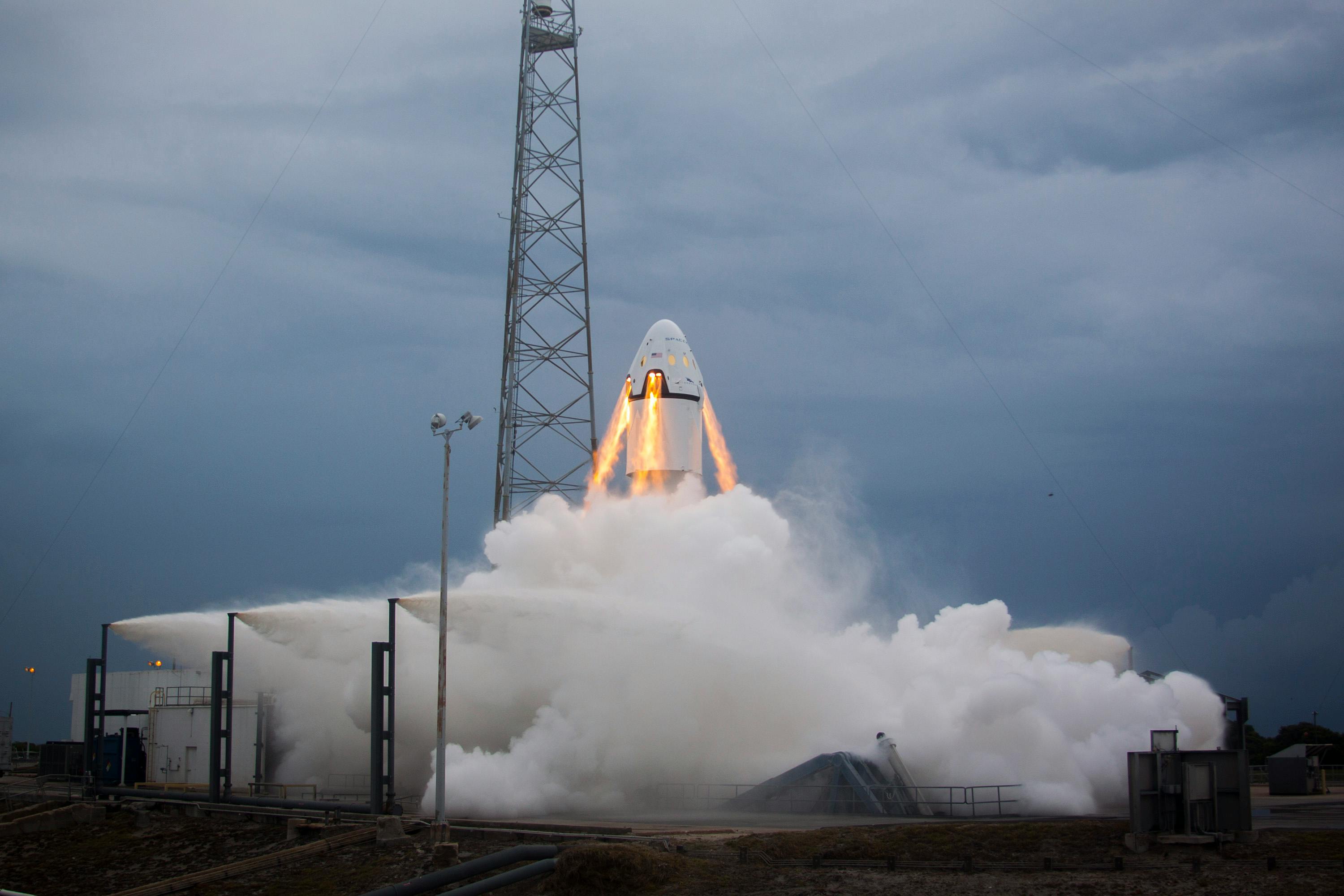
SpaceX gears up for its 11th Starship test flight, while Starlink expands connectivity through partnerships with T-Mobile, enhancing app functionality beyond cellular coverage.

Crew-11 launch preparations ramp up, Starship propellant production begins, and a global launch roundup highlights upcoming missions.
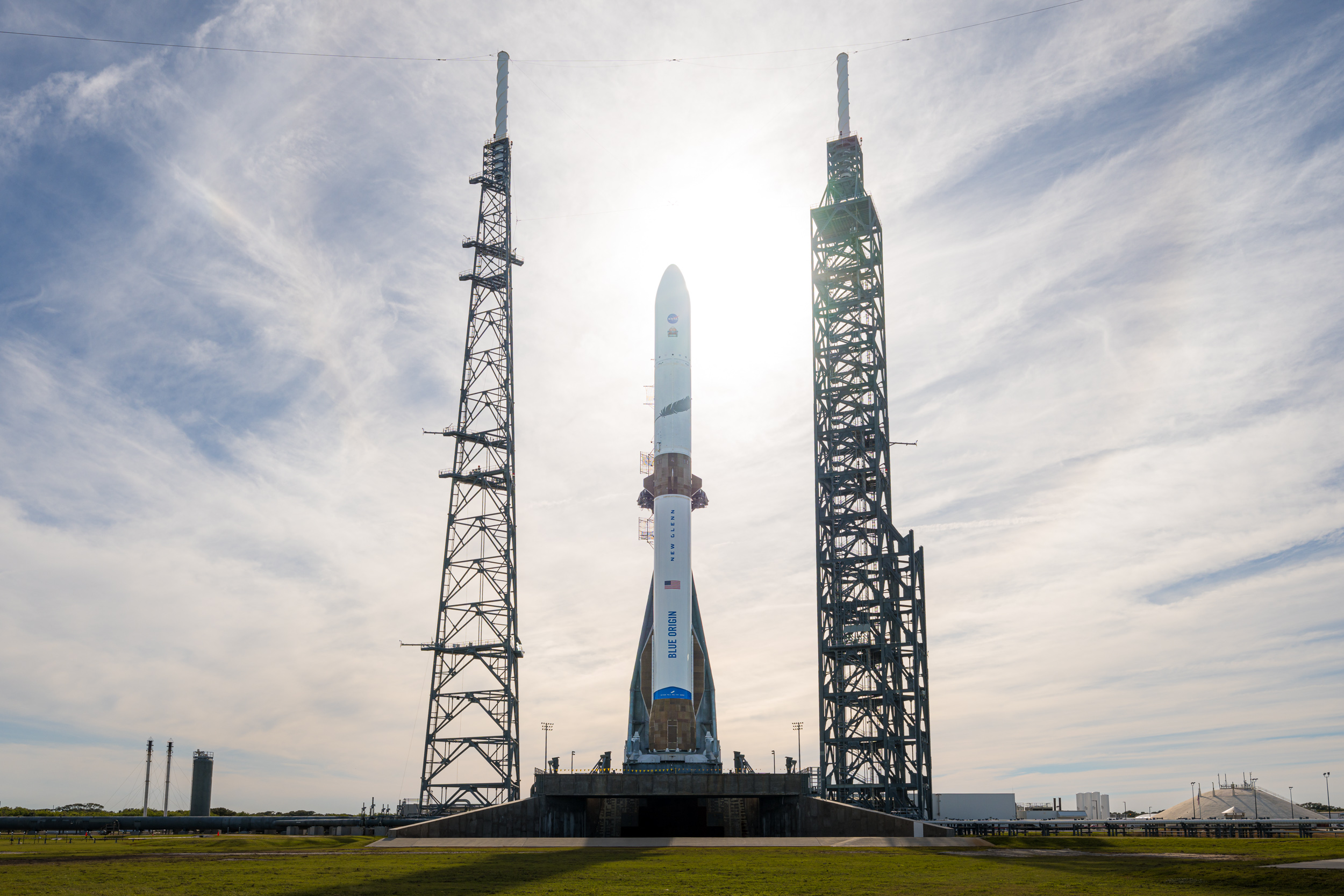
Artemis 2 astronauts completed first crewed lunar flyby since Apollo 17, traveling 690,000 miles aboard Orion. Four crew validated deep-space systems.
Today's Space Brief covers a crucial weather data decision by the U.S. Defense Department, an innovative power supply for aerospace systems, advancements in satellite link technology, and Norway's maritime surveillance. AI/ML tools for airspace management and concerns about defense testing capabilities are also highlighted.