


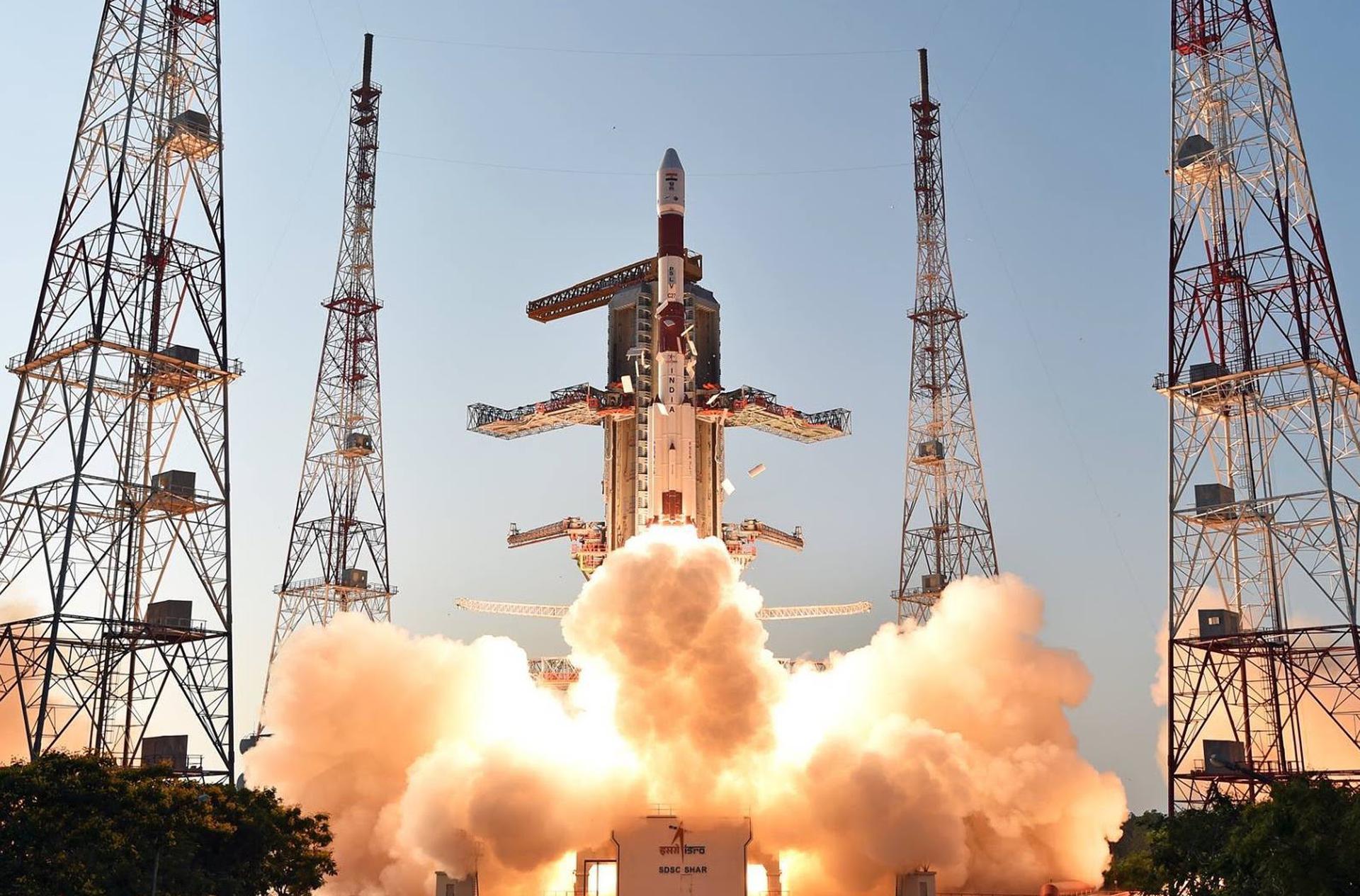
Space Brief 28 Sep 2025
Today's highlights include China's latest satellite launches, Blue Origin's expansion plans, and Purdue University's groundbreaking suborbital mission with Virgin Galactic.


Launch Date
July 9, 2021
Launch Site
TAISC
Launch Pad
LC16
Launch Vehicle
Chang Zheng 6
NORAD ID
49018
International Designator
2021-064A
Epoch
Sat, 04 Jul 2026 07:08:01 GMT
Apogee
Calculating...
Perigee
Calculating...
Inclination
45.00°
Right Ascension
149.80°
Eccentricity
Calculating...
Argument of Perigee
308.18°
Period
102.23 min
Mean Motion
14.09 rev/day
Latitude
Calculating...
Longitude
Calculating...
Altitude
Calculating...
Velocity
Calculating...
Name
NINGXIA-1 6
Alternative Name
Zhongzi 02 zu 01 xing
Type
Status
Owner
NINGX/CASC
Country
China
Constellation
N/A
Related Satellites
Major Events
N/A
1 49018U 21064A 26185.29724510 -.00000224 00000-0 -53156-4 0 9991
2 49018 44.9979 149.7976 0009188 308.1761 51.8247 14.08535051256621
Source: Celestrak
Length
0.5
Diameter
0.2
Span
1
Dry Mass
100
Launch Mass
100
Shape
Box + 2 pan
Radar Cross Section
Unknown
Visual Magnitude
Unknown
Color
Unknown
Material Composition
Unknown
Payload
Zhongzi 02-01
Purpose
RF spectrum monitoring, SIGINT, Traffic monitoring
Mission
RF spectrum monitoring, SIGINT, Traffic monitoring
Manufacturer
DFHZ
Life Expectancy
Unknown
Bus
NX-1
Configuration
Unknown
Motor
Unknown
Equipment
Unknown
Power System
Solar array, batteries
ADCS
Unknown
Transmitter Frequency
Unknown
Learn more about satellites and other related topics.
Today's highlights include China's latest satellite launches, Blue Origin's expansion plans, and Purdue University's groundbreaking suborbital mission with Virgin Galactic.
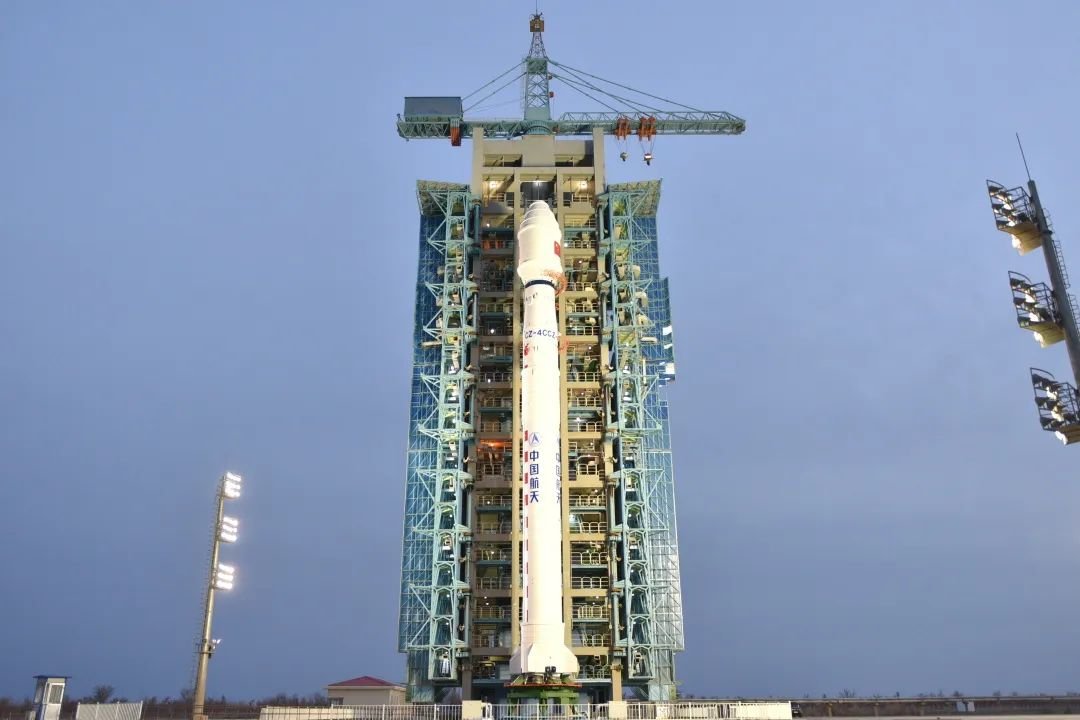
Discover the latest in satellite technology with the launch of the world's first wooden satellite, new test materials for the ISS, and significant developments in orbital space debris.

Today's Space Brief covers the reentry of Firefly's Blue Ghost moon lander, a compelling study on space debris exacerbated by climate change, and new advancements from the Vera Rubin Observatory.

Discover the history and significance of Two-Line Element Sets (TLEs) in satellite tracking. Dive into their components, applications, and how they are evolving to meet future space challenges.

ESA's Proba-3 spacecraft lost contact last month, grounding the dual-satellite solar eclipse mission. Formation flying between both craft is critical for coronagraph science.

SpaceX prepares for another Starlink launch from Florida, while recent Starship incident raises environmental concerns.
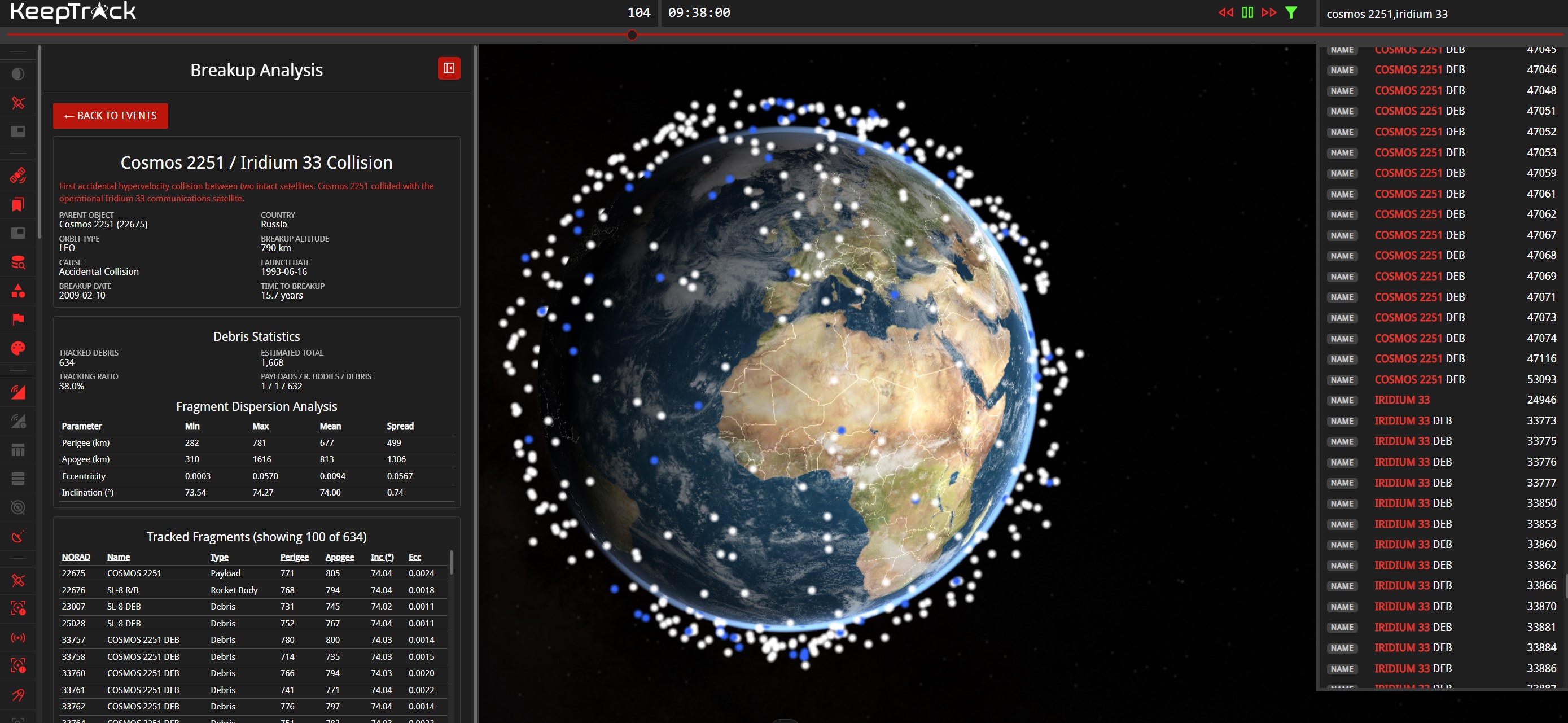
On February 10, 2009, an active Iridium communications satellite and a derelict Soviet military spacecraft slammed into each other 789 kilometers above Siberia. The collision produced more than 2,300 pieces of trackable debris that are still up there. Seventeen years later, the Iridium-Cosmos collision remains the event that made space debris a policy problem the world could no longer ignore.
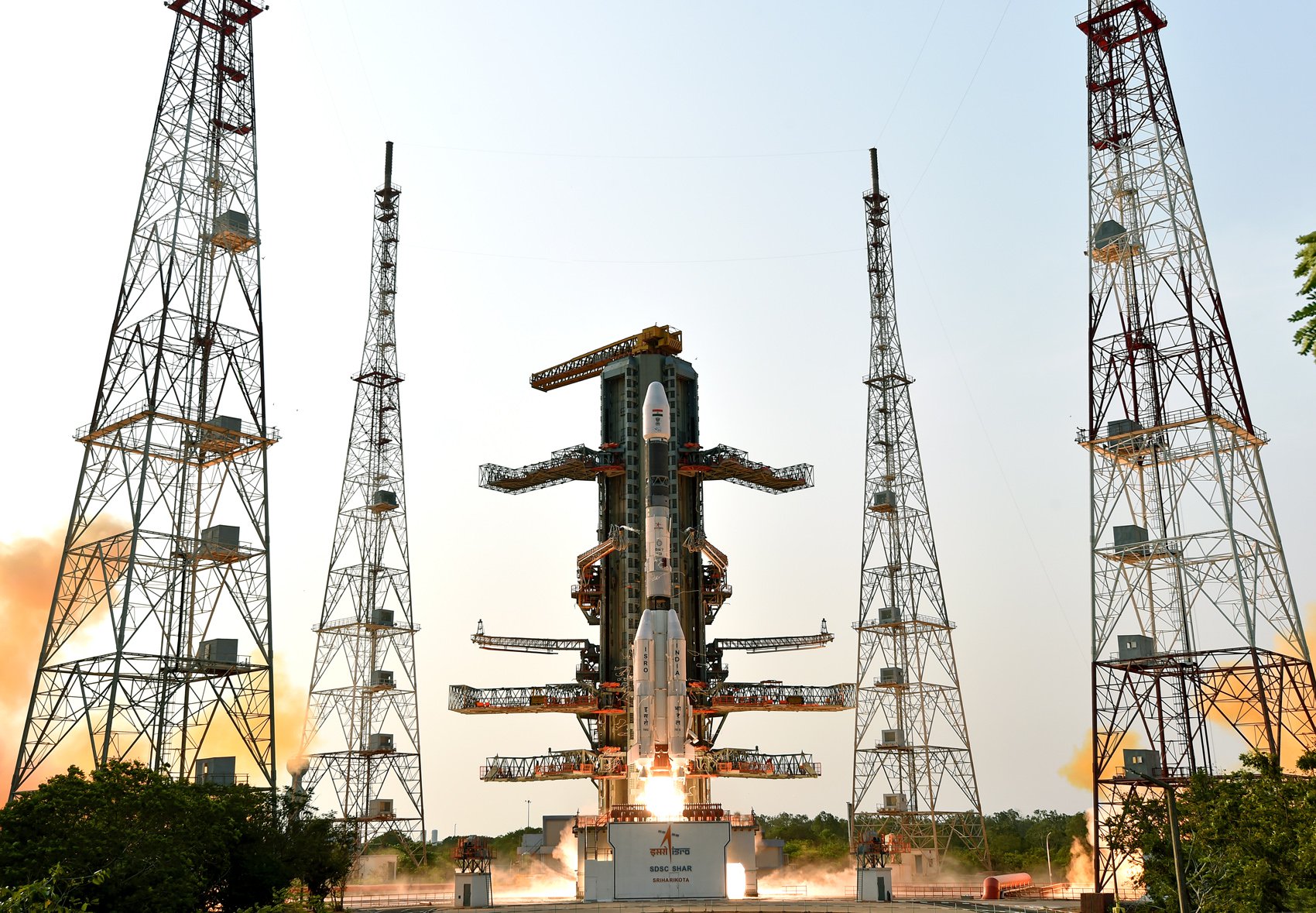
Today's highlights include China's remote-sensing satellite launch, U.S. Space Force's investment in missile-tracking satellites, and NASA's MAVEN milestone on Mars.