


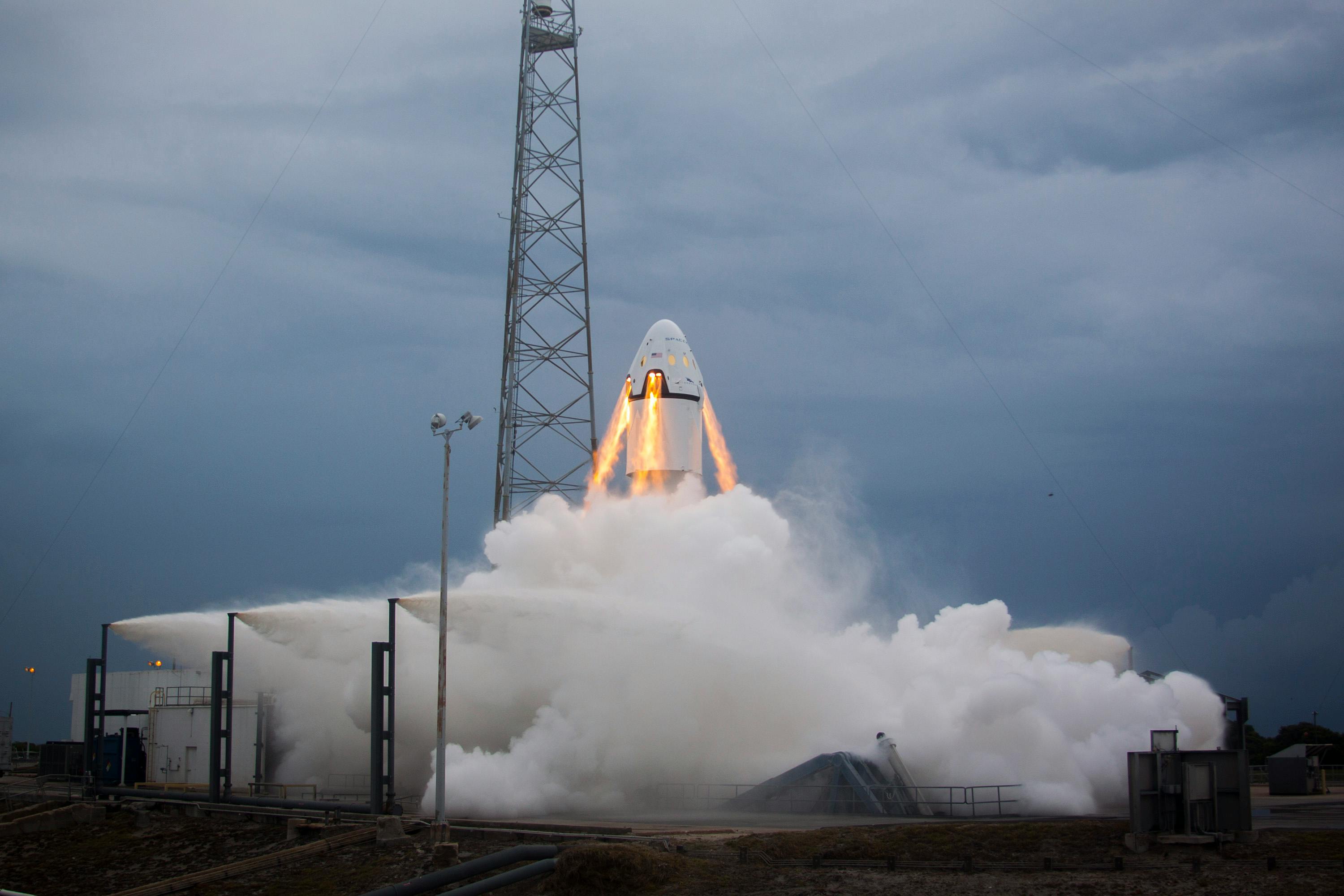
X Report 6 Oct 2025
SpaceX gears up for its 11th Starship test flight, while Starlink expands connectivity through partnerships with T-Mobile, enhancing app functionality beyond cellular coverage.


Launch Date
July 1, 2021
Launch Site
VOSTO
Launch Pad
PU1S
Launch Vehicle
Soyuz-2-1B
NORAD ID
48971
International Designator
2021-060E
Epoch
Sat, 04 Jul 2026 02:18:15 GMT
Apogee
Calculating...
Perigee
Calculating...
Inclination
87.91°
Right Ascension
225.42°
Eccentricity
Calculating...
Argument of Perigee
97.34°
Period
109.37 min
Mean Motion
13.17 rev/day
Latitude
Calculating...
Longitude
Calculating...
Altitude
Calculating...
Velocity
Calculating...
Name
ONEWEB-0253
Alternative Name
OneWeb SL0253
Type
Status
Owner
ONEWEBN
Country
United Kingdom
Constellation
N/A
Related Satellites
Major Events
N/A
1 48971U 21060E 26185.09600817 .00000121 00000-0 28162-3 0 9997
2 48971 87.9085 225.4176 0002162 97.3392 262.7985 13.16594582241818
Source: Celestrak
Length
1.3
Diameter
1
Span
5
Dry Mass
140
Launch Mass
148
Shape
Trapezoid+2 pan
Radar Cross Section
Unknown
Visual Magnitude
Unknown
Color
Unknown
Material Composition
Unknown
Payload
OneWeb L8-034
Purpose
Communication
Mission
Communication
Manufacturer
ONEWUS
Life Expectancy
+ 7 years
Bus
ARROW
Configuration
Arrow bus
Motor
SPT-50 or BHT-350 Hall effect thrusters
Equipment
Ku-Band payload
Power System
solar arrays, batteries
ADCS
Unknown
Transmitter Frequency
Unknown
Learn more about satellites and other related topics.
SpaceX gears up for its 11th Starship test flight, while Starlink expands connectivity through partnerships with T-Mobile, enhancing app functionality beyond cellular coverage.
SpaceX secured a $178.5M Space Force contract to launch missile-tracking satellites from 2027, backing the Missile Track Custody threat-tracking layer.
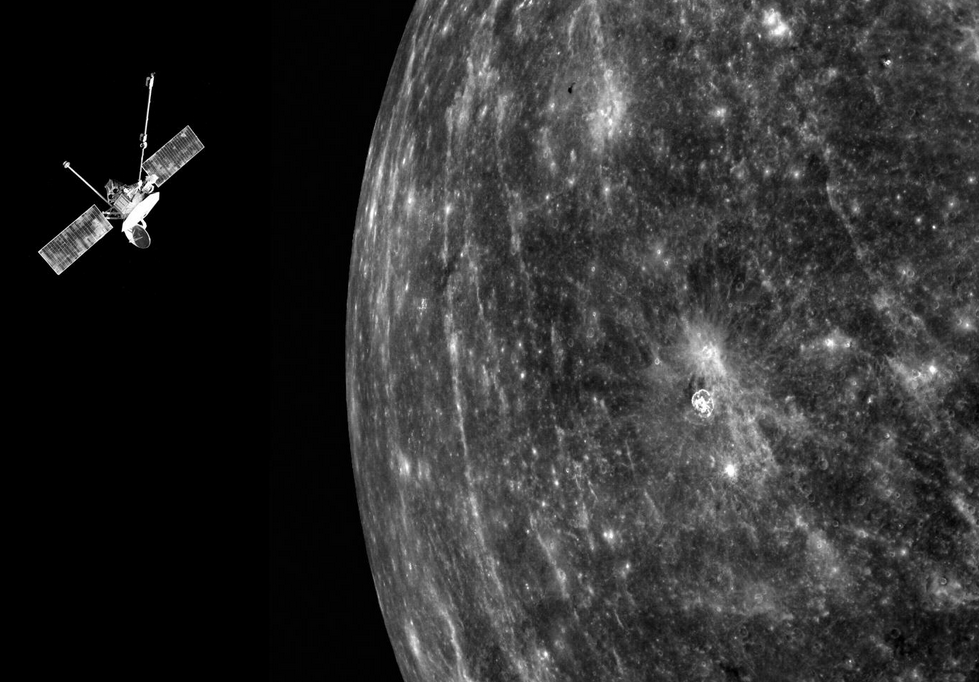
Fifty-one years ago, Mariner 10 revolutionized space exploration by executing the first-ever planetary gravity assist at Venus, pioneering a technique that would transform how we explore the solar system

Today's highlights include Rocket Lab's progress on the Space Force's VICTUS HAZE mission, BlackSky's new government contract, and AEI's policy recommendations for Space Force restructuring.

SpaceX gears up for new Starlink shell deployment and secures updated licensing for Starship, amidst ongoing preparations for Falcon 9 launches.
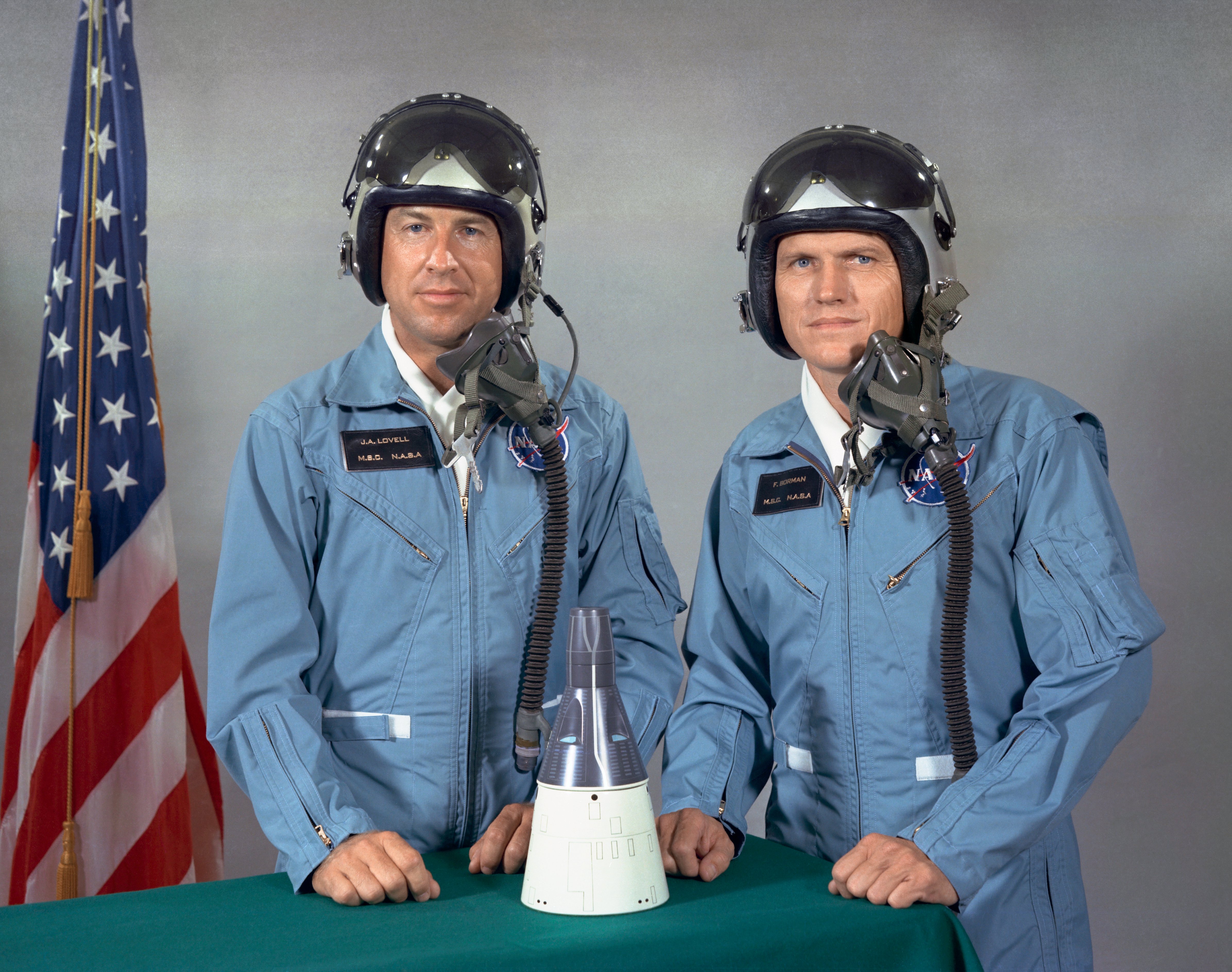
Sixty years ago, Frank Borman and James Lovell launched aboard Gemini 7 for a grueling 14-day mission that would prove humans could endure the journey to the moon and achieve the first true rendezvous in space

The Kessler Syndrome threatens humanity's future in space as cascading satellite collisions create exponential debris growth. With 36,000+ tracked objects and recent incidents accelerating risks, we face a critical juncture: implement solutions now or potentially lose access to low Earth orbit forever.
Today’s Space Brief covers significant developments such as SpaceX’s latest Starlink launch, the US Space Force testing modular satellite technology, and key long-range missile tests by the Pentagon.