SPACEBEE-88 (48935)

COSPAR: 2021-059BJ | Alt Name: SpaceBEE-88
DECAYED

Image
SPACEBEE-88 Satellite Image
Additional Sources
Launch Details

Launch Date

June 30, 2021

Launch Pad

LC40

Launch Vehicle

Falcon 9

Orbital Elements

NORAD ID

48935

International Designator

2021-059BJ

Decay Date

2/23/2023

Basic Satellite Info

Name

SPACEBEE-88

Alternative Name

SpaceBEE-88

Type

Payload

Status

Decayed

Owner

SWARM

Country

United States

Constellation

N/A

Related Satellites

Major Events

N/A

Summary
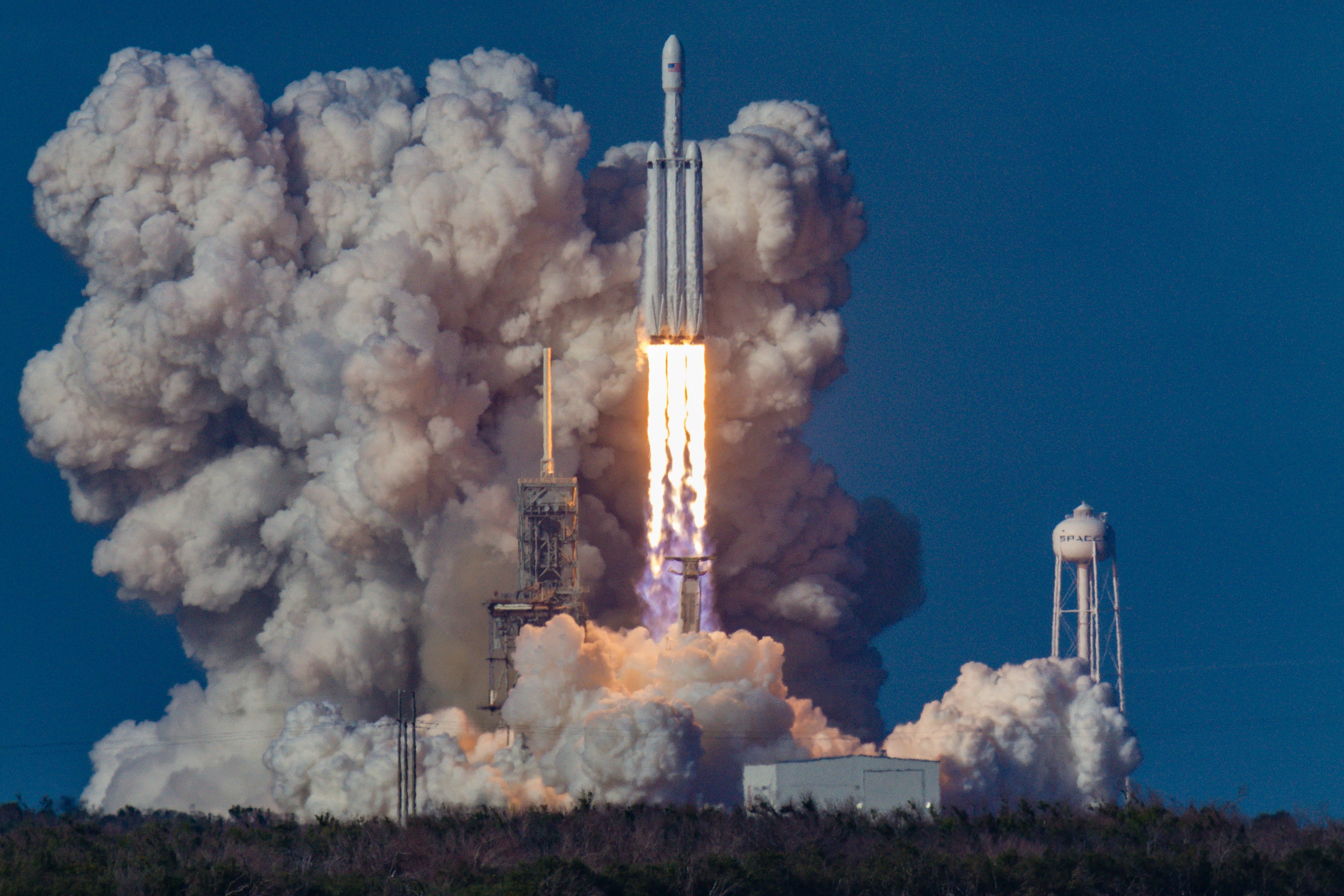
The SPACEBEE-88 satellite, also known as SpaceBEE-88, is a 0.25U CubeSat launched on June 30, 2021, from the Air Force Eastern Test Range (AFETR), Launch Complex 40 (LC40) using a Falcon 9 launch vehicle. It was manufactured by SWARM and has dimensions of 0.025 meters in length, 0.1 meter in diameter, and spans up to 0.9 meters. The satellite weighs approximately 0.284 kilograms both at launch and dry mass. Its mission involves communication for Machine-to-Machine (M2M) and Internet of Things (IoT) purposes, powered by solar cells and batteries. The spacecraft is designed in a box shape with two antennas and is owned by SWARM.
Physical Characteristics

Length

0.025

Diameter

0.1

Span

0.9

Dry Mass

0.284

Launch Mass

0.284

Shape

Box+2 ant

Radar Cross Section

Unknown

Visual Magnitude

Unknown

Color

Unknown

Material Composition

Unknown

Technical Details

Payload

SpaceBEE 88

Purpose

Communication M2M/IoT

Mission

Communication M2M/IoT

Manufacturer

SWARM

Life Expectancy

Unknown

Bus

Cubesat 0.25U

Configuration

CubeSat (0.25U)

Motor

None

Equipment

Unknown

Power System

Solar cells, batteries

ADCS

Unknown

Transmitter Frequency

Unknown

Satellite Articles

View All Posts »

Learn more about satellites and other related topics.

Space Brief 14 Dec 2025

Space Brief 14 Dec 2025

Today's briefing covers Blue Origin's certification progress, a near-miss between a Chinese spacecraft and a Starlink satellite, SpaceX's latest Starlink launch and booster landing, potential IPO news from SpaceX, and advancements in Starlink integration with Tesla vehicles.

Space Brief 6 Jul 2025

Space Brief 6 Jul 2025

Today’s brief covers the delayed launch of Australia's first orbital rocket, China's reusability programs, and the snow-enforced shutdown of a Chilean radio telescope.

SpaceX Plans Seven Rocket Launches From Six Global Sites This Week | KeepTrack X Report

SpaceX Plans Seven Rocket Launches From Six Global Sites This Week | KeepTrack X Report

SpaceX targets seven rocket launches from six global sites this week including two Falcon 9 missions from California. 29 Starlink satellites successfully deployed from Cape Canaveral on January 18.

Space Brief 14 Sep 2025

Space Brief 14 Sep 2025

Today's highlights include SpaceX's 300th Starlink launch, NASA re-establishing contact with a TRACERS satellite, and budget concerns impacting the commercial remote sensing industry.

Starship Flight 12 Debuts Ship V3 as SDA Reorganizes York Space | KeepTrack Space Brief

Starship Flight 12 Debuts Ship V3 as SDA Reorganizes York Space | KeepTrack Space Brief

SpaceX's Starship Flight 12 debuts Ship 39 and Booster 19 on May 19, while York Space faces investor confusion as Space Force reorganizes the Space Development Agency.

X Report 26 Oct 2025

X Report 26 Oct 2025

SpaceX continues to make waves with record launches and emerging challenges in its lunar endeavors. A new launch site on the West Coast promises to ramp up capacity, even as the Falcon 9 prepares for its eventual retirement.

Space Brief 1 Feb 2025

Space Brief 1 Feb 2025

Today's brief covers advances in satellite docking technology, challenges faced by space companies with government navigation, and China's leap in space autonomy through AI developments.

Europe's First Starlink Direct-to-Smartphone Service Goes Live | KeepTrack X Report

Europe's First Starlink Direct-to-Smartphone Service Goes Live | KeepTrack X Report

Virgin Media O2 launches Europe's first Starlink direct-to-smartphone service in the UK. SpaceX launches 29 more Starlink satellites. Dragon cargo capsule returns after 6-month ISS mission.