


Space Force Picks Boeing 702MP for MUOS Follow-On | KeepTrack Space Brief
U.S. Space Force selects Boeing's 702MP spacecraft for next-generation MUOS satellites. Rocket Lab delivers Synspective's 10th StriX radar satellite. Track both missions.


Launch Date
June 30, 2021
Launch Site
Launch Pad
LC40
Launch Vehicle
NORAD ID
48889
International Designator
2021-059L
Decay Date
9/12/2023
Name
SPACEBEENZ-7
Alternative Name
SpaceBEE NZ-7
Type
Status
Owner
SWARNZ
Country
New Zealand
Constellation
N/A
Related Satellites
Major Events
N/A
Length
0.025
Diameter
0.1
Span
0.9
Dry Mass
0.284
Launch Mass
0.284
Shape
Box+2 ant
Radar Cross Section
Unknown
Visual Magnitude
Unknown
Color
Unknown
Material Composition
Unknown
Payload
SpaceBEE NZ-7
Purpose
Communication M2M/IoT
Mission
Communication M2M/IoT
Manufacturer
SWARM
Life Expectancy
Unknown
Bus
Cubesat 0.25U
Configuration
CubeSat (0.25U)
Motor
None
Equipment
Unknown
Power System
Solar cells, batteries
ADCS
Unknown
Transmitter Frequency
Unknown
Learn more about satellites and other related topics.
U.S. Space Force selects Boeing's 702MP spacecraft for next-generation MUOS satellites. Rocket Lab delivers Synspective's 10th StriX radar satellite. Track both missions.
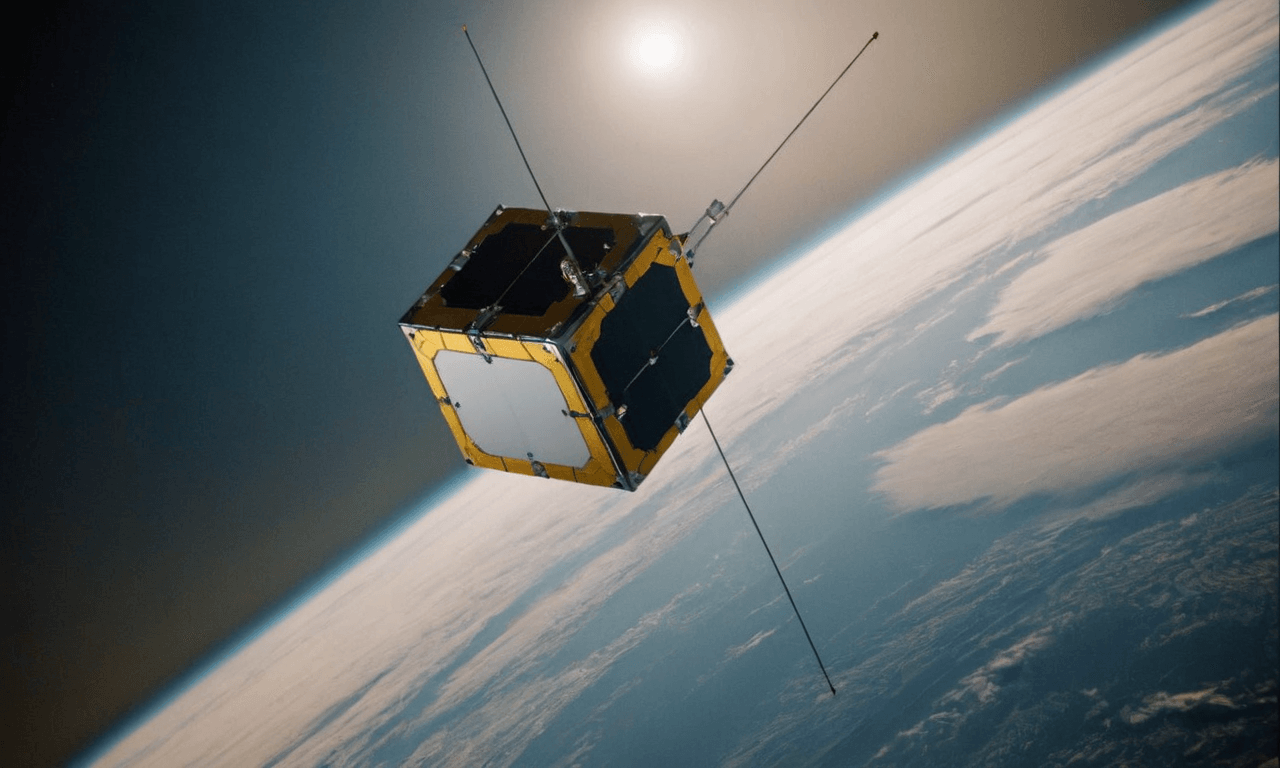
Today's brief covers China's Yaogan-43 satellite launch, delays in ESA's BepiColombo mission, regulatory approval for OHB's KKR deal, and an upcoming Sentinel-2C launch.
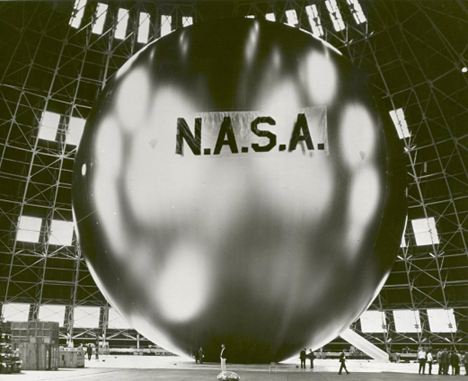
When a 135-foot inflatable mirror bounced a radio signal from England to Russia, it became the first joint US-Soviet space venture - and changed how we think about satellite communication.

SpaceX successfully launched 28 Starlink satellites while preparing for the upcoming Ax-4 mission to the ISS. Significant progress continues in their ongoing space endeavors.

Space Force suspends all Vulcan launches pending solid rocket booster investigation. Rocket Lab scrubs HASTE hypersonic vehicle launch. Military space funding hits record highs.
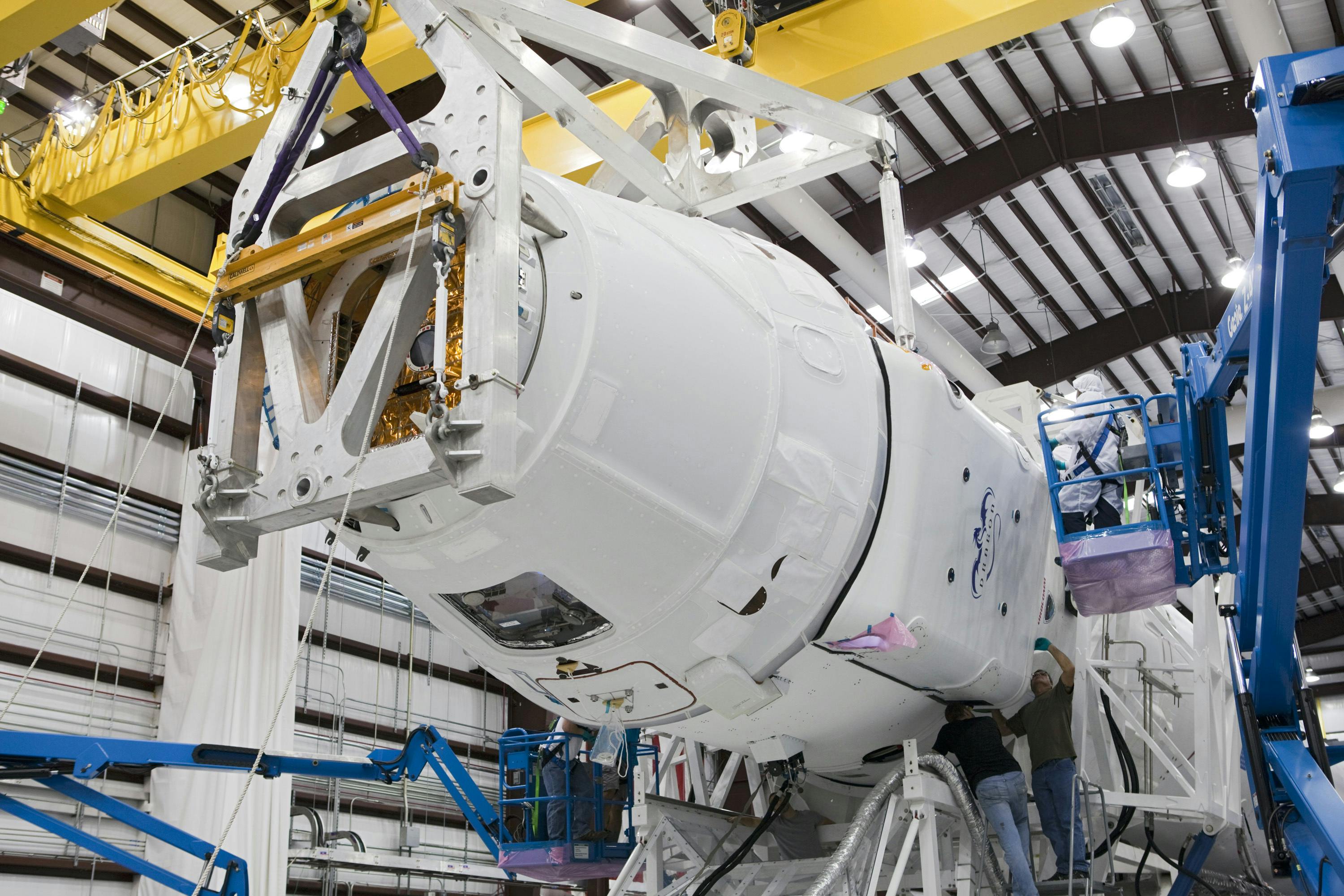
SpaceX secures a significant military contract while successfully launching multiple batches of Starlink satellites. Furthermore, milestones aboard the ISS highlight ongoing space missions.
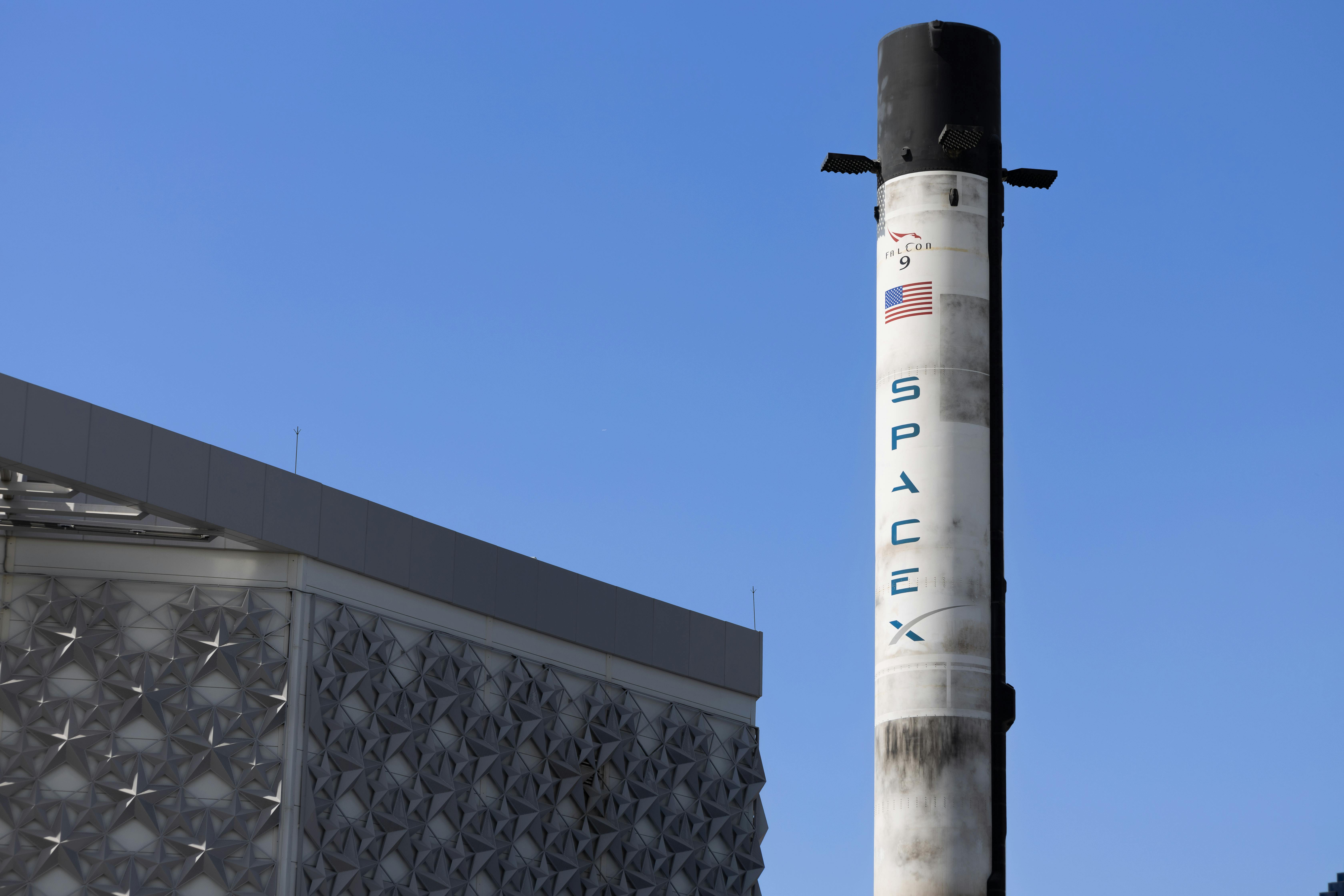
A California firm wins NASA's Aeolus Mars orbiter contract, targeting 2028 launch for the first daily global Martian environment measurements.

Landsat 7 launched on April 15, 1999, designed to last five years. It operated for twenty-five, survived a failure that destroyed a fifth of every image it took, and became part of the longest continuous record of Earth's surface ever assembled. Then they made the data free.