


Blue Origin's New Glenn Explodes During Ground Test | KeepTrack Space Brief
Blue Origin's New Glenn rocket exploded during ground testing May 28, visible from hundreds of miles across Florida. Fireball halts vehicle pending failure investigation.


Launch Date
June 30, 2021
Launch Site
Launch Pad
LC40
Launch Vehicle
NORAD ID
48883
International Designator
2021-059E
Decay Date
3/12/2024
Name
SPACEBEE-100
Alternative Name
SpaceBEE-100
Type
Status
Owner
SWARM
Country
United States
Constellation
N/A
Related Satellites
Major Events
N/A
Length
0.025
Diameter
0.1
Span
0.9
Dry Mass
0.284
Launch Mass
0.284
Shape
Box+2 ant
Radar Cross Section
Unknown
Visual Magnitude
Unknown
Color
Unknown
Material Composition
Unknown
Payload
SpaceBEE 100
Purpose
Communication M2M/IoT
Mission
Communication M2M/IoT
Manufacturer
SWARM
Life Expectancy
Unknown
Bus
Cubesat 0.25U
Configuration
CubeSat (0.25U)
Motor
None
Equipment
Unknown
Power System
Solar cells, batteries
ADCS
Unknown
Transmitter Frequency
Unknown
Learn more about satellites and other related topics.
Blue Origin's New Glenn rocket exploded during ground testing May 28, visible from hundreds of miles across Florida. Fireball halts vehicle pending failure investigation.

Today's highlights include Rocket Lab's record year, setbacks in Japanese space endeavors, secure communication advancements in orbit, and more updates on martian expeditions.

On February 2, 1909, Robert Goddard made a revolutionary breakthrough in his notebook: liquid oxygen and liquid hydrogen could achieve 50% efficiency in converting heat energy to kinetic energy for rocket propulsion
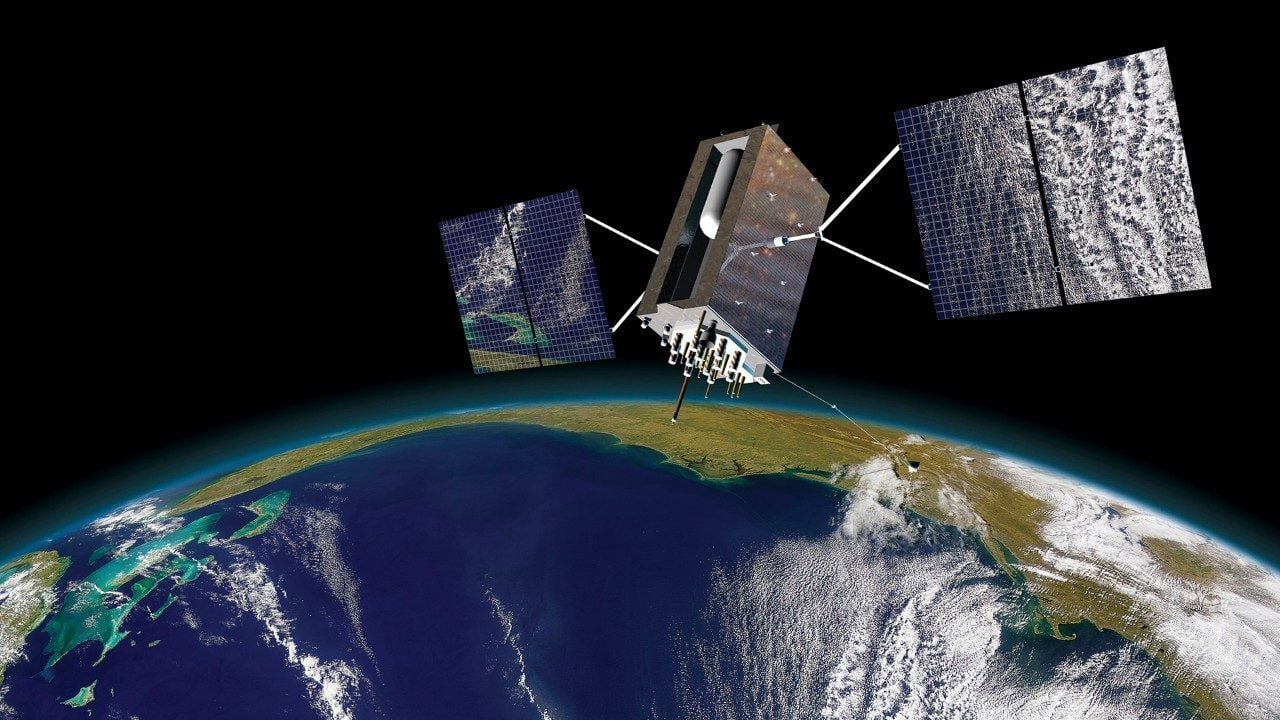
On April 17, 2026, the U.S. Space Force officially cancelled the Next Generation Operational Control System after sixteen years of development, cost overruns, and testing failures. The $8 billion program was supposed to unlock the military's encrypted GPS signal. Instead, the satellites are flying with capabilities the ground can't command.
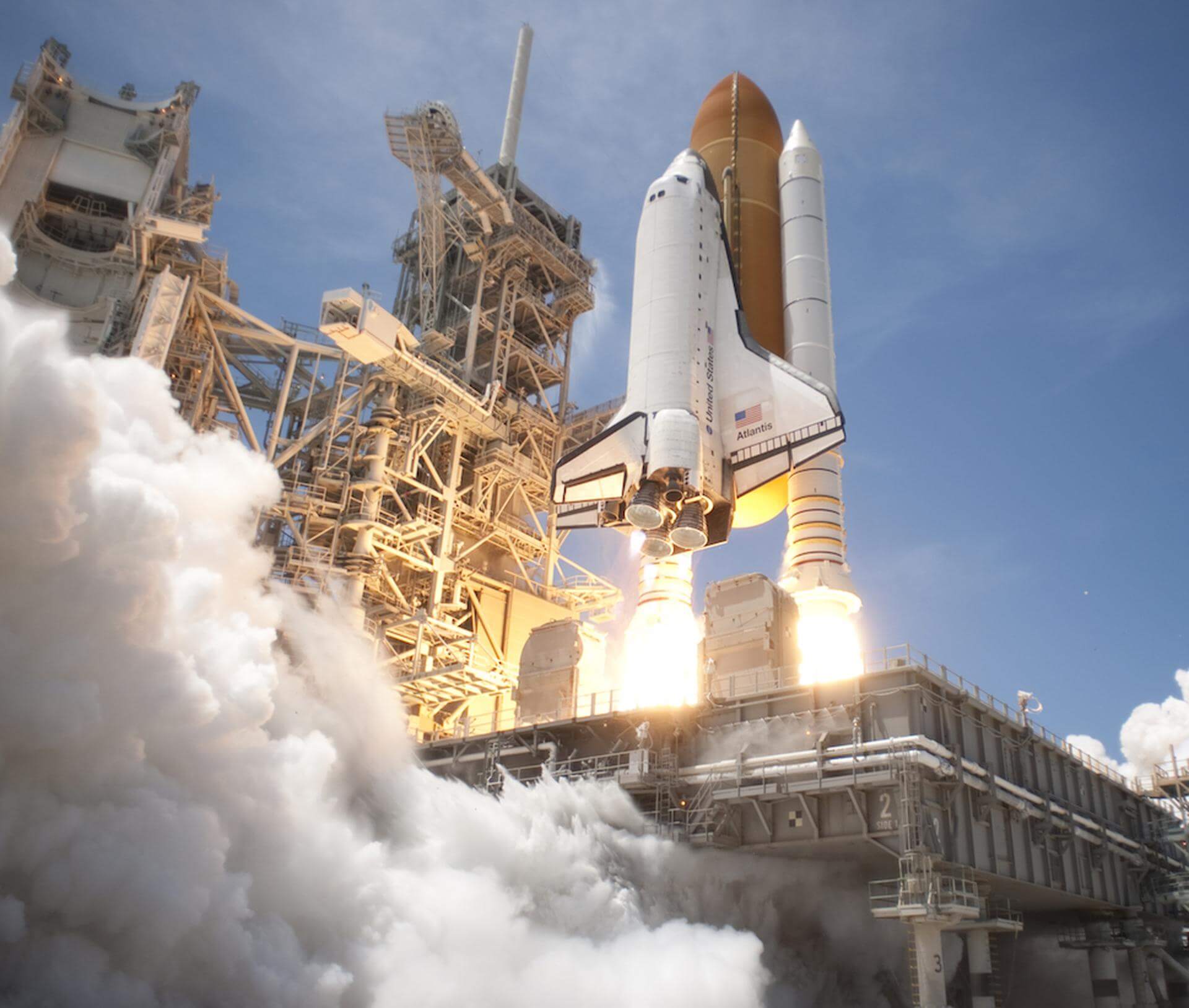
Blue Origin's New Glenn suffered catastrophic anomaly during static fire test at LC-36. Amazon LEO satellites pulled; NASA lunar missions now in question.
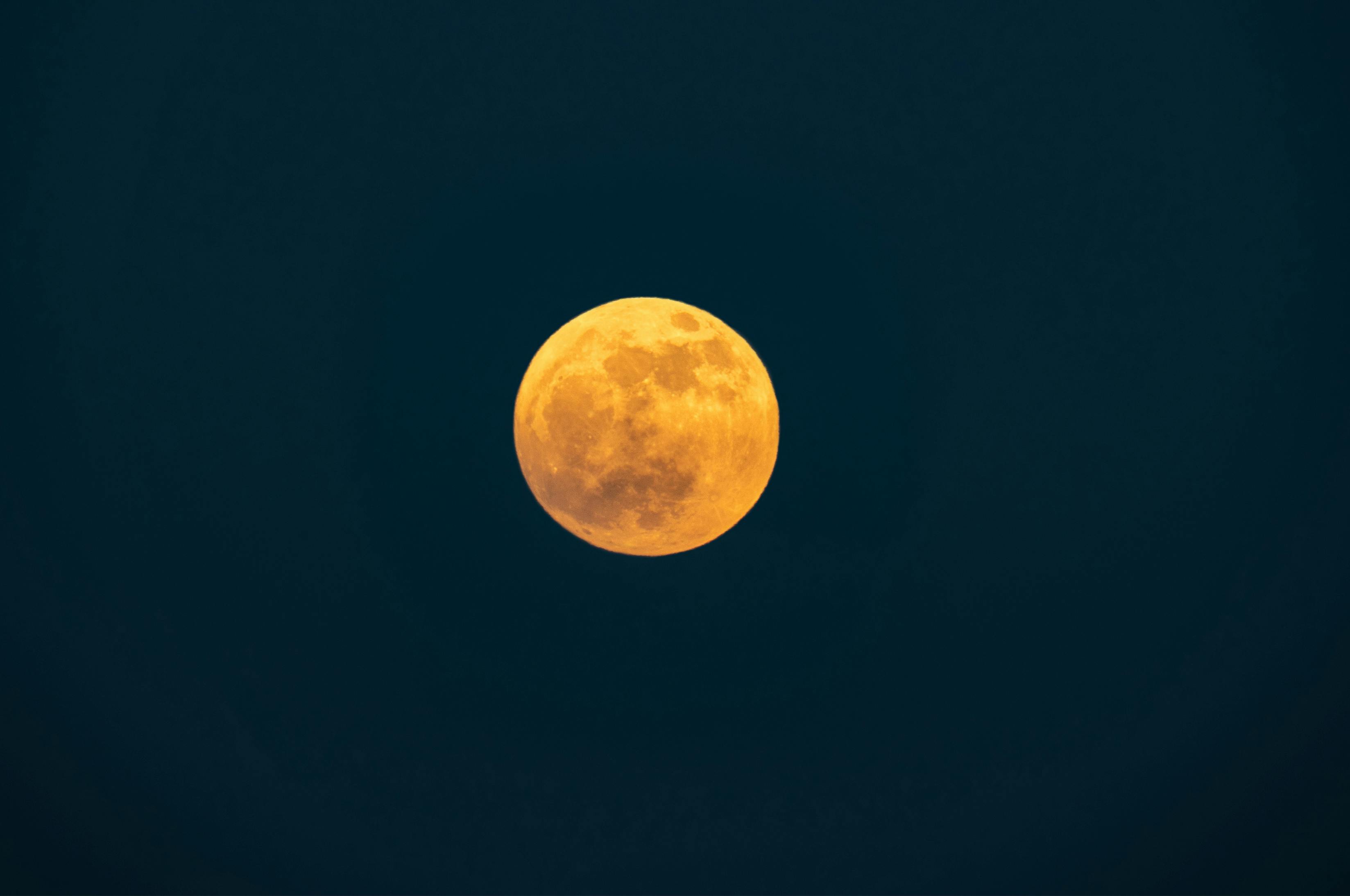
Today's Space Brief covers crucial satellite events including upcoming launches, military space developments, and exceptional celestial sightings.

Today's highlights include Rocket Lab joining the US Space Force's national security launch program, SpaceX's upcoming Starlink deployment, China's successful EVA, and intriguing science aboard SpaceX's Fram2 mission.
Three Chinese rocket bodies have exploded over four years, creating debris clouds that will linger for decades to centuries, according to LeoLabs analysis. Fragmentation events threaten commercial and military operators.