PROGRESS-MS 17 (48869)

COSPAR: 2021-057A | Alt Name: Progress MS-17
DECAYED

Image
PROGRESS-MS 17 Satellite Image
Additional Sources
Launch Details

Launch Date

June 29, 2021

Launch Pad

LC31

Launch Vehicle

Soyuz-2-1A

Orbital Elements

NORAD ID

48869

International Designator

2021-057A

Decay Date

11/25/2021

Basic Satellite Info

Name

PROGRESS-MS 17

Alternative Name

Progress MS-17

Type

Payload

Status

Decayed

Owner

RKKE

Country

Russia

Constellation

N/A

Related Satellites

Major Events

N/A

Summary
PROGRESS-MS 17 (also known as Progress MS-17) is a cargo satellite launched on June 29, 2021, from the Tyuratam Space Center using a Soyuz-2-1A launch vehicle at Launch Pad LC31. The spacecraft has dimensions of 7.9 meters in length and diameter, with a span of 7.9 meters. It had a dry mass of 4,325 kg and launched with a total mass of 4,960 kg. The satellite was manufactured by PROGT (Progress State Research and Production Enterprise) and is owned by RKKE (Russian Space Systems). Its purpose is to deliver cargo, and it features power generation through two deployable fixed solar arrays along with batteries. The spacecraft's configuration includes a cylindrical body, sphere, cone, and two panels. It operates under the mission of transporting supplies and is equipped with the 11D428A motor for propulsion.
Physical Characteristics

Length

7.9

Diameter

2.7

Span

7.9

Dry Mass

4325

Launch Mass

4960

Shape

Cyl + Sphere + Cone + 2 Pan

Radar Cross Section

Unknown

Visual Magnitude

Unknown

Color

Unknown

Material Composition

Unknown

Technical Details

Payload

Progress 7K-TGM No. 446

Purpose

Cargo

Mission

Cargo

Manufacturer

PROGT

Life Expectancy

Unknown

Bus

7K-TGM

Configuration

Unknown

Motor

11D428A

Equipment

Unknown

Power System

2 deployable fixed solar arrays, batteries

ADCS

Unknown

Transmitter Frequency

Unknown

Satellite Articles

View All Posts »

Learn more about satellites and other related topics.

Space Force Awards $54.5M to Starfish Space for GEO Servicing | KeepTrack Space Brief

Space Force Awards $54.5M to Starfish Space for GEO Servicing | KeepTrack Space Brief

Space Force awards $54.5M to Starfish Space for GEO satellite servicing vehicle. Artemis II heads to launch pad for first crewed Moon flyby in 54 years. Crew-12 confirmed.

Space Brief 14 Feb 2025

Space Brief 14 Feb 2025

Key developments include Redwire's contract for a US Space Force mission, UK's steps toward its first orbital launch, and a detailed military satellite spotlight.

SpaceX Blocks Unauthorized Russian Starlink Terminals | KeepTrack X Report

SpaceX Blocks Unauthorized Russian Starlink Terminals | KeepTrack X Report

SpaceX disables Starlink terminals used by Russian troops after Ukrainian coordination. Crew-12 delayed to Feb 13 by weather. 24 Starlink satellites launched from Vandenberg.

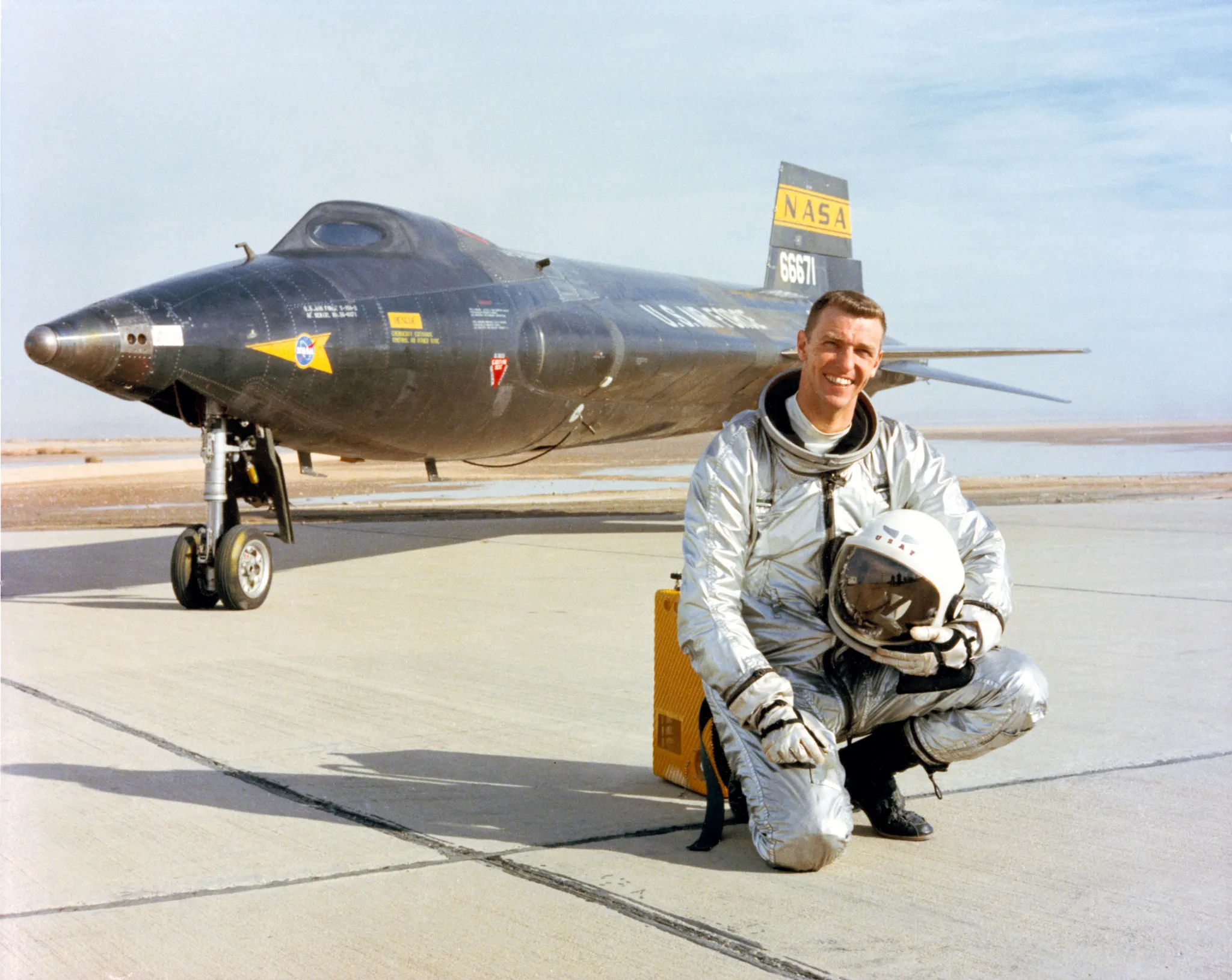
Joe Engle and the Youngest Astronaut Wings Ever Earned

Joe Engle and the Youngest Astronaut Wings Ever Earned

On 29 June 1965, a young Air Force test pilot rode a rocket-powered airplane to 280,600 feet above the California desert. He landed ten minutes later as the youngest person ever to earn astronaut wings.

X Report 24 Jun 2025

X Report 24 Jun 2025

SpaceX successfully launched the Transporter-14 mission, adding multiple payloads, including Canadian satellites and a memorial capsule, while Starlink expands its services in Vietnam and enhances T-Mobile's reach.

X Report 14 Dec 2024

X Report 14 Dec 2024

SpaceX advances with Starship readiness, scrubs mysterious RRT-1 launch, and successfully deploys more Starlink satellites.

The Day That Changed Spaceflight Forever

The Day That Changed Spaceflight Forever

Thirty-nine years ago, the loss of Space Shuttle Challenger and its seven crew members forever transformed our approach to spaceflight safety and risk management

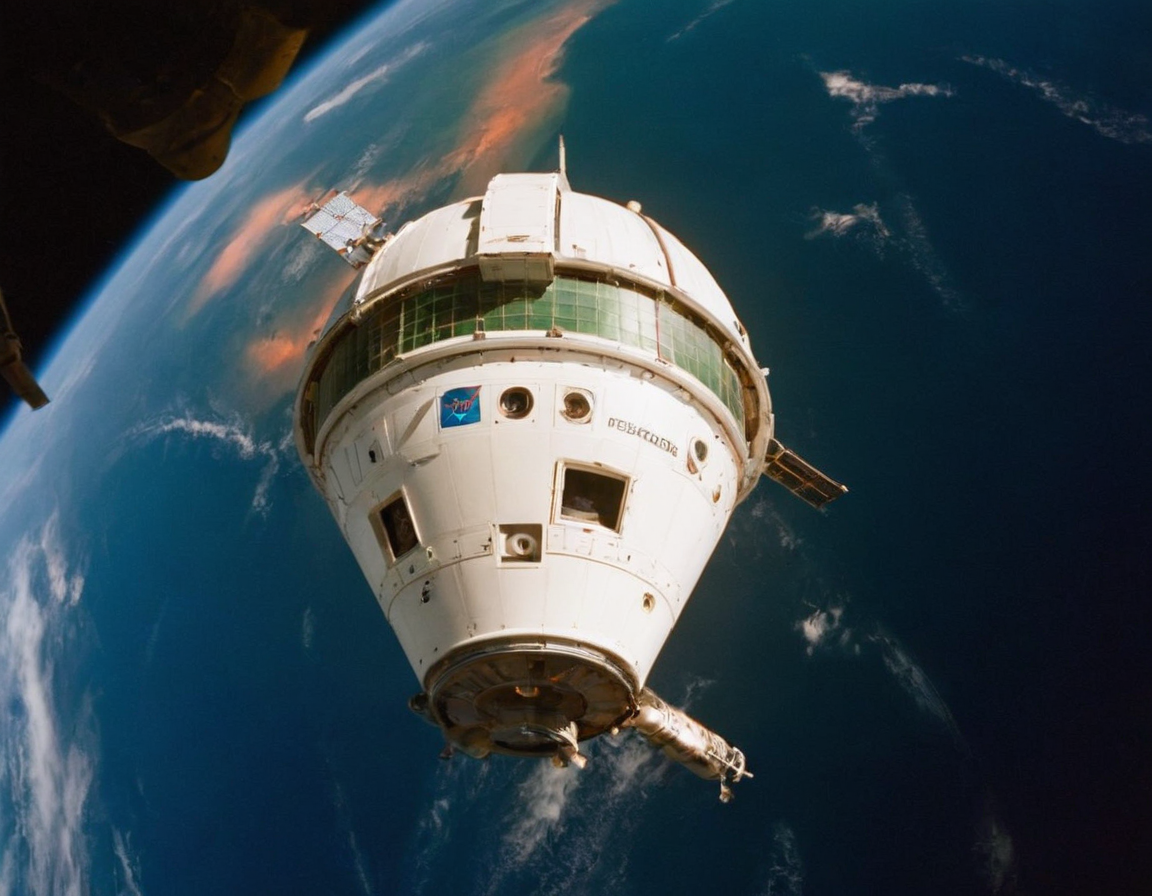
Boeing Starliner Faces New Setbacks, Stranding NASA Astronauts on ISS

Boeing Starliner Faces New Setbacks, Stranding NASA Astronauts on ISS

Boeing's Starliner spacecraft encounters thruster problems and helium leaks during its first crewed mission, potentially delaying the return of NASA astronauts from the International Space Station.