


Falcon 9 Booster B1067 Reaches 35th Flight Record | KeepTrack Space Brief
Booster B1067 sets new Falcon 9 reuse record with 35th successful flight, deploying 29 Starlink satellites. Quantum Space pursues public markets via SPAC.


Launch Date
June 15, 2021
Launch Site
WLPIS
Launch Pad
Pad 0B
Launch Vehicle
Minotaur I
NORAD ID
48848
International Designator
2021-052C
Decay Date
Unknown
Name
USA 318
Alternative Name
USA 318
Type
Status
Owner
NROC
Country
United States
Constellation
N/A
Related Satellites
Major Events
N/A
Length
1
Diameter
1
Span
3
Dry Mass
150
Launch Mass
150
Shape
Box +2 pan
Radar Cross Section
Unknown
Visual Magnitude
Unknown
Color
Unknown
Material Composition
Unknown
Payload
[NRO Unk Smallsat 11]
Purpose
Technology ?
Mission
Technology ?
Manufacturer
NGISGA
Life Expectancy
Unknown
Bus
NRO Unk Small
Configuration
?
Motor
?
Equipment
?
Power System
Unknown
ADCS
Unknown
Transmitter Frequency
Unknown
Learn more about satellites and other related topics.
Booster B1067 sets new Falcon 9 reuse record with 35th successful flight, deploying 29 Starlink satellites. Quantum Space pursues public markets via SPAC.
SpaceX advances with Bandwagon-2 mission, gains approval for Starship Flight 7, and continues Starlink expansion.
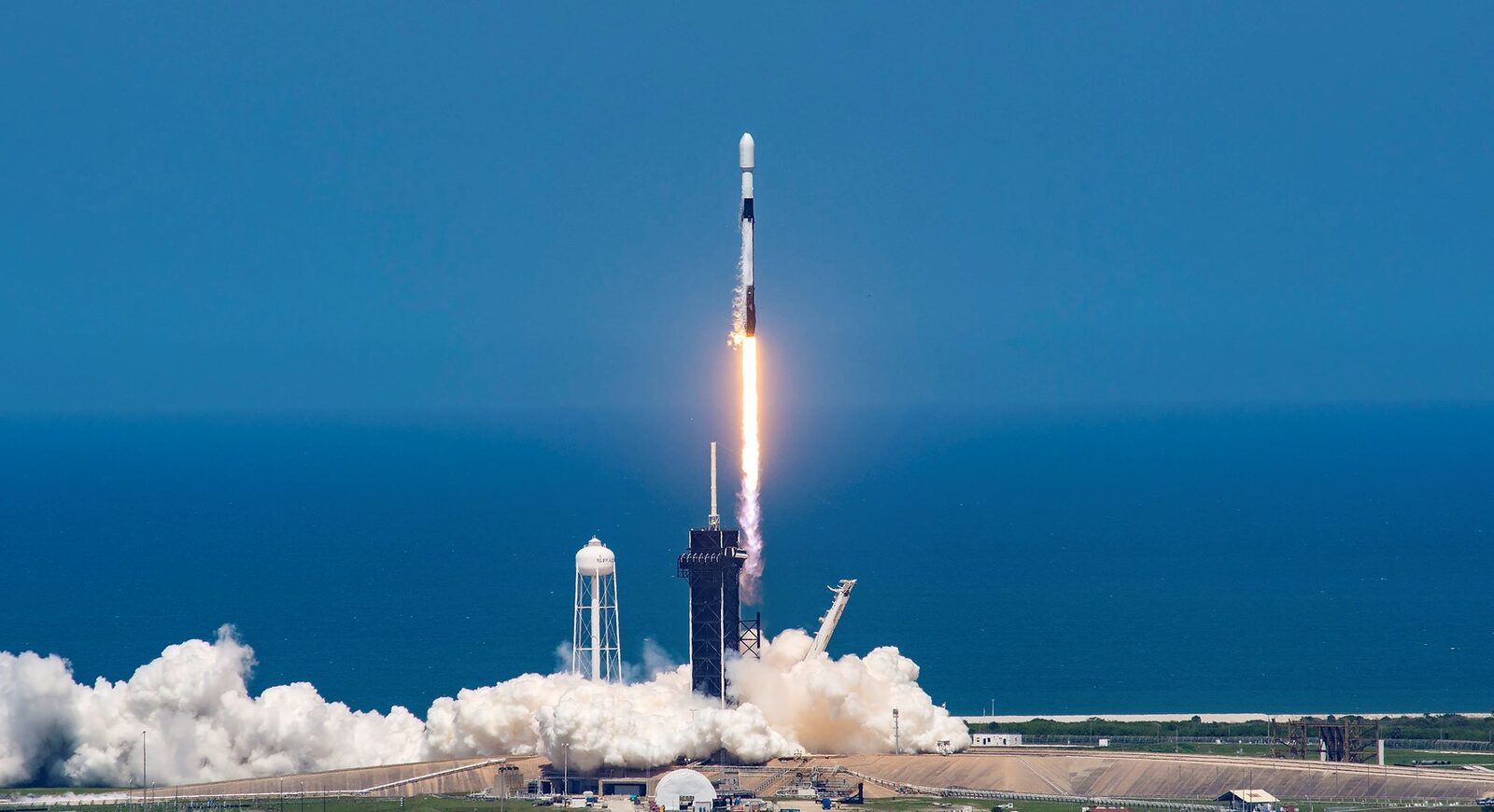
SpaceX completed a full 33-engine static fire on Booster 20, the longest duration test to date. The milestone clears a major hurdle before the next Starship flight attempt.

Key military and technology developments in space; US Space Force and Army strategize national security with new rocket certifications and space training initiatives.
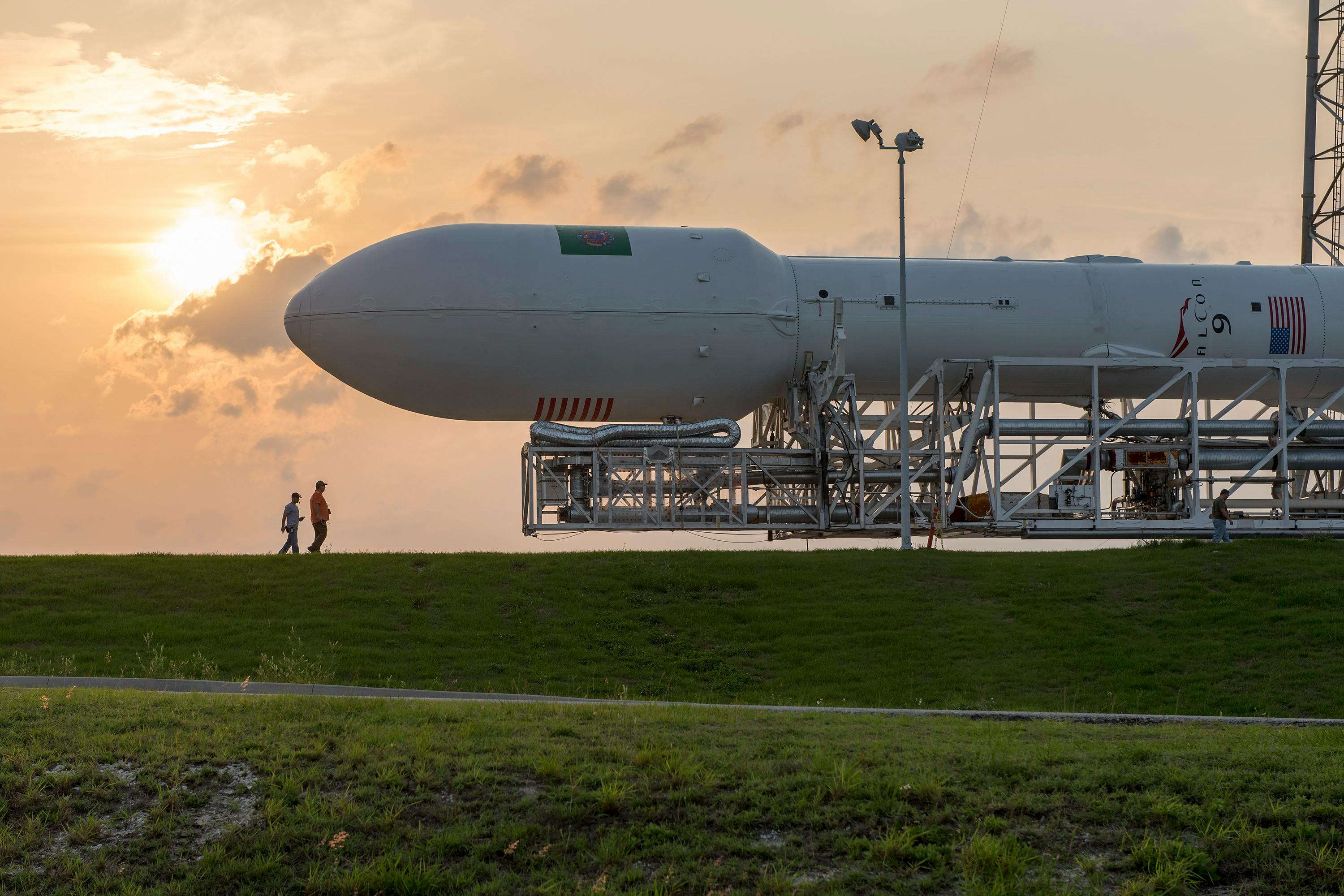
SpaceX successfully launched a batch of Starlink satellites today while introducing new features to enhance user experience. Their rideshare program continues to see increased demand, proving popular among customers.

SpaceX Starlink connectivity equips Trump's $400M interim Air Force One as Falcon 9 prepares to orbit 24 more satellites on mission 17-28.

This edition highlights SpaceX's ambitious plans for Starship in light of recent developments, a busy launch week featuring multiple missions, and the latest updates on Starlink's operational status.
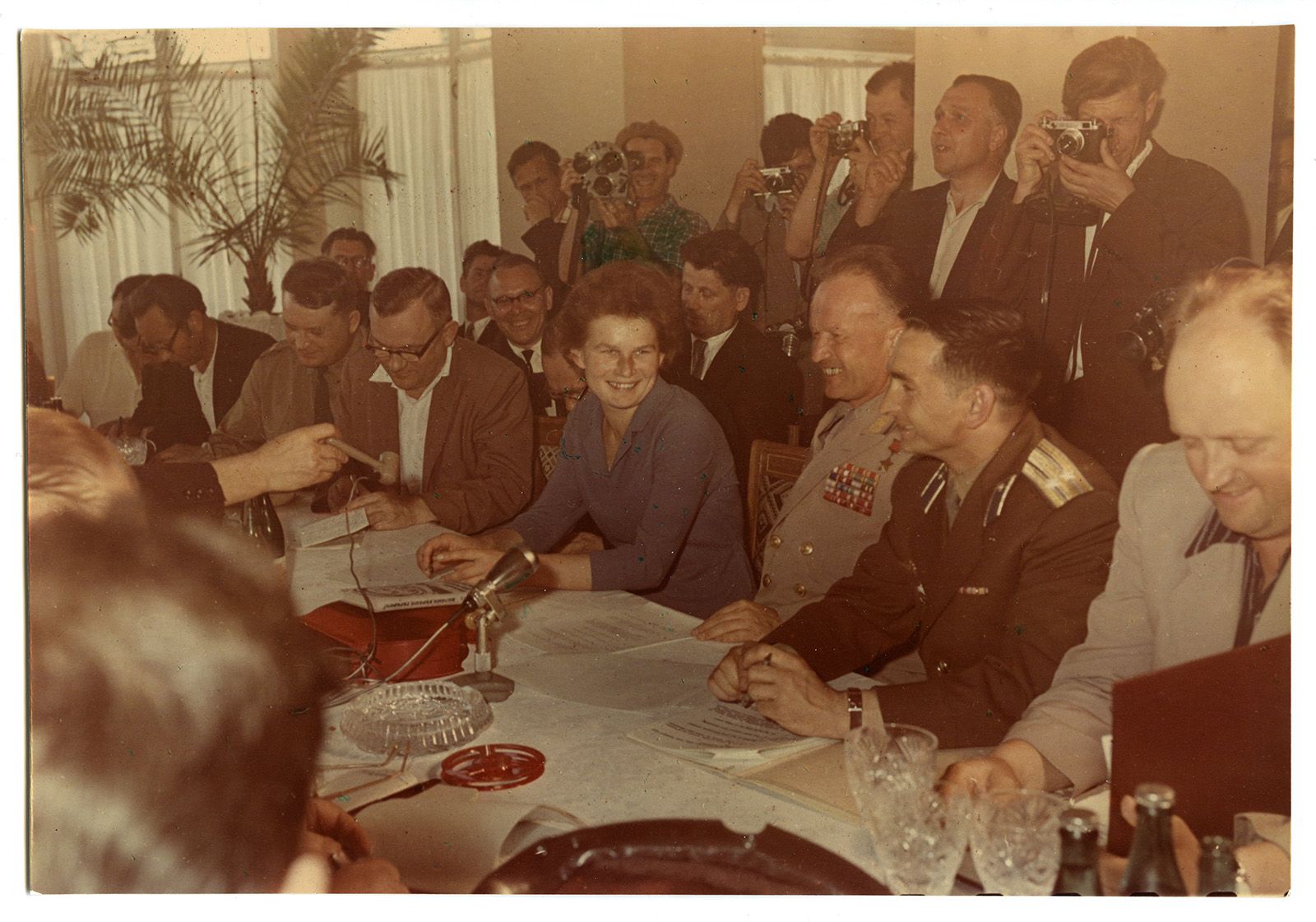
On 16 June 1963, a 26-year-old former textile worker named Valentina Tereshkova launched aboard Vostok 6 and spent nearly three days alone in orbit. She flew 48 times around the Earth, longer than every American astronaut combined, and spotted a dangerous flaw in her descent program that ground controllers had missed.