

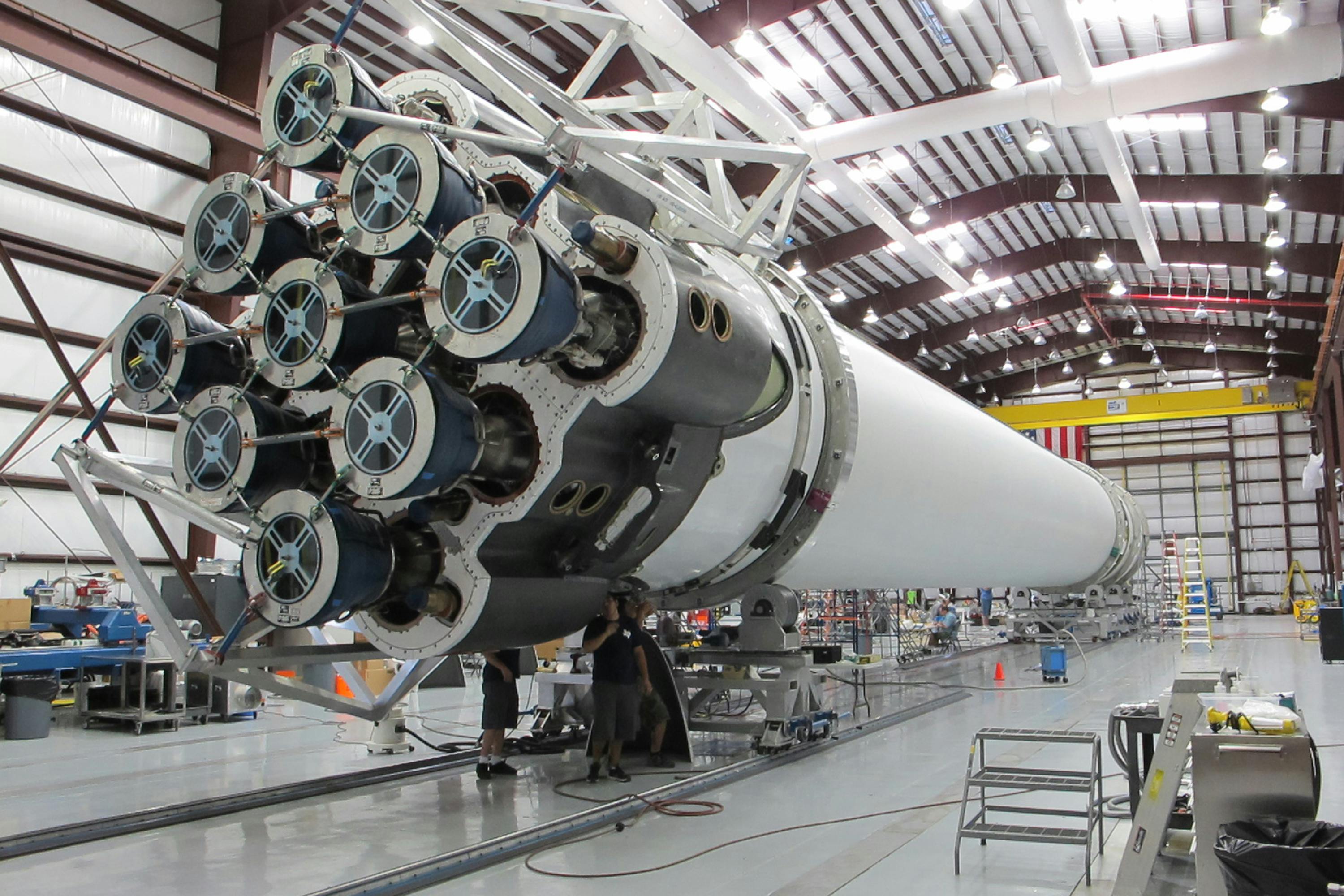
SpaceX Opens 2026 With 29 Starlink Satellites, X Report 5 Jan 2026
SpaceX Starlink updates for 2026 open with Starlink 6-88: 29 satellites from Cape Canaveral on Jan 4, after a record 165-launch 2025.



Launch Date
June 24, 2002
Launch Site
AFWTR
Launch Pad
SLC4W
Launch Vehicle
Titan II SLV
NORAD ID
48736
International Designator
2002-032BV
Decay Date
11/29/2025
Name
NOAA 17 DEB
Alternative Name
deb NOAA 17
Type
Status
Owner
NOAA
Country
United States
Constellation
N/A
Related Satellites
Major Events
N/A
Length
0
Diameter
0
Span
0
Dry Mass
0
Launch Mass
0
Shape
N/A
Radar Cross Section
Unknown
Visual Magnitude
Unknown
Color
Unknown
Material Composition
Unknown
Payload
Unknown
Purpose
Unknown
Mission
Unknown
Manufacturer
Unknown
Life Expectancy
Unknown
Bus
Unknown
Configuration
Unknown
Motor
Unknown
Equipment
Unknown
Power System
Unknown
ADCS
Unknown
Transmitter Frequency
Unknown
Learn more about satellites and other related topics.
SpaceX Starlink updates for 2026 open with Starlink 6-88: 29 satellites from Cape Canaveral on Jan 4, after a record 165-launch 2025.

Today's brief covers significant advancements in space satellite launches, military spending impacts on space, and notable developments from the Space Force and SpaceX.
Today's Space Brief highlights advances in satellite communication for defense, regulatory changes for Starlink in South Africa, SpaceX's ongoing Starlink launches, and a significant contract for a Chinese satellite constellation.
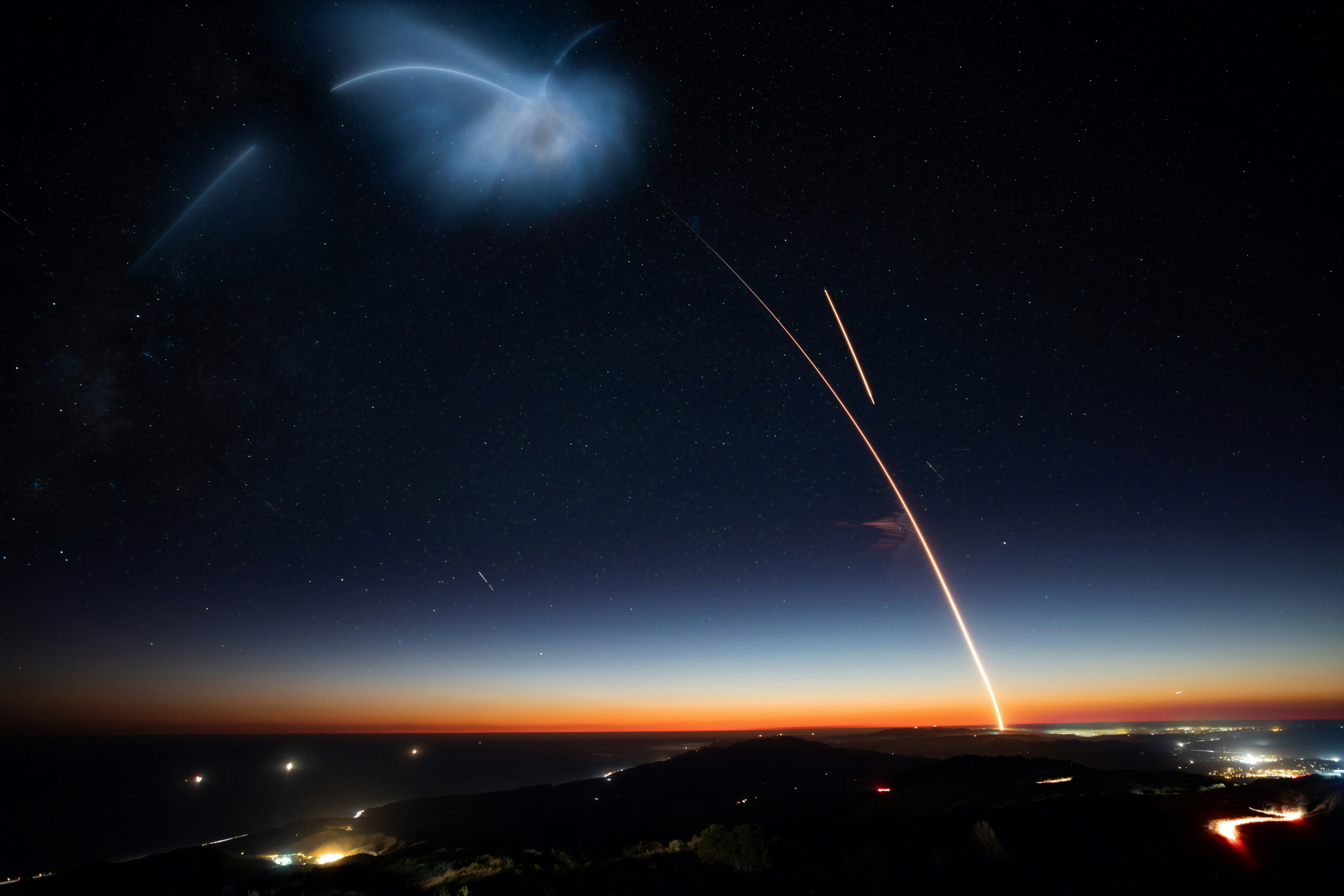
SpaceX successfully launched 28 more Starlink satellites from Cape Canaveral, marking another milestone in its satellite constellation expansion.

Today marks a significant milestone as SpaceX successfully launches another batch of Starlink satellites, boosting global connectivity efforts.
SpaceX faces setbacks with Starship Flight 8 amid debris fallout, achieves regulatory win for smartphone connectivity, and prepares for upcoming ISS missions.
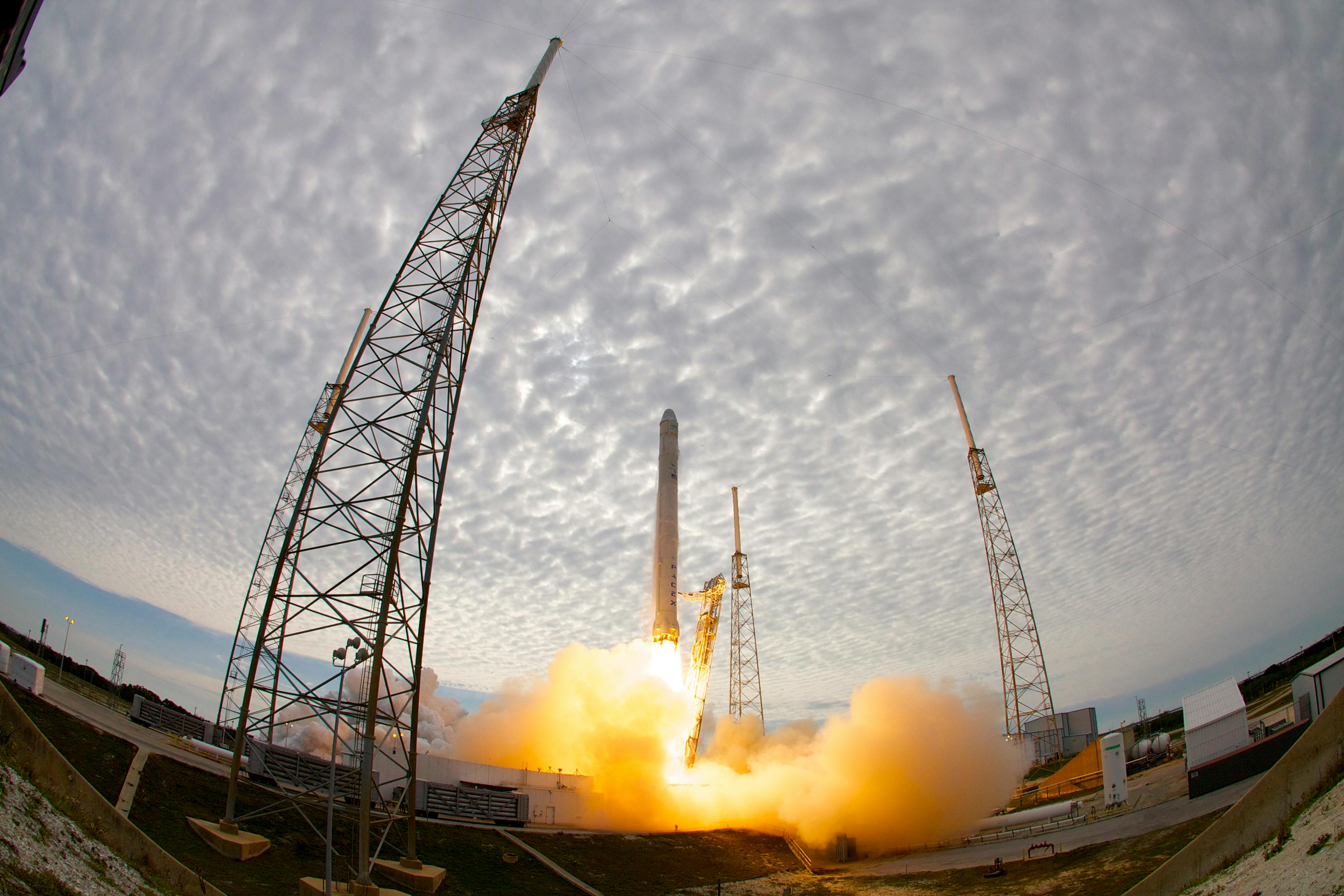
Major breakthroughs as SpaceX prepares to bring astronauts home and multiple launches unfold this week.
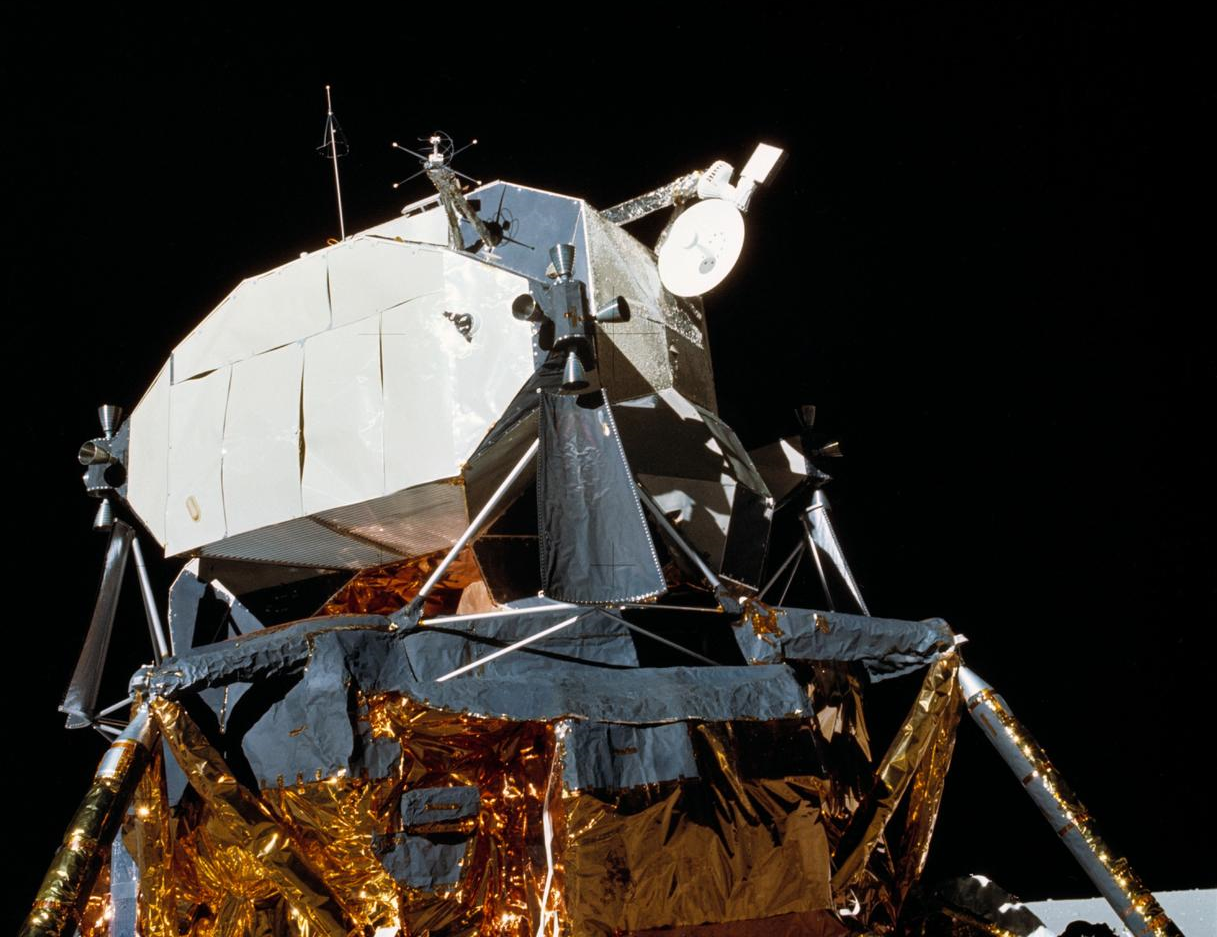
Six hours behind schedule, with a backup engine system shuddering in lunar orbit and mission controllers in Houston running out of options, Apollo 16 came within one meeting of being sent home without landing. The problem was a wobble in a gimbal. The solution was math done under pressure.