


NASA Expands SpaceX Crew Contract as Boeing Stalls | KeepTrack X Report
NASA adds crew missions to SpaceX's contract as Boeing Starliner certification stalls, while Falcon 9 hits its 60th orbital launch of 2026.



Launch Date
May 26, 2021
Launch Site
Launch Pad
LC40
Launch Vehicle
NORAD ID
48696
International Designator
2021-044BL
Epoch
Fri, 03 Jul 2026 15:31:07 GMT
Apogee
Calculating...
Perigee
Calculating...
Inclination
53.16°
Right Ascension
269.09°
Eccentricity
Calculating...
Argument of Perigee
101.59°
Period
94.01 min
Mean Motion
15.32 rev/day
Latitude
Calculating...
Longitude
Calculating...
Altitude
Calculating...
Velocity
Calculating...
Name
STARLINK-2753
Alternative Name
Starlink 2753
Type
Status
Owner
SPXS
Country
United States
Constellation
N/A
Related Satellites
Major Events
N/A
1 48696U 21044BL 26184.64660892 -.00000016 00000-0 11266-4 0 9994
2 48696 53.1596 269.0911 0001308 101.5906 258.5243 15.31700888281940
Source: Celestrak
Length
0.2
Diameter
2.8
Span
9
Dry Mass
248
Launch Mass
260
Shape
Box + pan
Radar Cross Section
Unknown
Visual Magnitude
Unknown
Color
Unknown
Material Composition
Unknown
Payload
Starlink V1.0-L28-59
Purpose
Communication
Mission
Communication
Manufacturer
SPXS
Life Expectancy
Unknown
Bus
Starlink
Configuration
Unknown
Motor
Krypton ion thrusters
Equipment
Ku/Ka-band payload (all), optical inter-satellite links (a few prototypes)
Power System
Solar arrays, batteries
ADCS
Unknown
Transmitter Frequency
Unknown
Learn more about satellites and other related topics.
NASA adds crew missions to SpaceX's contract as Boeing Starliner certification stalls, while Falcon 9 hits its 60th orbital launch of 2026.

Today's brief covers significant advancements in space satellite launches, military spending impacts on space, and notable developments from the Space Force and SpaceX.
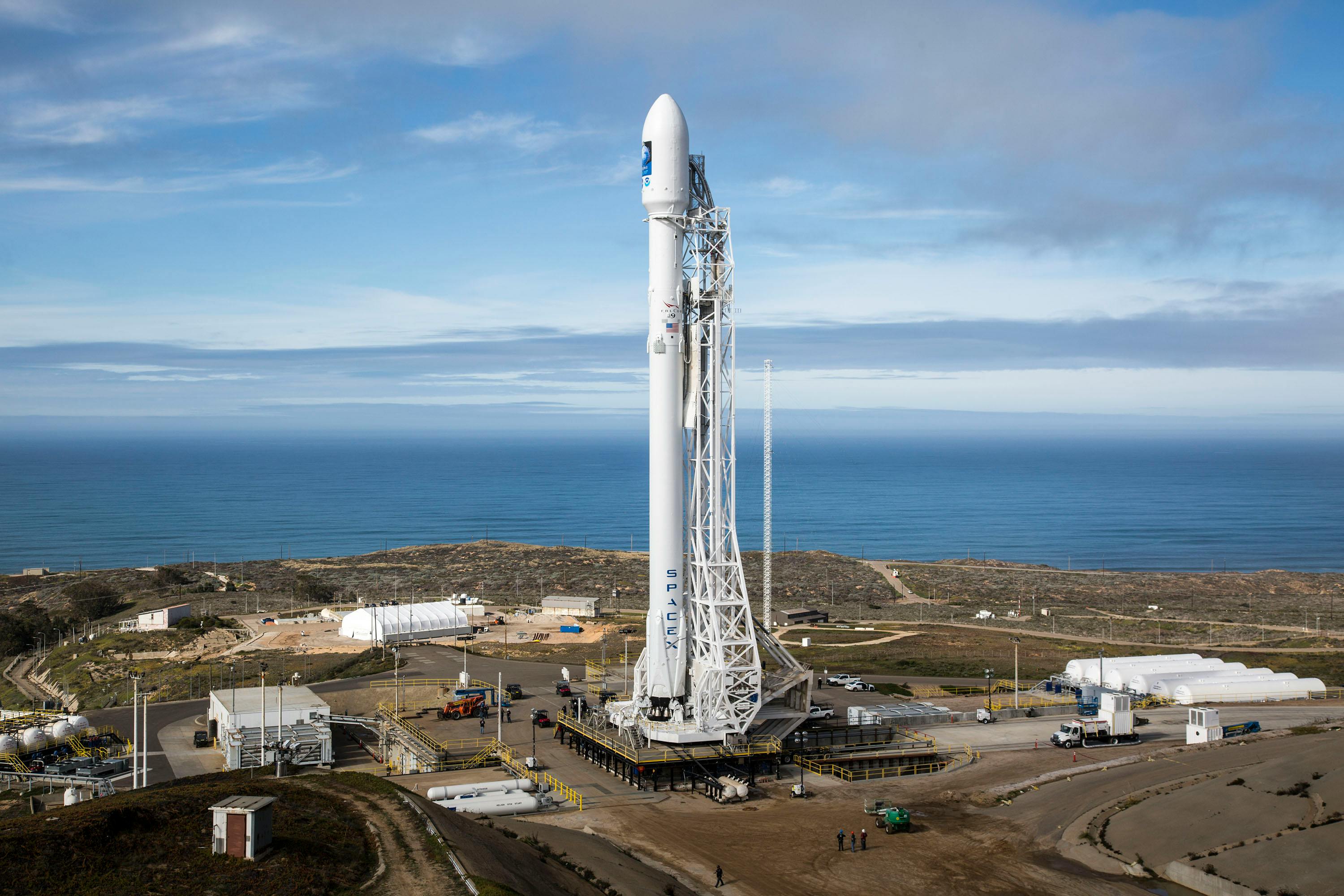
SpaceX successfully launched 43 Starlink satellites across two missions, marking significant achievements at Cape Canaveral and Vandenberg Space Force Bases.
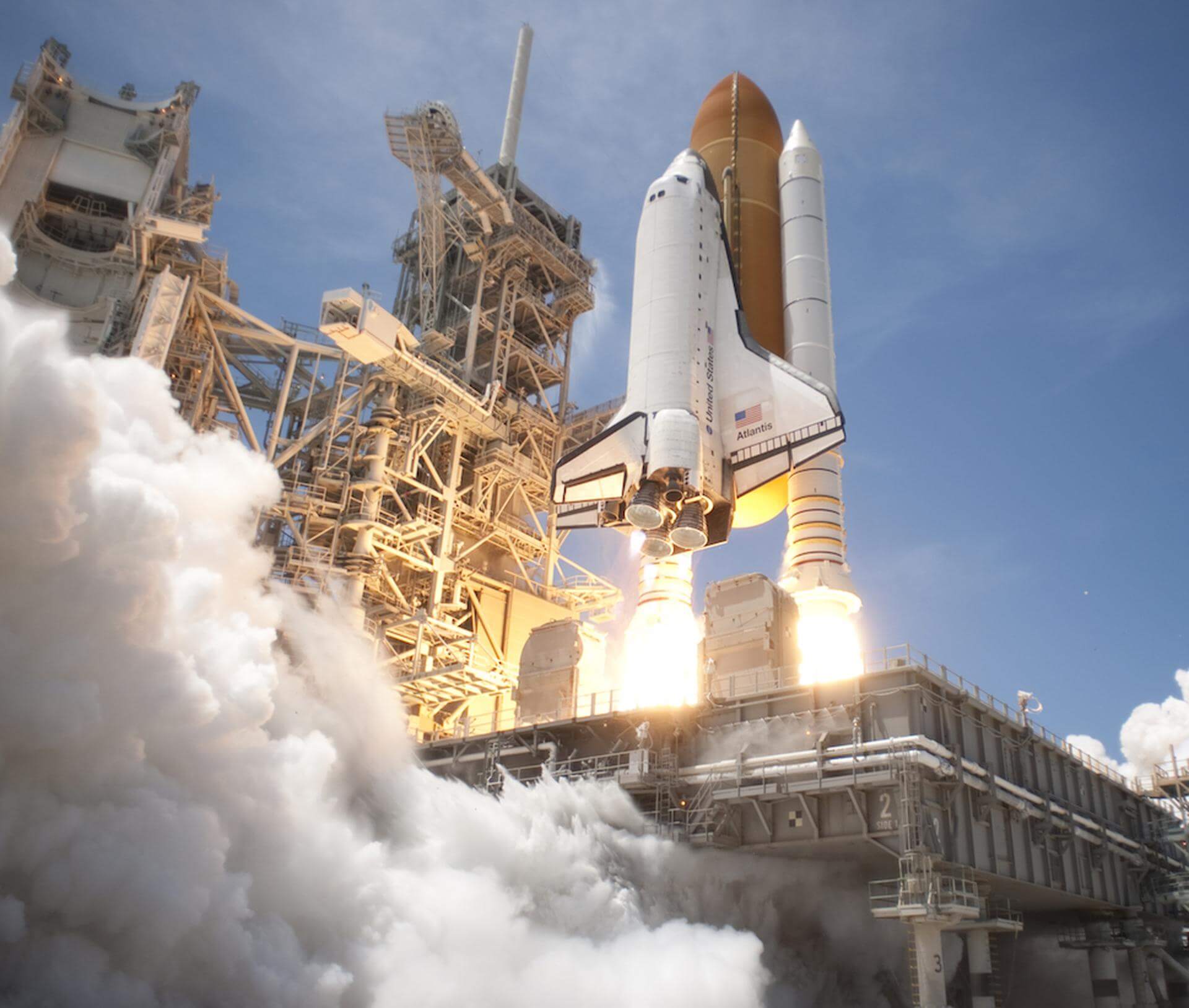
U.S. Space Force increased Andromeda contract ceiling to $6.2 billion for next-generation space situational awareness satellites replacing GSSAP and SILENTBARKER programs.

Today's brief highlights significant developments in space defense, innovation fund challenges, and international defense agreements impacting satellite utilities.
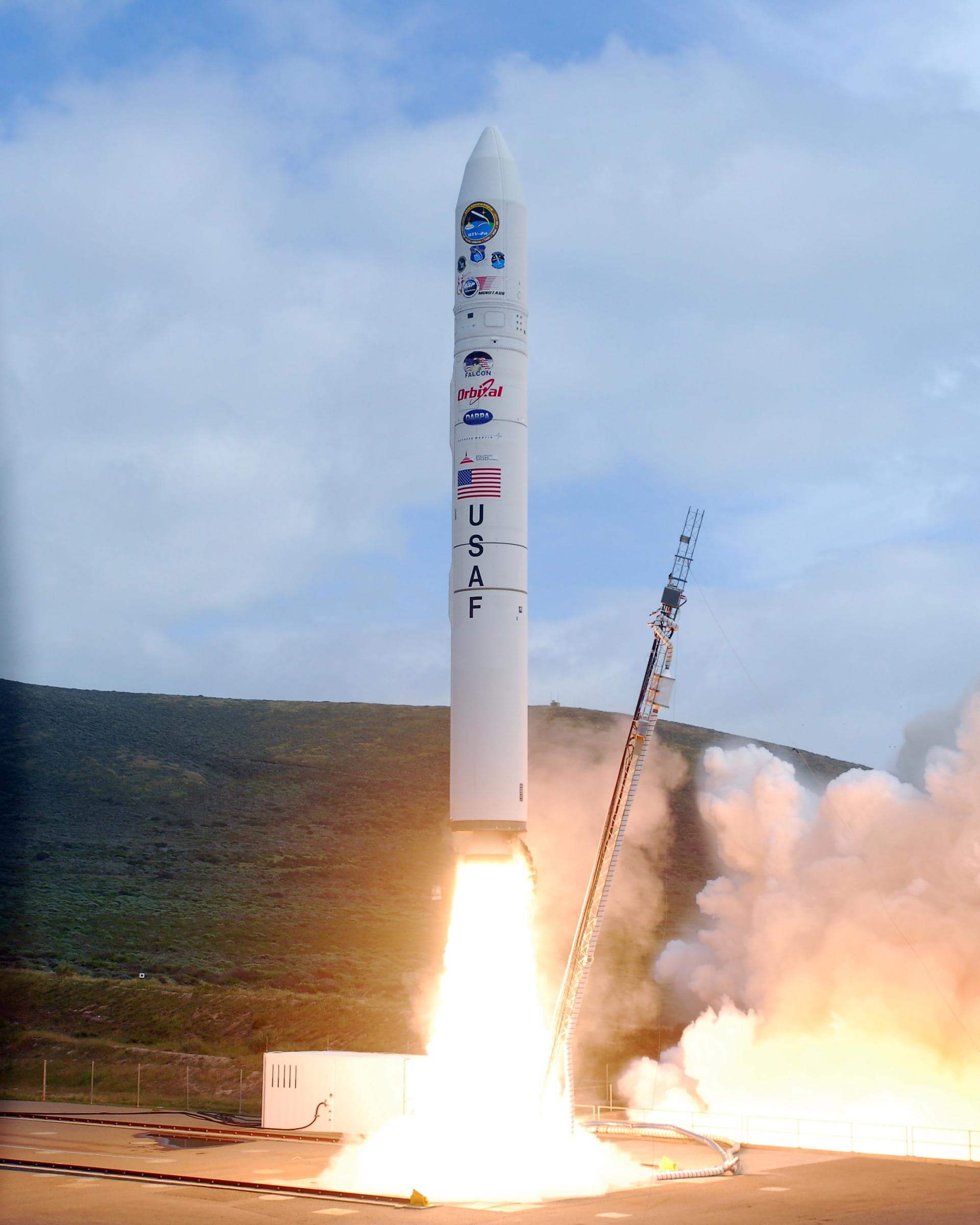
Today's brief covers crucial developments in satellite technology and operations, including new Starlink launches, groundbreaking satellite data on flood waves, and pivotal changes in South African telecom policy driven by Starlink.

Booster B1067 sets new Falcon 9 reuse record with 35th successful flight, deploying 29 Starlink satellites. Quantum Space pursues public markets via SPAC.
Space Force confirmed 9 companies won orbital Air Moving Target Indication contracts. Capability shifts airborne surveillance to satellites for expanded coverage and survivability.