STARLINK-2740 (48690)

COSPAR: 2021-044BE | Alt Name: Starlink 2740

Image
STARLINK-2740 Satellite Image
Additional Sources
Launch Details

Launch Date

May 26, 2021

Launch Pad

LC40

Launch Vehicle

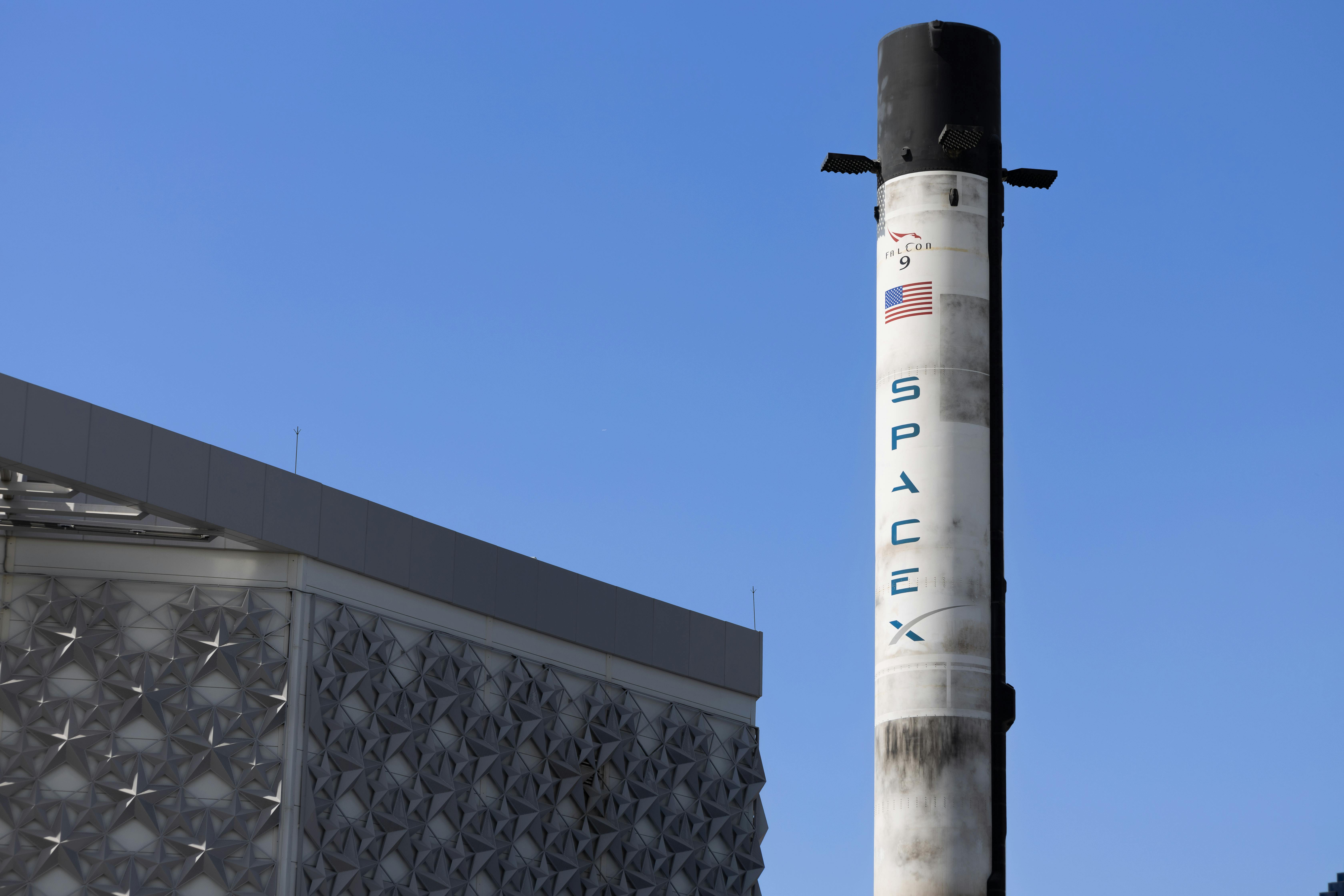
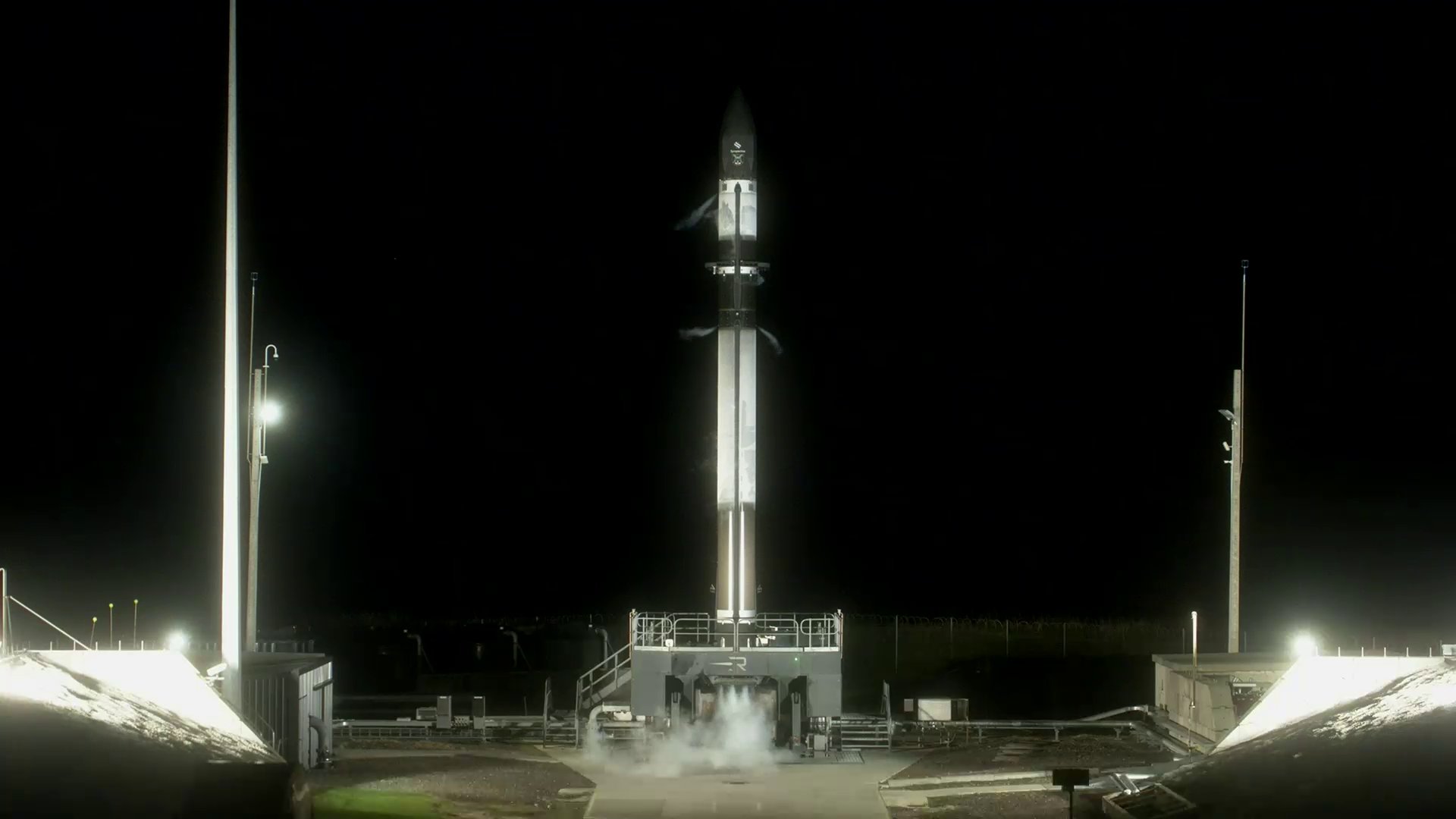
Falcon 9

Orbital Elements

NORAD ID

48690

International Designator

2021-044BE

Epoch

Sat, 04 Jul 2026 05:25:33 GMT

Apogee

Calculating...

Perigee

Calculating...

Inclination

53.16°

Right Ascension

253.13°

Eccentricity

Calculating...

Argument of Perigee

84.44°

Period

94.01 min

Mean Motion

15.32 rev/day

Latitude

Calculating...

Longitude

Calculating...

Altitude

Calculating...

Velocity

Calculating...

Polar Plot
3D Visualization
Basic Satellite Info

Name

STARLINK-2740

Alternative Name

Starlink 2740

Type

Payload

Status

Operational

Owner

SPXS

Country

United States

Constellation

N/A

Related Satellites

Major Events

N/A

Latest TLEs
1 48690U 21044BE  26185.22607921  .00002400  00000-0  89042-4 0  9992
2 48690  53.1576 253.1282 0001343  84.4388 275.6766 15.31709445282218

Source: Celestrak

Summary
The STARLINK-2740 satellite, also known as Starlink 2740, is part of SpaceX's Starlink constellation and was launched on May 26, 2021, from Launch Complex 40 at the Air Force Eastern Test Range using a Falcon 9 launch vehicle. With dimensions of 0.2 meters in length, 2.8 meters in diameter, and a span of 9 meters, it has a dry mass of 248 kilograms and launched with a total mass of 260 kilograms. Equipped with a Ku/Ka-band payload and optical inter-satellite links (on prototypes), the satellite is powered by solar arrays and batteries. It uses Krypton ion thrusters for propulsion and its primary mission is communication. The satellite's shape consists of a box with a pan configuration, and it was manufactured by SpaceX for use in their global communication network.

Starlink is a satellite constellation developed by SpaceX with the aim of providing global broadband internet coverage. Thousands of small satellites are deployed in low Earth orbit (LEO), enabling high-speed internet access even in remote areas. However, the rapid increase in satellites raises concerns about space debris and the potential for collisions, which can lead to further debris creation and endanger other spacecraft. Additionally, the sheer number of Starlink satellites can affect astronomical observations by increasing light pollution. Proper deorbiting plans and international coordination are essential to mitigate these challenges and ensure long-term sustainability in space.
Physical Characteristics

Length

0.2

Diameter

2.8

Span

9

Dry Mass

248

Launch Mass

260

Shape

Box + pan

Radar Cross Section

Unknown

Visual Magnitude

Unknown

Color

Unknown

Material Composition

Unknown

Technical Details

Payload

Starlink V1.0-L28-53

Purpose

Communication

Mission

Communication

Manufacturer

SPXS

Life Expectancy

Unknown

Bus

Starlink

Configuration

Unknown

Motor

Krypton ion thrusters

Equipment

Ku/Ka-band payload (all), optical inter-satellite links (a few prototypes)

Power System

Solar arrays, batteries

ADCS

Unknown

Transmitter Frequency

Unknown

Map
This tool will help you track the satellite's position and predict its upcoming passes over your location. Simply input the coordinates or click the geolocation button to get started.
Next Pass
Azimuth Elevation Time (Local)
Start Azimuth
Max Elevation
Stop Azimuth
Time Until
Pass Duration

Satellite Articles

View All Posts »

Learn more about satellites and other related topics.

Space Force Plans to Double Active-Duty Force by 2030 | KeepTrack Space Brief

Space Force Plans to Double Active-Duty Force by 2030 | KeepTrack Space Brief

Space Force confirms plan to double active-duty Guardians by 2030, targeting faster response to satellite anomalies and adversary maneuvers in space domain awareness operations.

X Report 24 Jun 2025

X Report 24 Jun 2025

SpaceX successfully launched the Transporter-14 mission, adding multiple payloads, including Canadian satellites and a memorial capsule, while Starlink expands its services in Vietnam and enhances T-Mobile's reach.

Starship V3 Targets April 2026 Debut, X Report 20 Mar 2026

Starship V3 Targets April 2026 Debut, X Report 20 Mar 2026

Starship V3 targets an April 2026 debut, the ride for next-gen Starlink V3 satellites. Fleet stands at 10,062 working of 11,587 launched.

Mega-Constellations Are Set to Flood Earth's Orbit

Mega-Constellations Are Set to Flood Earth's Orbit

We forecast how many satellites could be in orbit by 2030 and what capabilities we can expect.

How a Parachutist Named Seagull Became the First Woman in Space

How a Parachutist Named Seagull Became the First Woman in Space

On 16 June 1963, a 26-year-old former textile worker named Valentina Tereshkova launched aboard Vostok 6 and spent nearly three days alone in orbit. She flew 48 times around the Earth, longer than every American astronaut combined, and spotted a dangerous flaw in her descent program that ground controllers had missed.

X Report 21 Aug 2025

X Report 21 Aug 2025

Today's brief highlights the upcoming X-37B military spaceplane launch, ongoing partnerships to protect radio astronomy, and West Virginia's minimal allocation of broadband subsidies to satellite providers like SpaceX.

X Report 20 Jan 2025

X Report 20 Jan 2025

SpaceX continues to push forward with its ambitious plans as the FAA investigates Starship debris reports, while Starlink maintains robust satellite operations.

NRO Expands Commercial Satellite Role to Airborne Target Tracking | KeepTrack Space Brief

NRO Expands Commercial Satellite Role to Airborne Target Tracking | KeepTrack Space Brief

NRO awards three commercial data contracts and explores vetting satellite firms for airborne target tracking via U.S. Space Force. Strategic expansion of GEOINT capabilities.