



Space Brief 10 Nov 2025
Today's brief covers China's record-breaking launch year, SpaceX's continued Starlink deployments, Blue Origin's launch challenges, and innovations in satellite maneuverability.



Launch Date
May 26, 2021
Launch Site
Launch Pad
LC40
Launch Vehicle
NORAD ID
48656
International Designator
2021-044U
Epoch
Fri, 03 Jul 2026 17:20:31 GMT
Apogee
Calculating...
Perigee
Calculating...
Inclination
53.16°
Right Ascension
293.98°
Eccentricity
Calculating...
Argument of Perigee
92.38°
Period
94.01 min
Mean Motion
15.32 rev/day
Latitude
Calculating...
Longitude
Calculating...
Altitude
Calculating...
Velocity
Calculating...
Name
STARLINK-2701
Alternative Name
Starlink 2701
Type
Status
Owner
SPXS
Country
United States
Constellation
N/A
Related Satellites
Major Events
N/A
1 48656U 21044U 26184.72258682 -.00000509 00000-0 -46385-5 0 9998
2 48656 53.1604 293.9847 0000662 92.3773 267.7304 15.31710056281602
Source: Celestrak
Length
0.2
Diameter
2.8
Span
9
Dry Mass
248
Launch Mass
260
Shape
Box + pan
Radar Cross Section
Unknown
Visual Magnitude
Unknown
Color
Unknown
Material Composition
Unknown
Payload
Starlink V1.0-L28-19
Purpose
Communication
Mission
Communication
Manufacturer
SPXS
Life Expectancy
Unknown
Bus
Starlink
Configuration
Unknown
Motor
Krypton ion thrusters
Equipment
Ku/Ka-band payload (all), optical inter-satellite links (a few prototypes)
Power System
Solar arrays, batteries
ADCS
Unknown
Transmitter Frequency
Unknown
Learn more about satellites and other related topics.
Today's brief covers China's record-breaking launch year, SpaceX's continued Starlink deployments, Blue Origin's launch challenges, and innovations in satellite maneuverability.
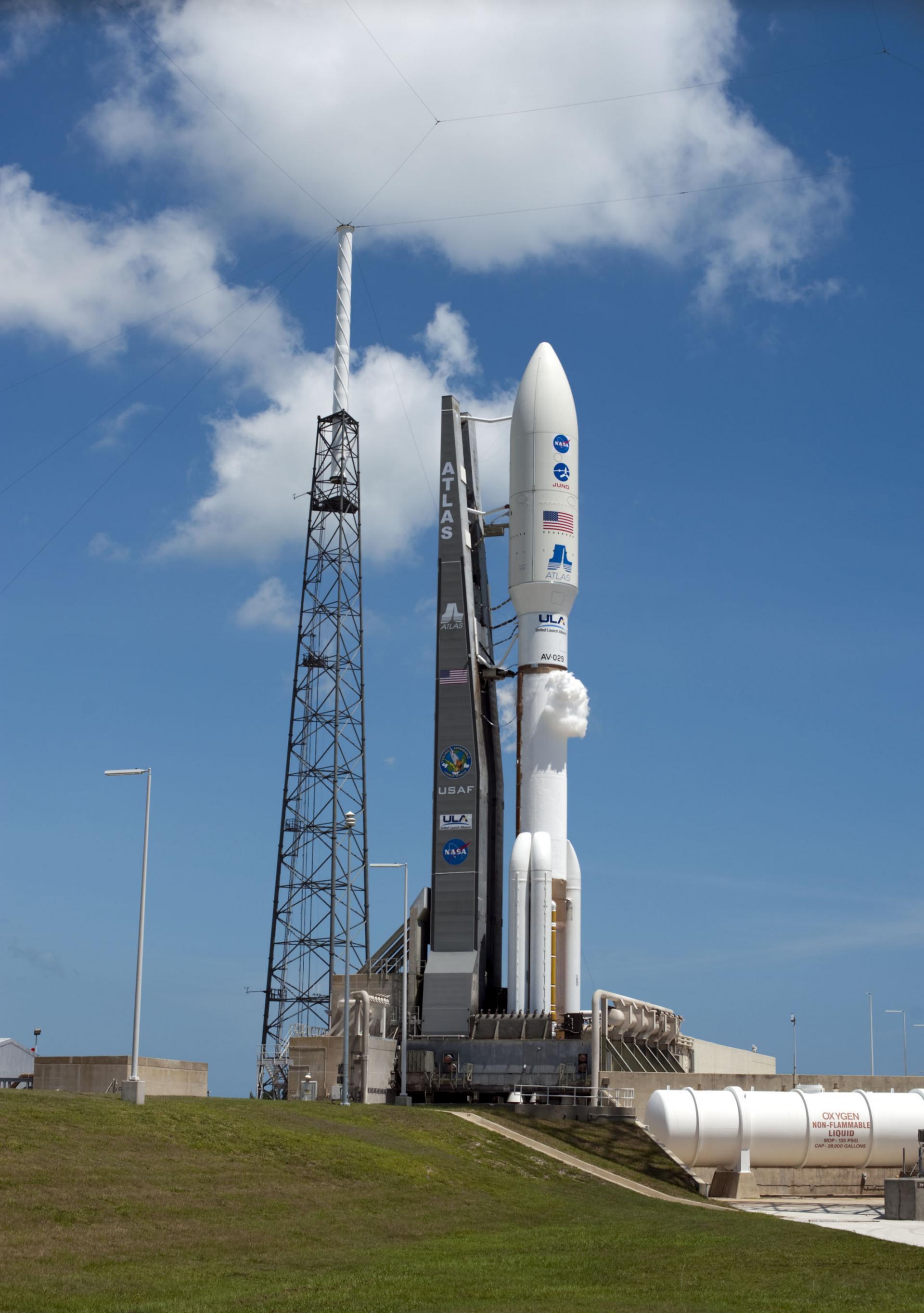
U.S. Space Force transitions Meadowlands mobile satellite-jamming platform to operational status. System provides ground forces with electronic warfare capability against adversary satellite links.
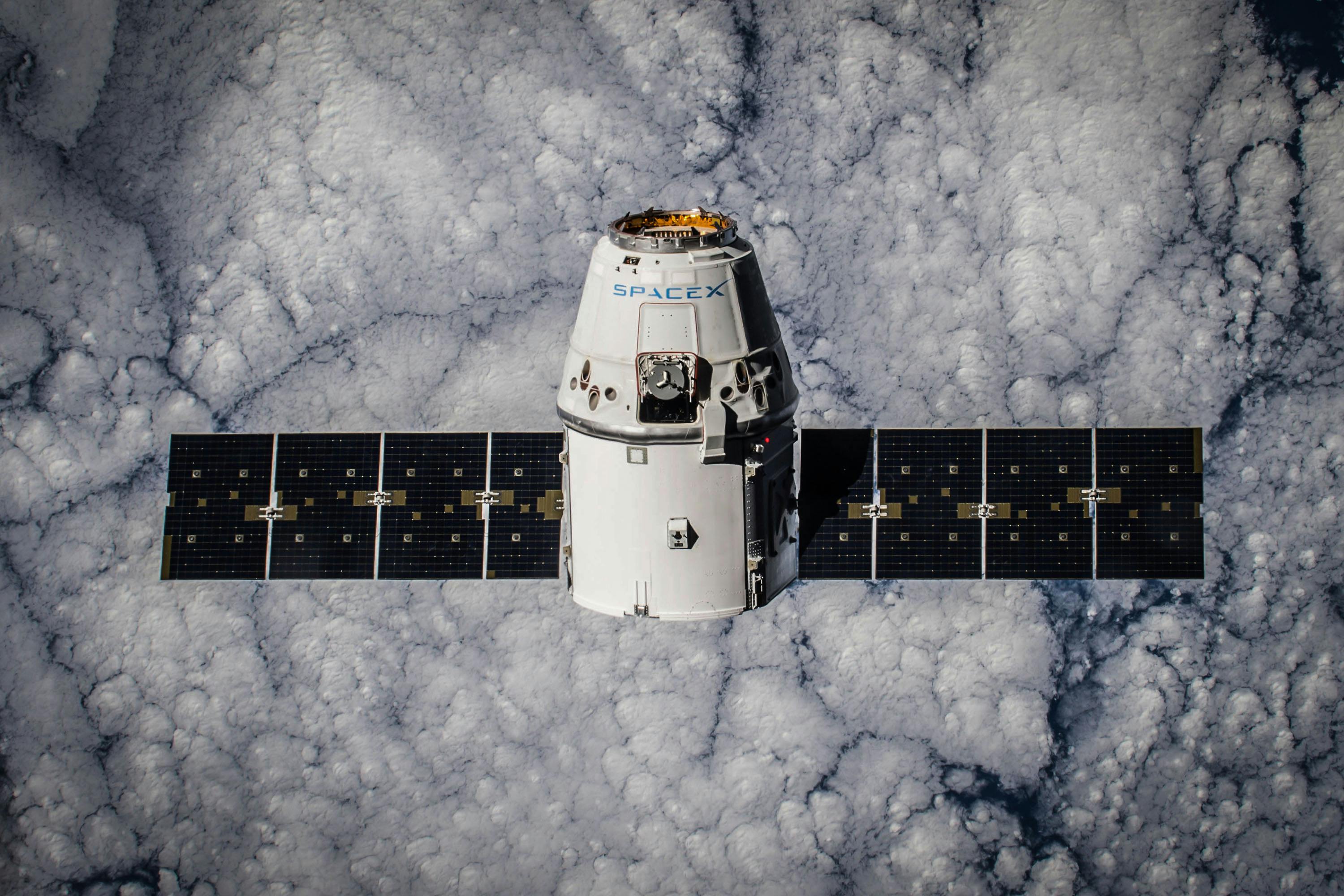
SpaceX is finalizing Pad 2 upgrades at Starbase ahead of Booster 19's return flight, as Starlink's active constellation holds at 10,185 satellites.
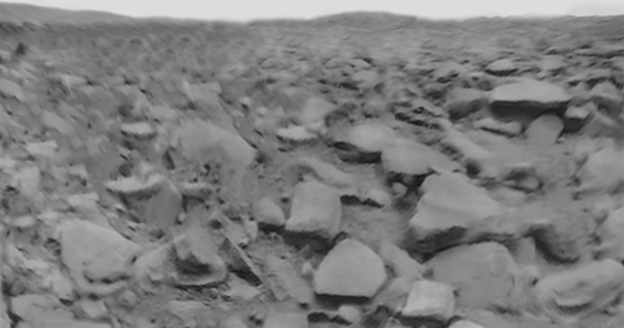
On December 15, 1970, a battered Soviet probe accomplished something no spacecraft had done before - it survived landing on another world and lived to tell about it.
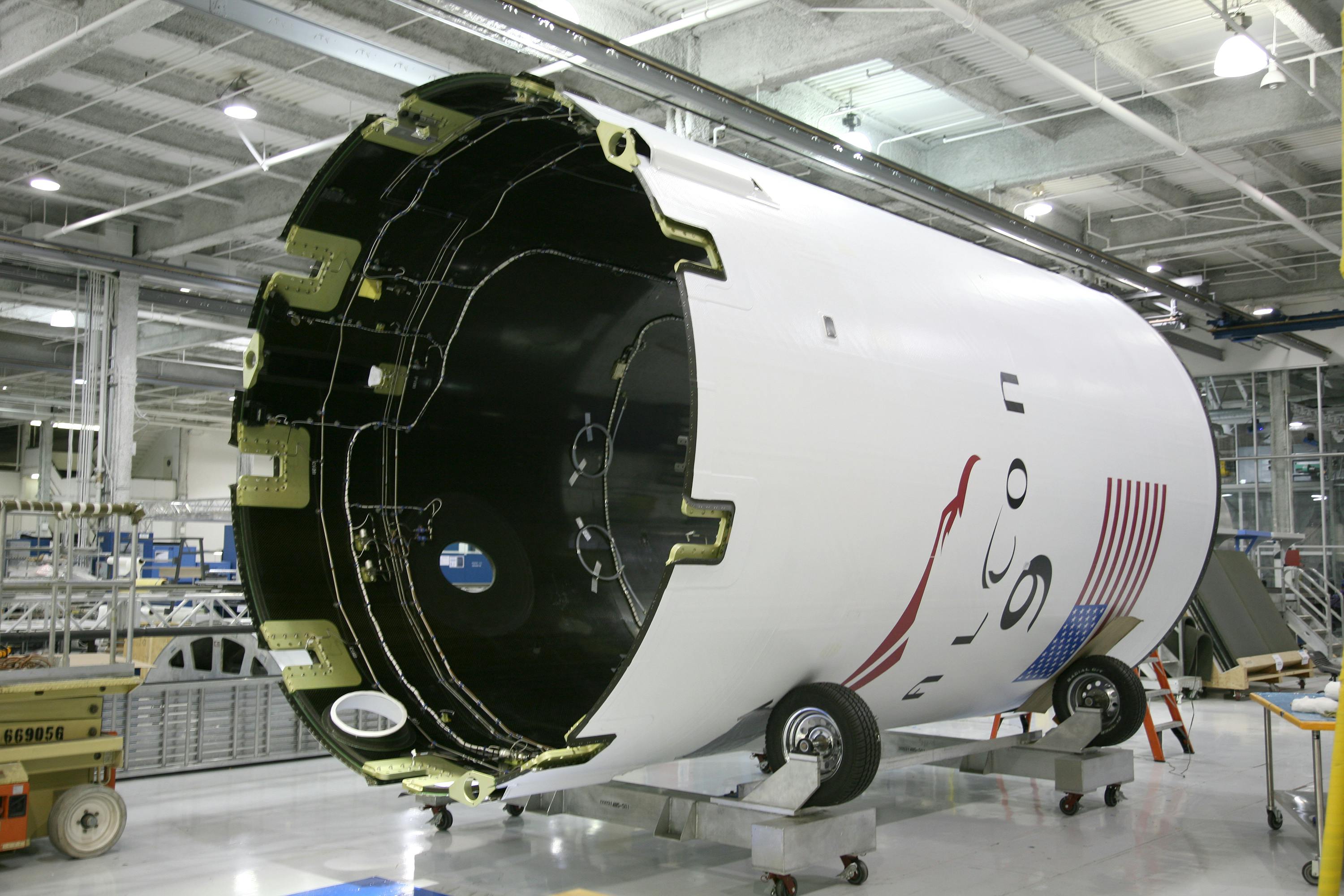
SpaceX prepares for a monumental sixth Starship test flight while achieving a historic Falcon 9 booster landing. Meanwhile, a Starlink satellite lights up the night sky as it reenters Earth's atmosphere.

Today's briefing covers collaborations enhancing defense capabilities, new satellite technologies entering the market, and strategic shifts in military satellite applications.

Falcon Heavy flew for the first time in eighteen months on April 29, 2026, expending its center core to push Viasat's final ViaSat-3 satellite toward geostationary orbit. The mission is a flagship rocket doing what only it can still do, for an operator betting six tons of high-throughput hardware on a market Starlink is rapidly redefining.
Today's space brief covers SpaceX's latest Starlink missions, Satellogic's contract with Brazilian Air Force, OCX, and ATLAS project updates, and DARPA's insights on cybersecurity vulnerabilities.