


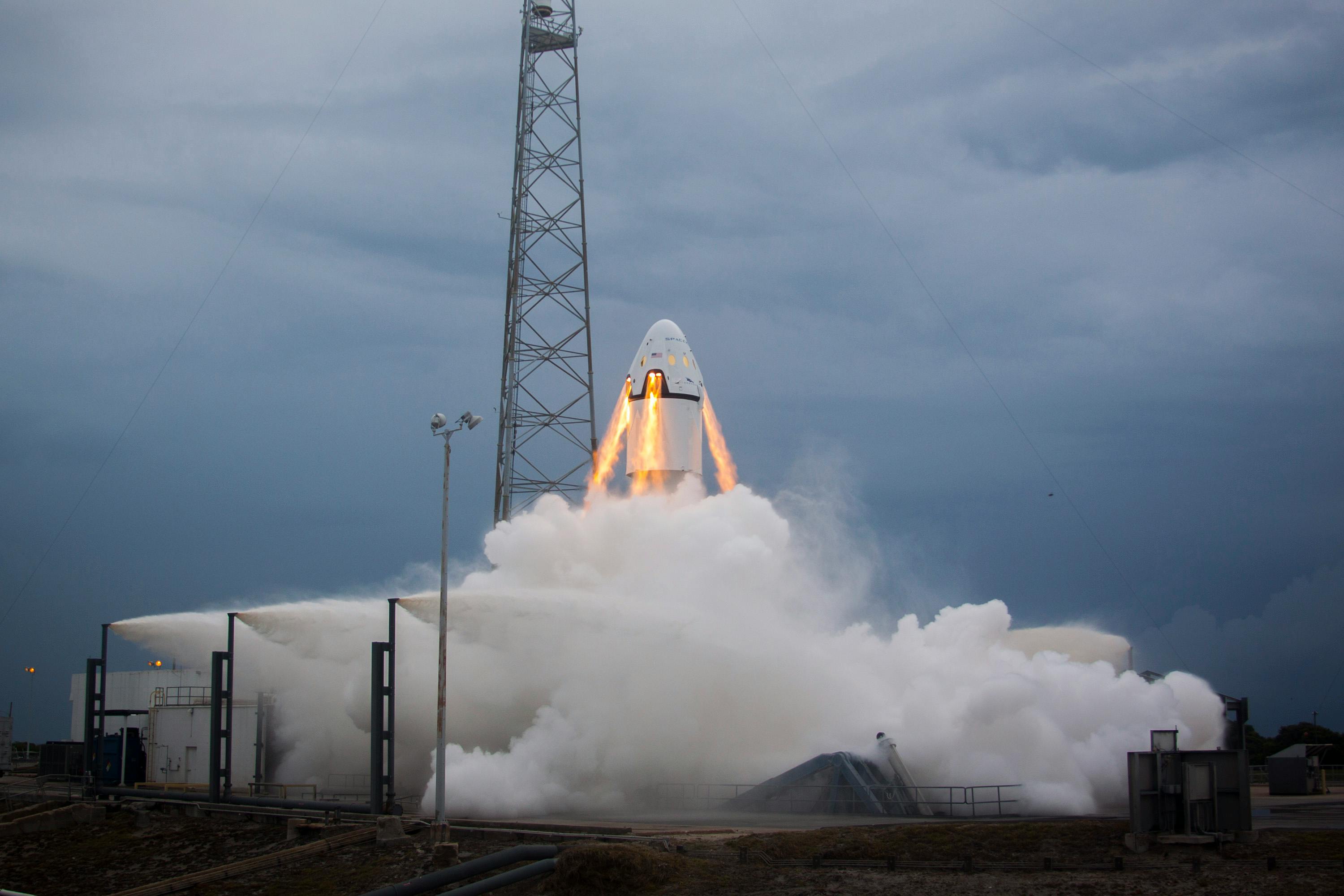
X Report 4 Jun 2025
SpaceX continues strong momentum in June with successful satellite launches, a new service from Telstra, and updates on upcoming missions. Key developments are shaping the future of both space travel and satellite communications.



Launch Date
May 26, 2021
Launch Site
Launch Pad
LC40
Launch Vehicle
NORAD ID
48651
International Designator
2021-044P
Epoch
Sat, 04 Jul 2026 00:16:39 GMT
Apogee
Calculating...
Perigee
Calculating...
Inclination
53.16°
Right Ascension
292.75°
Eccentricity
Calculating...
Argument of Perigee
80.96°
Period
94.01 min
Mean Motion
15.32 rev/day
Latitude
Calculating...
Longitude
Calculating...
Altitude
Calculating...
Velocity
Calculating...
Name
STARLINK-2731
Alternative Name
Starlink 2731
Type
Status
Owner
SPXS
Country
United States
Constellation
N/A
Related Satellites
Major Events
N/A
1 48651U 21044P 26185.01156977 .00002208 00000-0 82910-4 0 9999
2 48651 53.1559 292.7469 0001278 80.9565 279.1581 15.31697770281644
Source: Celestrak
Length
0.2
Diameter
2.8
Span
9
Dry Mass
248
Launch Mass
260
Shape
Box + pan
Radar Cross Section
Unknown
Visual Magnitude
Unknown
Color
Unknown
Material Composition
Unknown
Payload
Starlink V1.0-L28-14
Purpose
Communication
Mission
Communication
Manufacturer
SPXS
Life Expectancy
Unknown
Bus
Starlink
Configuration
Unknown
Motor
Krypton ion thrusters
Equipment
Ku/Ka-band payload (all), optical inter-satellite links (a few prototypes)
Power System
Solar arrays, batteries
ADCS
Unknown
Transmitter Frequency
Unknown
Learn more about satellites and other related topics.
SpaceX continues strong momentum in June with successful satellite launches, a new service from Telstra, and updates on upcoming missions. Key developments are shaping the future of both space travel and satellite communications.
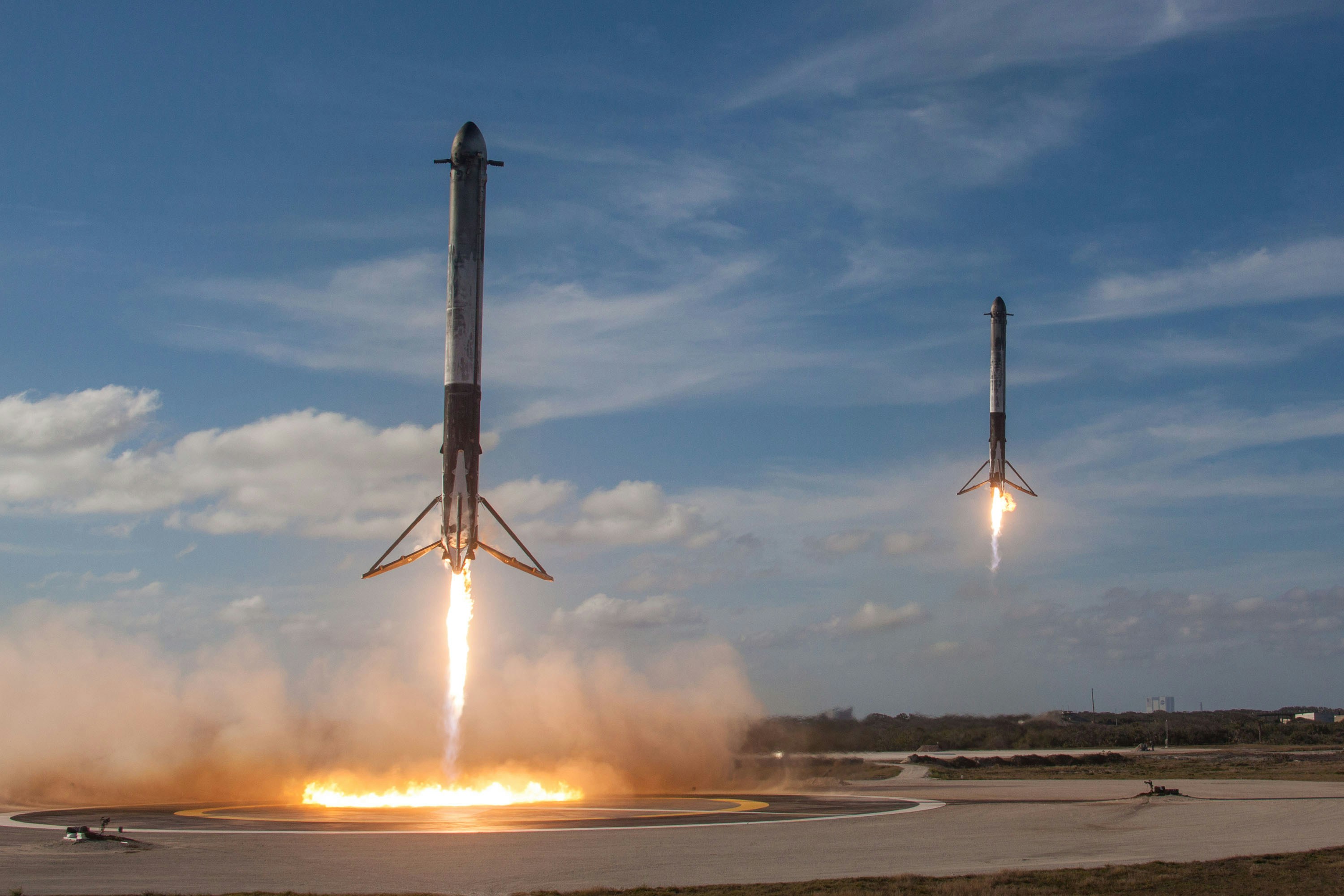
SpaceX's Falcon Heavy targets a second launch attempt for ViaSat-3 F3, while Artemis III slips to late 2027 and Musk earns a Mars milestone bonus.

Discover the history and significance of Two-Line Element Sets (TLEs) in satellite tracking. Dive into their components, applications, and how they are evolving to meet future space challenges.
Highlights of the day include the Polaris Dawn mission's splashdown, advances in space traffic management, and intriguing astronomy insights from the cloud's edge.
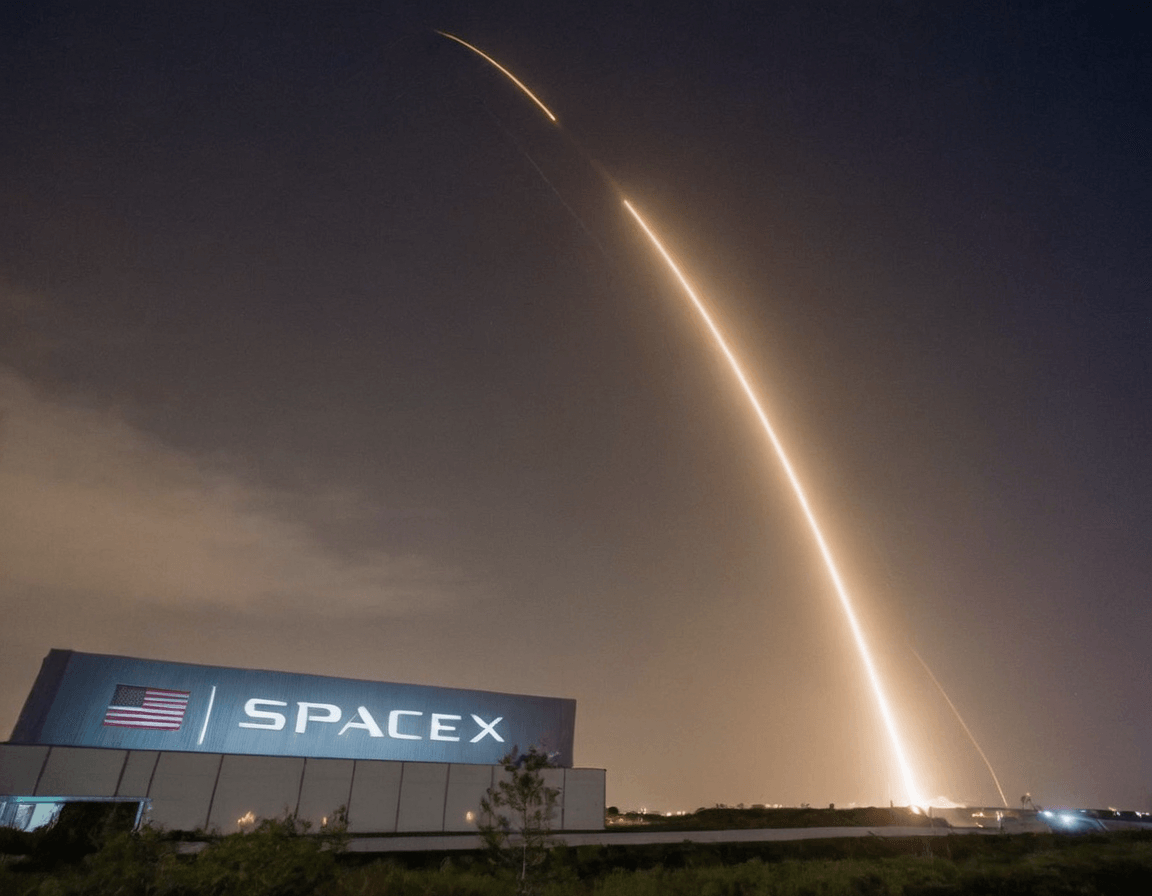
SpaceX successfully returns to flight with a Starlink mission, detailing the cause of the July 11 anomaly and implementing fixes to prevent future incidents.

Key highlights on China's reusable rocket developments, U.S. military's Tranche 1 satellite launch, Space Force's weapons acquisition strategies, and more.
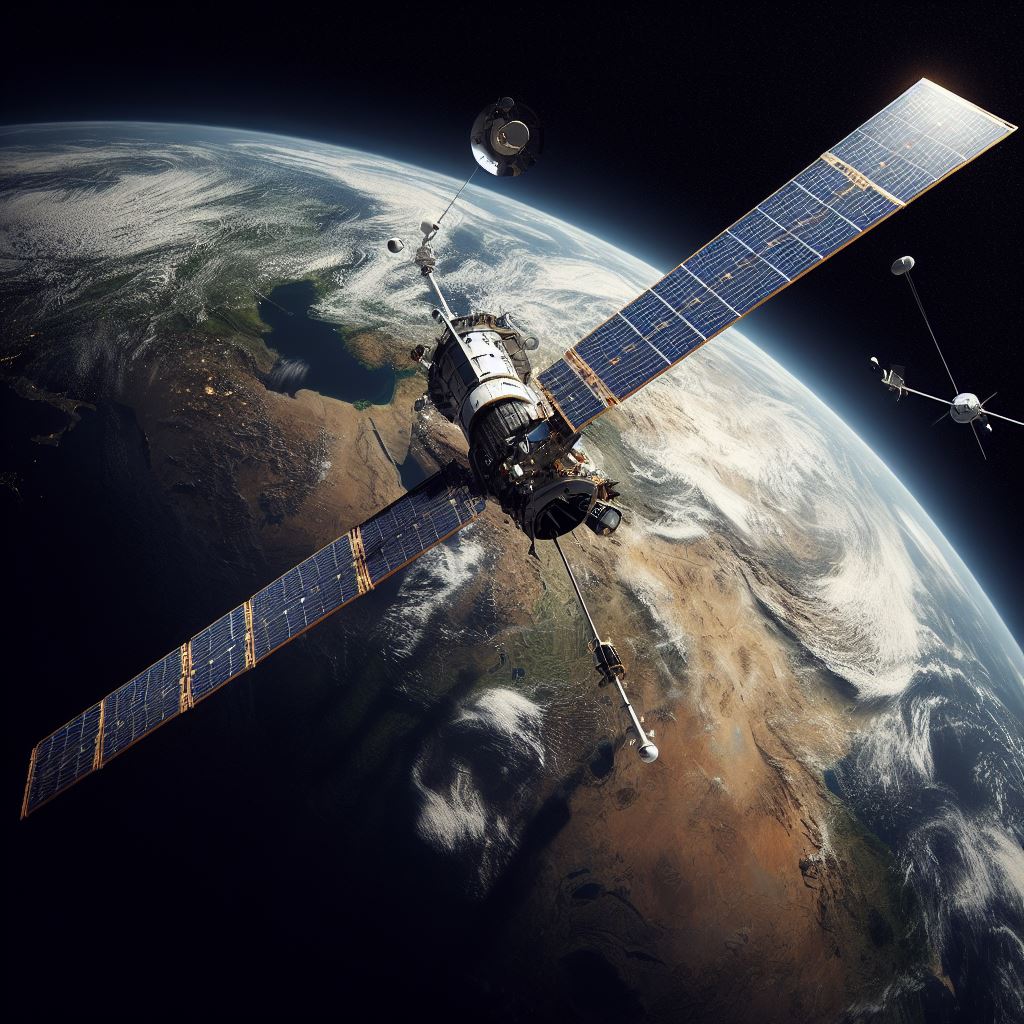
Uncover the top companies dominating the satellite industry. From SpaceX to One Web, learn who's leading in space assets. Full list inside.
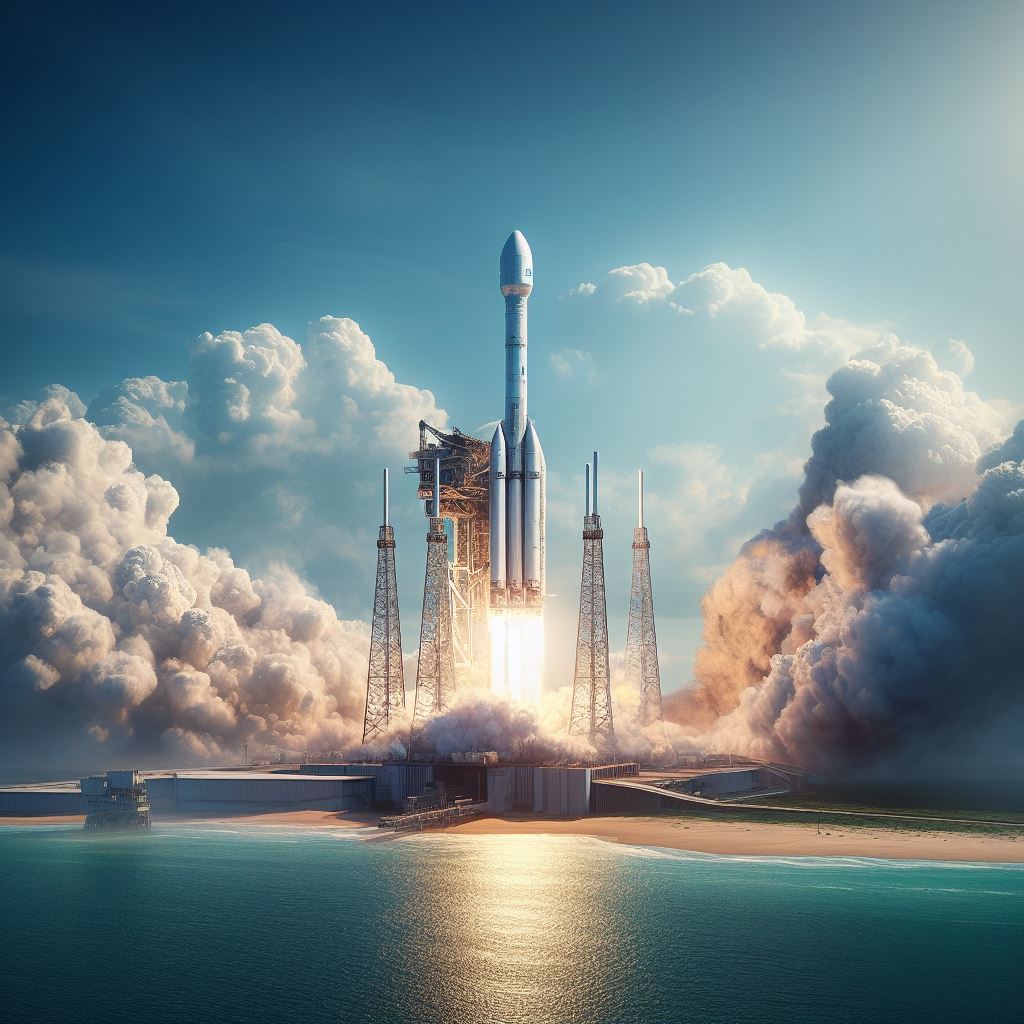
Super heavy-lift rockets are the most powerful launch vehicles ever built. They can send humans and cargo to the Moon, Mars, and beyond. But what are they, and why are they so important?