

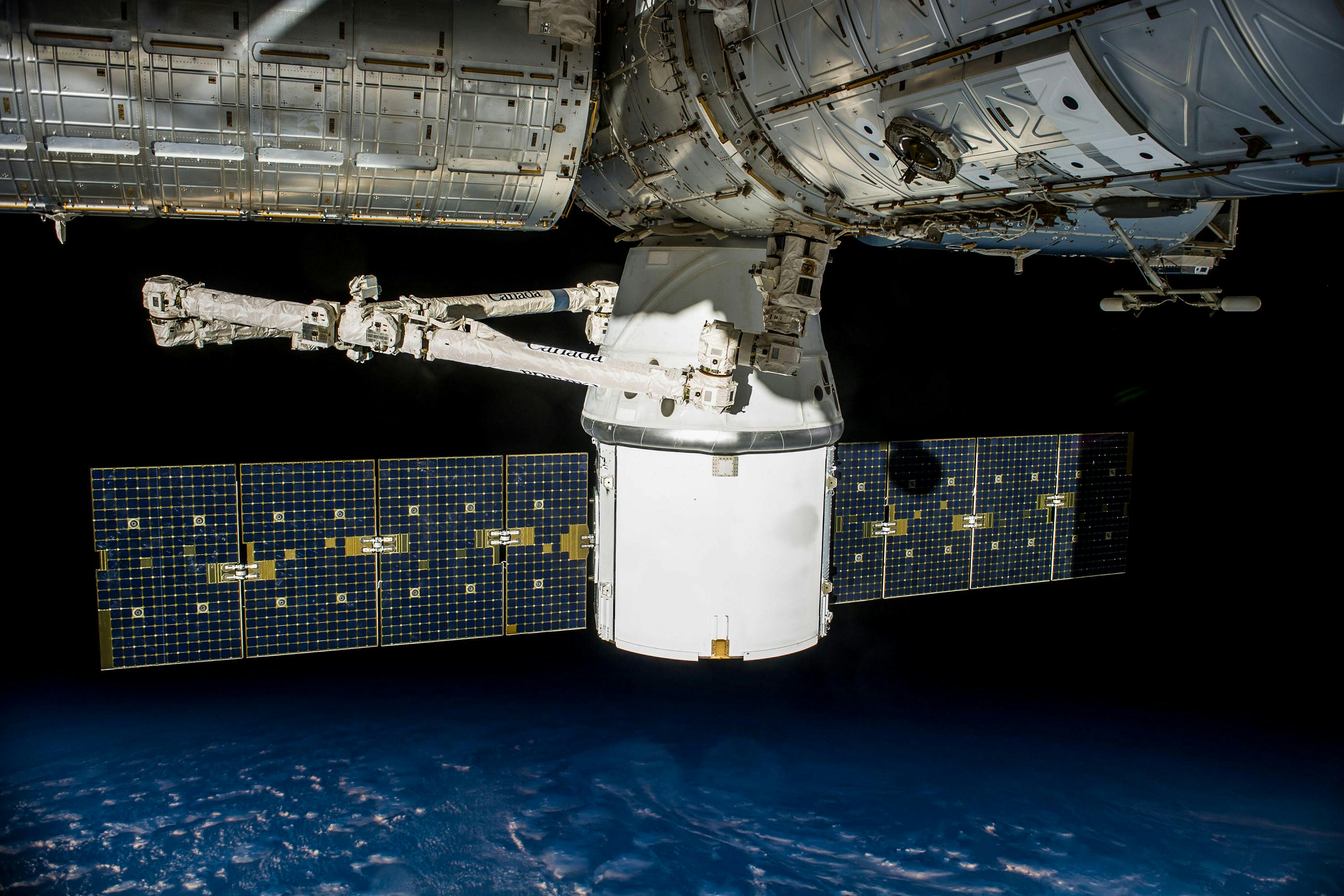
SpaceX Targets 600th Falcon Booster Landing on Starlink 17-22 | KeepTrack X Report
SpaceX attempts its 600th Falcon 9 booster landing during the Starlink 17-22 mission, adding 25 satellites from Vandenberg SFB.



Launch Date
May 26, 2021
Launch Site
Launch Pad
LC40
Launch Vehicle
NORAD ID
48647
International Designator
2021-044K
Decay Date
1/28/2025
Name
STARLINK-2691
Alternative Name
Starlink 2691
Type
Status
Owner
SPXS
Country
United States
Constellation
N/A
Related Satellites
Major Events
N/A
Length
0.2
Diameter
2.8
Span
9
Dry Mass
248
Launch Mass
260
Shape
Box + pan
Radar Cross Section
Unknown
Visual Magnitude
Unknown
Color
Unknown
Material Composition
Unknown
Payload
Starlink V1.0-L28-10
Purpose
Communication
Mission
Communication
Manufacturer
SPXS
Life Expectancy
Unknown
Bus
Starlink
Configuration
Unknown
Motor
Krypton ion thrusters
Equipment
Ku/Ka-band payload (all), optical inter-satellite links (a few prototypes)
Power System
Solar arrays, batteries
ADCS
Unknown
Transmitter Frequency
Unknown
Learn more about satellites and other related topics.
SpaceX attempts its 600th Falcon 9 booster landing during the Starlink 17-22 mission, adding 25 satellites from Vandenberg SFB.
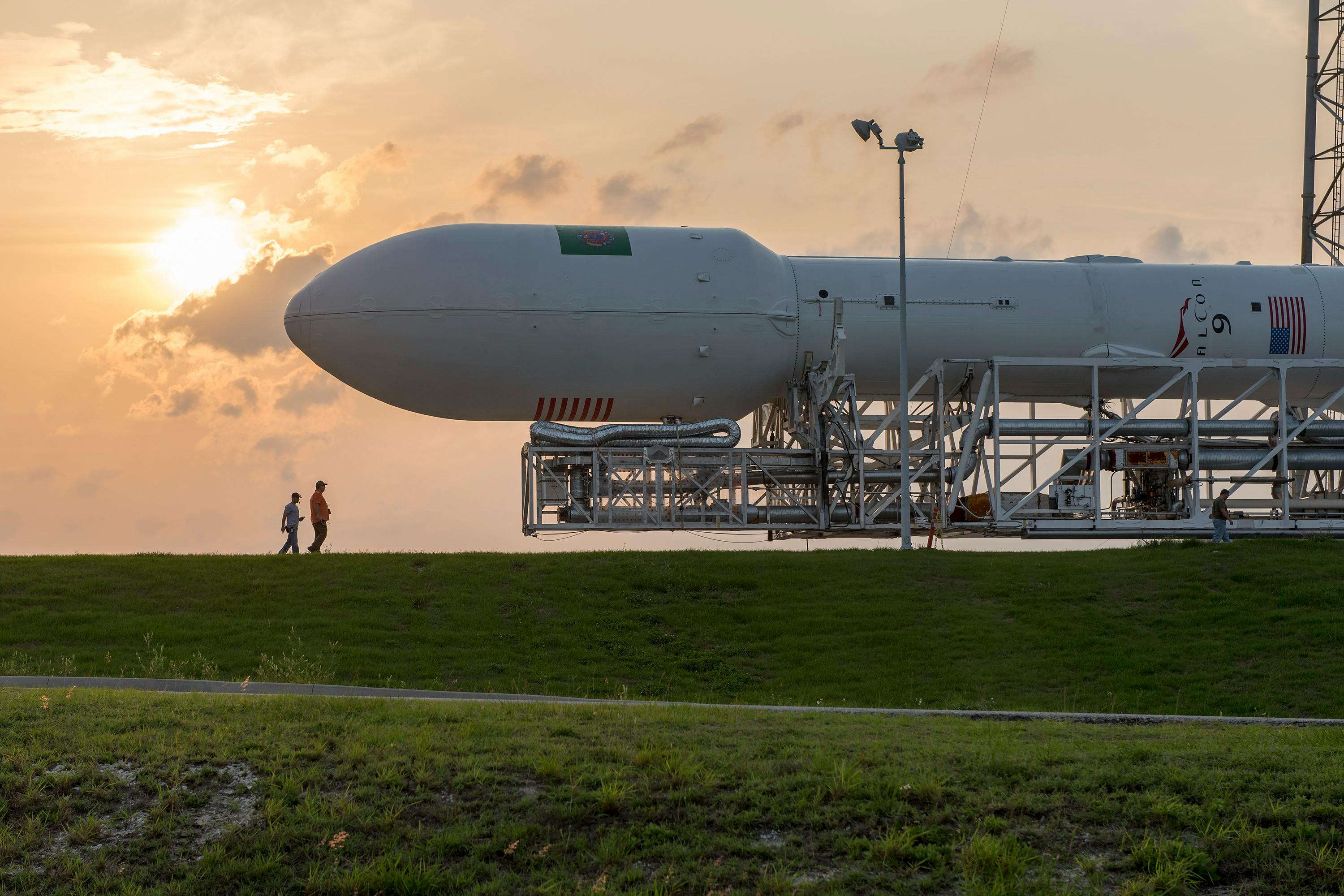
SpaceX successfully launched its 100th Falcon 9 flight, deploying 29 Starlink satellites, while NASA plans to test SpaceX’s Starshield. Additionally, SpaceX engages in social media commentary regarding American Airlines' interest in Amazon's Starlink rival.
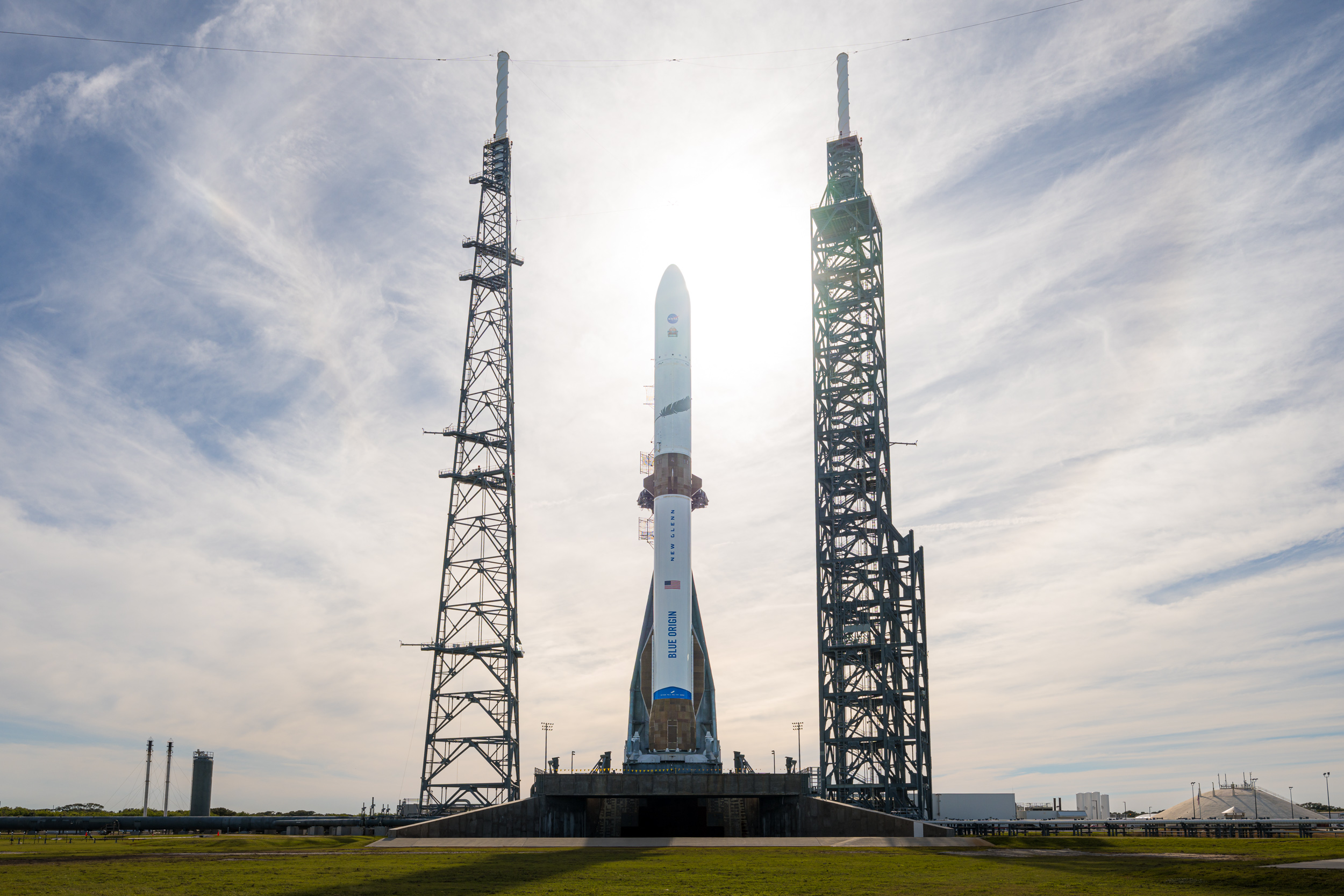
Artemis 2 astronauts completed first crewed lunar flyby since Apollo 17, traveling 690,000 miles aboard Orion. Four crew validated deep-space systems.

SpaceX rounds off a record-setting year with over 130 launches, achieving new milestones in Starship development and Starlink expansion.

SpaceX prepares for another Starlink launch from Florida, while recent Starship incident raises environmental concerns.
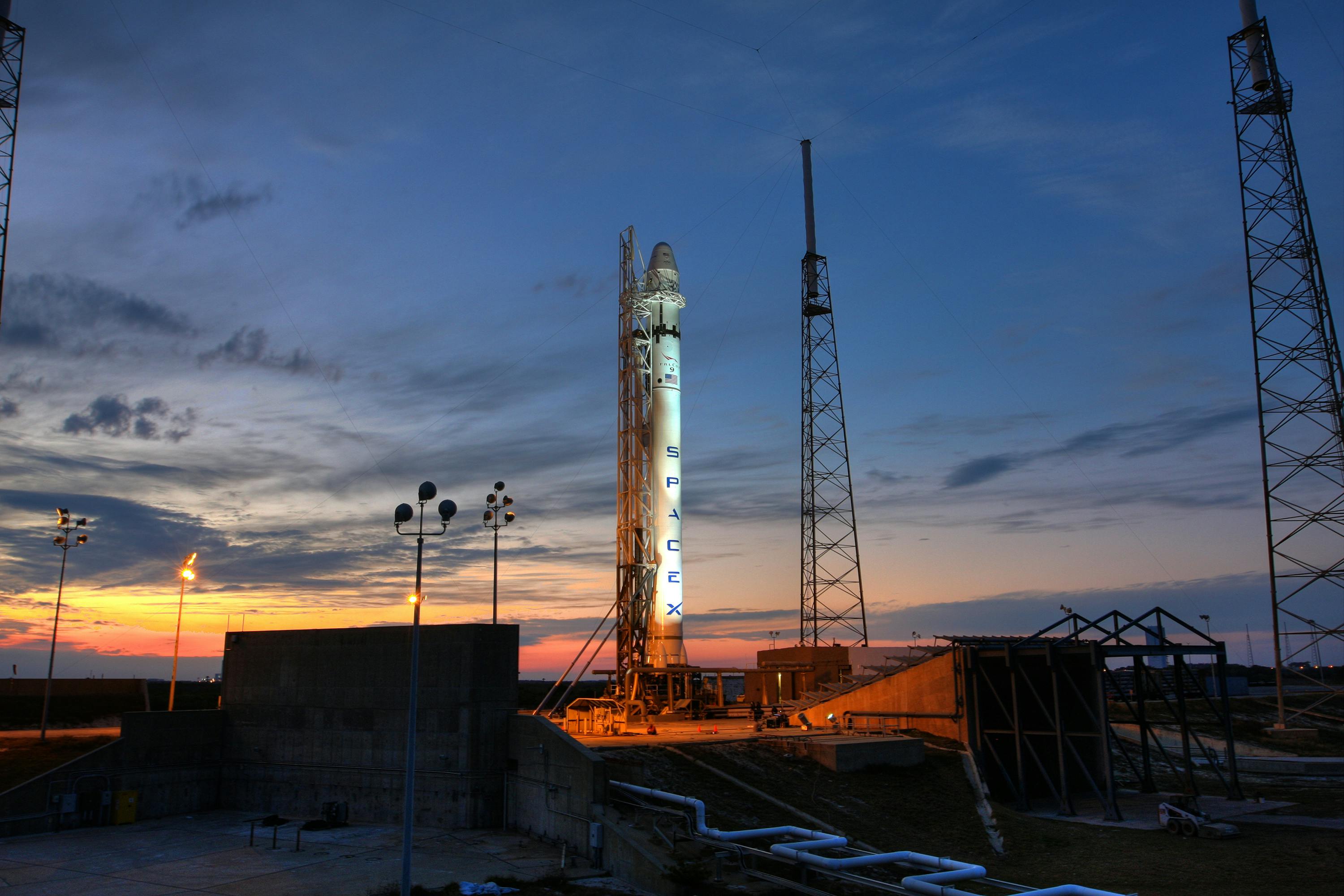
Starlink constellation size in 2026: 9,931 satellites in orbit, 9,920 working from 11,463 launched. Starlink 17-18 adds 25 more from Vandenberg.
Kratos awarded $447 million Space Force contract for Resilient Missile Warning Tracking ground ops center in Medium Earth Orbit, shifting missile detection away from vulnerable GEO satellites.
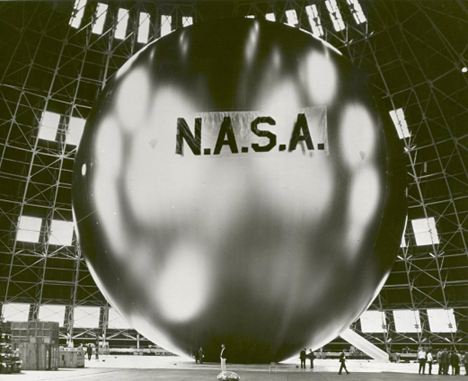
When a 135-foot inflatable mirror bounced a radio signal from England to Russia, it became the first joint US-Soviet space venture - and changed how we think about satellite communication.