


X Report 24 Dec 2025
SpaceX gears up for significant 2026 launches while a Starlink satellite anomaly provides insights into its operations.



Launch Date
May 15, 2021
Launch Site
Launch Pad
LC39A
Launch Vehicle
NORAD ID
48564
International Designator
2021-041M
Epoch
Sat, 04 Jul 2026 00:47:54 GMT
Apogee
Calculating...
Perigee
Calculating...
Inclination
53.16°
Right Ascension
305.41°
Eccentricity
Calculating...
Argument of Perigee
198.52°
Period
94.01 min
Mean Motion
15.32 rev/day
Latitude
Calculating...
Longitude
Calculating...
Altitude
Calculating...
Velocity
Calculating...
Name
STARLINK-2190
Alternative Name
Starlink 2190
Type
Status
Owner
SPXS
Country
United States
Constellation
N/A
Related Satellites
Major Events
N/A
1 48564U 21041M 26185.03326821 .00000036 00000-0 12904-4 0 9991
2 48564 53.1602 305.4057 0000381 198.5158 161.5830 15.31702259283102
Source: Celestrak
Length
0.2
Diameter
2.8
Span
9
Dry Mass
248
Launch Mass
260
Shape
Box + pan
Radar Cross Section
Unknown
Visual Magnitude
Unknown
Color
Unknown
Material Composition
Unknown
Payload
Starlink V1.0-L26-12
Purpose
Communication
Mission
Communication
Manufacturer
SPXS
Life Expectancy
Unknown
Bus
Starlink
Configuration
Unknown
Motor
Krypton ion thrusters
Equipment
Ku/Ka-band payload (all), optical inter-satellite links (a few prototypes)
Power System
Solar arrays, batteries
ADCS
Unknown
Transmitter Frequency
Unknown
Learn more about satellites and other related topics.
SpaceX gears up for significant 2026 launches while a Starlink satellite anomaly provides insights into its operations.
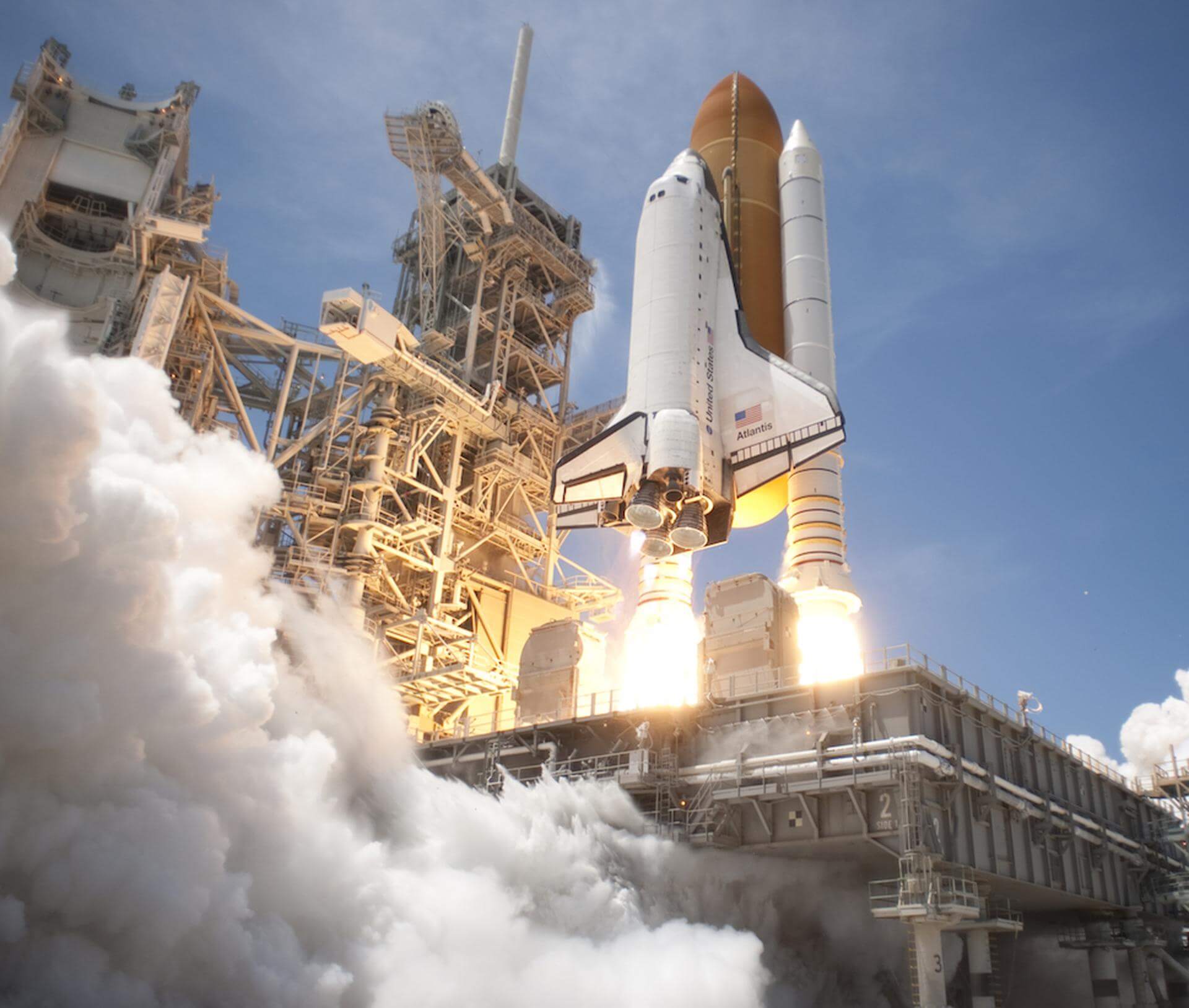
Nearly €140 million in ESA launcher development funds faces forfeiture with no replacement mechanism. Europe's independent launch capacity under pressure as Arianespace struggles.
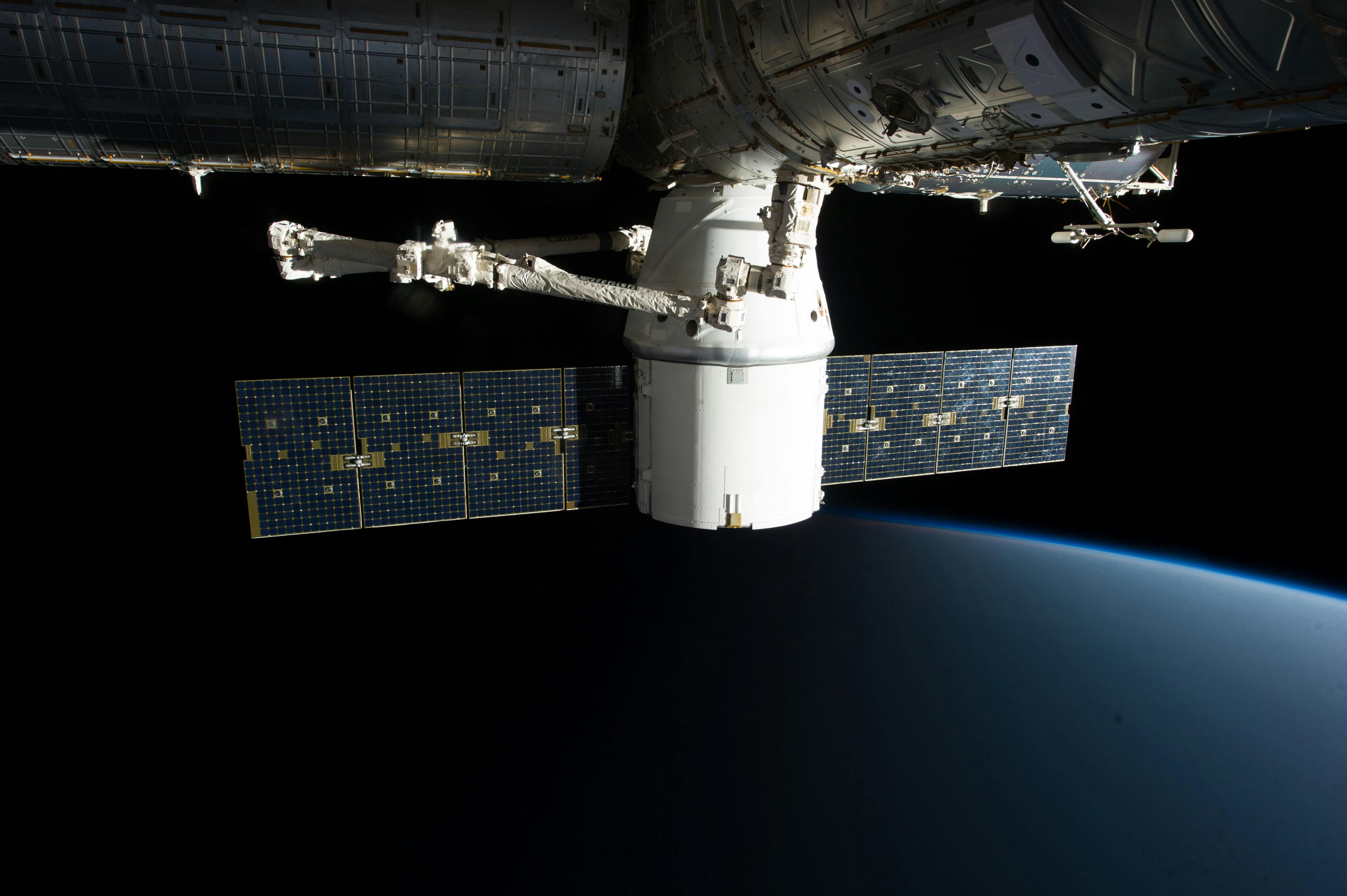
SpaceX secures FAA license for Starship Flight 7 and plans to establish Starbase as a city. Firefly and ispace are set to share a Falcon 9 launch. Plus, new Starlink services launch in New Zealand.
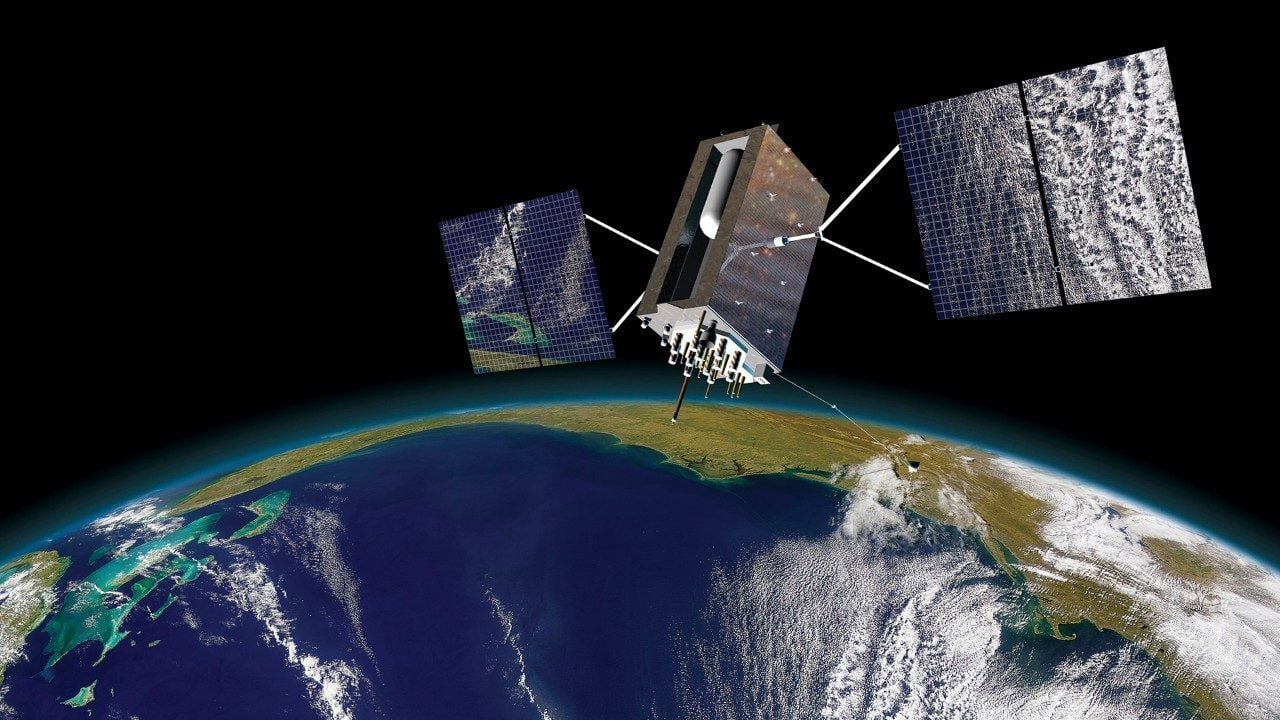
On April 17, 2026, the U.S. Space Force officially cancelled the Next Generation Operational Control System after sixteen years of development, cost overruns, and testing failures. The $8 billion program was supposed to unlock the military's encrypted GPS signal. Instead, the satellites are flying with capabilities the ground can't command.
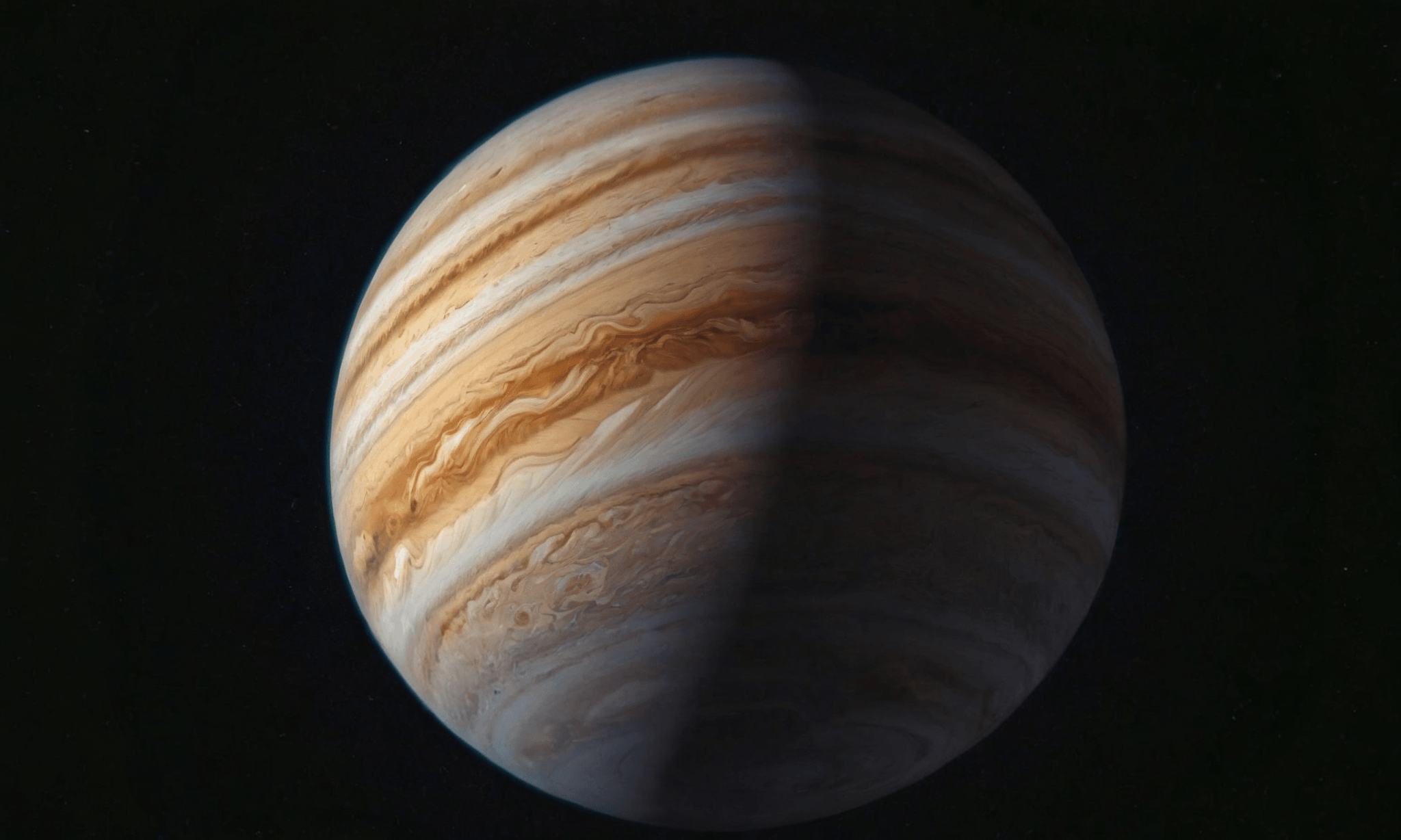
Today’s Space Brief covers a rescued lunar orbiter, a thorough pre-launch check for a Jupiter-bound mission, and leadership changes in a satellite communication company. We also spotlight a recently launched CubeSat and an innovative act of deorbiting.

U.S. Space Force executes first tactical orbital intercept under Victus Haze mission using commercial spacecraft. Rendezvous and proximity operations now operationally demonstrated.
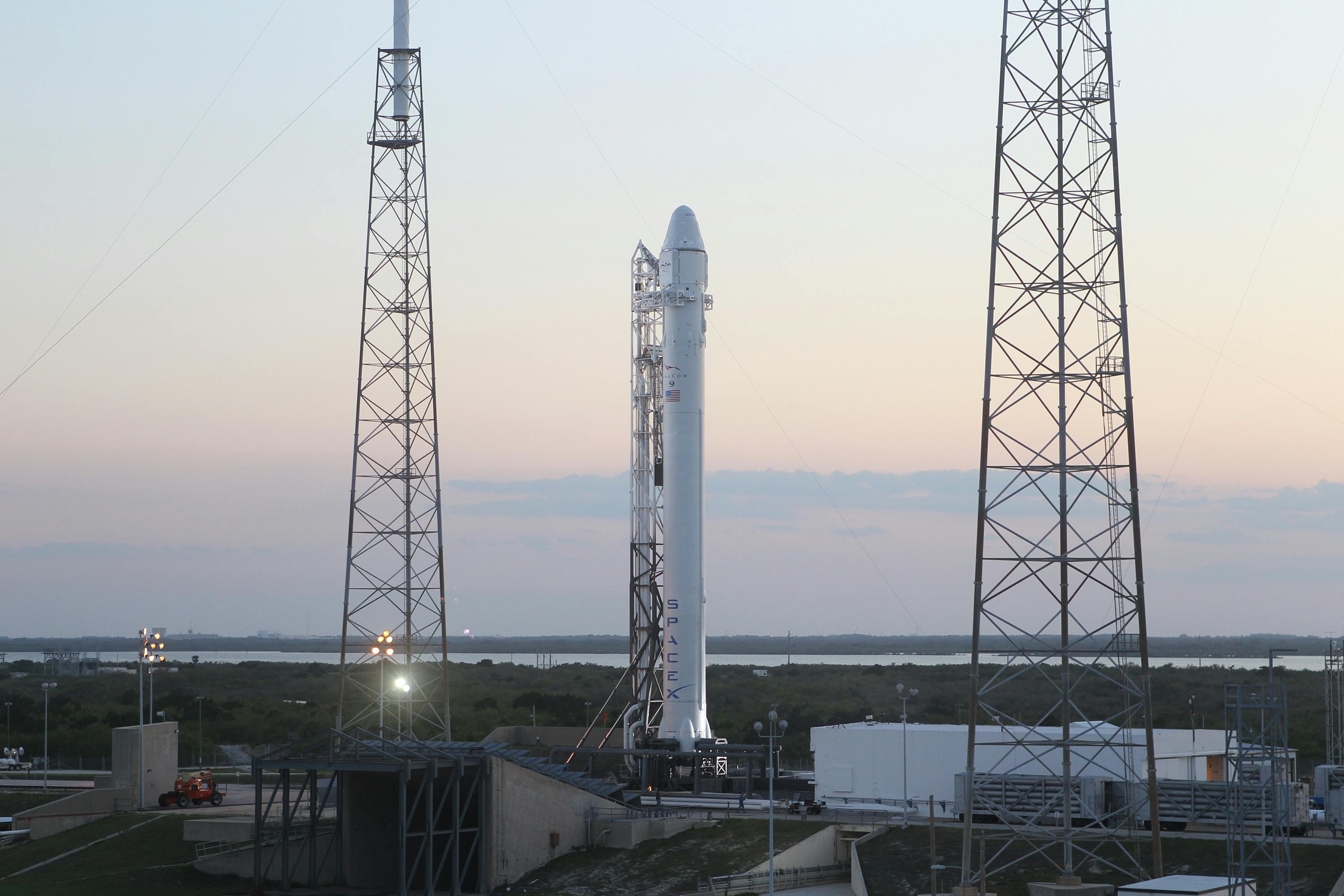
SpaceX successfully launched its 300th Starlink mission, deploying 24 new satellites to further expand its internet service coverage worldwide.
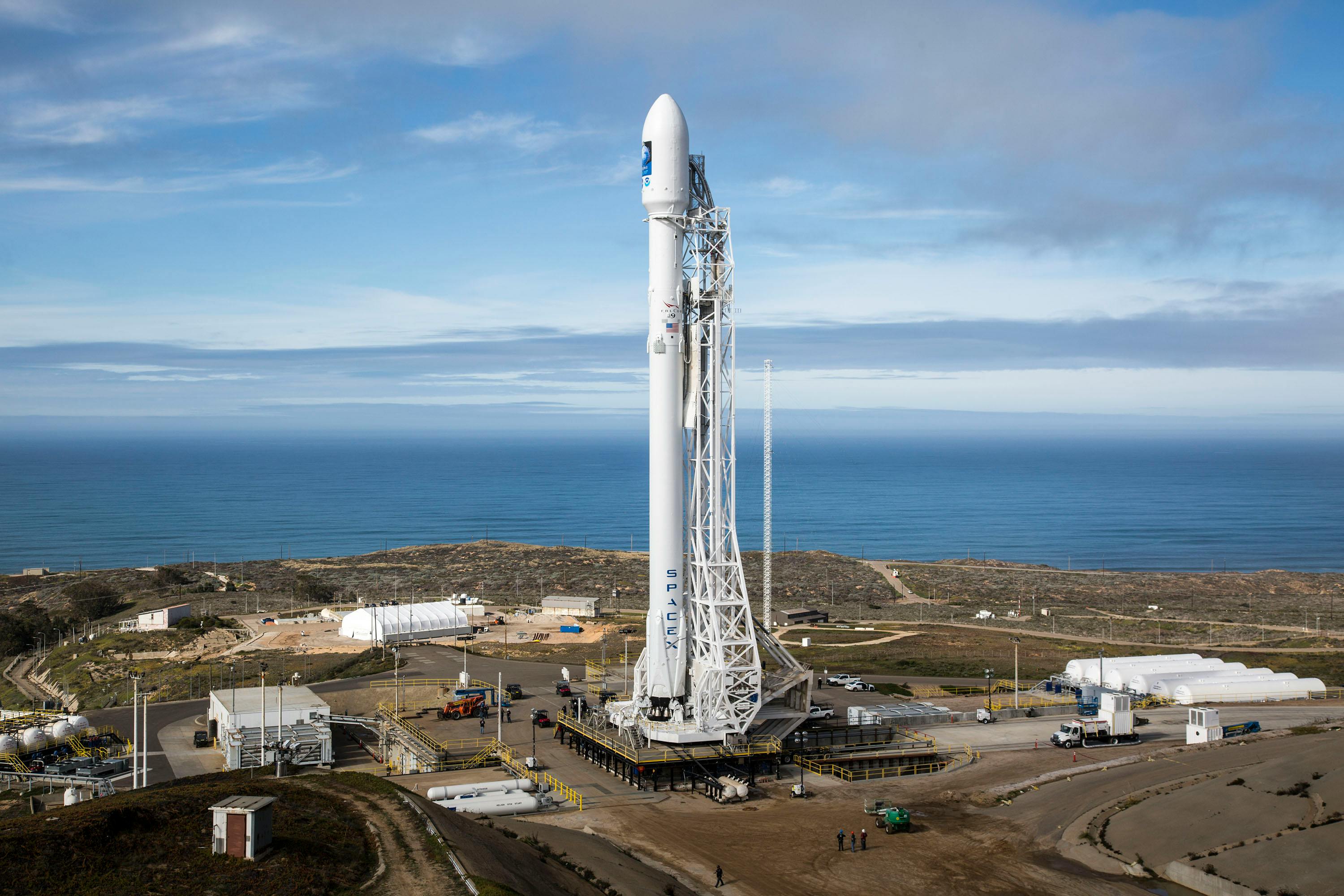
Starlink satellite count for April 2026: 10,177 in orbit, 10,168 working from 11,724 launched. No new anomalies, four reentries expected Apr 5-7.