


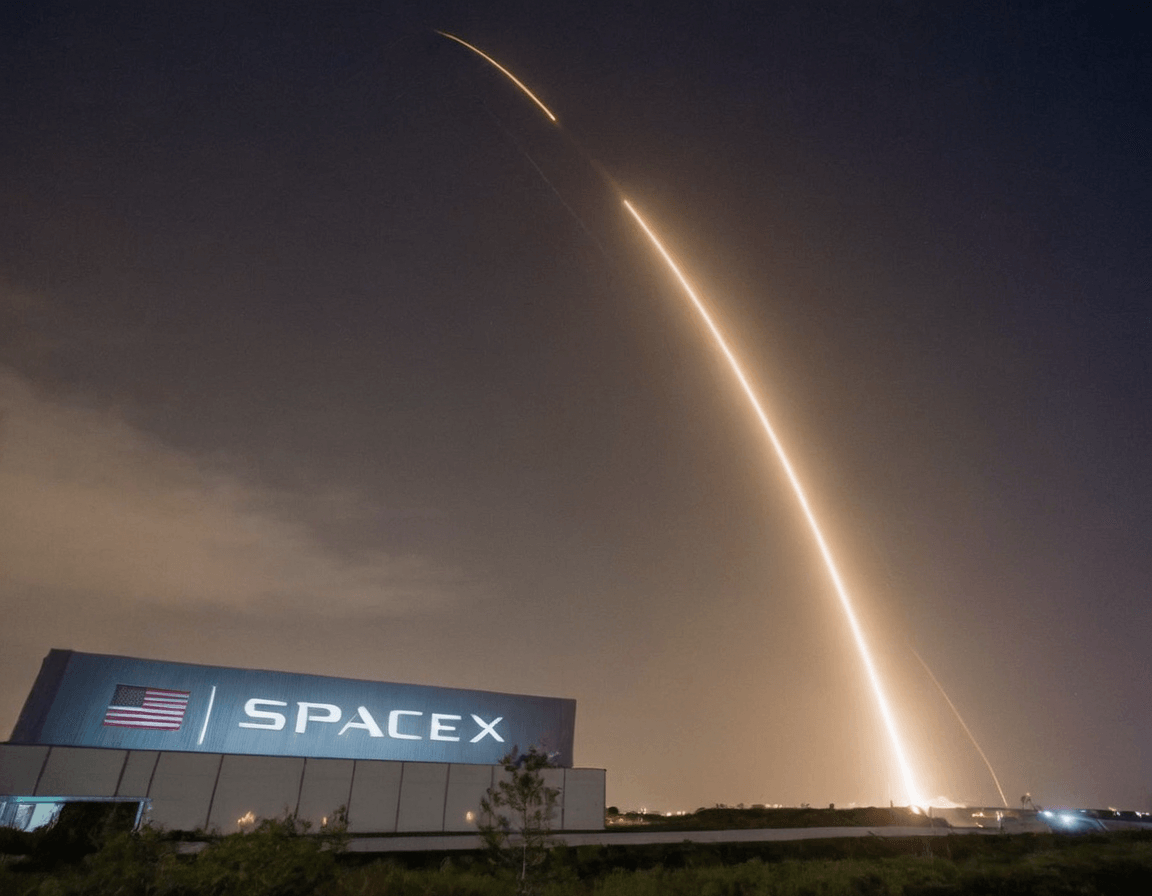
SpaceX Resumes Falcon 9 Launches After Investigating Upper Stage Anomaly
SpaceX successfully returns to flight with a Starlink mission, detailing the cause of the July 11 anomaly and implementing fixes to prevent future incidents.



Launch Date
May 15, 2021
Launch Site
Launch Pad
LC39A
Launch Vehicle
NORAD ID
48556
International Designator
2021-041D
Epoch
Sat, 04 Jul 2026 02:14:23 GMT
Apogee
Calculating...
Perigee
Calculating...
Inclination
53.16°
Right Ascension
320.86°
Eccentricity
Calculating...
Argument of Perigee
91.90°
Period
94.01 min
Mean Motion
15.32 rev/day
Latitude
Calculating...
Longitude
Calculating...
Altitude
Calculating...
Velocity
Calculating...
Name
STARLINK-2151
Alternative Name
Starlink 2151
Type
Status
Owner
SPXS
Country
United States
Constellation
N/A
Related Satellites
Major Events
N/A
1 48556U 21041D 26185.09332525 -.00002949 00000-0 -83275-4 0 9992
2 48556 53.1616 320.8627 0001303 91.8952 268.2199 15.31706652282882
Source: Celestrak
Length
0.2
Diameter
2.8
Span
9
Dry Mass
248
Launch Mass
260
Shape
Box + pan
Radar Cross Section
Unknown
Visual Magnitude
Unknown
Color
Unknown
Material Composition
Unknown
Payload
Starlink V1.0-L26-04
Purpose
Communication
Mission
Communication
Manufacturer
SPXS
Life Expectancy
Unknown
Bus
Starlink
Configuration
Unknown
Motor
Krypton ion thrusters
Equipment
Ku/Ka-band payload (all), optical inter-satellite links (a few prototypes)
Power System
Solar arrays, batteries
ADCS
Unknown
Transmitter Frequency
Unknown
Learn more about satellites and other related topics.
SpaceX successfully returns to flight with a Starlink mission, detailing the cause of the July 11 anomaly and implementing fixes to prevent future incidents.
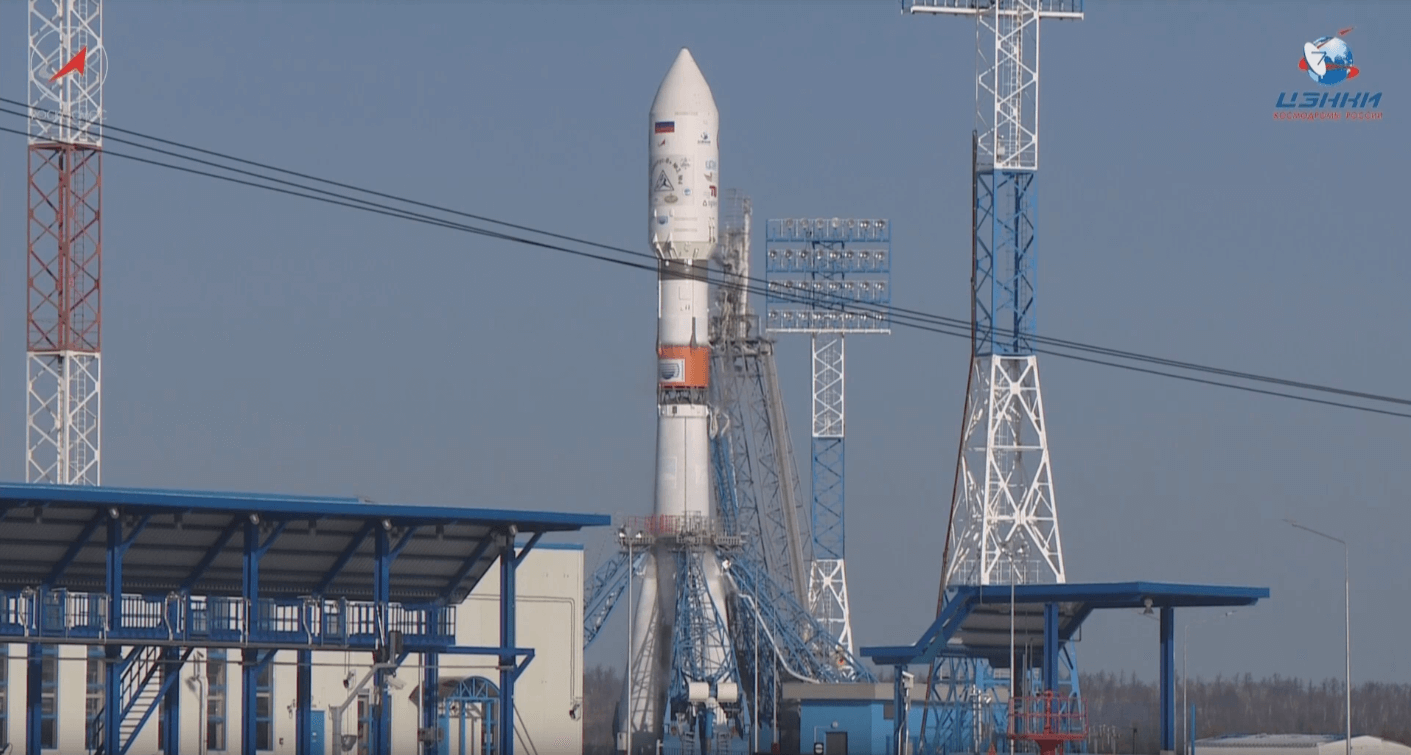
Today's highlights include ABL Space shifting its focus to missile defense, Intuitive Machines advocating for Artemis infrastructure reforms, and more updates from space and defense sectors.

SpaceX postpones Starship Flight 8, successfully launches Starlink satellites and two lunar missions.
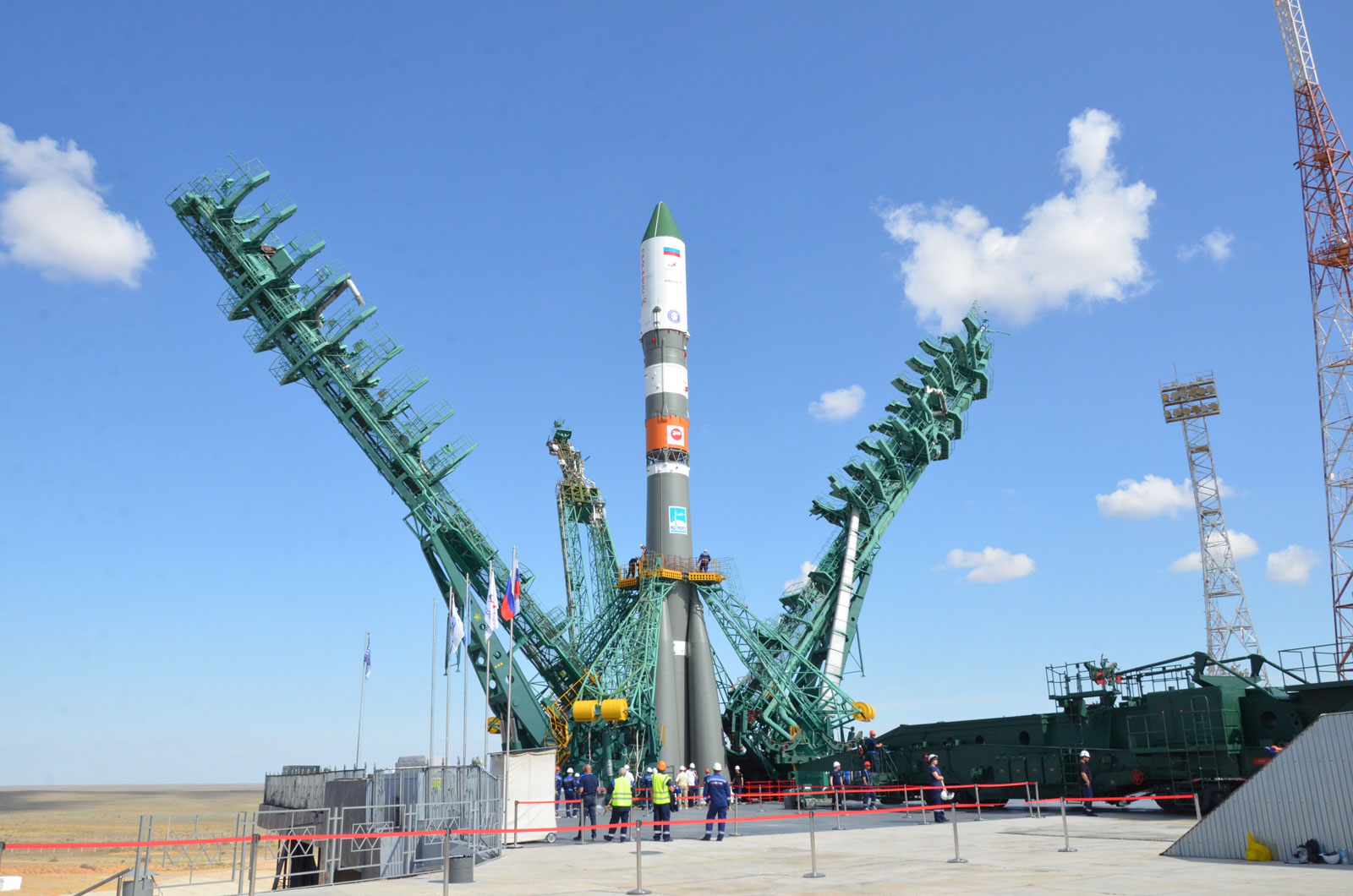
Space Force expands National Security Space Launch Phase 3 with Relativity Space and Impulse Space joining Lane 1 competition. New entrants gain pathway to military payload contracts.
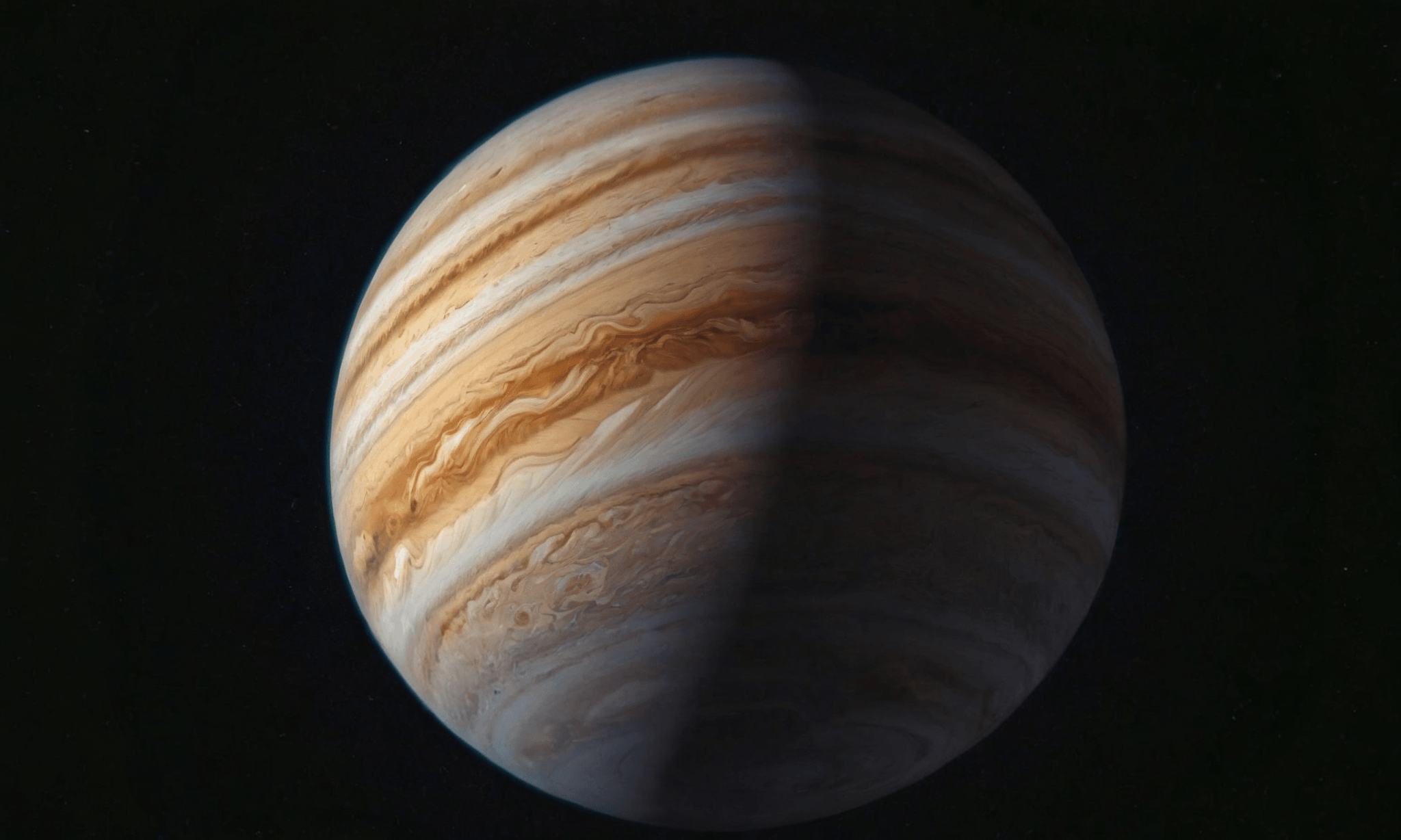
Today’s Space Brief covers a rescued lunar orbiter, a thorough pre-launch check for a Jupiter-bound mission, and leadership changes in a satellite communication company. We also spotlight a recently launched CubeSat and an innovative act of deorbiting.

Today's brief explores a simulated 'dogfight' in space by Chinese satellites, insights into a cloud platform by Oracle and Singapore's defense agency, and more space-related developments.

Today's briefing covers SpaceX's ambitious launch and temporary setback with their Super Heavy booster, adjustments in South African telecommunications laws influenced by Starlink, and the U.S. Navy's strategic shifts amidst changes in unmanned combatant acquisitions.
Today's Space Brief covers key developments including U.S. Space Force tech accelerator, SpaceX veterans' startup funding, ULA's expected dominance in national security missions, and new satellite activity.