


Space Brief 27 Jun 2025
Today's Space Brief covers potential changes in the procurement strategies for the Space Force, developments in missile detection technology, and budgetary impacts on space programs.



Launch Date
May 9, 2021
Launch Site
Launch Pad
LC40
Launch Vehicle
NORAD ID
48479
International Designator
2021-040BD
Epoch
Sat, 04 Jul 2026 05:05:56 GMT
Apogee
Calculating...
Perigee
Calculating...
Inclination
53.16°
Right Ascension
9.26°
Eccentricity
Calculating...
Argument of Perigee
88.79°
Period
94.01 min
Mean Motion
15.32 rev/day
Latitude
Calculating...
Longitude
Calculating...
Altitude
Calculating...
Velocity
Calculating...
Name
STARLINK-2755
Alternative Name
Starlink 2755
Type
Status
Owner
SPXS
Country
United States
Constellation
N/A
Related Satellites
Major Events
N/A
1 48479U 21040BD 26185.21245716 .00028697 00000-0 93265-3 0 9999
2 48479 53.1591 9.2556 0001461 88.7935 271.3233 15.31710722284348
Source: Celestrak
Length
0.2
Diameter
2.8
Span
9
Dry Mass
248
Launch Mass
260
Shape
Box + pan
Radar Cross Section
Unknown
Visual Magnitude
Unknown
Color
Unknown
Material Composition
Unknown
Payload
Starlink V1.0-L27-52
Purpose
Communication
Mission
Communication
Manufacturer
SPXS
Life Expectancy
Unknown
Bus
Starlink
Configuration
Unknown
Motor
Krypton ion thrusters
Equipment
Ku/Ka-band payload (all), optical inter-satellite links (a few prototypes)
Power System
Solar arrays, batteries
ADCS
Unknown
Transmitter Frequency
Unknown
Learn more about satellites and other related topics.
Today's Space Brief covers potential changes in the procurement strategies for the Space Force, developments in missile detection technology, and budgetary impacts on space programs.

Blue Origin aiming for 2nd New Glenn launch by end of 2026 after LC-36 pad explosion at Cape Canaveral. Repair timeline still unclear; mission critical for national security payloads.
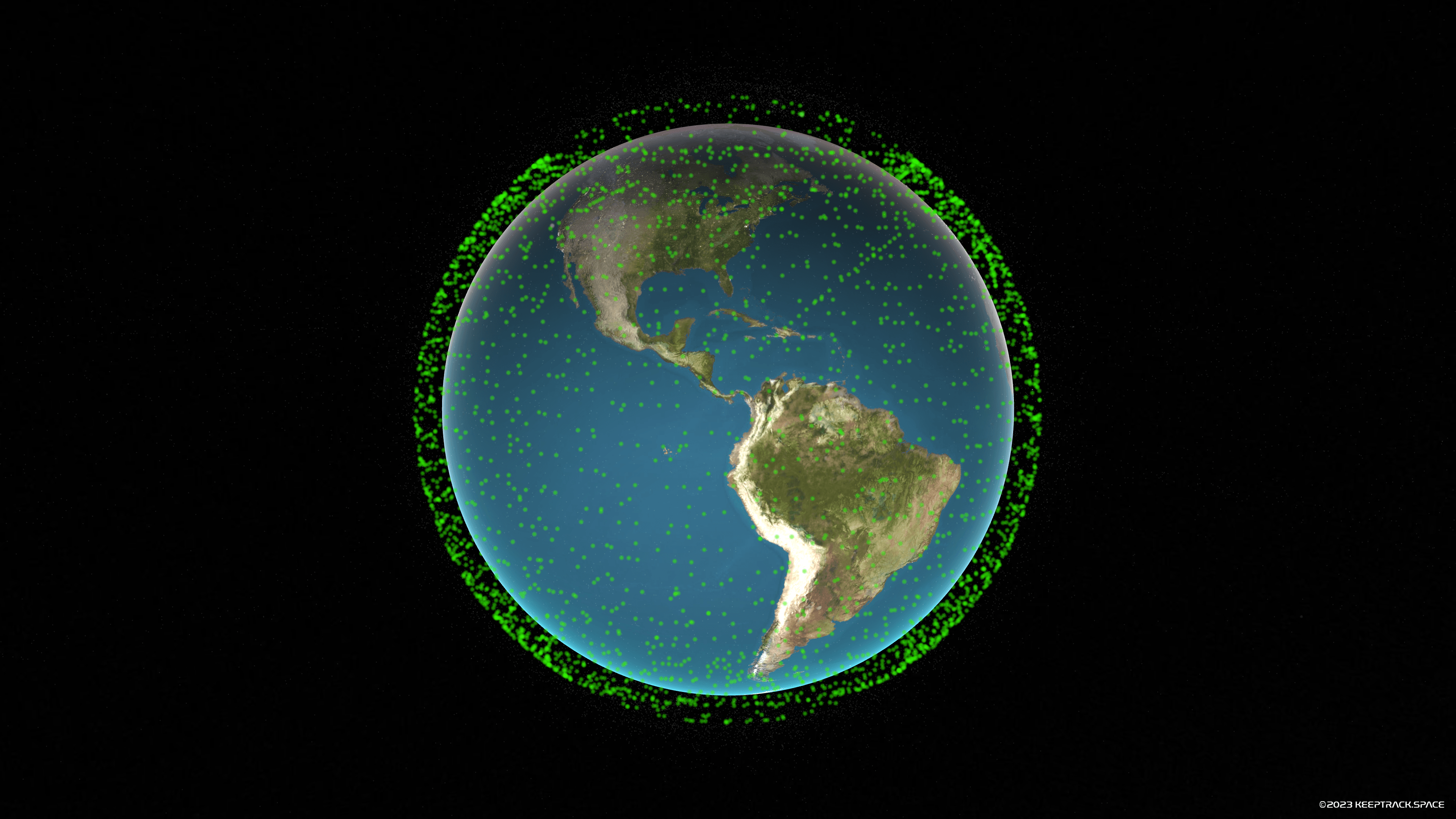
The U.S. Federal Communications Commission reaffirms its decision to deny SpaceX's Starlink unit $885.5 million in rural broadband subsidies, impacting the company's plans for expanding internet access.

Army launches space career field seeking 1,000 new specialists. HASC chair Rogers eyes $1.5T defense budget. Army and Marines share fire mission data via JADC2.

Sixty-four years ago, NASA made a decision that would shape the future of human spaceflight by selecting three astronauts to compete for America's first journey into space
Today's Space Brief brings updates on the U.S. Space Force's upcoming missions, in-space technology strategies, the challenges faced by new launchers, and advancements in satellite communication.
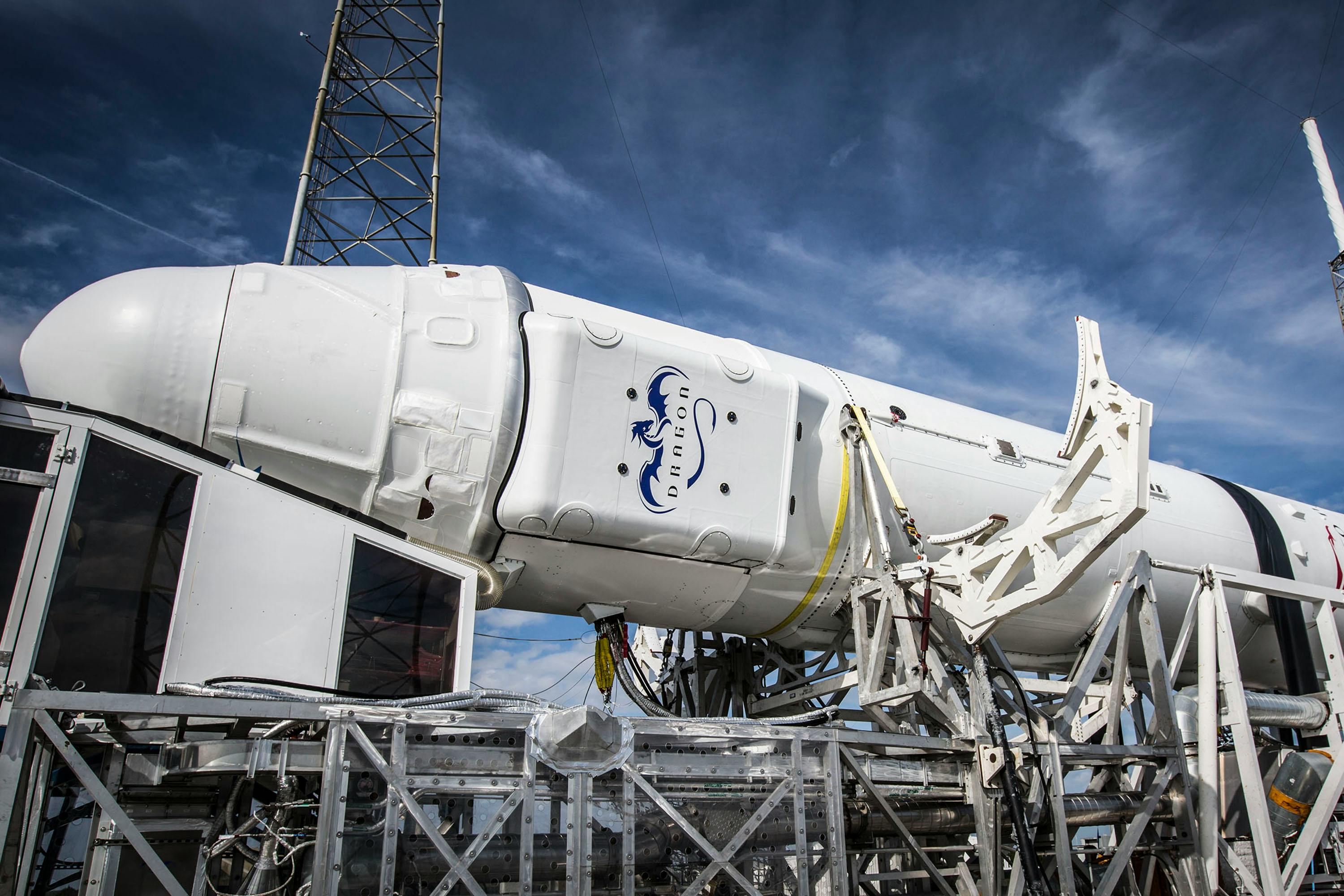
A second Starlink satellite malfunction in just over three months has generated on-orbit debris, raising fresh questions about SpaceX's 10,151-strong working constellation.
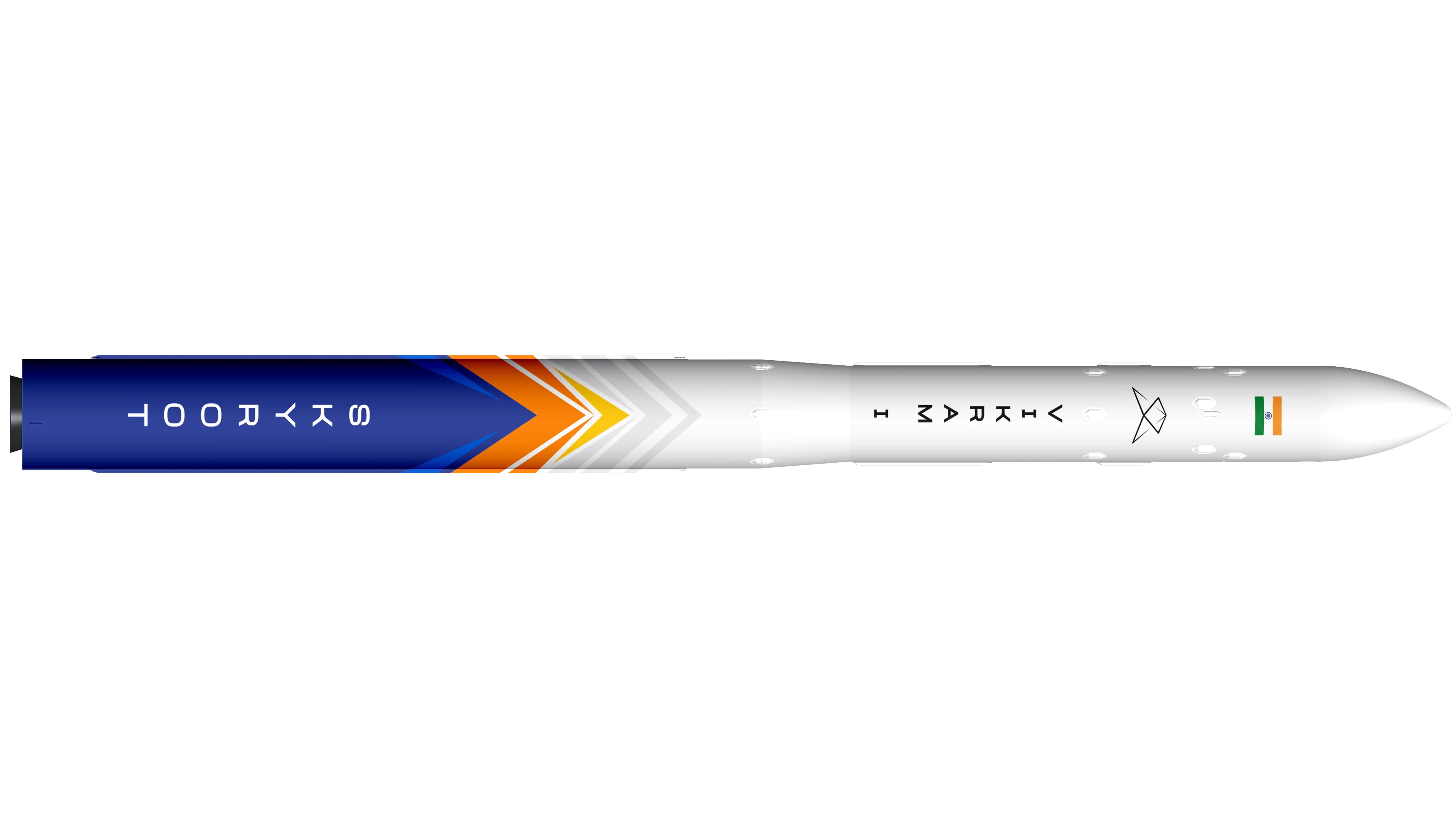
SDA hands L3Harris and Sierra Space $1.75B to build missile warning satellites for Pentagon's Golden Dome shield, targeting 2028 demonstration under accelerated schedule.