


The Details of Apollo 1
How a catastrophic fire in 1967 fundamentally altered NASA's approach to human spaceflight and continues to influence modern spacecraft design



Launch Date
May 9, 2021
Launch Site
Launch Pad
LC40
Launch Vehicle
NORAD ID
48474
International Designator
2021-040AY
Epoch
Sat, 04 Jul 2026 04:59:18 GMT
Apogee
Calculating...
Perigee
Calculating...
Inclination
53.16°
Right Ascension
9.64°
Eccentricity
Calculating...
Argument of Perigee
85.39°
Period
94.01 min
Mean Motion
15.32 rev/day
Latitude
Calculating...
Longitude
Calculating...
Altitude
Calculating...
Velocity
Calculating...
Name
STARLINK-2697
Alternative Name
Starlink 2697
Type
Status
Owner
SPXS
Country
United States
Constellation
N/A
Related Satellites
Major Events
N/A
1 48474U 21040AY 26185.20784876 .00001744 00000-0 67960-4 0 9996
2 48474 53.1586 9.6385 0000921 85.3904 274.7203 15.31695117284333
Source: Celestrak
Length
0.2
Diameter
2.8
Span
9
Dry Mass
248
Launch Mass
260
Shape
Box + pan
Radar Cross Section
Unknown
Visual Magnitude
Unknown
Color
Unknown
Material Composition
Unknown
Payload
Starlink V1.0-L27-47
Purpose
Communication
Mission
Communication
Manufacturer
SPXS
Life Expectancy
Unknown
Bus
Starlink
Configuration
Unknown
Motor
Krypton ion thrusters
Equipment
Ku/Ka-band payload (all), optical inter-satellite links (a few prototypes)
Power System
Solar arrays, batteries
ADCS
Unknown
Transmitter Frequency
Unknown
Learn more about satellites and other related topics.
How a catastrophic fire in 1967 fundamentally altered NASA's approach to human spaceflight and continues to influence modern spacecraft design
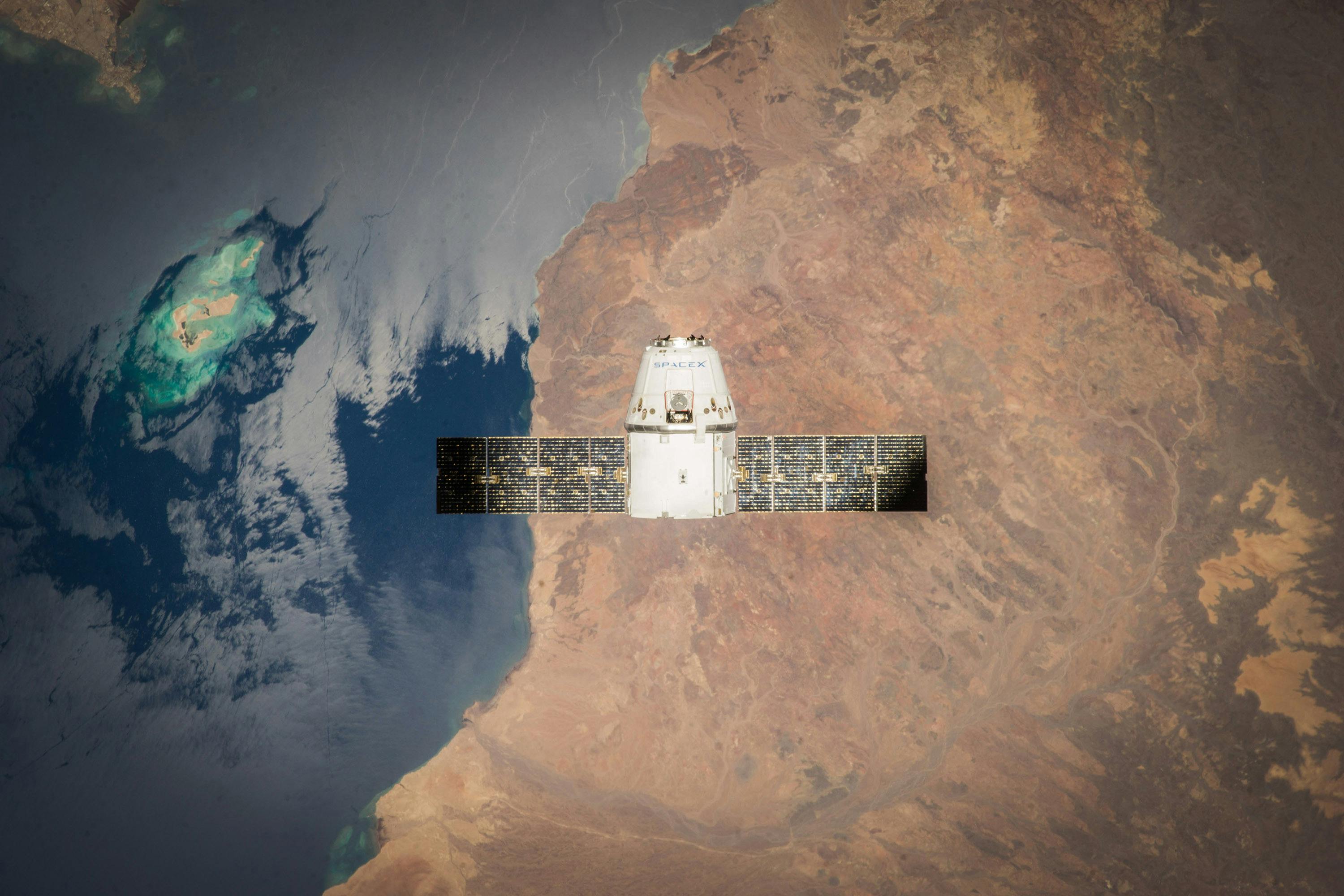
SpaceX made strides in both Starship and Starlink missions this week, launching another round of satellites while concurrently testing their Starship capabilities amidst challenges.

Air Force awards CCA contracts to General Atomics and Anduril for autonomous fighter wingmen. Autonomy layer split across Anduril, Shield AI, and Collins Aerospace.
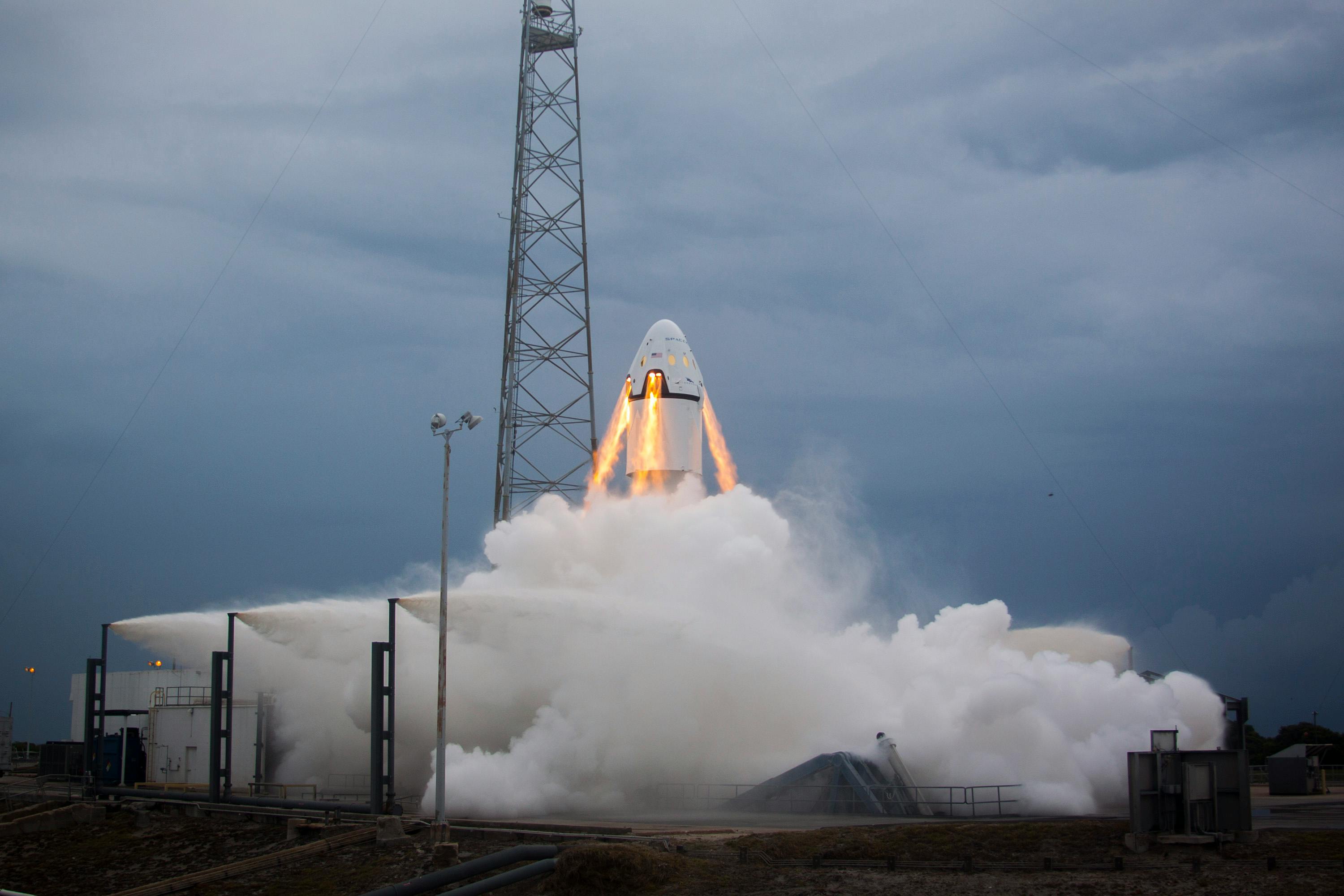
Exciting advancements from SpaceX's Fram2 mission and the pivotal role of biotech in space exploration.
China successfully recovered a Long March 10C first stage booster, positioning the methalox rocket as its primary commercial launcher. Reusable boosters reshape Beijing's LEO constellation strategy.
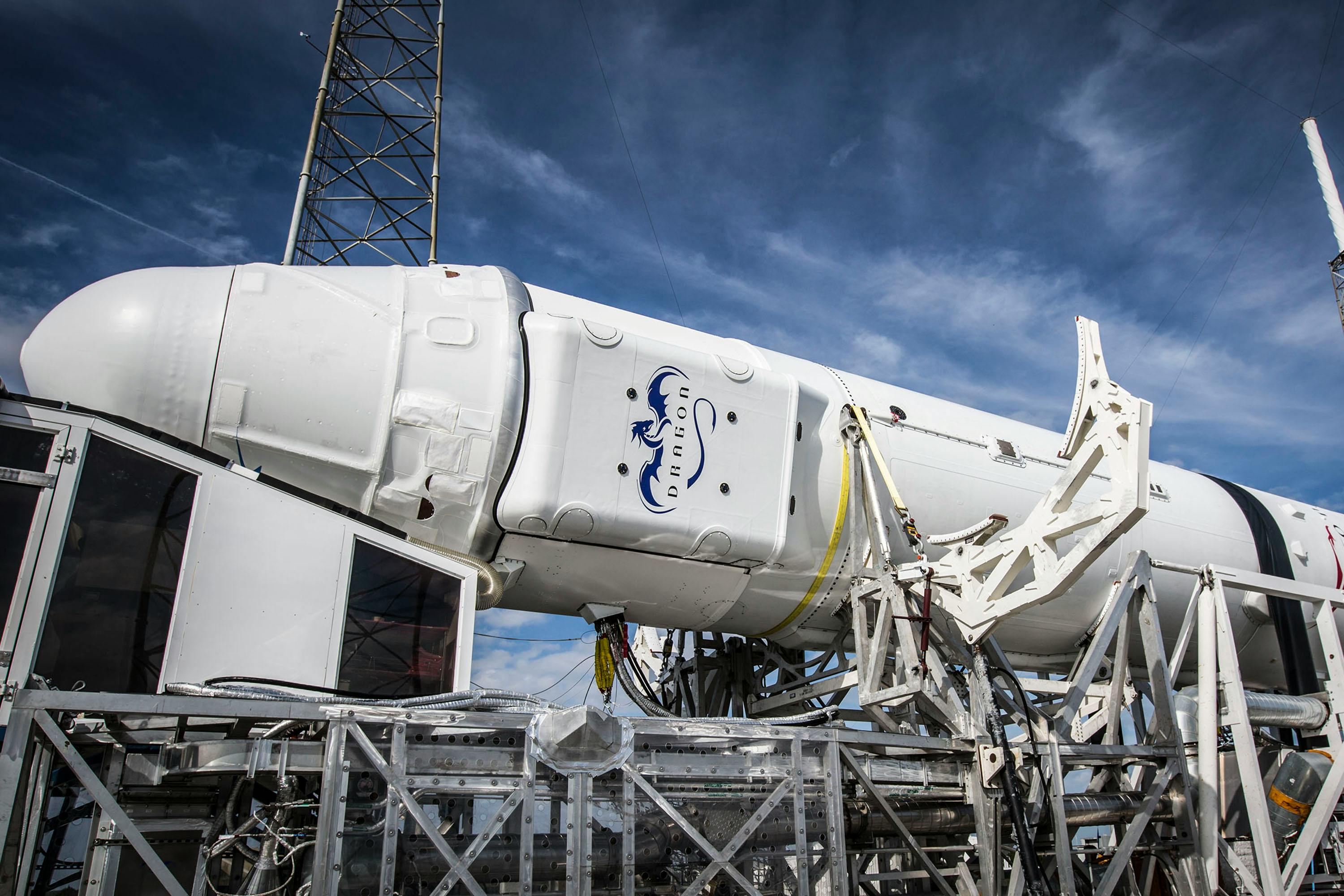
A second Starlink satellite malfunction in just over three months has generated on-orbit debris, raising fresh questions about SpaceX's 10,151-strong working constellation.

Today's brief covers the integration of commercial and military space capabilities, a notable change in Crew 12 mission, advancements in digital training for space operations, and more.
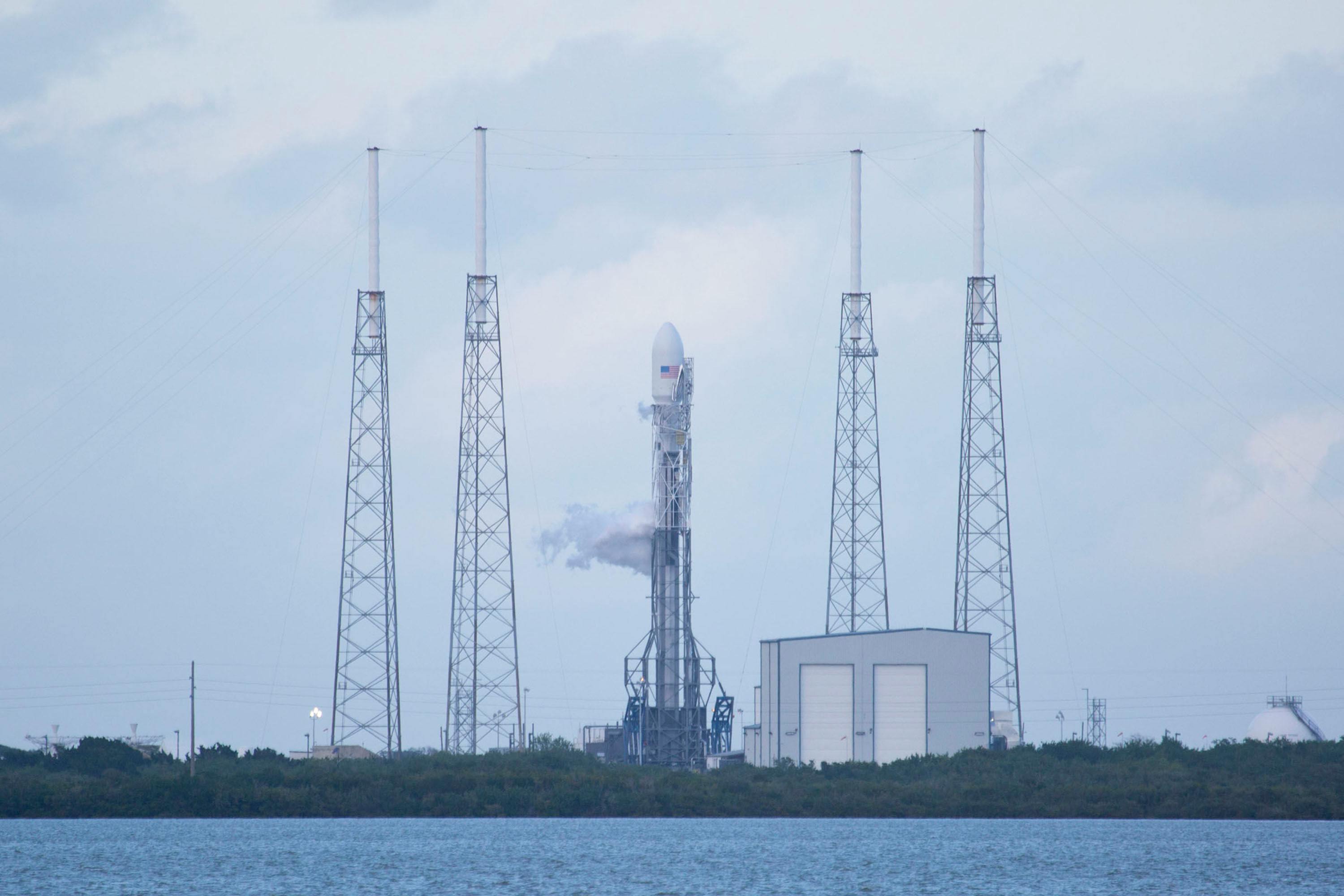
SpaceX deploys 29 Starlink satellites from Cape Canaveral on the Starlink 6-100 mission. Falcon 9 lifted off at 6:31 p.m. EST continuing SpaceX's dominant satellite internet market position.