STARLINK-2654 (48454)

COSPAR: 2021-040AC | Alt Name: Starlink 2654

Image
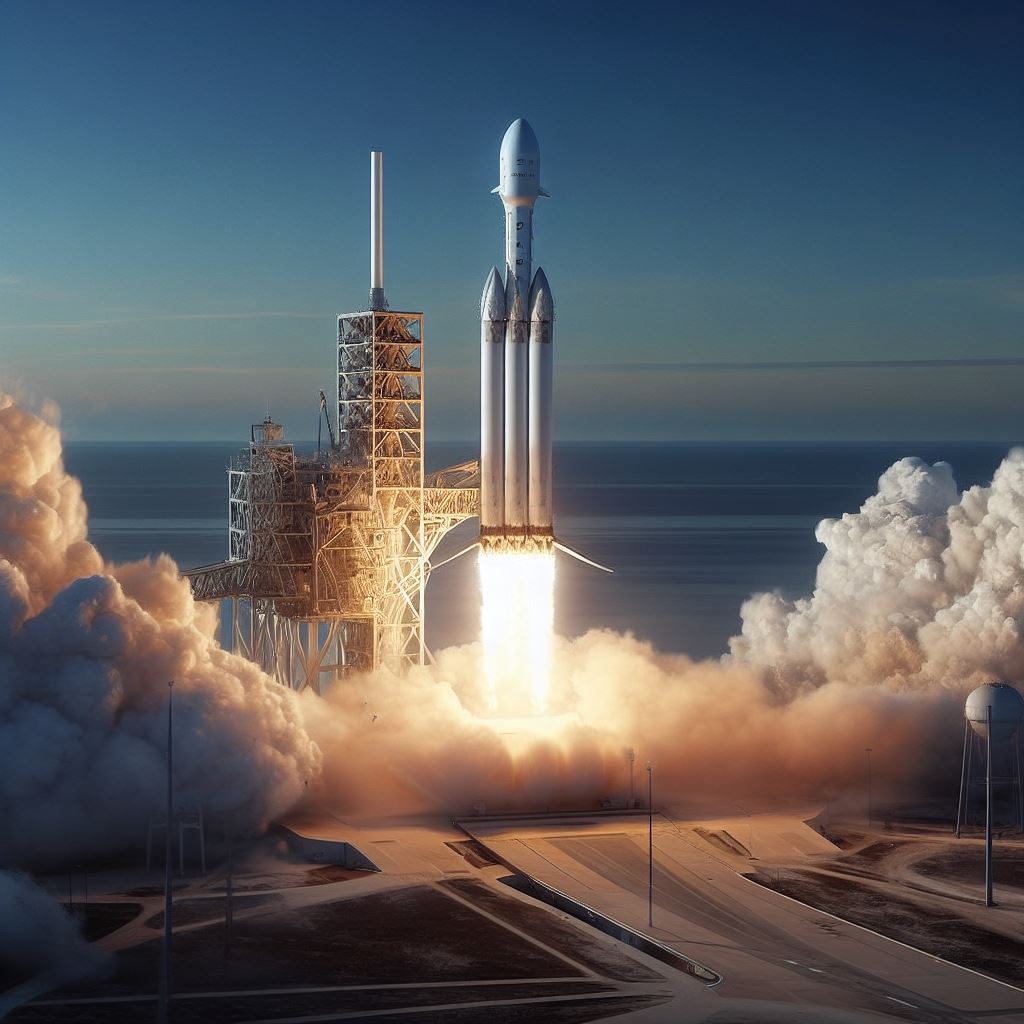
STARLINK-2654 Satellite Image
Additional Sources
Launch Details

Launch Date

May 9, 2021

Launch Pad

LC40

Launch Vehicle

Falcon 9

Orbital Elements

NORAD ID

48454

International Designator

2021-040AC

Epoch

Sat, 04 Jul 2026 04:21:09 GMT

Apogee

Calculating...

Perigee

Calculating...

Inclination

53.16°

Right Ascension

356.10°

Eccentricity

Calculating...

Argument of Perigee

90.00°

Period

94.01 min

Mean Motion

15.32 rev/day

Latitude

Calculating...

Longitude

Calculating...

Altitude

Calculating...

Velocity

Calculating...

Polar Plot
3D Visualization
Basic Satellite Info

Name

STARLINK-2654

Alternative Name

Starlink 2654

Type

Payload

Status

Operational

Owner

SPXS

Country

United States

Constellation

N/A

Related Satellites

Major Events

N/A

Latest TLEs
1 48454U 21040AC  26185.18136563 -.00001366  00000-0 -32235-4 0  9994
2 48454  53.1594 356.0974 0001308  89.9962 270.1190 15.31708188284537

Source: Celestrak

Summary
The Starlink satellite named STARLINK-2654 (OBJECT_ID: 2021-040AC) is a communication satellite manufactured by SPXS and owned by the same entity. Launched on May 9, 2021, from LC40 at AFETR using a Falcon 9 launch vehicle, this spacecraft measures 0.2 meters in length with a diameter of 2.8 meters and has a span of 9 meters. The satellite weighs 260 kg at launch and has a dry mass of 248 kg. It is equipped with Ku/Ka-band payload (all) and optical inter-satellite links on a few prototypes, powered by solar arrays and batteries. Its mission involves providing communication services using krypton ion thrusters for propulsion.

Starlink is a satellite constellation developed by SpaceX with the aim of providing global broadband internet coverage. Thousands of small satellites are deployed in low Earth orbit (LEO), enabling high-speed internet access even in remote areas. However, the rapid increase in satellites raises concerns about space debris and the potential for collisions, which can lead to further debris creation and endanger other spacecraft. Additionally, the sheer number of Starlink satellites can affect astronomical observations by increasing light pollution. Proper deorbiting plans and international coordination are essential to mitigate these challenges and ensure long-term sustainability in space.
Physical Characteristics

Length

0.2

Diameter

2.8

Span

9

Dry Mass

248

Launch Mass

260

Shape

Box + pan

Radar Cross Section

Unknown

Visual Magnitude

Unknown

Color

Unknown

Material Composition

Unknown

Technical Details

Payload

Starlink V1.0-L27-27

Purpose

Communication

Mission

Communication

Manufacturer

SPXS

Life Expectancy

Unknown

Bus

Starlink

Configuration

Unknown

Motor

Krypton ion thrusters

Equipment

Ku/Ka-band payload (all), optical inter-satellite links (a few prototypes)

Power System

Solar arrays, batteries

ADCS

Unknown

Transmitter Frequency

Unknown

Map
This tool will help you track the satellite's position and predict its upcoming passes over your location. Simply input the coordinates or click the geolocation button to get started.
Next Pass
Azimuth Elevation Time (Local)
Start Azimuth
Max Elevation
Stop Azimuth
Time Until
Pass Duration

Satellite Articles

View All Posts »

Learn more about satellites and other related topics.

Space Brief 11 Sep 2025

Space Brief 11 Sep 2025

Key updates today focus on SpaceX's latest satellite launch for the U.S. military, critical space resource assessments by the U.S. Space Force, and new developments in space infrastructure and equipment for defense operations.
Neil Gehrels Swift Observatory

Neil Gehrels Swift Observatory

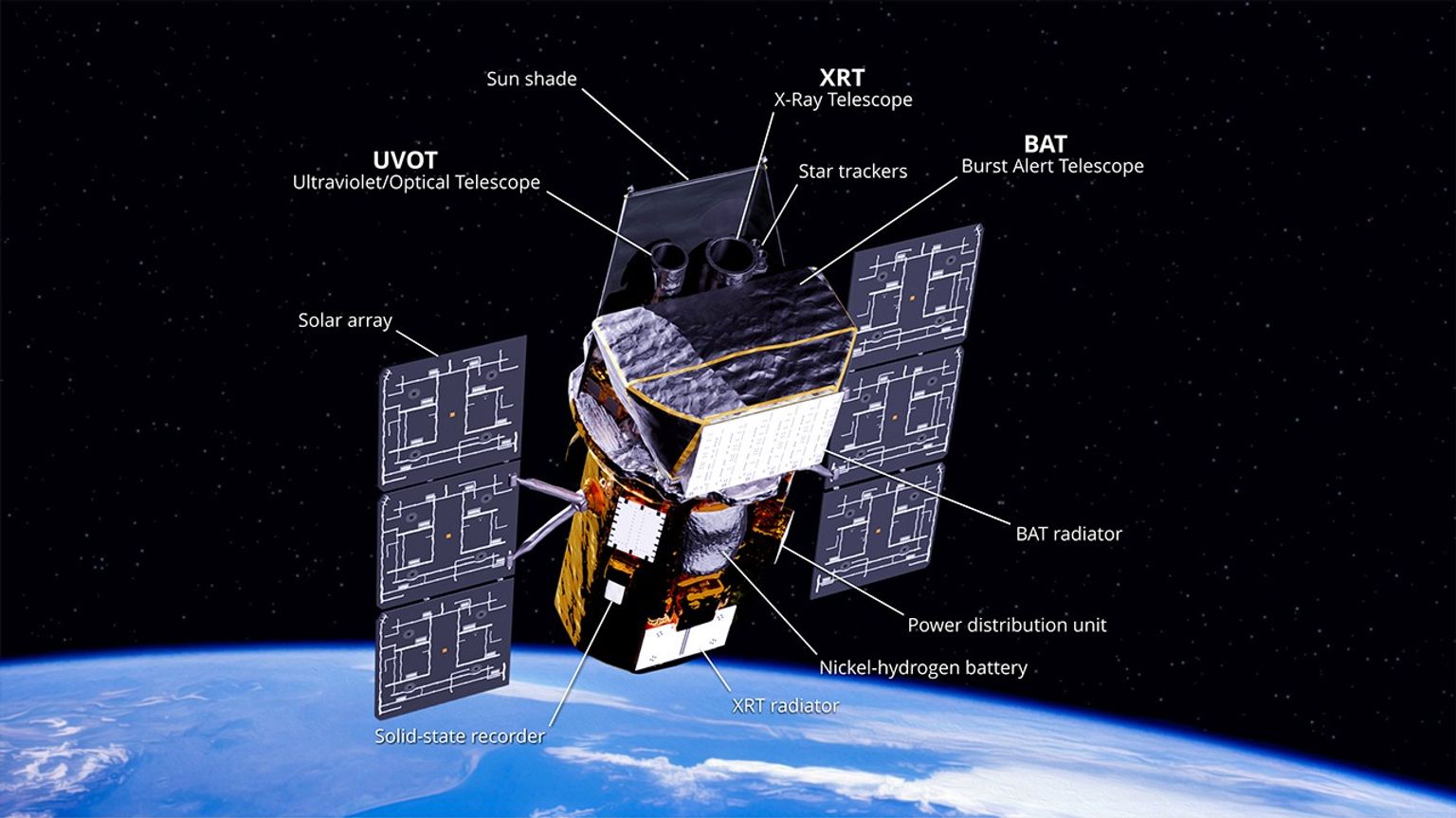
Designed for a two-year mission to catch gamma-ray bursts in the act, Swift is now 21 years old, slowly falling out of the sky, and the subject of an unprecedented private rescue mission. Nobody planned for it to be this hard to let go.

X Report 16 Jul 2025

X Report 16 Jul 2025

SpaceX successfully launched another batch of Starlink satellites while marking a significant milestone with the 500th Falcon 9 mission. Additionally, the company is preparing for further testing of its Starship system and has begun collaborating with Amazon on their Project Kuiper constellation.

The Day We Banned the Word "Film"

The Day We Banned the Word "Film"

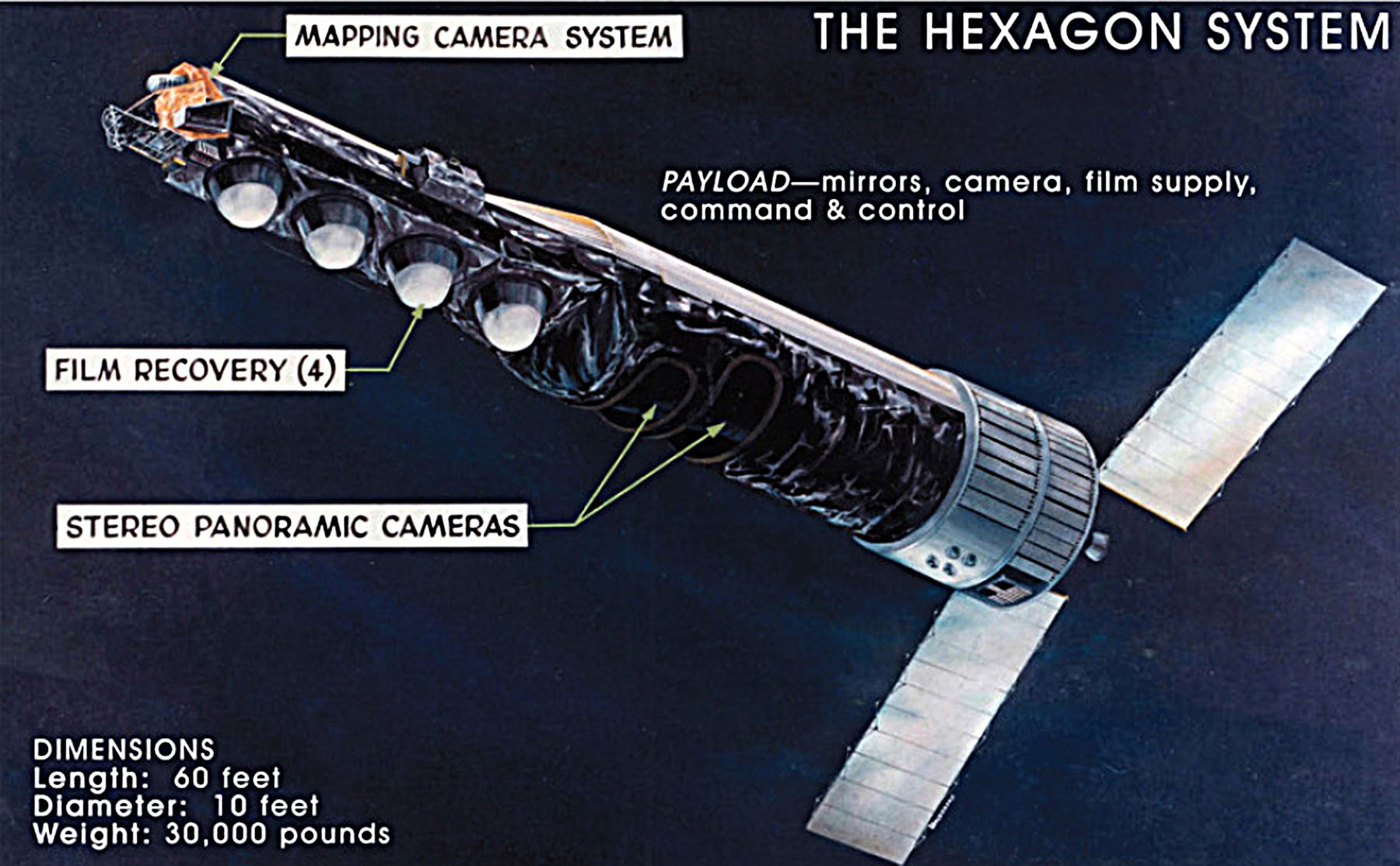
On January 20, 1972, the second KH-9 HEXAGON lifted off from Vandenberg - carrying the most sophisticated reconnaissance system ever built by engineers who weren't allowed to say 'film,' 'camera,' or even talk to each other about what they were doing.

X Report 8 Nov 2024

X Report 8 Nov 2024

SpaceX makes strides with Starship testing while Starlink faces mounting competition as Viasat eyes Telesat's LEO capacity.

B1067 Flies Record 36th Mission on Starlink 10-42 | KeepTrack X Report

B1067 Flies Record 36th Mission on Starlink 10-42 | KeepTrack X Report

Booster B1067 sets a new Falcon 9 reuse record on its 36th flight, lifting Starlink 10-42 from Cape Canaveral at 5:25 a.m. EDT.

Falcon 9 Booster Flies 35th Mission, Deploys 29 Starlinks | KeepTrack X Report

Falcon 9 Booster Flies 35th Mission, Deploys 29 Starlinks | KeepTrack X Report

SpaceX flew a Falcon 9 booster for a record 35th time on July 10, deploying 29 Starlink satellites as direct-to-cell tech expands to pet collars.

Space Brief 20 Aug 2024

Space Brief 20 Aug 2024

Polaris Dawn's upcoming commercial spacewalk, successful lunar orbit by Chinese spacecraft, and more space news including SpaceX's Starlink mission, RFA's static-fire failure, and advances in satellite technology.