


Space Brief 21 Mar 2025
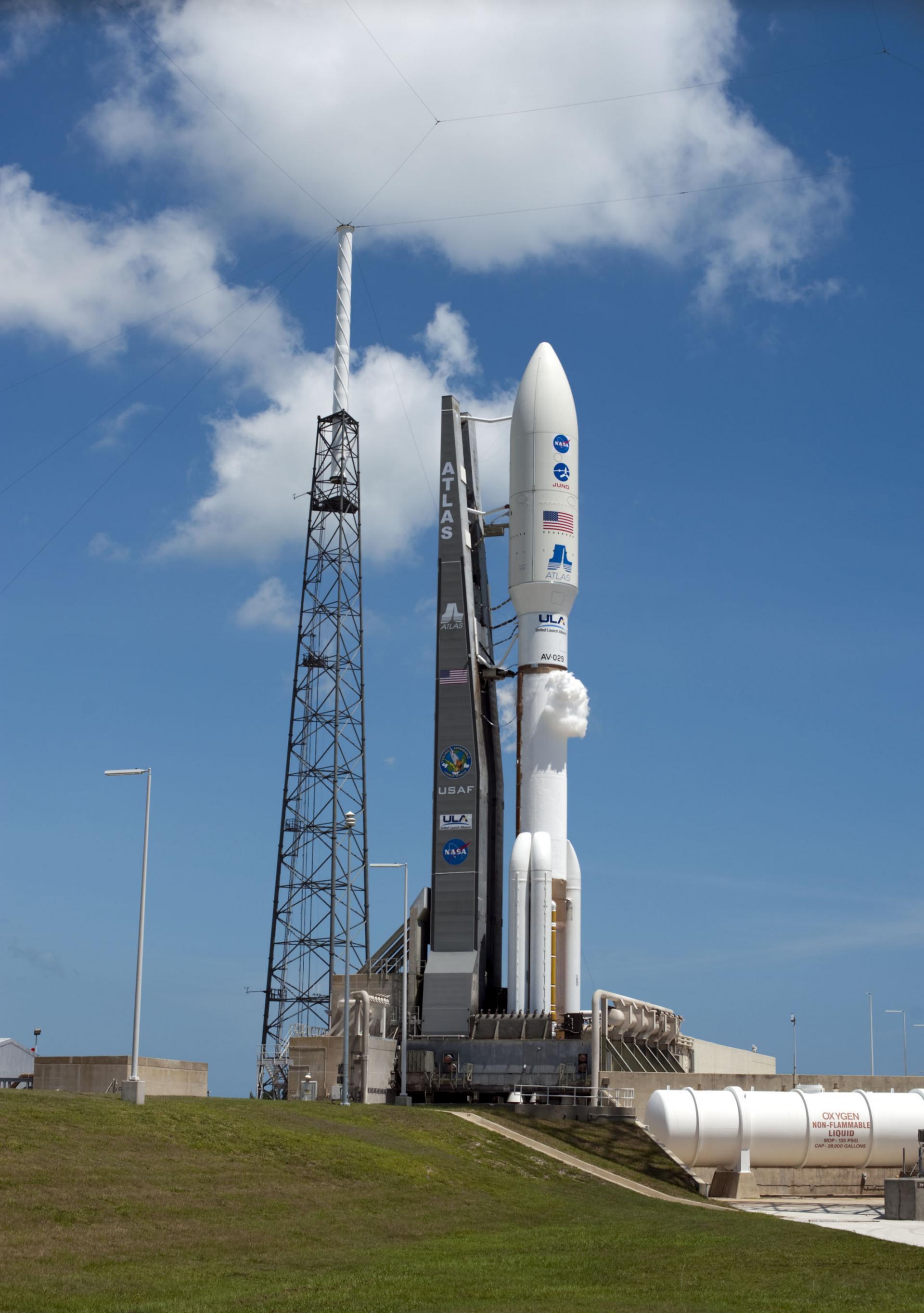
Today's highlights include SpaceX's new rocket-reuse record with a spy satellite launch, Space Force's funding strategies, and a European defense summit addressing security concerns.



Launch Date
May 9, 2021
Launch Site
Launch Pad
LC40
Launch Vehicle
NORAD ID
48453
International Designator
2021-040AB
Epoch
Sat, 04 Jul 2026 04:27:52 GMT
Apogee
Calculating...
Perigee
Calculating...
Inclination
53.16°
Right Ascension
356.09°
Eccentricity
Calculating...
Argument of Perigee
104.69°
Period
94.01 min
Mean Motion
15.32 rev/day
Latitude
Calculating...
Longitude
Calculating...
Altitude
Calculating...
Velocity
Calculating...
Name
STARLINK-2620
Alternative Name
Starlink 2620
Type
Status
Owner
SPXS
Country
United States
Constellation
N/A
Related Satellites
Major Events
N/A
1 48453U 21040AB 26185.18602522 -.00000393 00000-0 -89902-6 0 9990
2 48453 53.1599 356.0878 0000727 104.6891 255.4191 15.31700295284532
Source: Celestrak
Length
0.2
Diameter
2.8
Span
9
Dry Mass
248
Launch Mass
260
Shape
Box + pan
Radar Cross Section
Unknown
Visual Magnitude
Unknown
Color
Unknown
Material Composition
Unknown
Payload
Starlink V1.0-L27-26
Purpose
Communication
Mission
Communication
Manufacturer
SPXS
Life Expectancy
Unknown
Bus
Starlink
Configuration
Unknown
Motor
Krypton ion thrusters
Equipment
Ku/Ka-band payload (all), optical inter-satellite links (a few prototypes)
Power System
Solar arrays, batteries
ADCS
Unknown
Transmitter Frequency
Unknown
Learn more about satellites and other related topics.
Today's highlights include SpaceX's new rocket-reuse record with a spy satellite launch, Space Force's funding strategies, and a European defense summit addressing security concerns.
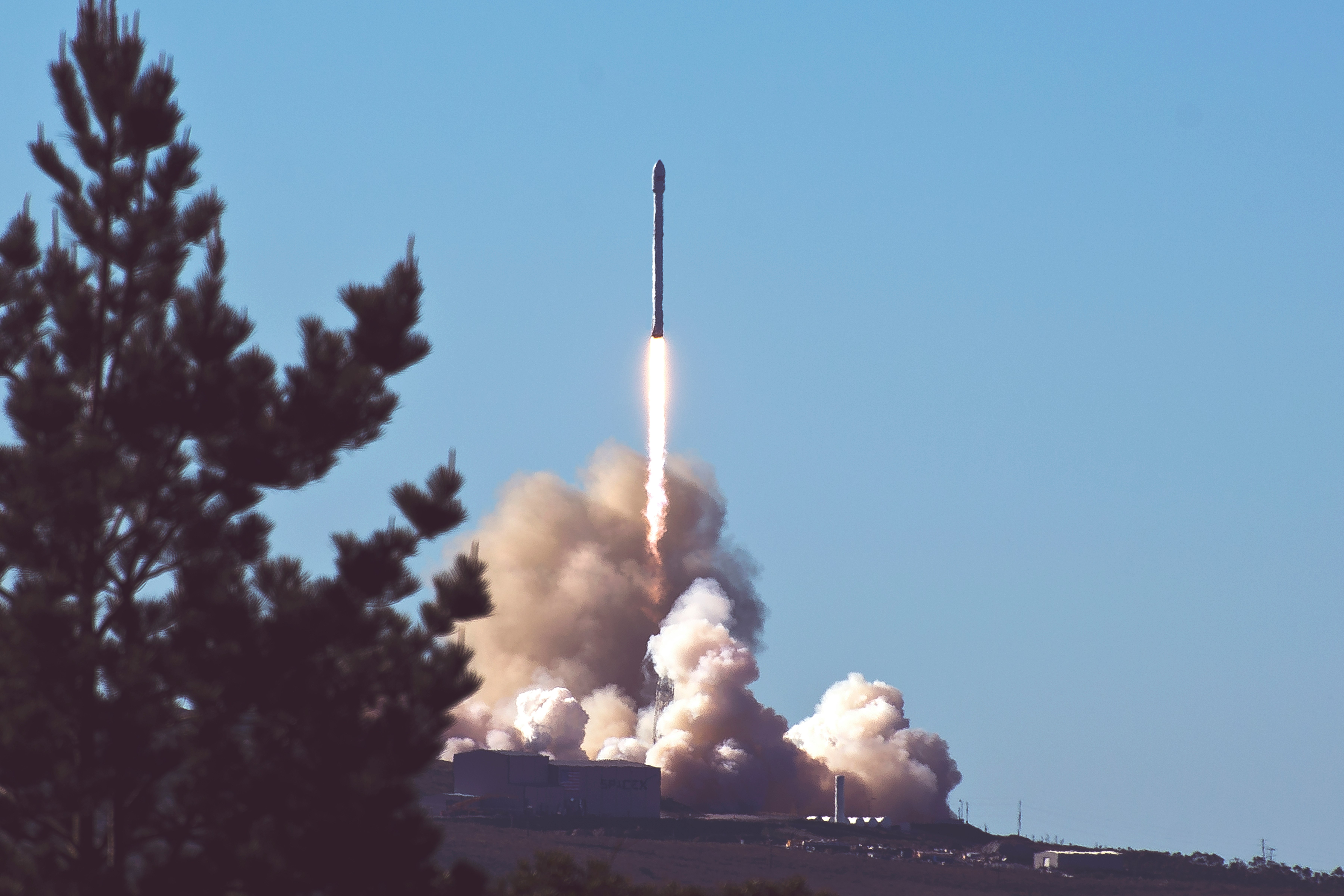
SpaceX successfully launched 28 Starlink satellites and settled a lawsuit, while Starlink's performance faces scrutiny in Ukraine. Additionally, MTN is enhancing Starlink's business services.
Discover the latest in space news with the ULA's recent launch for the US Space Force, significant developments in radar tracking at high altitudes, and impactful policy changes involving military space missions.

SpaceX's Falcon Heavy flew for the first time in 18 months on April 29, while Starlink hit 51 Falcon 9 launches in 2026 with 10,280 satellites working.
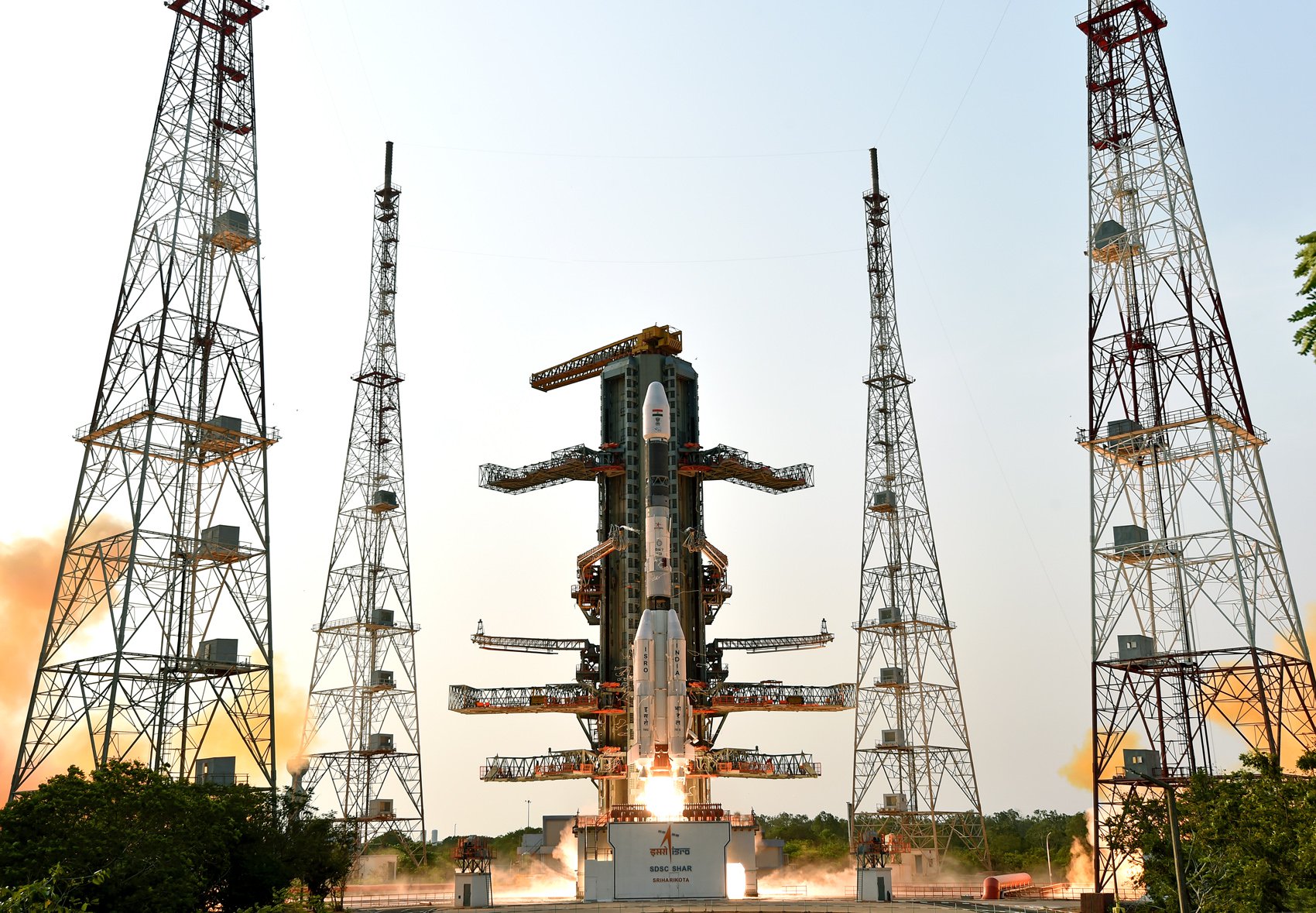
Today's brief covers new military space funding, intriguing scientific discoveries, and defense contracts impacting global military strategies.

Today's Space Brief covers Blue Origin's historic all-female spaceflight, the selection of companies for nuclear microreactor development by DIU, and NATO's adoption of AI technology for military planning.
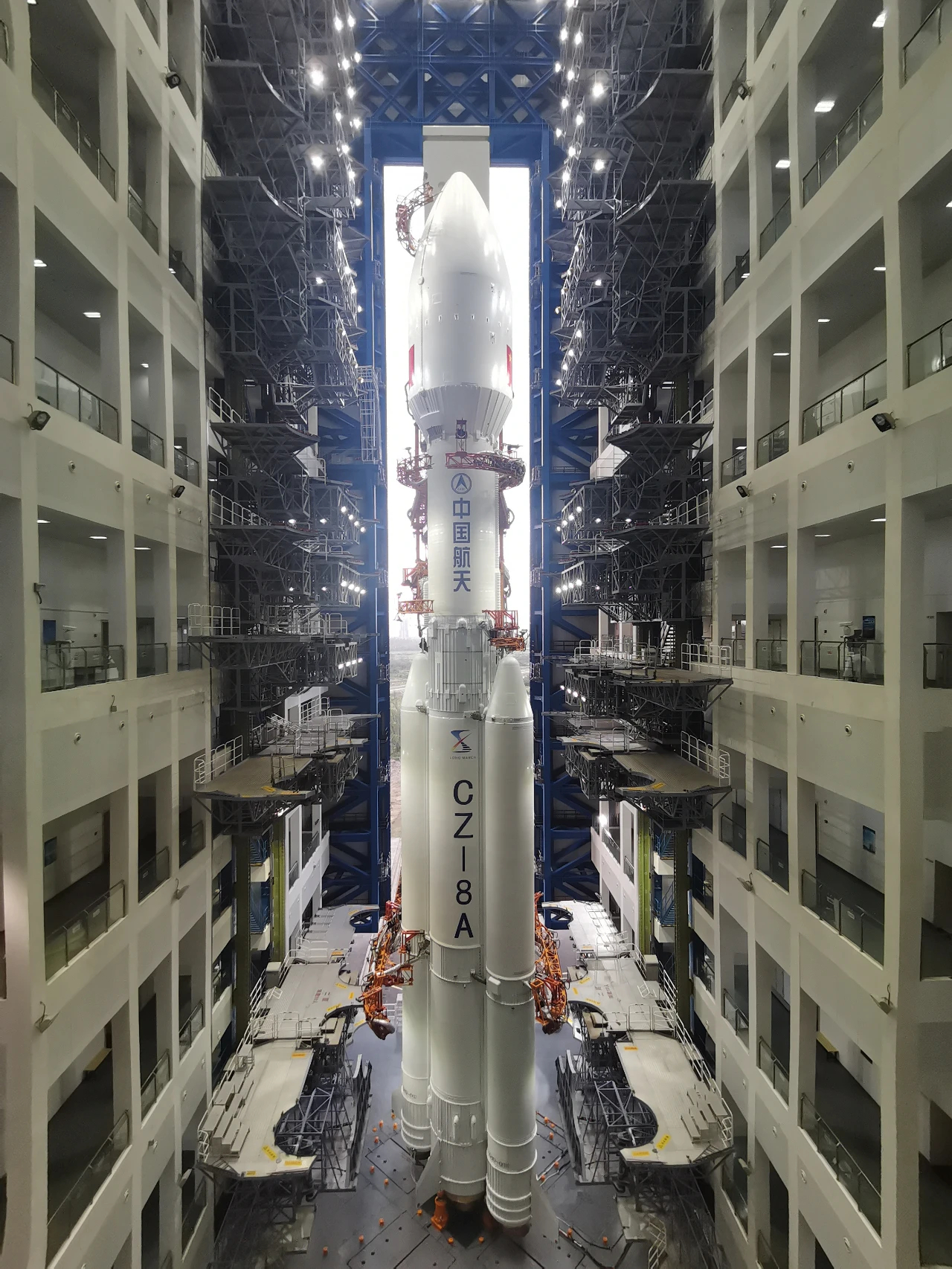
Today's briefing covers Rocket Lab's strategic acquisition, Space Dynamics Lab's new collaboration with the Space Force, and shifts within the Pentagon's AI division.

SpaceX's Falcon 9 launches SpainSat NG-1 satellite as Starlink compatibility causes market ripples.