


X Report 24 Feb 2025
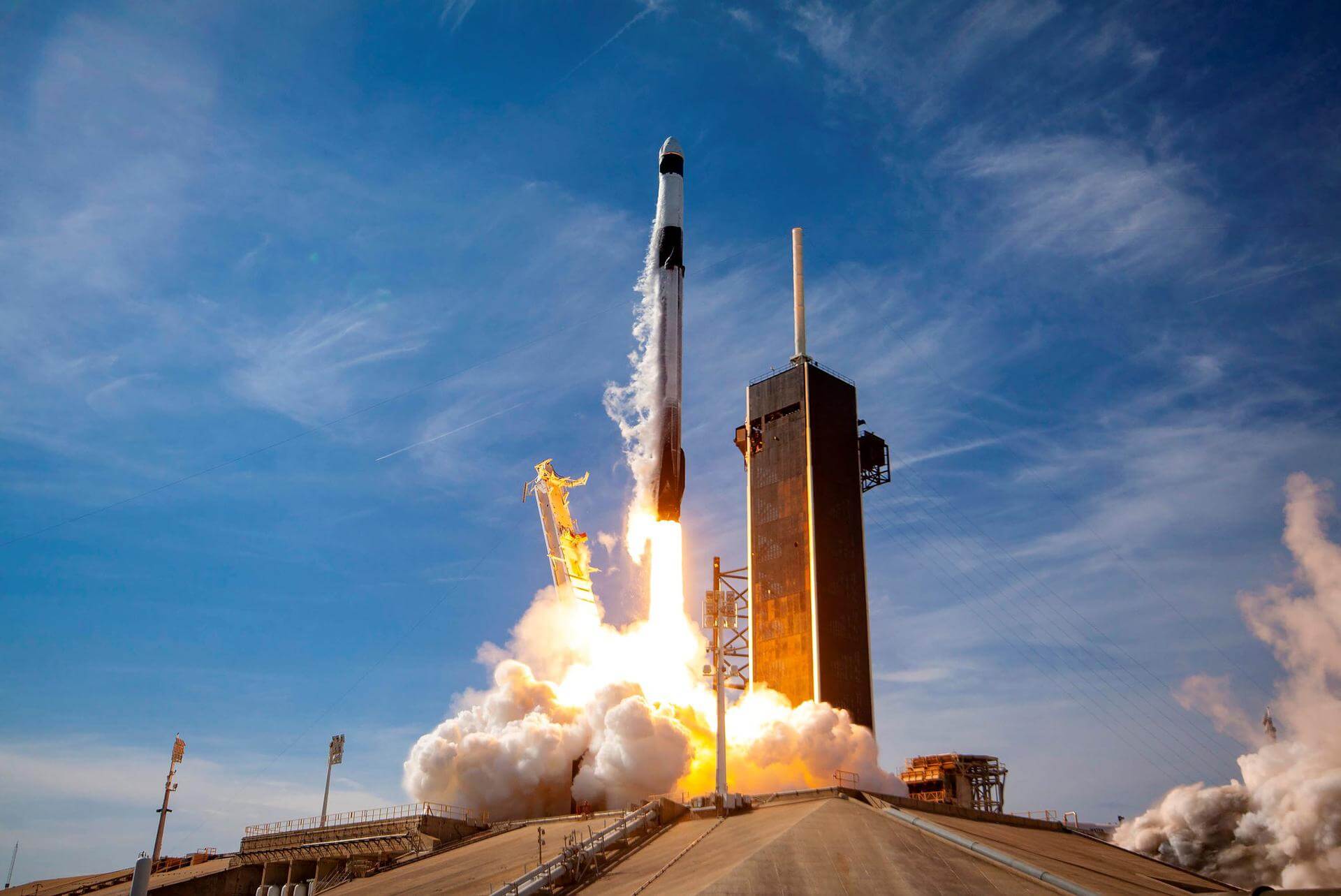
SpaceX faces challenges with a Falcon 9 reentry issue, while continuing to expand its Starlink constellation with new launches.



Launch Date
May 4, 2021
Launch Site
Launch Pad
LC39A
Launch Vehicle
NORAD ID
48367
International Designator
2021-038Q
Epoch
Sat, 04 Jul 2026 05:47:23 GMT
Apogee
Calculating...
Perigee
Calculating...
Inclination
53.16°
Right Ascension
163.13°
Eccentricity
Calculating...
Argument of Perigee
89.40°
Period
94.01 min
Mean Motion
15.32 rev/day
Latitude
Calculating...
Longitude
Calculating...
Altitude
Calculating...
Velocity
Calculating...
Name
STARLINK-2643
Alternative Name
Starlink 2643
Type
Status
Owner
SPXS
Country
United States
Constellation
N/A
Related Satellites
Major Events
N/A
1 48367U 21038Q 26185.24124599 .00001512 00000-0 60496-4 0 9998
2 48367 53.1594 163.1266 0001343 89.3991 270.7165 15.31697838285118
Source: Celestrak
Length
0.2
Diameter
2.8
Span
9
Dry Mass
248
Launch Mass
260
Shape
Box + pan
Radar Cross Section
Unknown
Visual Magnitude
Unknown
Color
Unknown
Material Composition
Unknown
Payload
Starlink V1.0-L25-15
Purpose
Communication
Mission
Communication
Manufacturer
SPXS
Life Expectancy
Unknown
Bus
Starlink
Configuration
Unknown
Motor
Krypton ion thrusters
Equipment
Ku/Ka-band payload (all), optical inter-satellite links (a few prototypes)
Power System
Solar arrays, batteries
ADCS
Unknown
Transmitter Frequency
Unknown
Learn more about satellites and other related topics.
SpaceX faces challenges with a Falcon 9 reentry issue, while continuing to expand its Starlink constellation with new launches.
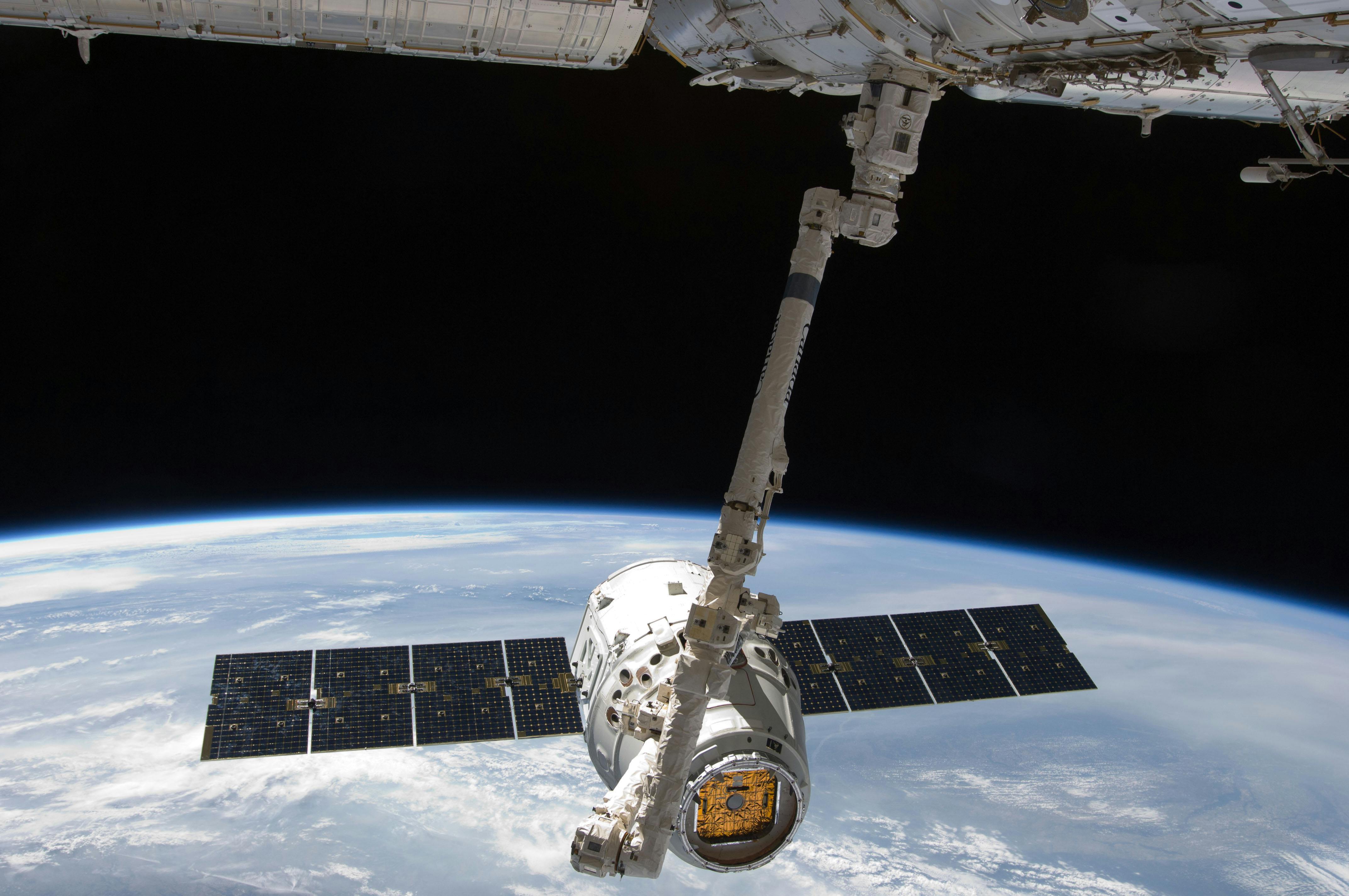
SpaceX achieves significant milestones with the launch of new Starlink satellites and the production of its 10 millionth Starlink kit amidst ongoing challenges with space station delays.
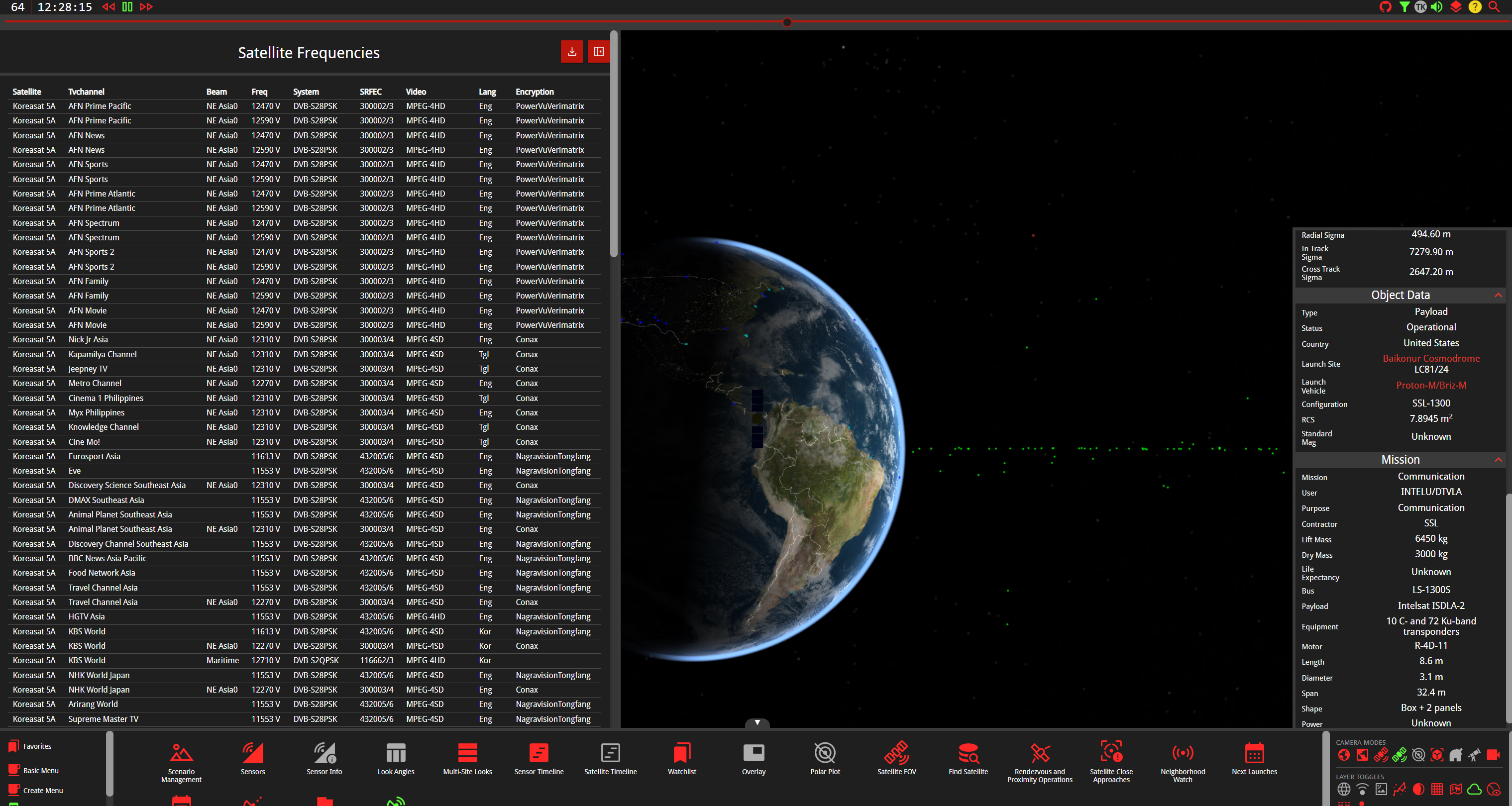
The workhorse frequency band that quietly powers satellite communications, weather radar, and Wi-Fi around the world

Today's brief covers a diverse range of topics, including reentry mission approvals, leadership changes in the Space Development Agency, and innovative military satellite communications.
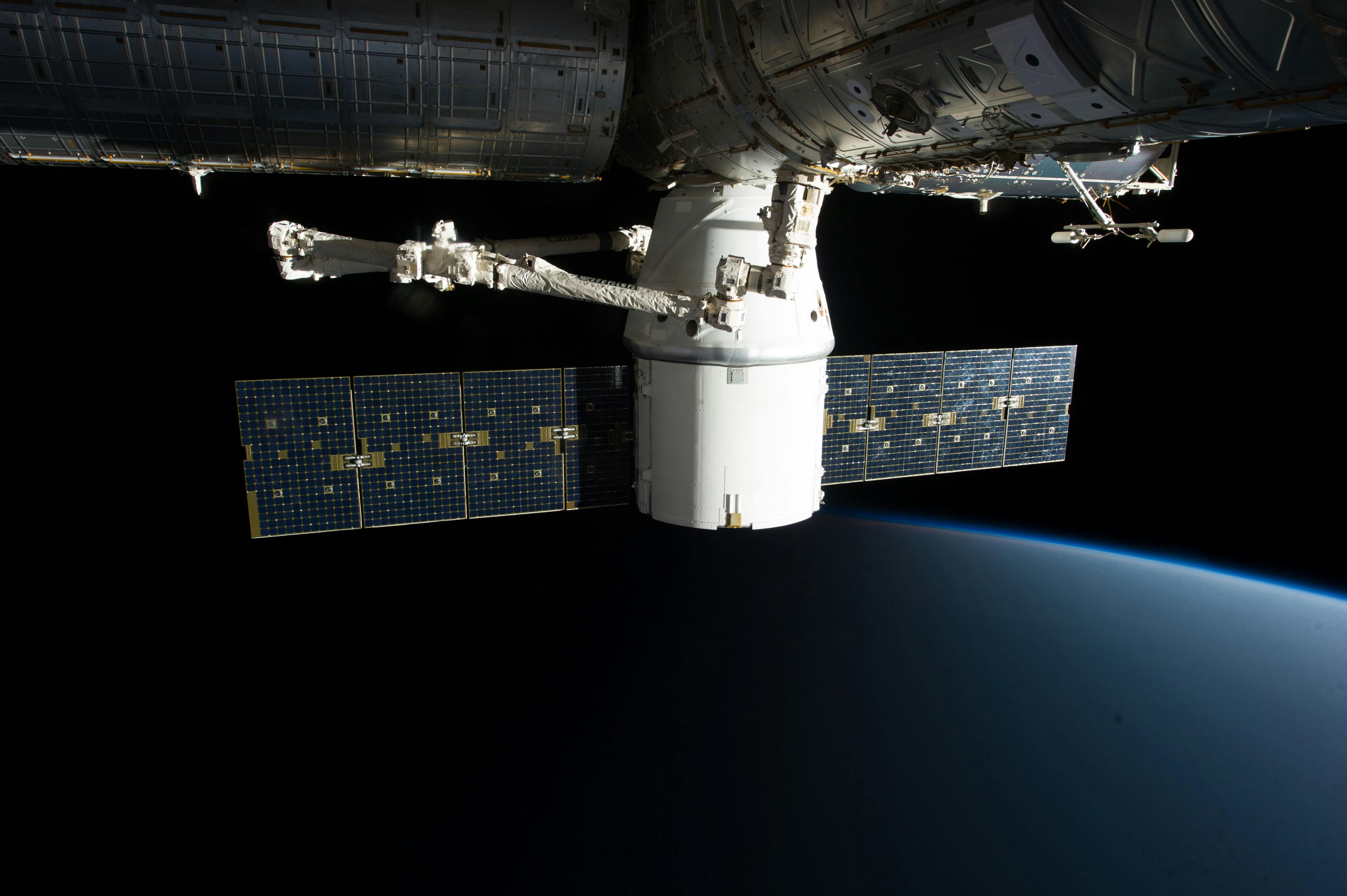
SpaceX successfully launched 26 Starlink satellites from California, preparing for upcoming crewed missions to the ISS.

Today's brief covers ULA's new mission for the US Space Force, China's moon rocket test, delays in the DARC radar system, and SpaceX's Starlink launches.
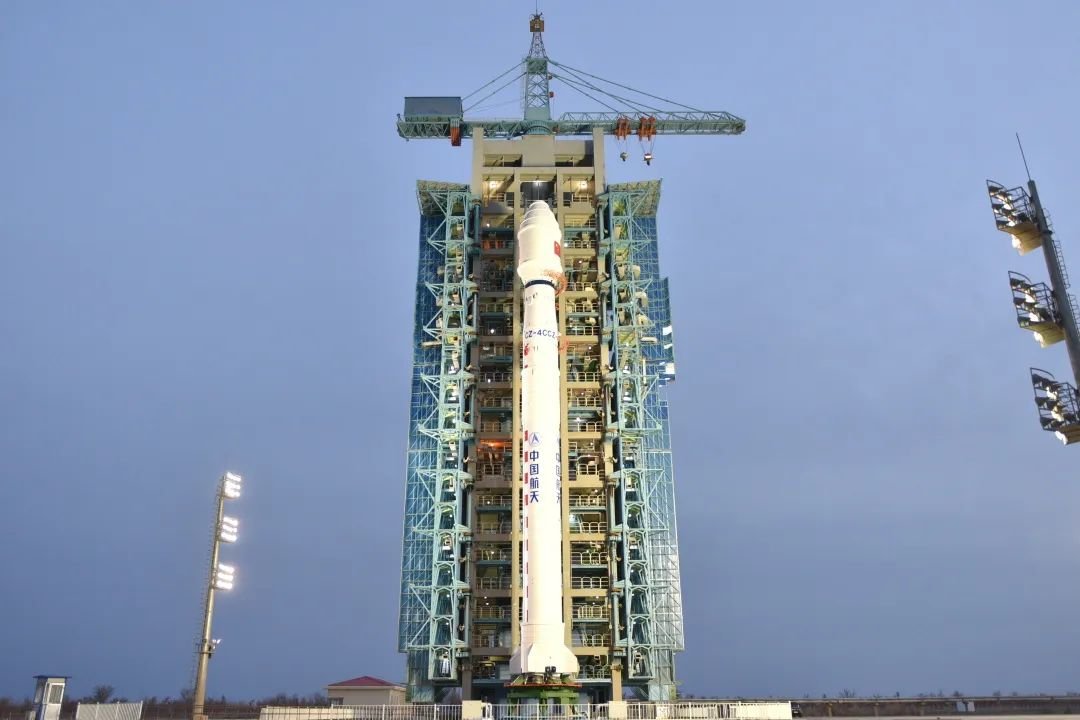
Today's Space Brief covers the inaugural national security mission of ULA's Vulcan Centaur, the Space Force's 2026 budget insights, and shifts in military drone technology.
CBO estimates Golden Dome national missile shield at $1.2 trillion over 20 years. Space-based intercept layer could add thousands of satellites to tracked orbital regimes.