


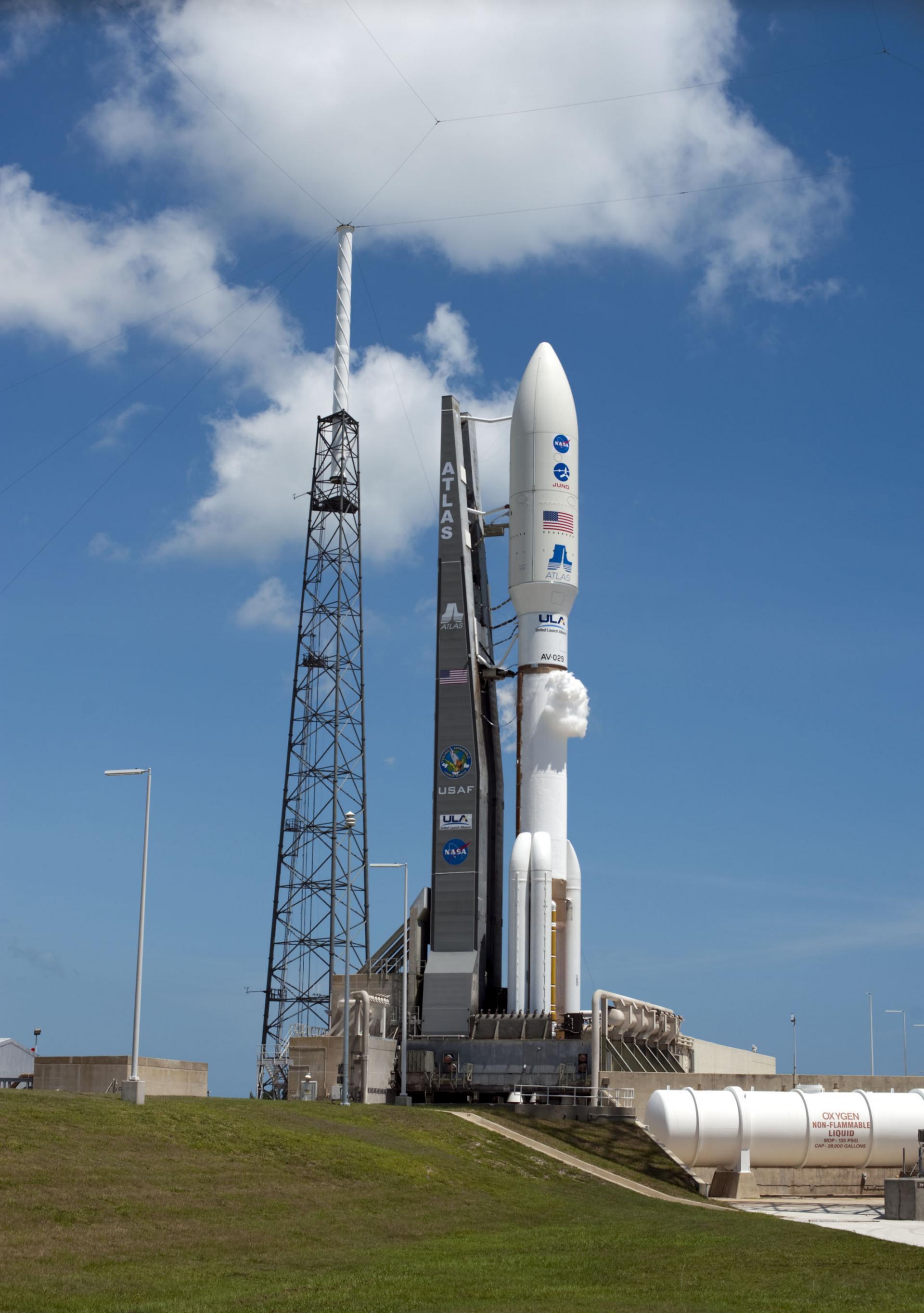
Space Brief 19 Apr 2025
Today's brief covers SpaceX's potential government contract, the future of US Space Command headquarters, an auction record for Neil Armstrong's watch, and the volcanic history of Mars.



Launch Date
April 29, 2021
Launch Site
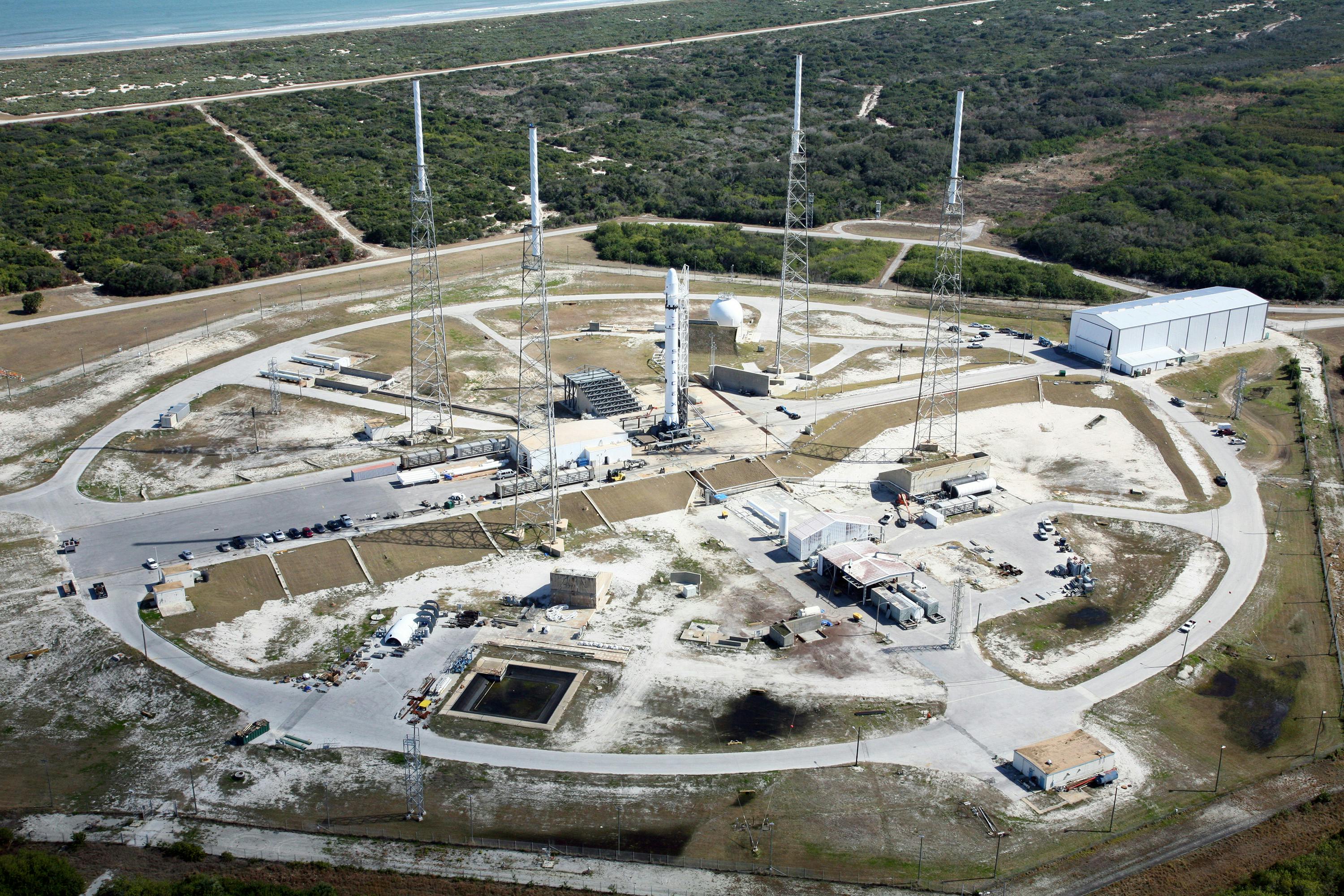
Launch Pad
LC40
Launch Vehicle
NORAD ID
48317
International Designator
2021-036AT
Epoch
Fri, 03 Jul 2026 23:00:42 GMT
Apogee
Calculating...
Perigee
Calculating...
Inclination
53.16°
Right Ascension
267.22°
Eccentricity
Calculating...
Argument of Perigee
98.69°
Period
94.01 min
Mean Motion
15.32 rev/day
Latitude
Calculating...
Longitude
Calculating...
Altitude
Calculating...
Velocity
Calculating...
Name
STARLINK-2513
Alternative Name
Starlink 2513
Type
Status
Owner
SPXS
Country
United States
Constellation
N/A
Related Satellites
Major Events
N/A
1 48317U 21036AT 26184.95882180 .00000632 00000-0 32135-4 0 9996
2 48317 53.1580 267.2247 0001204 98.6865 261.4273 15.31704807286036
Source: Celestrak
Length
0.2
Diameter
2.8
Span
9
Dry Mass
248
Launch Mass
260
Shape
Box + pan
Radar Cross Section
Unknown
Visual Magnitude
Unknown
Color
Unknown
Material Composition
Unknown
Payload
Starlink V1.0-L24-43
Purpose
Communication
Mission
Communication
Manufacturer
SPXS
Life Expectancy
Unknown
Bus
Starlink
Configuration
Unknown
Motor
Krypton ion thrusters
Equipment
Ku/Ka-band payload (all), optical inter-satellite links (a few prototypes)
Power System
Solar arrays, batteries
ADCS
Unknown
Transmitter Frequency
Unknown
Learn more about satellites and other related topics.
Today's brief covers SpaceX's potential government contract, the future of US Space Command headquarters, an auction record for Neil Armstrong's watch, and the volcanic history of Mars.

SpaceX scrubs a launch due to ground system issues while continuing its ambitious deployment of Starlink satellites.

The White House wants to cut NASA's science budget nearly in half for the second year running. Administrator Jared Isaacman says it's enough. Congress already rejected this exact idea once.
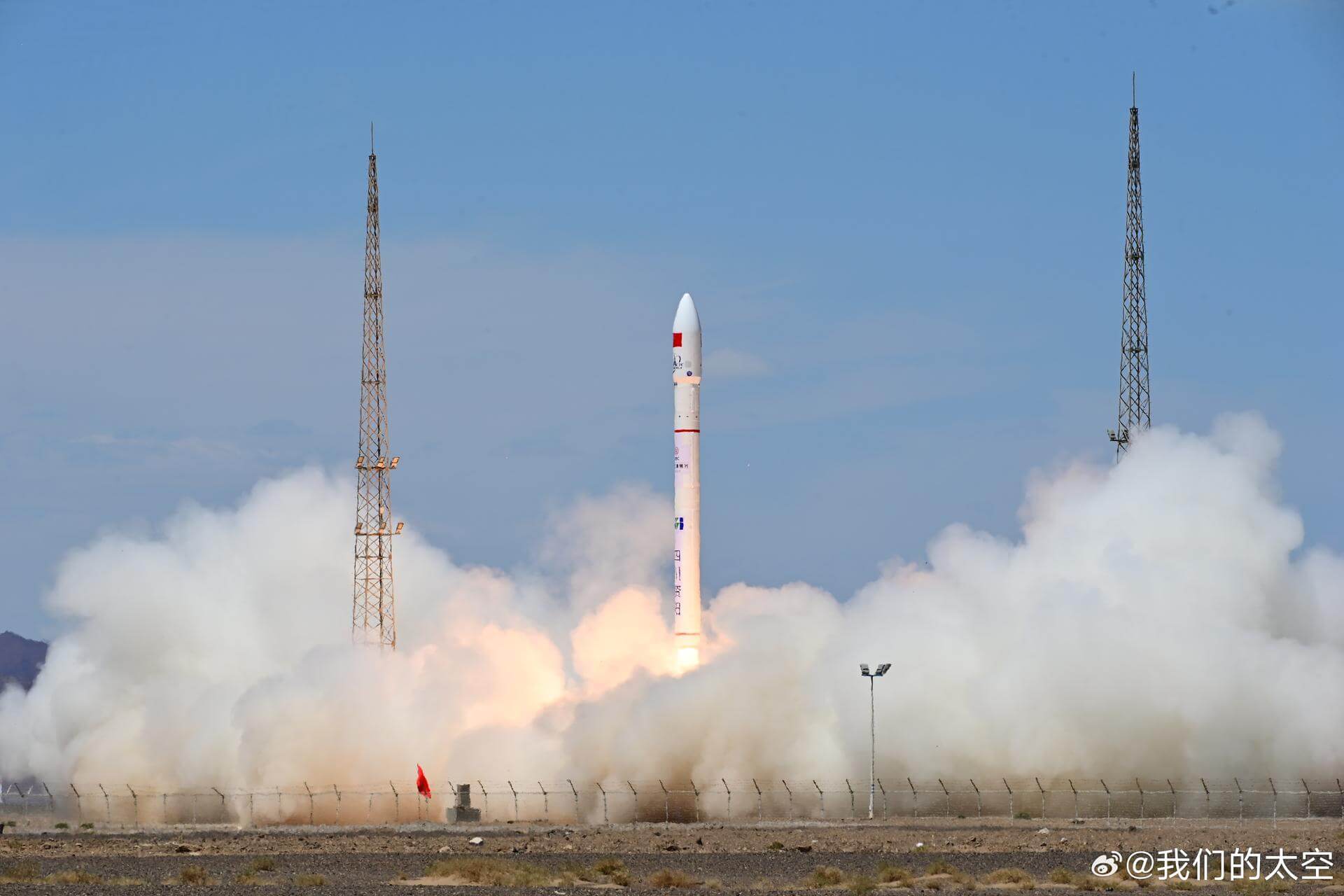
Today's briefing covers Blue Origin's New Glenn nearing its first launch, SpaceX's 400th Falcon 9 mission with Starlink satellites, advancements in space-based weather prediction, and more.
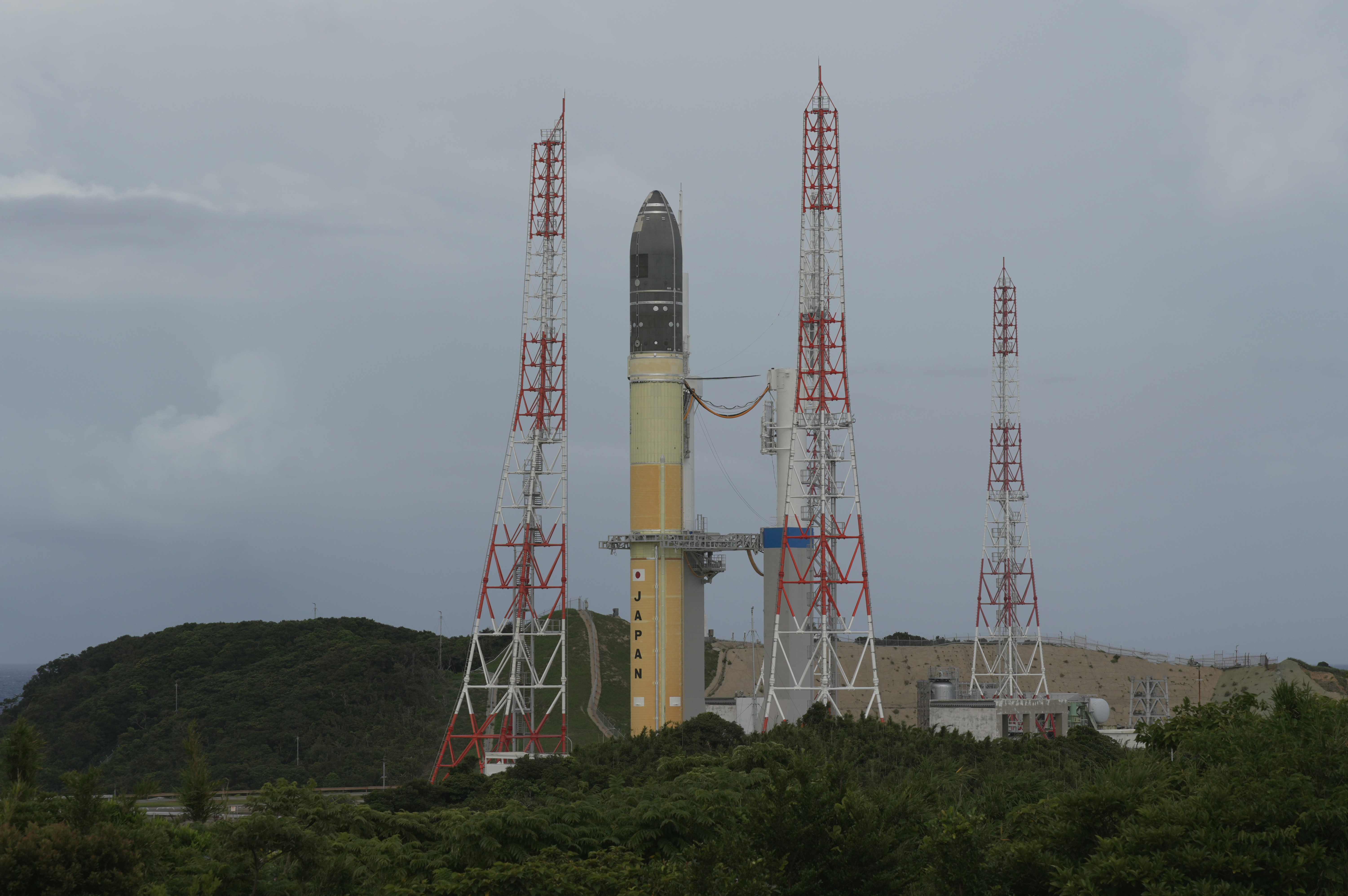
NASA demands Blue Origin find alternate launcher for Artemis moon landers after New Glenn test explosion damaged Cape Canaveral LC-36. Schedule risk to lunar missions.
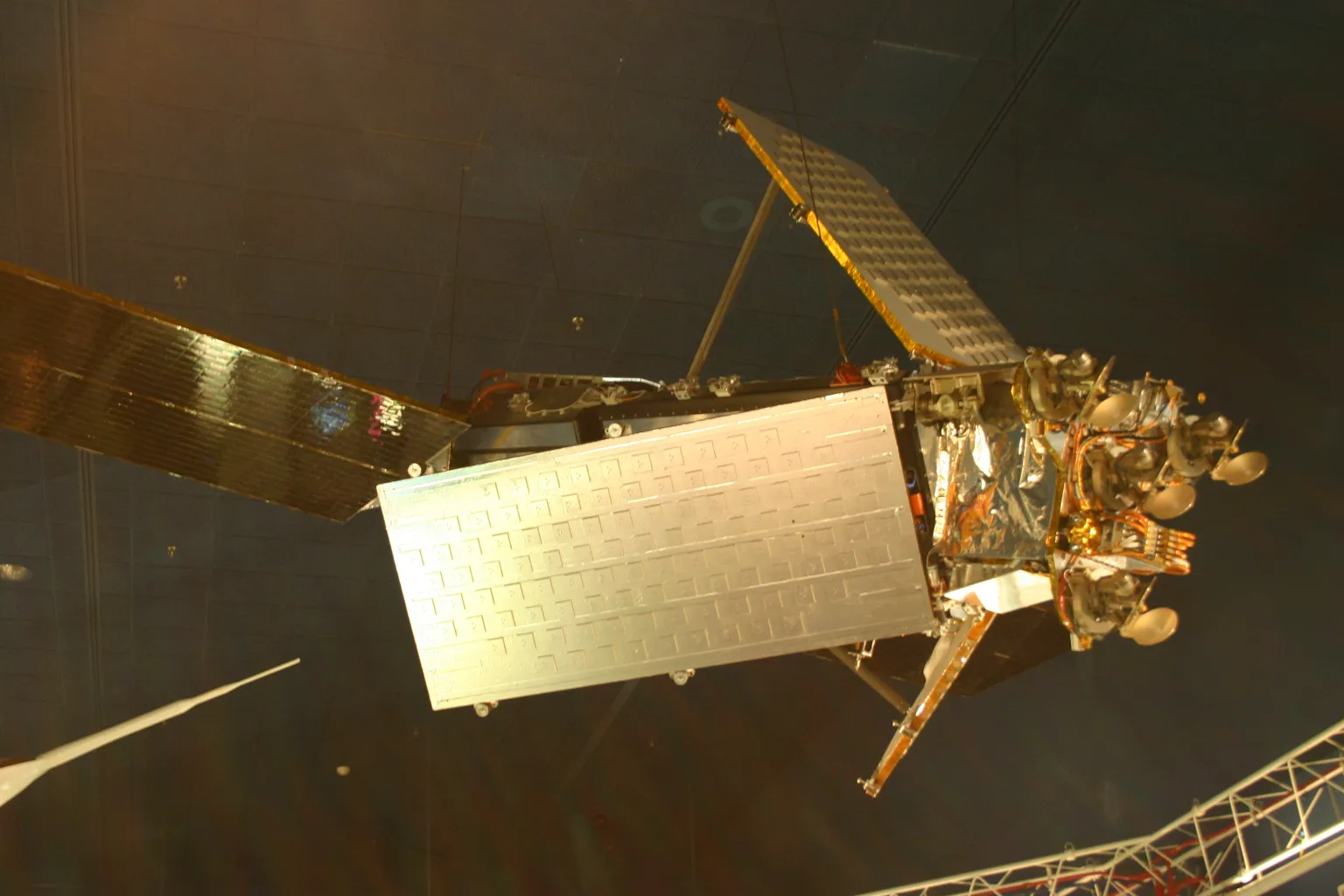
Seventeen years ago today, an operational American communications satellite and a dead Russian military relay crossed paths over Siberia. What happened next created more than 2,000 pieces of trackable debris - and fundamentally changed how the world thinks about space traffic.

SpaceX awarded $739M for nine national security missions. FCC approves 7,500 additional Starlink satellites. NASA announces early Crew-11 return from ISS due to medical issue.
SpaceX's reported IPO structure grants Elon Musk unchecked control and forces 220,000-GPU Colossus AI deal into the spotlight.