


Space Brief 18 Feb 2025
Today's briefs cover SpaceX landing a Falcon 9 in The Bahamas, first disabled astronaut prepped for a mission, and key company updates from Blue Origin and K2 Space.



Launch Date
April 29, 2021
Launch Site
Launch Pad
LC40
Launch Vehicle
NORAD ID
48314
International Designator
2021-036AQ
Epoch
Fri, 03 Jul 2026 15:38:16 GMT
Apogee
Calculating...
Perigee
Calculating...
Inclination
53.16°
Right Ascension
271.37°
Eccentricity
Calculating...
Argument of Perigee
94.31°
Period
94.01 min
Mean Motion
15.32 rev/day
Latitude
Calculating...
Longitude
Calculating...
Altitude
Calculating...
Velocity
Calculating...
Name
STARLINK-2549
Alternative Name
Starlink 2549
Type
Status
Owner
SPXS
Country
United States
Constellation
N/A
Related Satellites
Major Events
N/A
1 48314U 21036AQ 26184.65157665 .00000952 00000-0 42440-4 0 9998
2 48314 53.1590 271.3674 0001060 94.3071 265.8052 15.31700220285943
Source: Celestrak
Length
0.2
Diameter
2.8
Span
9
Dry Mass
248
Launch Mass
260
Shape
Box + pan
Radar Cross Section
Unknown
Visual Magnitude
Unknown
Color
Unknown
Material Composition
Unknown
Payload
Starlink V1.0-L24-40
Purpose
Communication
Mission
Communication
Manufacturer
SPXS
Life Expectancy
Unknown
Bus
Starlink
Configuration
Unknown
Motor
Krypton ion thrusters
Equipment
Ku/Ka-band payload (all), optical inter-satellite links (a few prototypes)
Power System
Solar arrays, batteries
ADCS
Unknown
Transmitter Frequency
Unknown
Learn more about satellites and other related topics.
Today's briefs cover SpaceX landing a Falcon 9 in The Bahamas, first disabled astronaut prepped for a mission, and key company updates from Blue Origin and K2 Space.
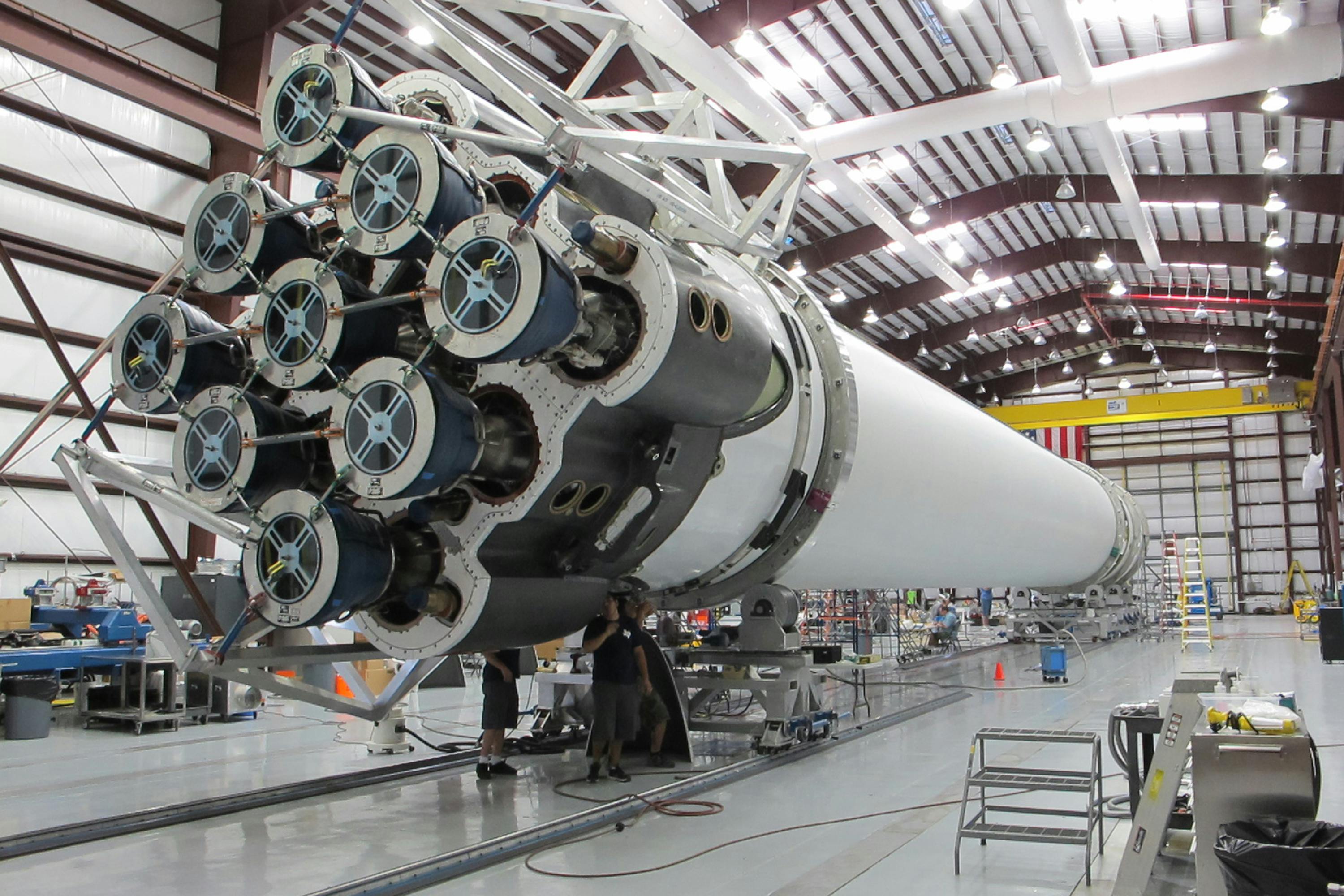
SpaceX makes strides with United States national security satellites, securing substantial spectrum for Starlink's direct-to-cell services, and preparing for future Starship developments.
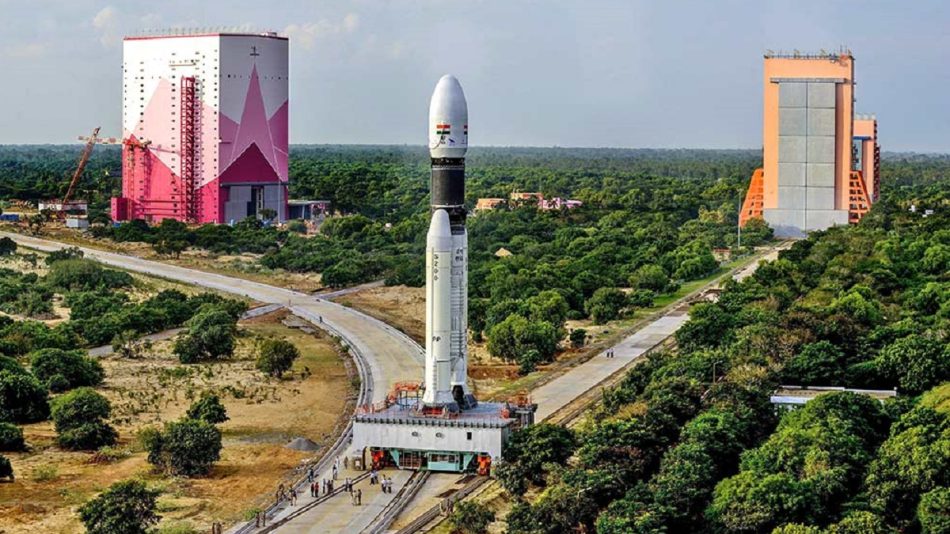
India's second spaceport solves a geometry problem. How ISRO is building a dedicated small satellite facility that eliminates the costly dogleg maneuvers plaguing polar launches from Sriharikota.
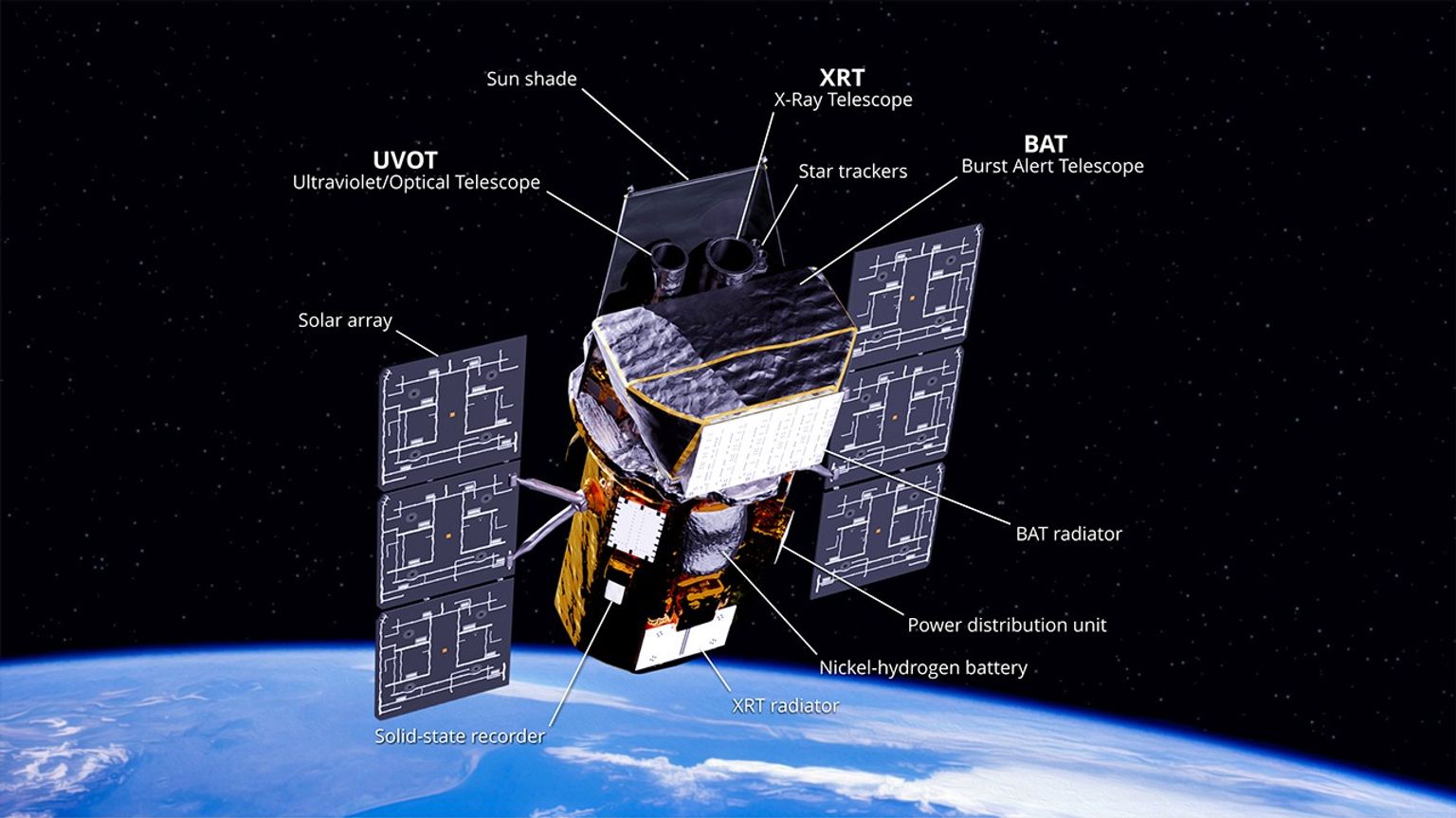
Designed for a two-year mission to catch gamma-ray bursts in the act, Swift is now 21 years old, slowly falling out of the sky, and the subject of an unprecedented private rescue mission. Nobody planned for it to be this hard to let go.
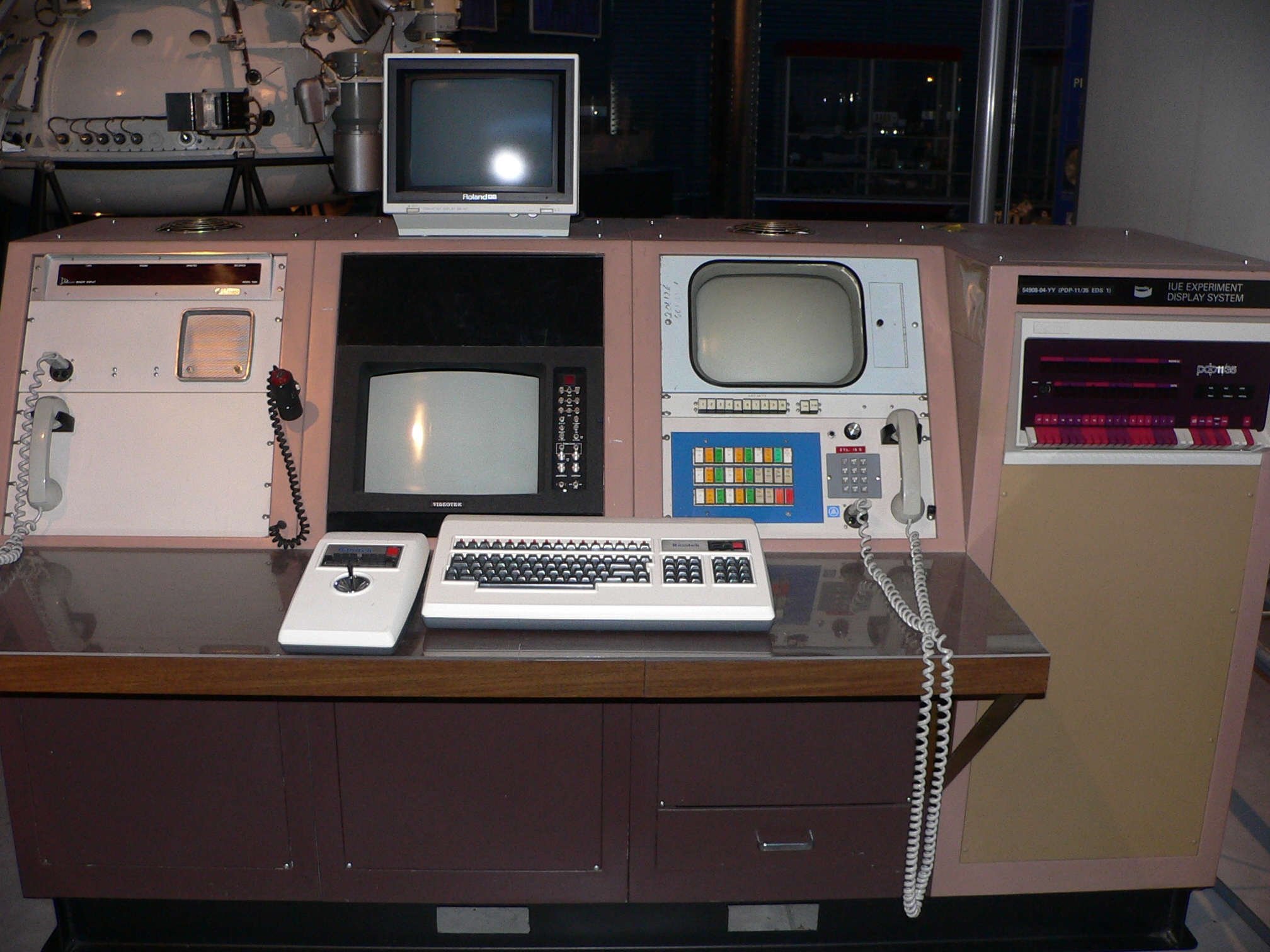
Forty-seven years ago, a revolutionary space telescope changed our view of the cosmos, pioneering international cooperation in space-based astronomy
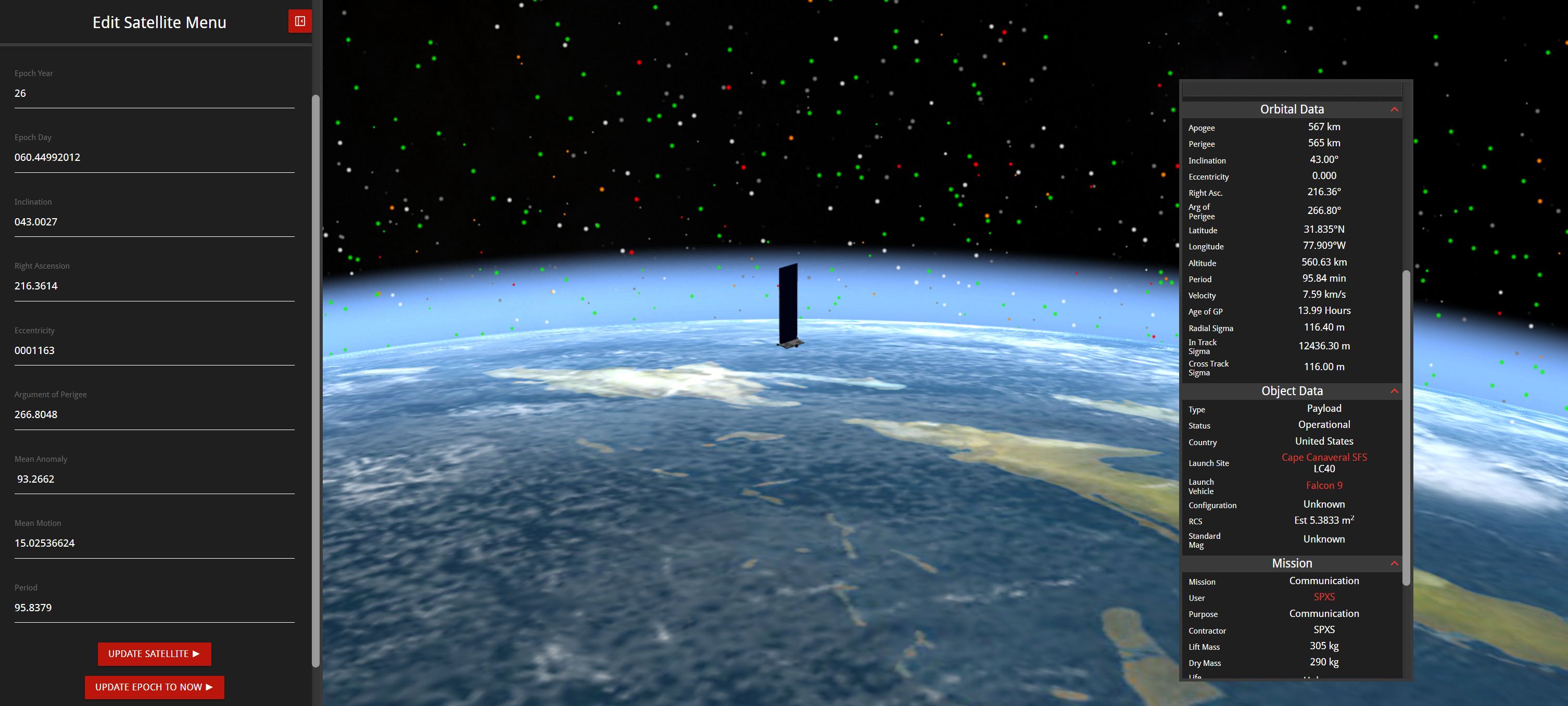
The compact data format that describes every tracked satellite orbit in just two lines of text, and how to read it

Today's brief covers the Army's move to create a space career field for enlisted soldiers, Terran Orbital's involvement in a Space Force tech program, advancements in missile warning systems, a first flight test by Inversion Space, and more.

Today's brief covers China's intense launch schedule, a new Arctic military constellation, Muon Space's defense innovations, and SpaceX's classified NROL-77 mission.