


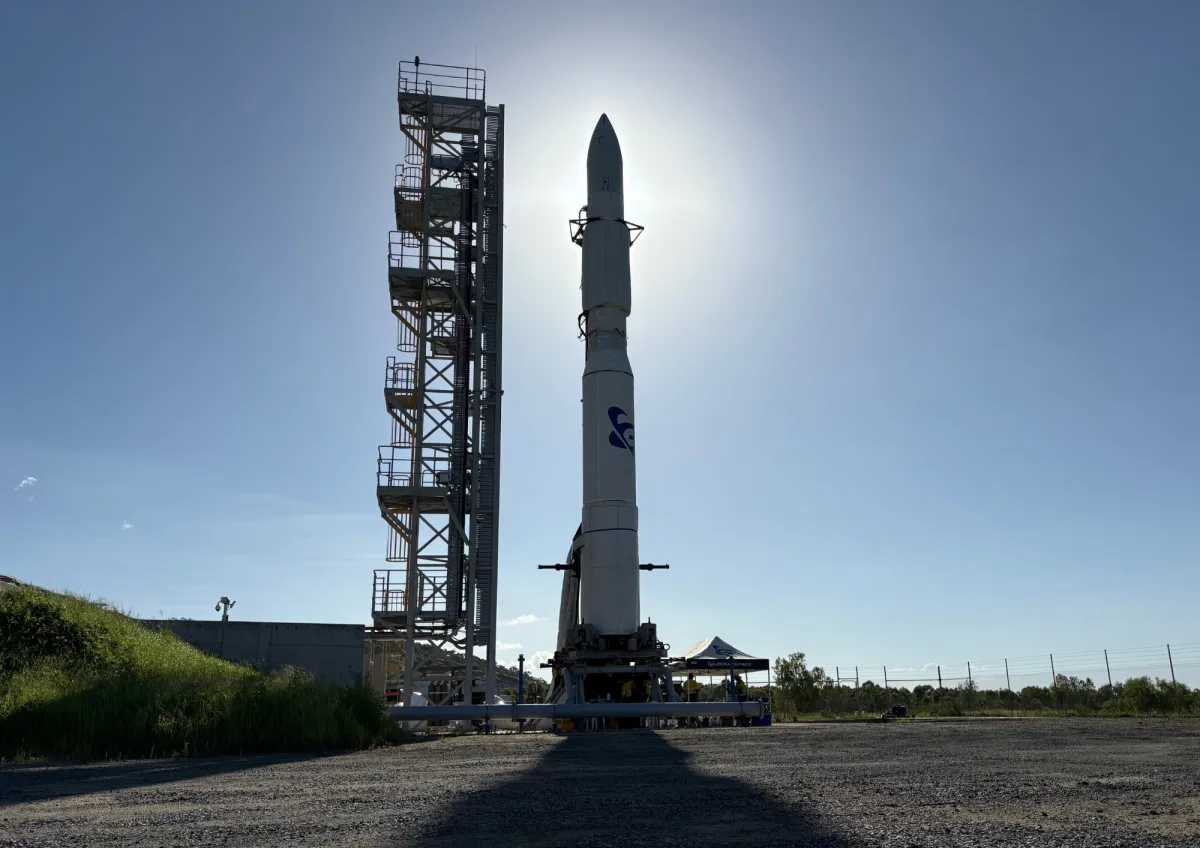
Space Brief 6 Mar 2025
Today's brief covers secret Space Force payloads monitoring China's satellites, collaborations reducing satellite tracking delays, and new AI projects for military operations.



Launch Date
April 29, 2021
Launch Site
Launch Pad
LC40
Launch Vehicle
NORAD ID
48280
International Designator
2021-036E
Epoch
Fri, 03 Jul 2026 13:08:19 GMT
Apogee
Calculating...
Perigee
Calculating...
Inclination
53.16°
Right Ascension
282.15°
Eccentricity
Calculating...
Argument of Perigee
75.02°
Period
94.01 min
Mean Motion
15.32 rev/day
Latitude
Calculating...
Longitude
Calculating...
Altitude
Calculating...
Velocity
Calculating...
Name
STARLINK-2565
Alternative Name
Starlink 2565
Type
Status
Owner
SPXS
Country
United States
Constellation
N/A
Related Satellites
Major Events
N/A
1 48280U 21036E 26184.54744235 -.00001784 00000-0 -45743-4 0 9998
2 48280 53.1600 282.1518 0001203 75.0191 285.0944 15.31697044285787
Source: Celestrak
Length
0.2
Diameter
2.8
Span
9
Dry Mass
248
Launch Mass
260
Shape
Box + pan
Radar Cross Section
Unknown
Visual Magnitude
Unknown
Color
Unknown
Material Composition
Unknown
Payload
Starlink V1.0-L24-06
Purpose
Communication
Mission
Communication
Manufacturer
SPXS
Life Expectancy
Unknown
Bus
Starlink
Configuration
Unknown
Motor
Krypton ion thrusters
Equipment
Ku/Ka-band payload (all), optical inter-satellite links (a few prototypes)
Power System
Solar arrays, batteries
ADCS
Unknown
Transmitter Frequency
Unknown
Learn more about satellites and other related topics.
Today's brief covers secret Space Force payloads monitoring China's satellites, collaborations reducing satellite tracking delays, and new AI projects for military operations.
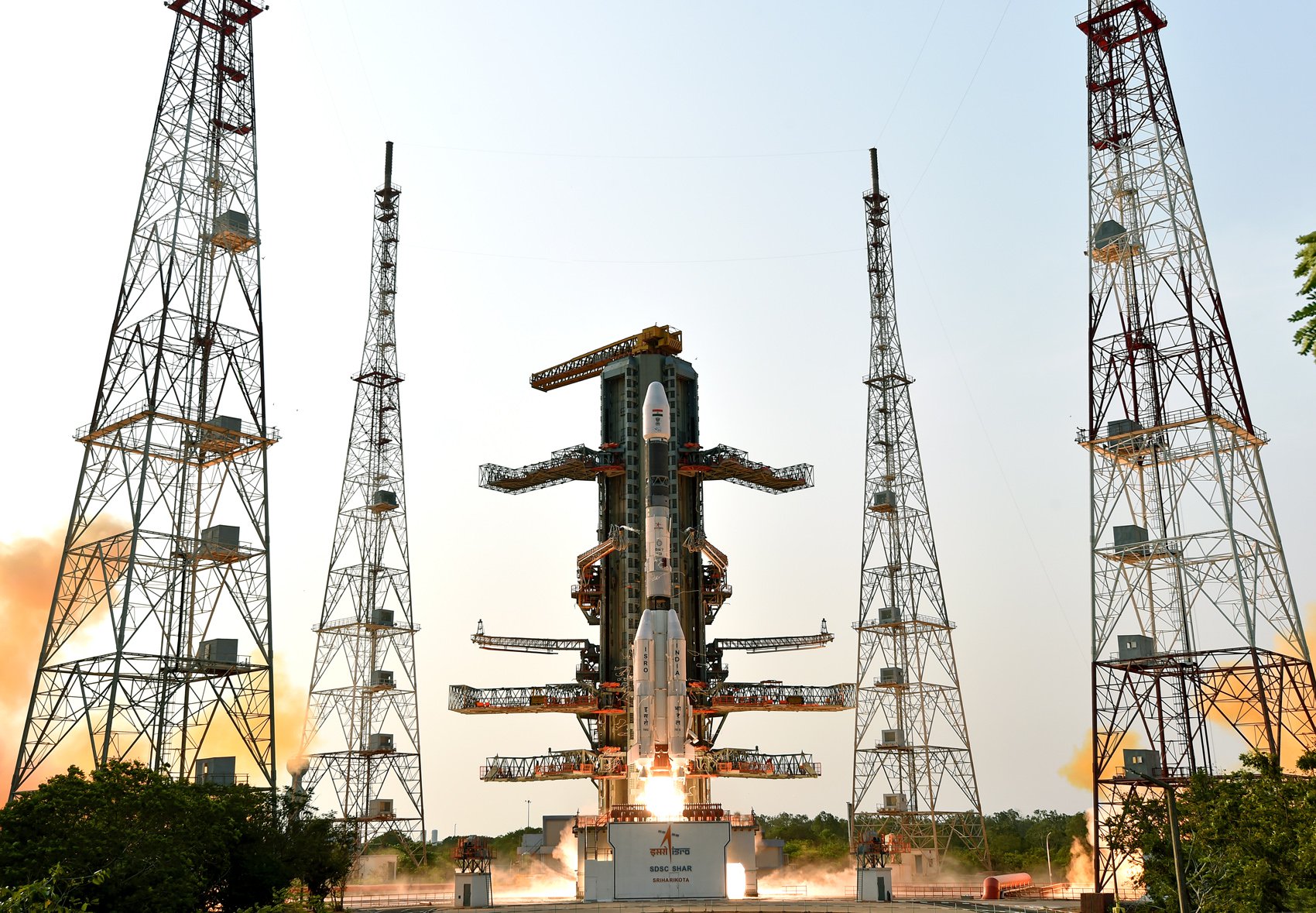
Key developments include China's Shijian 26 satellite launch, U.S. Space Force's BAE Systems contract for missile-tracking satellites, and military advancements in space systems.
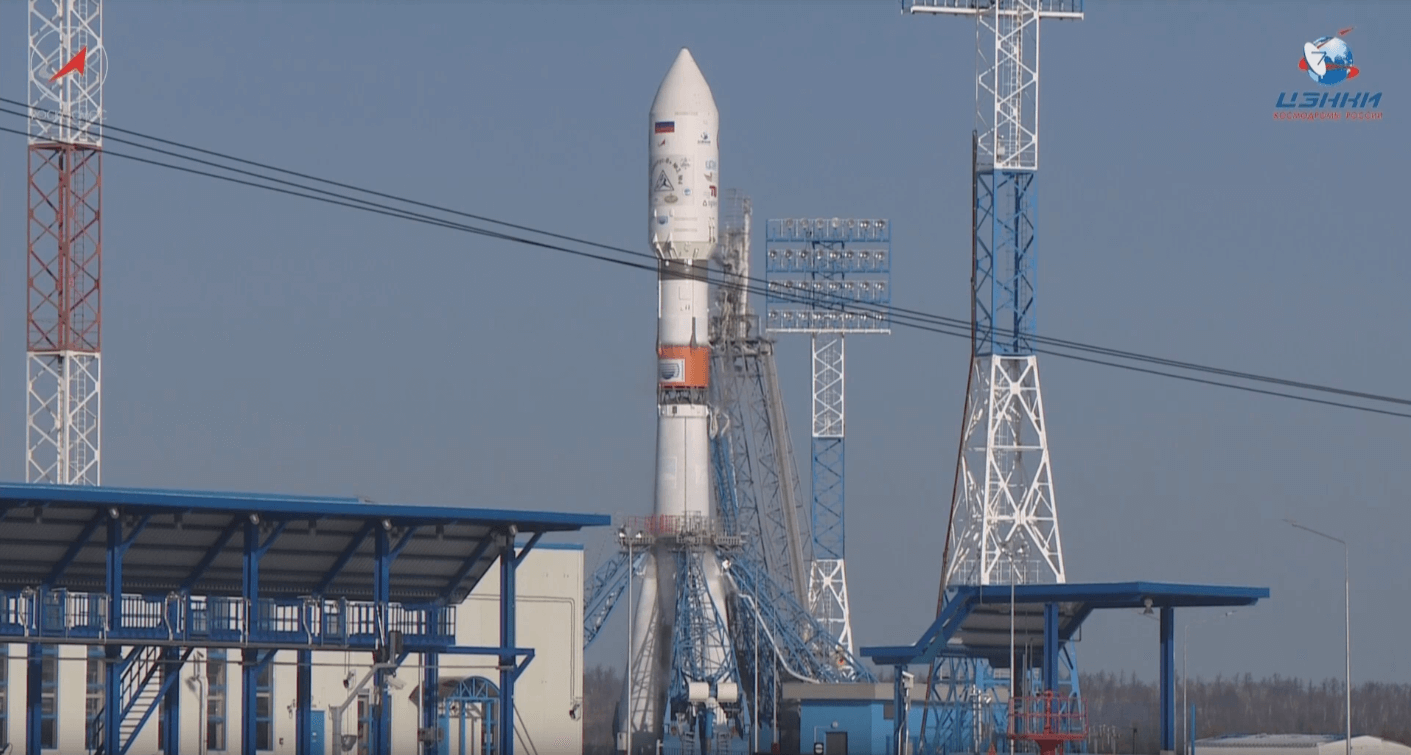
Today's highlights include ABL Space shifting its focus to missile defense, Intuitive Machines advocating for Artemis infrastructure reforms, and more updates from space and defense sectors.
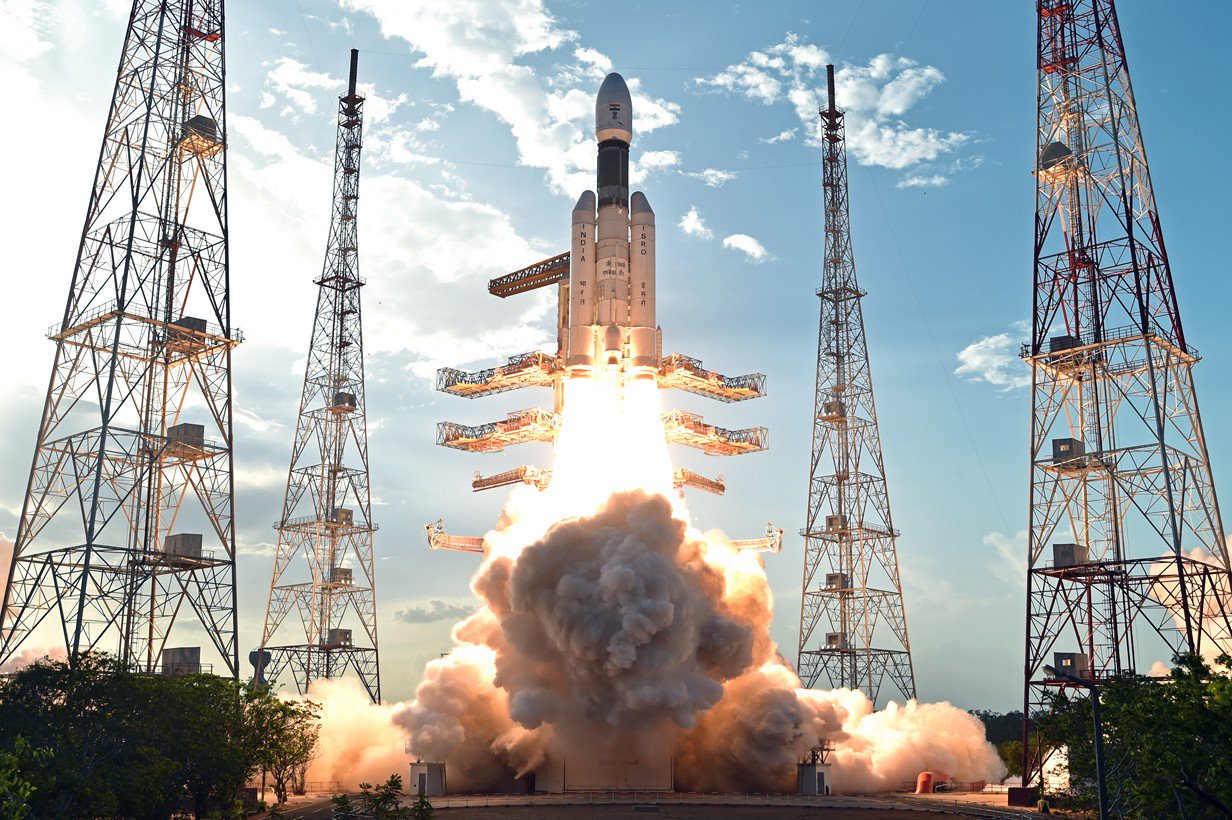
Today's brief covers significant growth forecasts for global defense satellite communications, the integration of hypersonic missiles, cyber authority expansion in the Army, and more pivotal military developments.
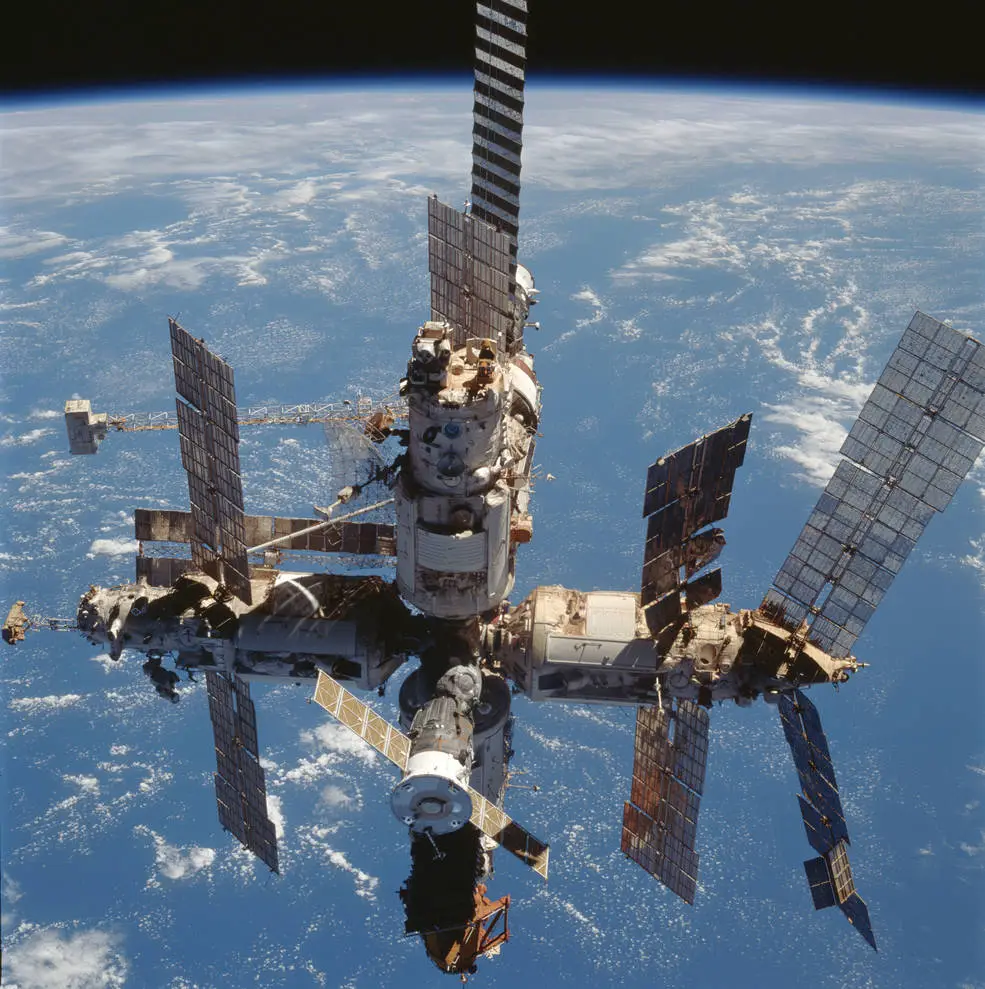
Thirty-nine years ago, a Proton rocket carried the core of the Mir space station into orbit, launching an unprecedented era of continuous human presence in space and international cooperation

Today's highlights include Space Force prioritizing military missions, testing new GPS satellite software, and international defense collaborations impacting space assets.
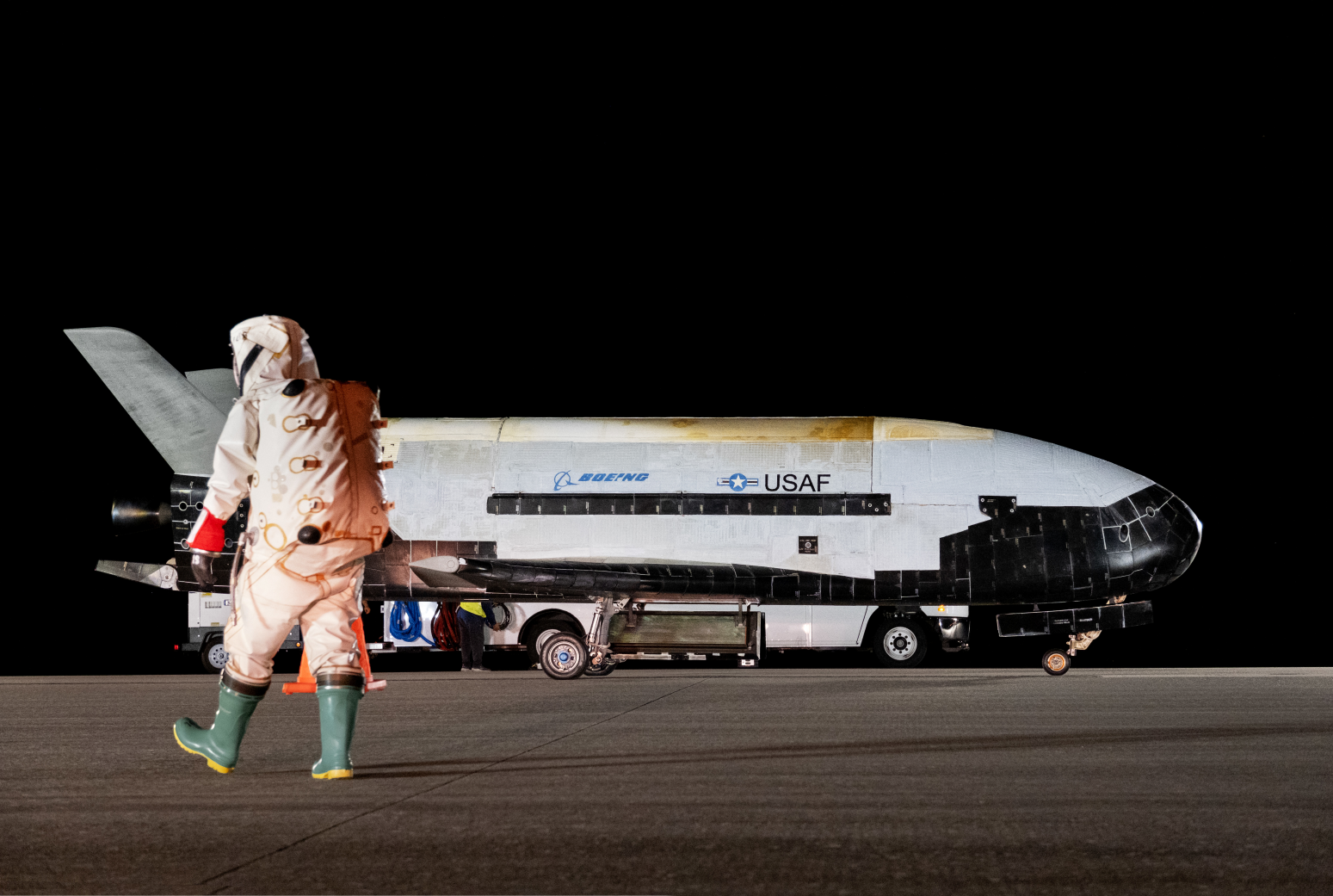
On April 22, 2010, an Atlas V lifted off from Cape Canaveral carrying a reusable robotic spaceplane so secret that the Air Force would not even confirm its mission duration. It came back 224 days later, lighter, quieter, and more operational than anyone outside Washington had expected. Fifteen years later, the X-37B is still flying, and the military still will not say what it does.

Today's brief highlights the maiden flight of Blue Origin's Blue Ring spacecraft with a new AI-driven space sensor, debates on asteroid defense responsibilities, and updates on the U.S. Space Force's missile shield leadership.