


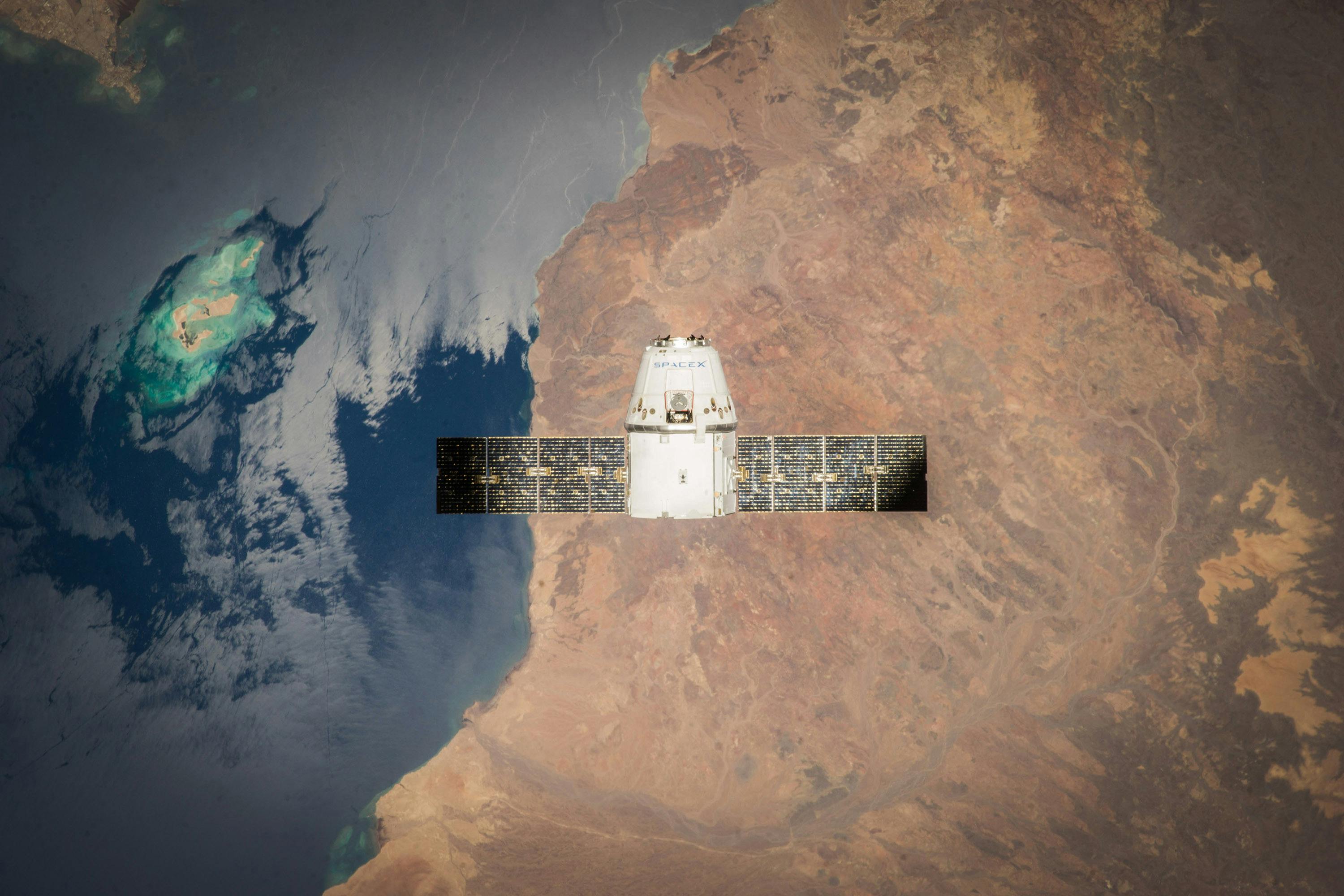
X Report 1 Dec 2025
SpaceX celebrates significant milestones with the launch of Falcon 9 and developments in the Starship program, while Elon Musk addresses media narratives surrounding Starlink's humanitarian efforts.



Launch Date
April 29, 2021
Launch Site
Launch Pad
LC40
Launch Vehicle
NORAD ID
48277
International Designator
2021-036B
Epoch
Fri, 03 Jul 2026 17:39:38 GMT
Apogee
Calculating...
Perigee
Calculating...
Inclination
53.12°
Right Ascension
192.90°
Eccentricity
Calculating...
Argument of Perigee
5.32°
Period
93.91 min
Mean Motion
15.33 rev/day
Latitude
Calculating...
Longitude
Calculating...
Altitude
Calculating...
Velocity
Calculating...
Name
STARLINK-2569
Alternative Name
Starlink 2569
Type
Status
Owner
SPXS
Country
United States
Constellation
N/A
Related Satellites
Major Events
N/A
1 48277U 21036B 26184.73586771 .00030145 00000-0 92955-3 0 9991
2 48277 53.1231 192.9012 0001854 5.3231 354.7790 15.33364812287054
Source: Celestrak
Length
0.2
Diameter
2.8
Span
9
Dry Mass
248
Launch Mass
260
Shape
Box + pan
Radar Cross Section
Unknown
Visual Magnitude
Unknown
Color
Unknown
Material Composition
Unknown
Payload
Starlink V1.0-L24-03
Purpose
Communication
Mission
Communication
Manufacturer
SPXS
Life Expectancy
Unknown
Bus
Starlink
Configuration
Unknown
Motor
Krypton ion thrusters
Equipment
Ku/Ka-band payload (all), optical inter-satellite links (a few prototypes)
Power System
Solar arrays, batteries
ADCS
Unknown
Transmitter Frequency
Unknown
Learn more about satellites and other related topics.
SpaceX celebrates significant milestones with the launch of Falcon 9 and developments in the Starship program, while Elon Musk addresses media narratives surrounding Starlink's humanitarian efforts.

SpaceX continues to push forward with its ambitious plans as the FAA investigates Starship debris reports, while Starlink maintains robust satellite operations.
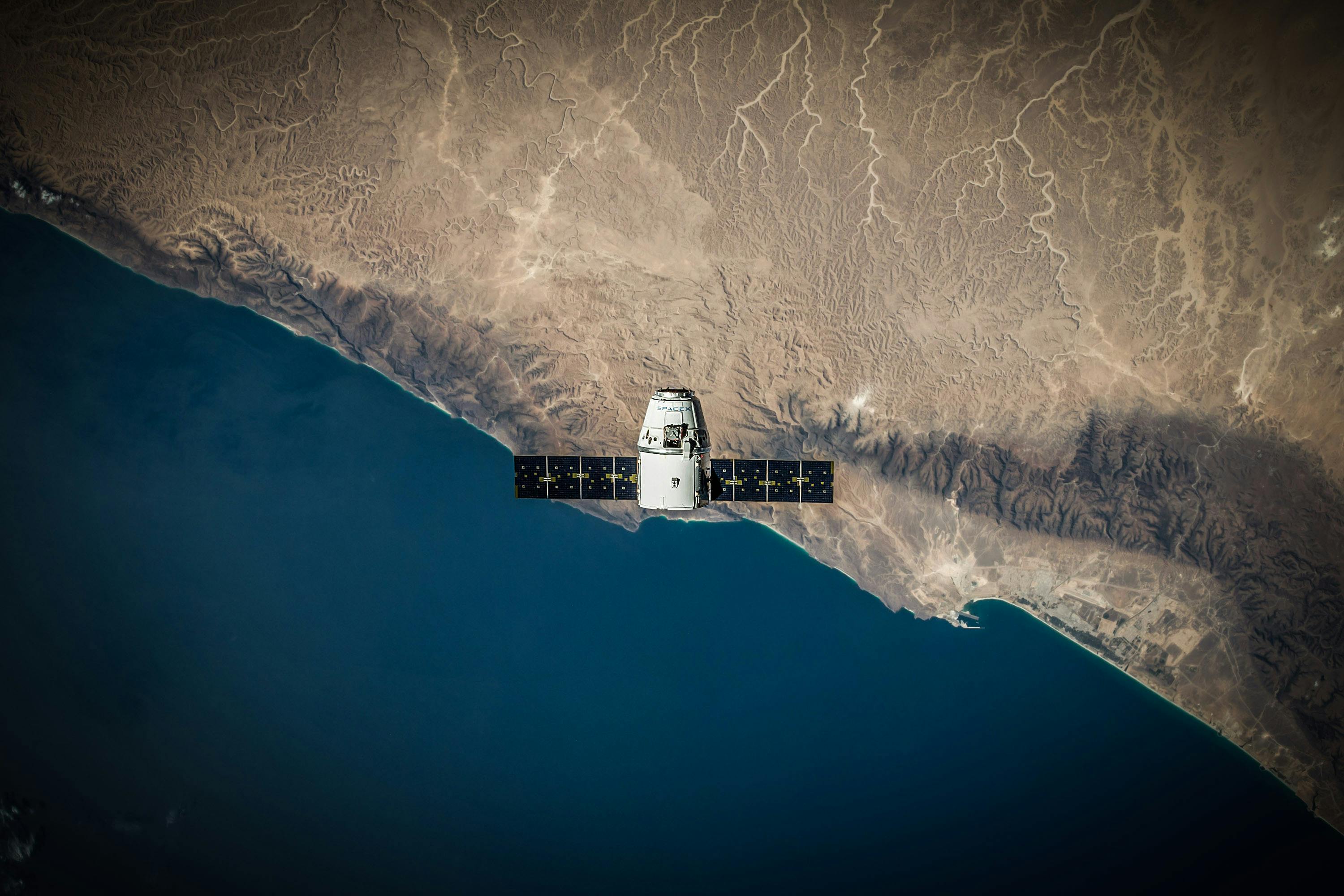
Highlights include China's rising threats in space, a new Starlink launch, NASA's optimistic future, and a cosmic conjunction featuring the Moon and Saturn.

Pentagon puts LEO constellation layers on hold during acquisition review. SpaceX and xAI join $100M autonomous drone contest. China's Zenk Space completes first stage static fire.
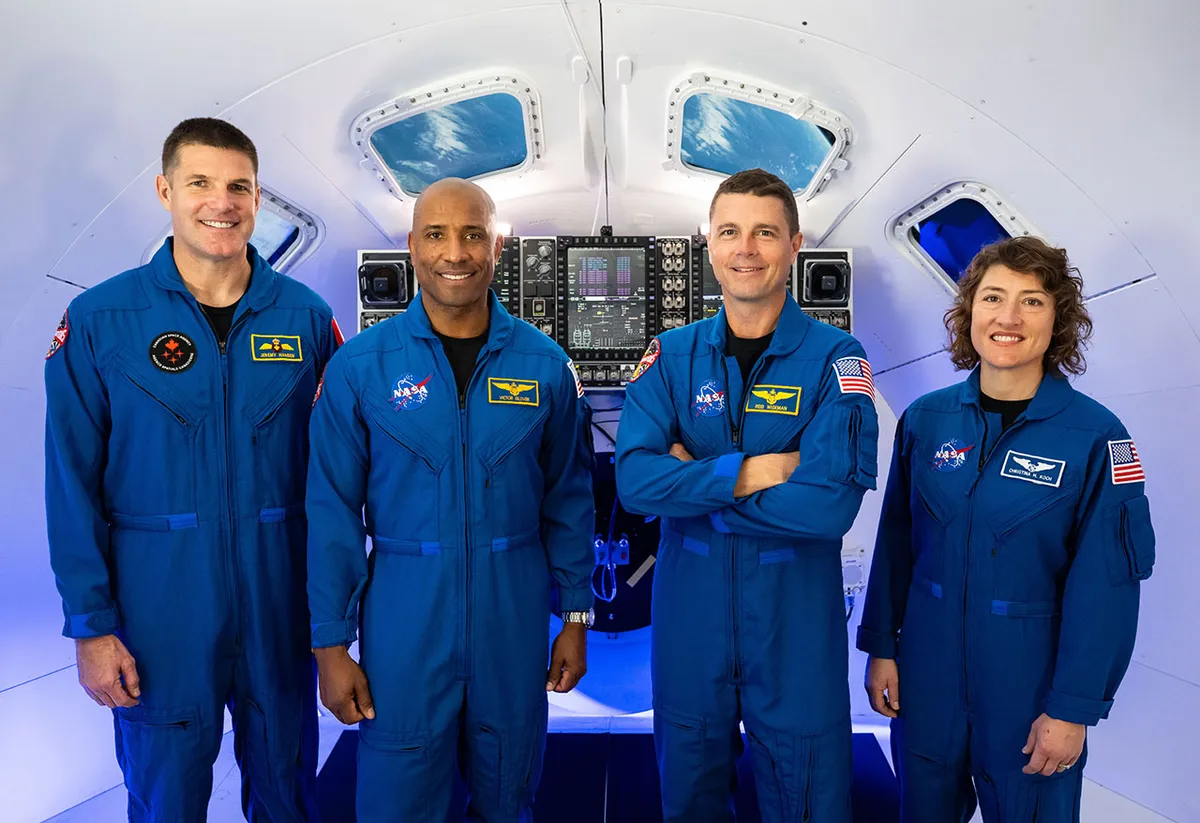
Four astronauts, a patched-together heat shield, and a $50 billion question: whether NASA can still send humans beyond low Earth orbit. Tomorrow, we find out.
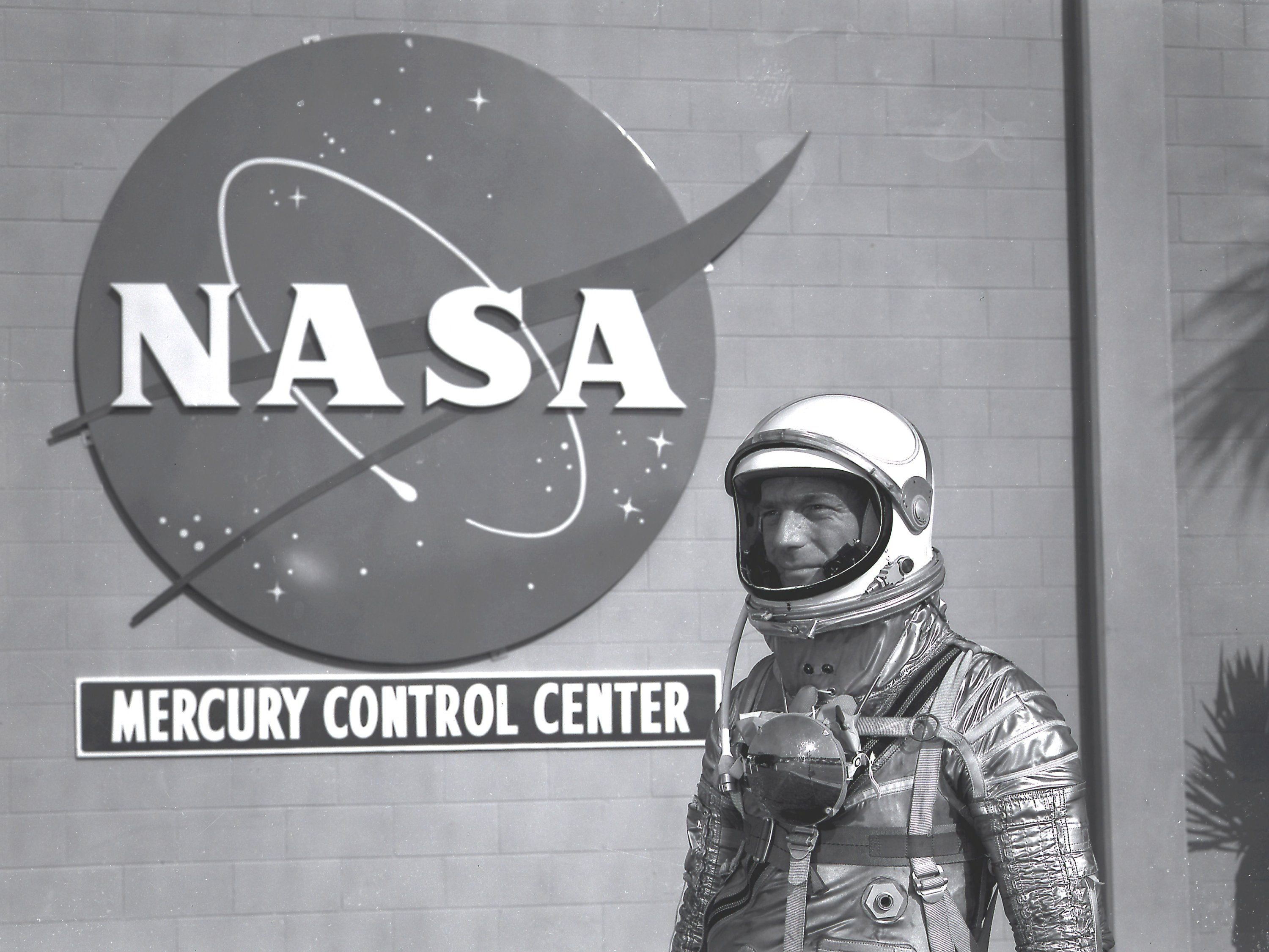
Exactly 64 years ago today, Scott Carpenter became the fourth American to orbit the Earth aboard Aurora 7. His five-hour flight produced new science, a tense reentry, and 39 minutes of silence in which the country wondered if it had just lost its astronaut.

Today's Space Brief highlights advances in satellite communication for defense, regulatory changes for Starlink in South Africa, SpaceX's ongoing Starlink launches, and a significant contract for a Chinese satellite constellation.
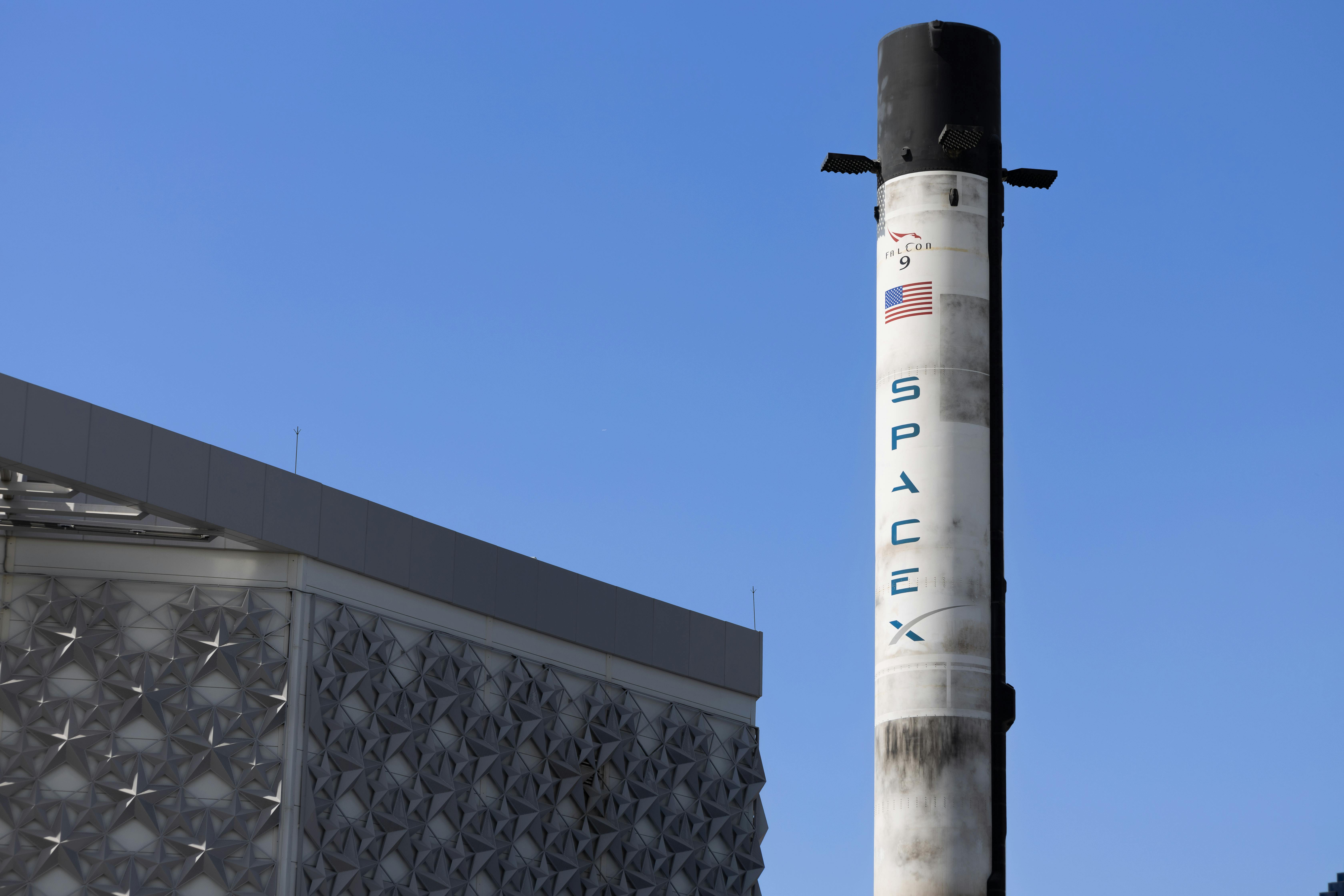
SpaceX celebrates 600th Falcon 9 launch from Vandenberg. Predawn President's Day Starlink mission marks 10th Cape Canaveral launch of 2026. ISS crew boosted back to seven.