


Astroscale Taps Isar for ELSA-M Debris Mission | KeepTrack Space Brief
Astroscale selects Isar Aerospace to launch ELSA-M, a commercial deorbit mission targeting defunct satellites in LEO. Over 20,000 trackable debris objects now in orbit.


Launch Date
April 27, 2021
Launch Site
TAISC
Launch Pad
LC16
Launch Vehicle
Chang Zheng 6
NORAD ID
48254
International Designator
2021-033G
Decay Date
12/7/2023
Name
OBJECT G
Alternative Name
Qilu-4
Type
Status
Owner
SDIIT/SHANDZ
Country
China
Constellation
N/A
Related Satellites
Major Events
N/A
Apologies, there is no summary for this satellite yet. I am working to generate these for every object in the catalog, but it is going to take time.
Length
2
Diameter
1.5
Span
2
Dry Mass
100
Launch Mass
100
Shape
Box
Radar Cross Section
Unknown
Visual Magnitude
Unknown
Color
Unknown
Material Composition
Unknown
Payload
Qilu-4
Purpose
Unknown
Mission
Unknown
Manufacturer
SDIIT
Life Expectancy
Unknown
Bus
Qilu
Configuration
Unknown
Motor
Unknown
Equipment
Unknown
Power System
Unknown
ADCS
Unknown
Transmitter Frequency
Unknown
Learn more about satellites and other related topics.
Astroscale selects Isar Aerospace to launch ELSA-M, a commercial deorbit mission targeting defunct satellites in LEO. Over 20,000 trackable debris objects now in orbit.
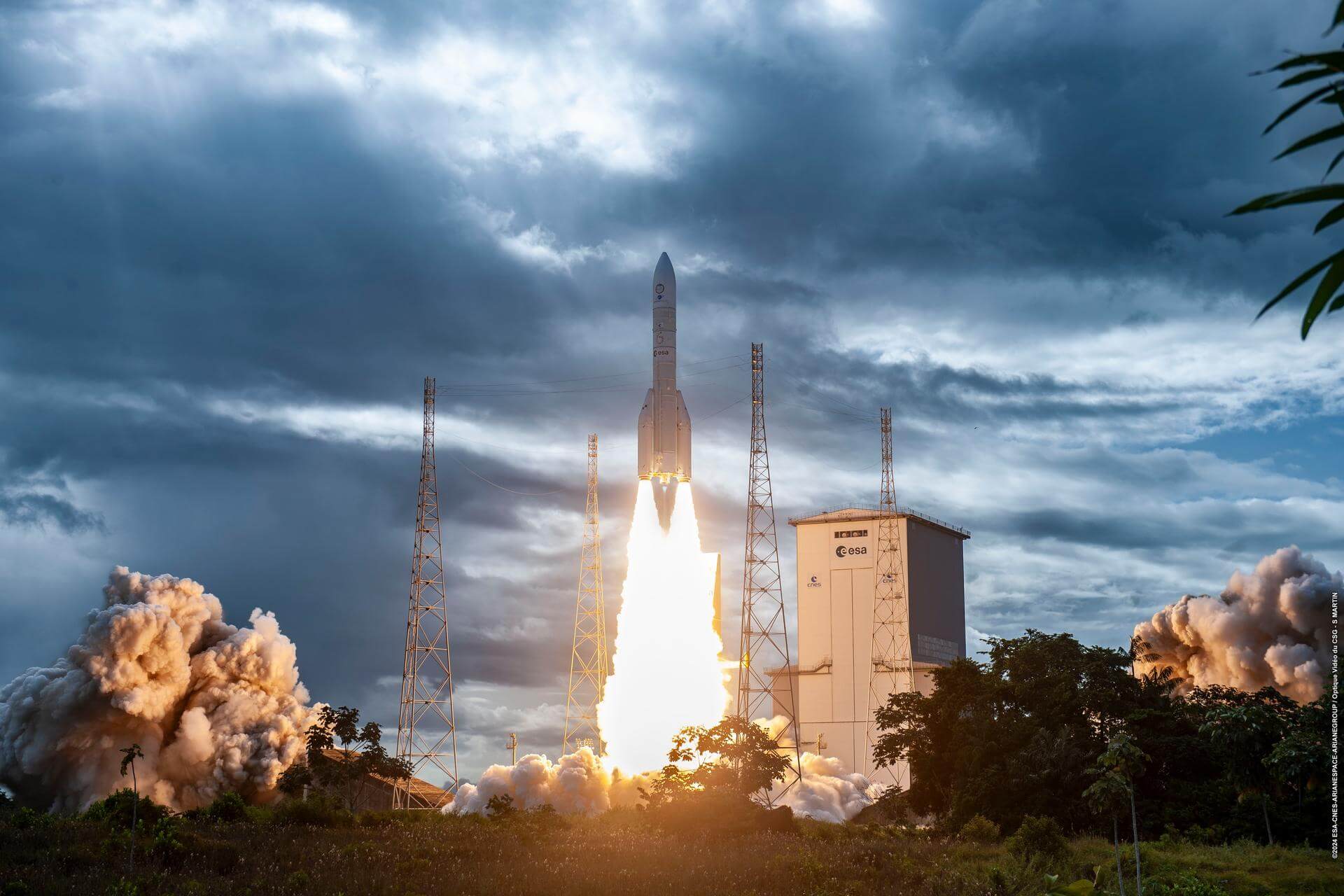
Today's space highlights include the US Space Force's advanced tracking contract, a milestone in SpaceX's Starlink program, and a new initiative to remove space debris.

ESA's Cluster mission coming to an end, Europe's contributions to Artemis III, JUICE's groundbreaking maneuvers, Yaogan EO satellites, and amateur astronomers discovering exoplanets.

SpaceX gears up for a busy week with new Starship testing and enhanced Starlink capabilities on the horizon.
Key updates on strategic military shifts, technological advancements, and a critical replacement mission for Chinese astronauts highlight today's space news.

Thirty years ago, a Chinese rocket veered off course two seconds after liftoff, destroyed a village, and triggered a political scandal that reshaped how the United States controls space technology to this day
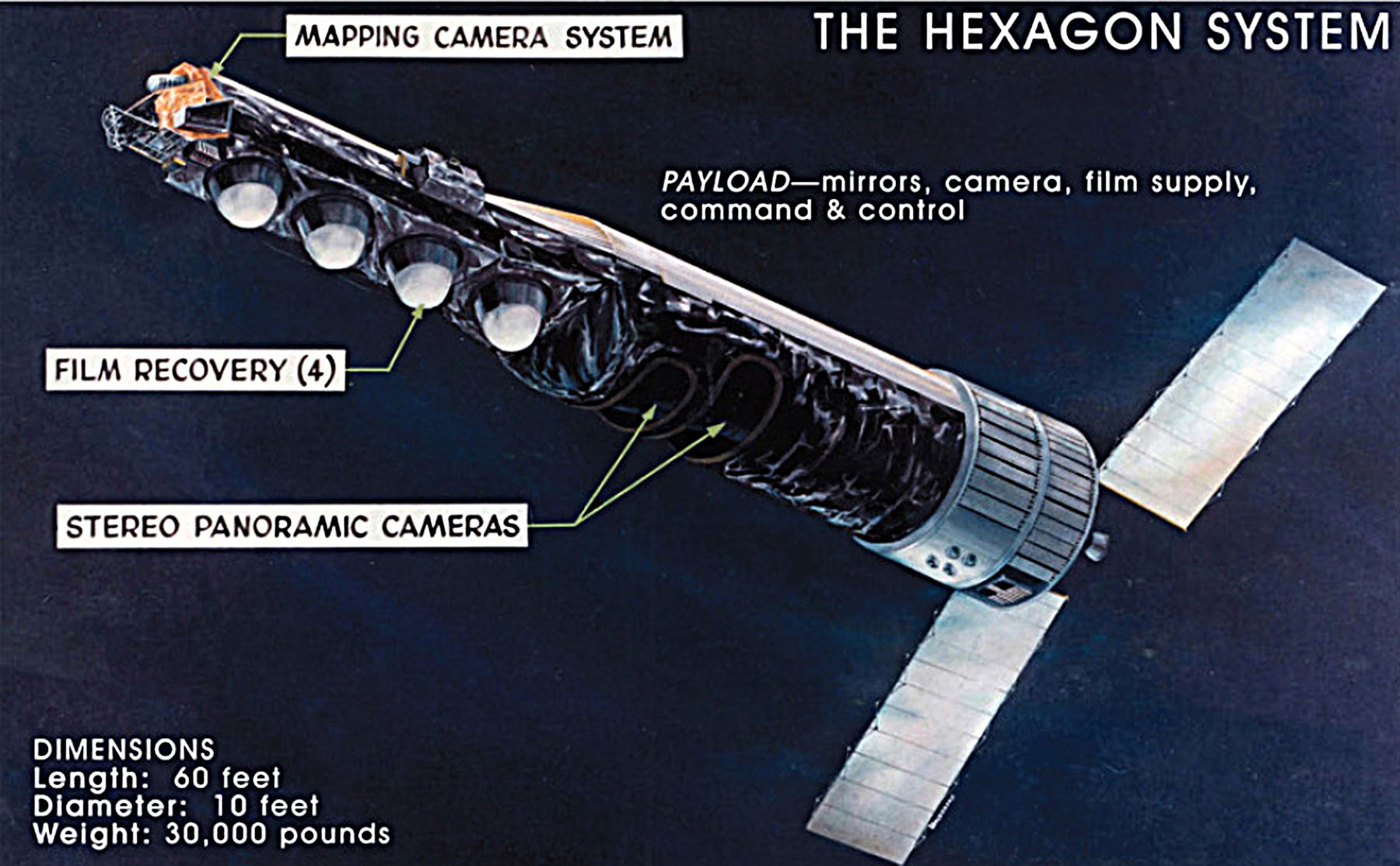
On January 20, 1972, the second KH-9 HEXAGON lifted off from Vandenberg - carrying the most sophisticated reconnaissance system ever built by engineers who weren't allowed to say 'film,' 'camera,' or even talk to each other about what they were doing.
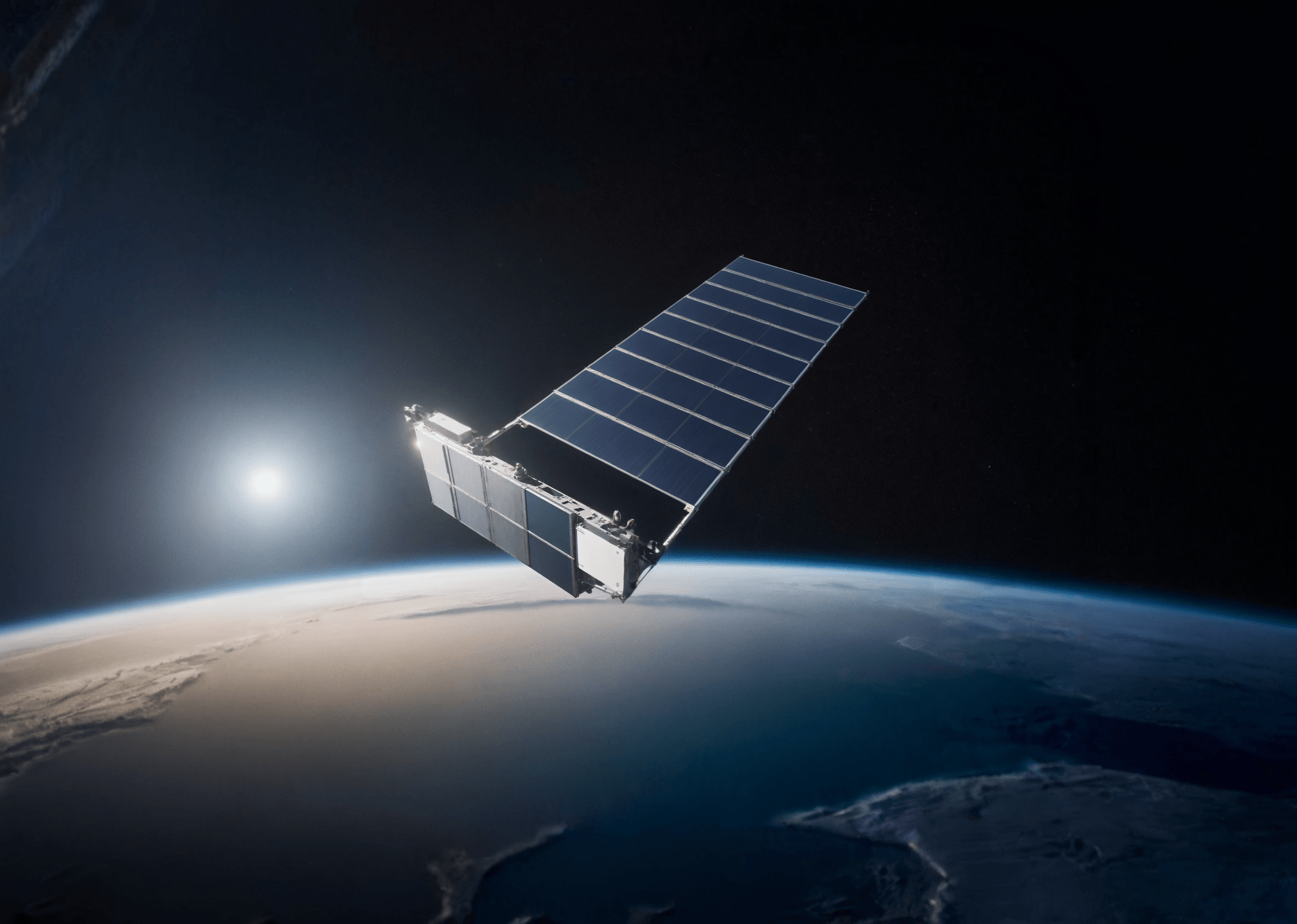
As of March 2024, SpaceX's Starlink has made remarkable strides in its quest to provide global broadband internet access. With an astounding number of satellites already in orbit and ambitious plans for expansion, Starlink is on track to dominate Earth's orbit in the coming years.