


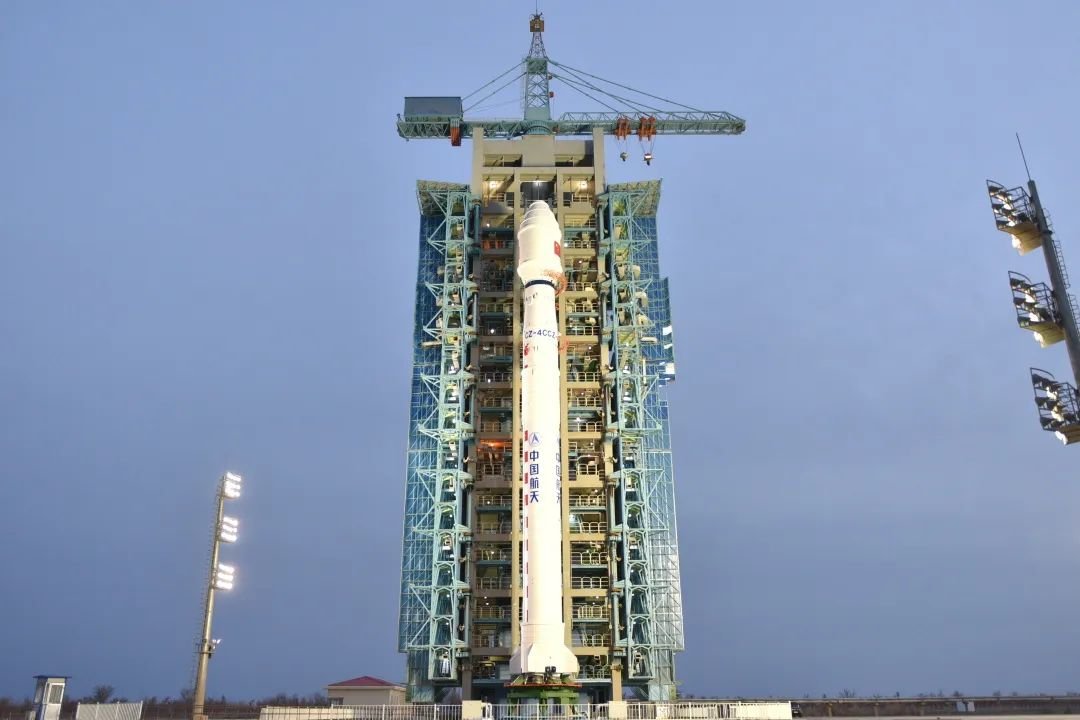
Space Brief 13 Aug 2025
Today's Space Brief covers the inaugural national security mission of ULA's Vulcan Centaur, the Space Force's 2026 budget insights, and shifts in military drone technology.



Launch Date
April 7, 2021
Launch Site
Launch Pad
LC40
Launch Vehicle
NORAD ID
48101
International Designator
2021-027K
Epoch
Fri, 03 Jul 2026 16:21:25 GMT
Apogee
Calculating...
Perigee
Calculating...
Inclination
53.16°
Right Ascension
335.39°
Eccentricity
Calculating...
Argument of Perigee
74.87°
Period
94.01 min
Mean Motion
15.32 rev/day
Latitude
Calculating...
Longitude
Calculating...
Altitude
Calculating...
Velocity
Calculating...
Name
STARLINK-2436
Alternative Name
Starlink 2436
Type
Status
Owner
SPXS
Country
United States
Constellation
N/A
Related Satellites
Major Events
N/A
1 48101U 21027K 26184.68154920 -.00000879 00000-0 -16563-4 0 9993
2 48101 53.1620 335.3928 0001069 74.8736 285.2384 15.31697174290431
Source: Celestrak
Length
0.2
Diameter
2.8
Span
9
Dry Mass
248
Launch Mass
260
Shape
Box + pan
Radar Cross Section
Unknown
Visual Magnitude
Unknown
Color
Unknown
Material Composition
Unknown
Payload
Starlink V1.0-L23-10
Purpose
Communication
Mission
Communication
Manufacturer
SPXS
Life Expectancy
Unknown
Bus
Starlink
Configuration
Unknown
Motor
Krypton ion thrusters
Equipment
Ku/Ka-band payload (all), optical inter-satellite links (a few prototypes)
Power System
Solar arrays, batteries
ADCS
Unknown
Transmitter Frequency
Unknown
Learn more about satellites and other related topics.
Today's Space Brief covers the inaugural national security mission of ULA's Vulcan Centaur, the Space Force's 2026 budget insights, and shifts in military drone technology.
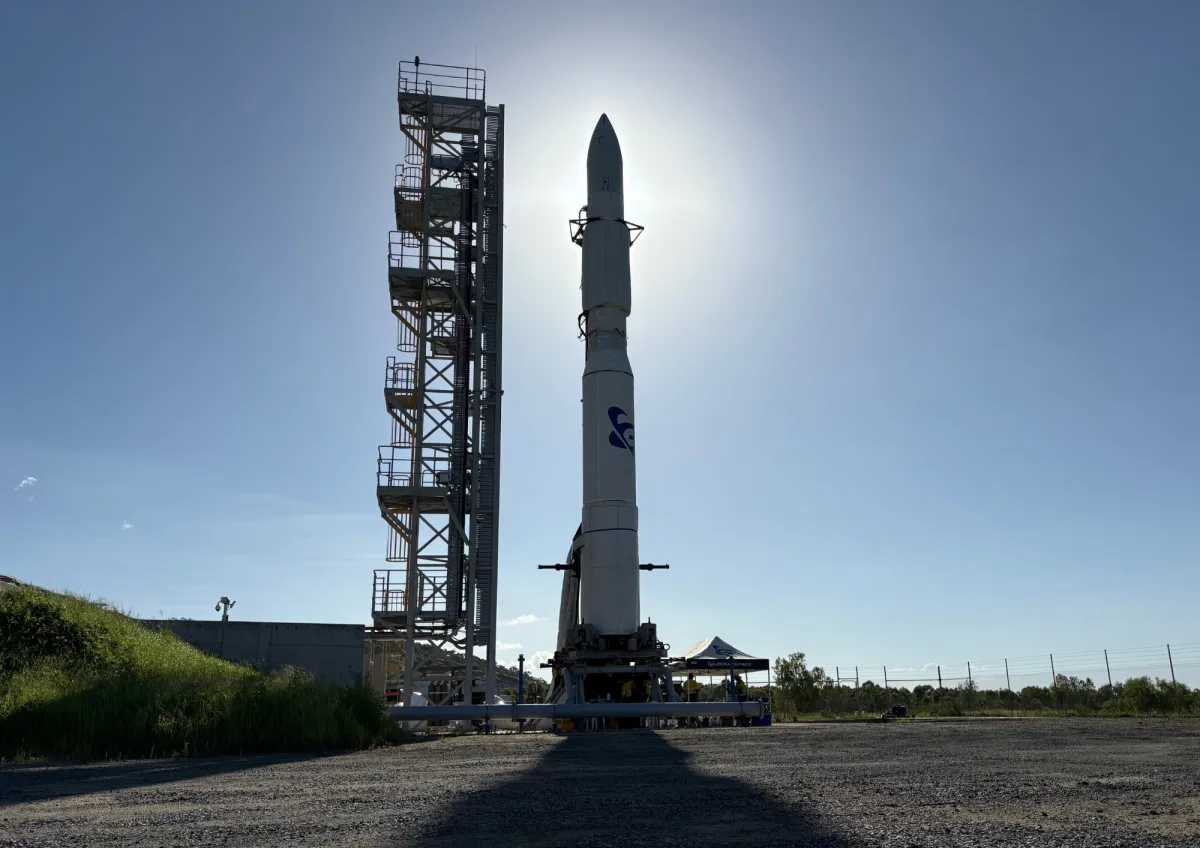
Dive into the latest developments including U.S. national security launch contracts, penalties for drone violations at military bases, and emerging European launch providers.

Today's briefing covers the latest satellite communications advancements, a secretive military launch by SpaceX, and new space defense organizational structures.
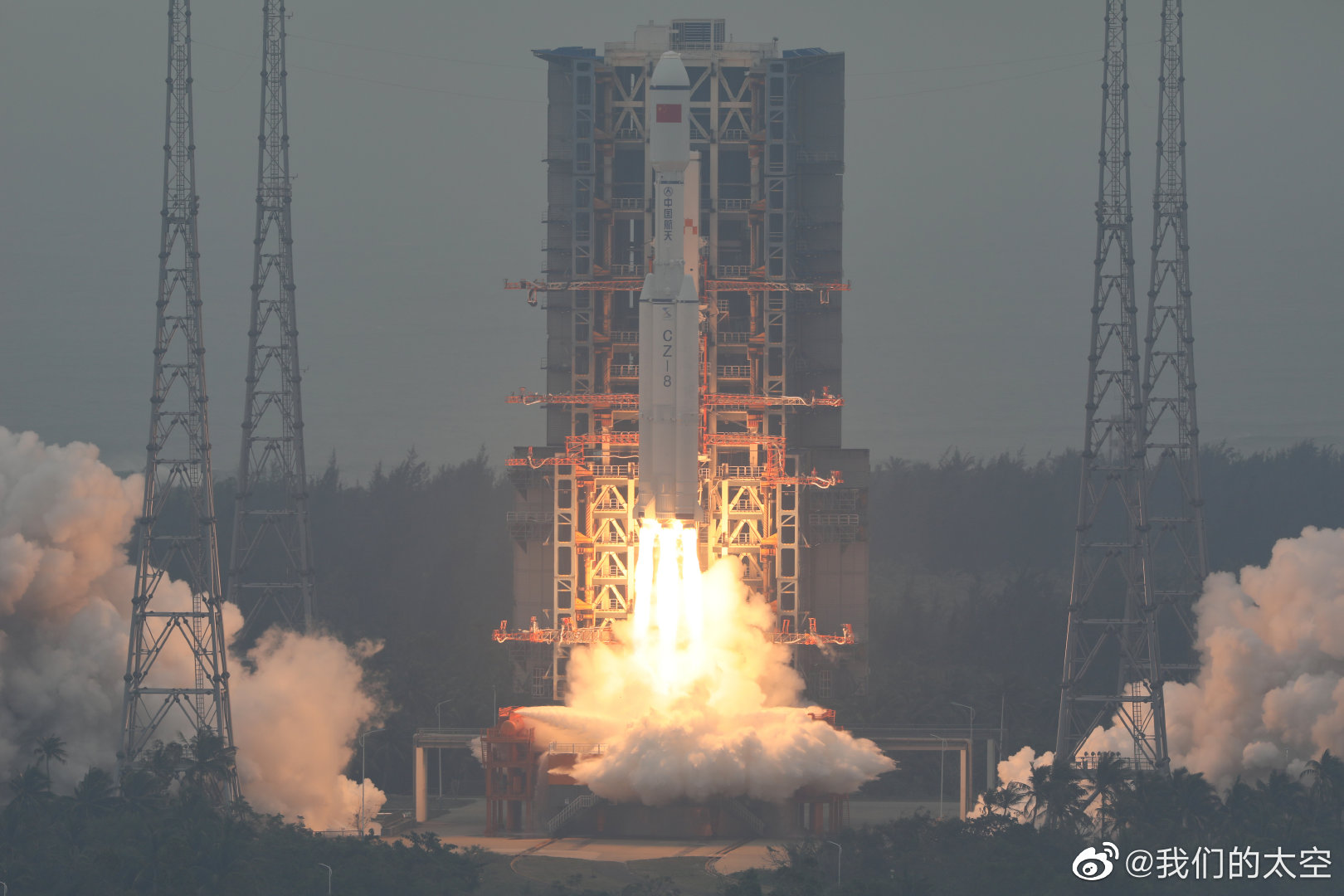
New Glenn rocket exploded hours after U.S. Space Force and NRO awarded Blue Origin a national security launch task order. Stand-down and mishap investigation expected.
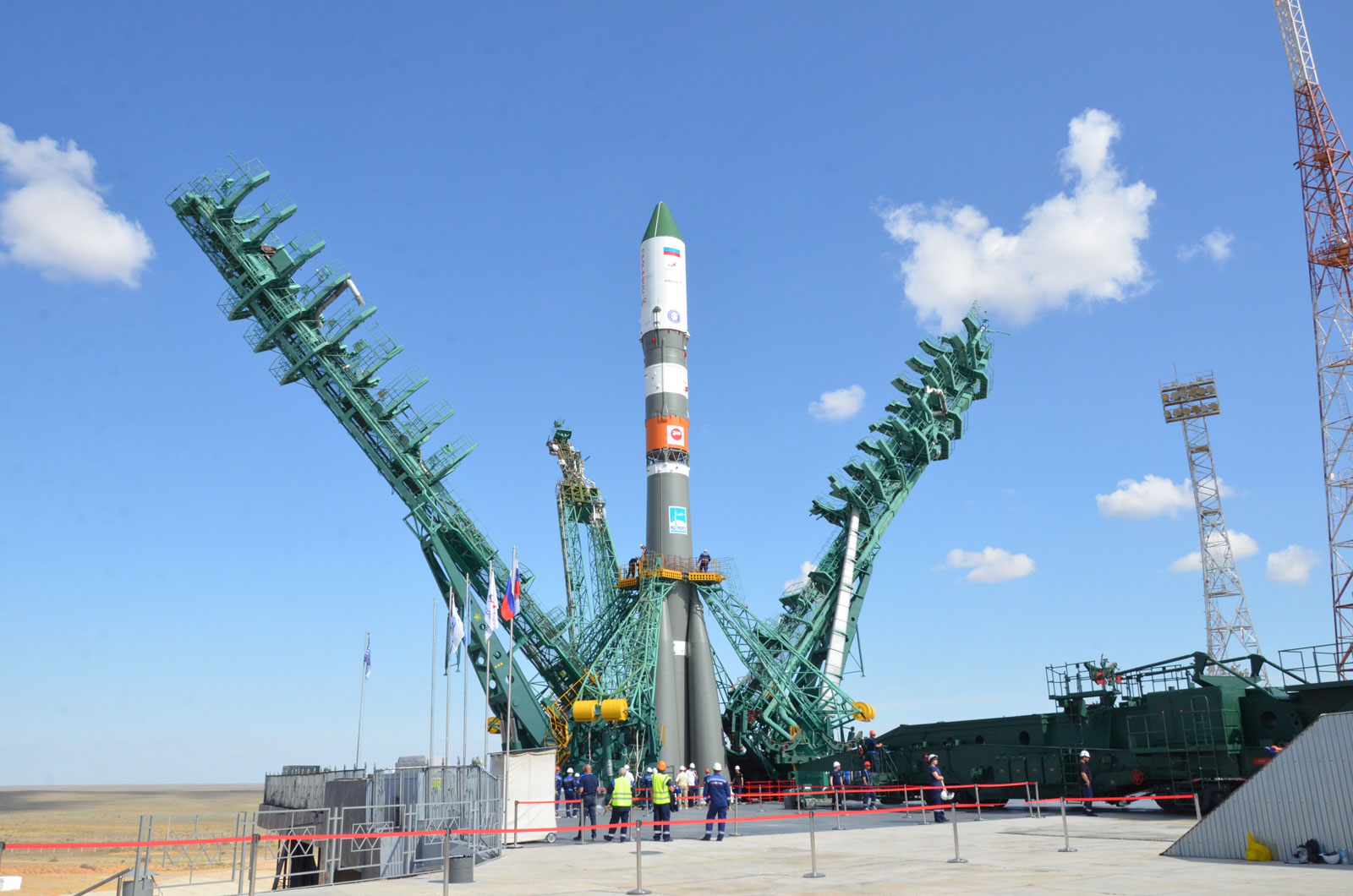
Pentagon increases Golden Dome missile defense budget by $10B to $185B, funding HBTSS hypersonic tracking constellation expansion. Three acceleration priorities announced.

SpaceX receives FAA clearance for Starship Flight 10 and celebrates its 100th Falcon 9 launch of the year, successfully deploying 24 Starlink satellites.
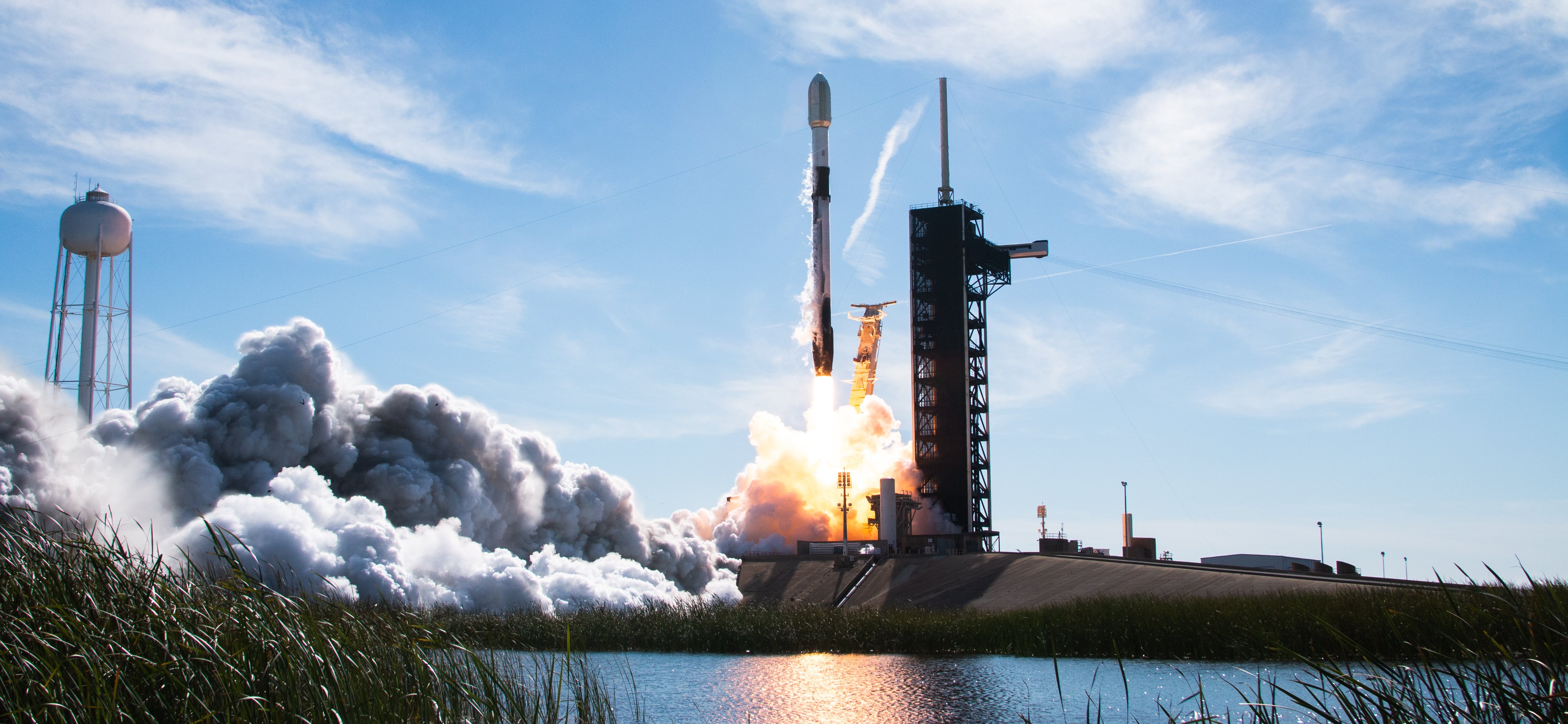
Today's highlights include China's lunar collaboration with Russia, new insights from Magellan's Venus mission, and stunning 8K images of the sun.

On April 22, 2026, the FAA published a final rule implementing per-launch user fees for commercial space transportation — the first time the U.S. government has charged payload-based fees for rocket launches. Starting at 25 cents per pound with a $30,000 cap, the fees are modest today. By 2033, they won't be.