


X Report 29 Sep 2025
In today's update, SpaceX successfully launched 28 Starlink satellites from Vandenberg, while Italy grapples with its satellite strategy amid rising reliance on Starlink services.



Launch Date
March 24, 2021
Launch Site
Launch Pad
LC40
Launch Vehicle
NORAD ID
47996
International Designator
2021-024V
Decay Date
3/6/2025
Name
STARLINK-2260
Alternative Name
Starlink 2260
Type
Status
Owner
SPXS
Country
United States
Constellation
N/A
Related Satellites
Major Events
N/A
Length
0.2
Diameter
2.8
Span
9
Dry Mass
248
Launch Mass
260
Shape
Box + pan
Radar Cross Section
Unknown
Visual Magnitude
Unknown
Color
Unknown
Material Composition
Unknown
Payload
Starlink V1.0-L22-20
Purpose
Communication
Mission
Communication
Manufacturer
SPXS
Life Expectancy
Unknown
Bus
Starlink
Configuration
Unknown
Motor
Krypton ion thrusters
Equipment
Ku/Ka-band payload (all), optical inter-satellite links (a few prototypes)
Power System
Solar arrays, batteries
ADCS
Unknown
Transmitter Frequency
Unknown
Learn more about satellites and other related topics.
In today's update, SpaceX successfully launched 28 Starlink satellites from Vandenberg, while Italy grapples with its satellite strategy amid rising reliance on Starlink services.
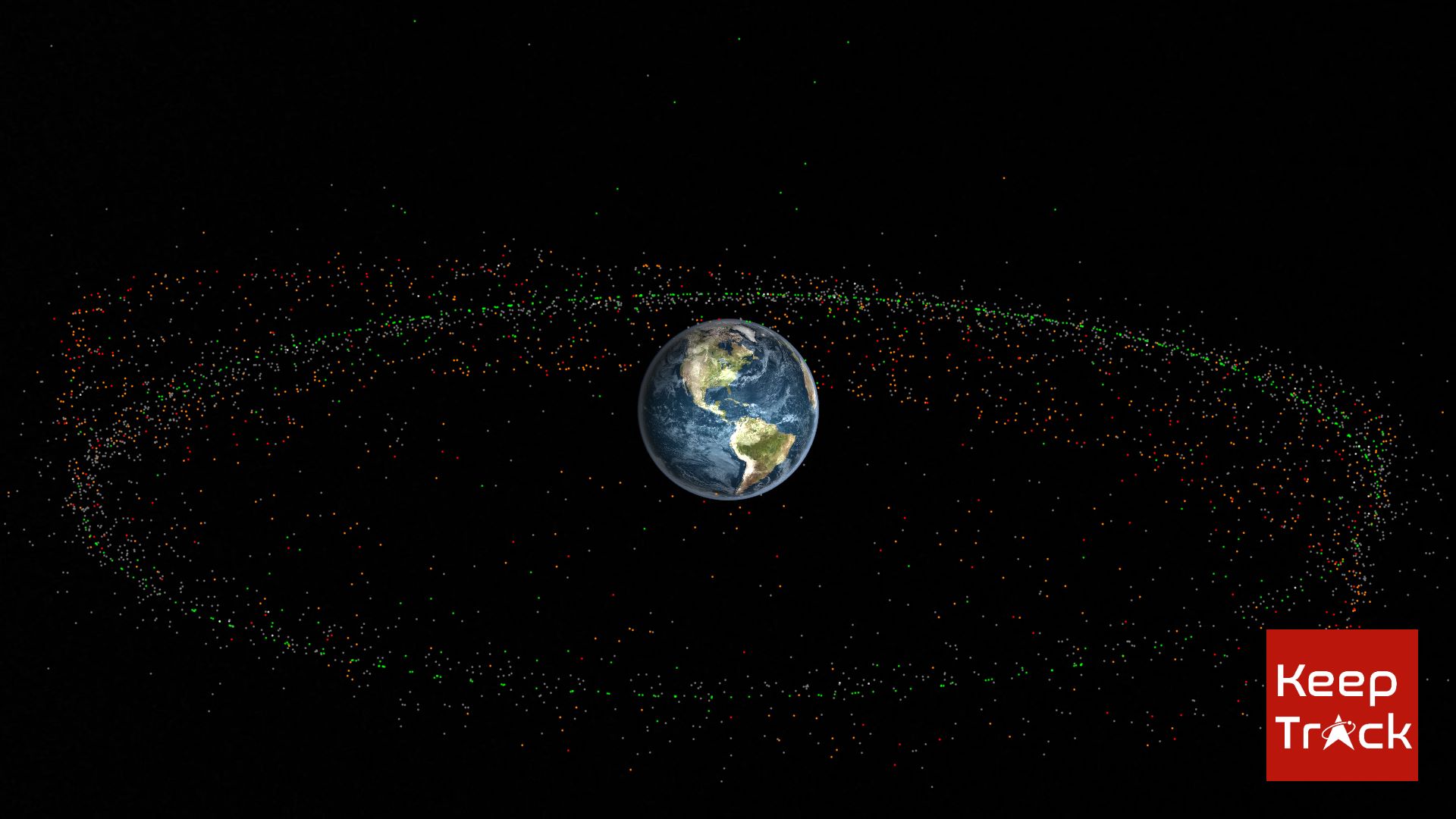
Understanding the unique orbital sweet spot that keeps satellites perfectly positioned above Earth
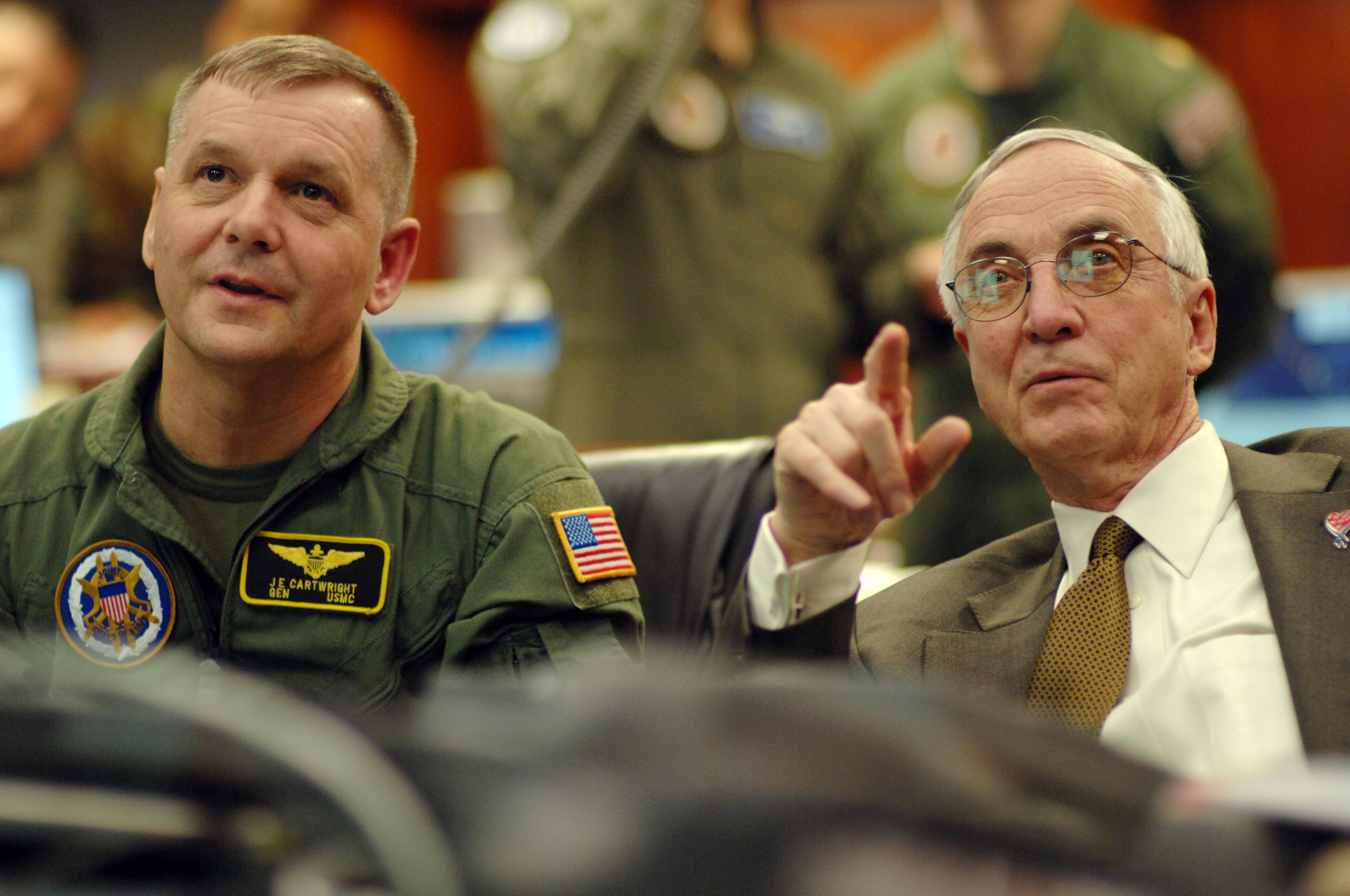
Seventeen years ago, a Navy cruiser in the Pacific fired a missile at a tumbling reconnaissance satellite that had failed within hours of reaching orbit - officially to prevent toxic fuel from reaching the ground, unofficially to prove something far more significant to China and the world

SpaceX preps for its sixth Starship test flight, moving the Super Heavy rocket to the pad. China's unveils a Starship-like reusable rocket concept, while Starlink expands with 24 new satellites launched.

SpaceX continues to ramp up its operations with the launch of 29 more Starlink satellites, while significant upgrades at its Starbase facility signify ambitious future plans.
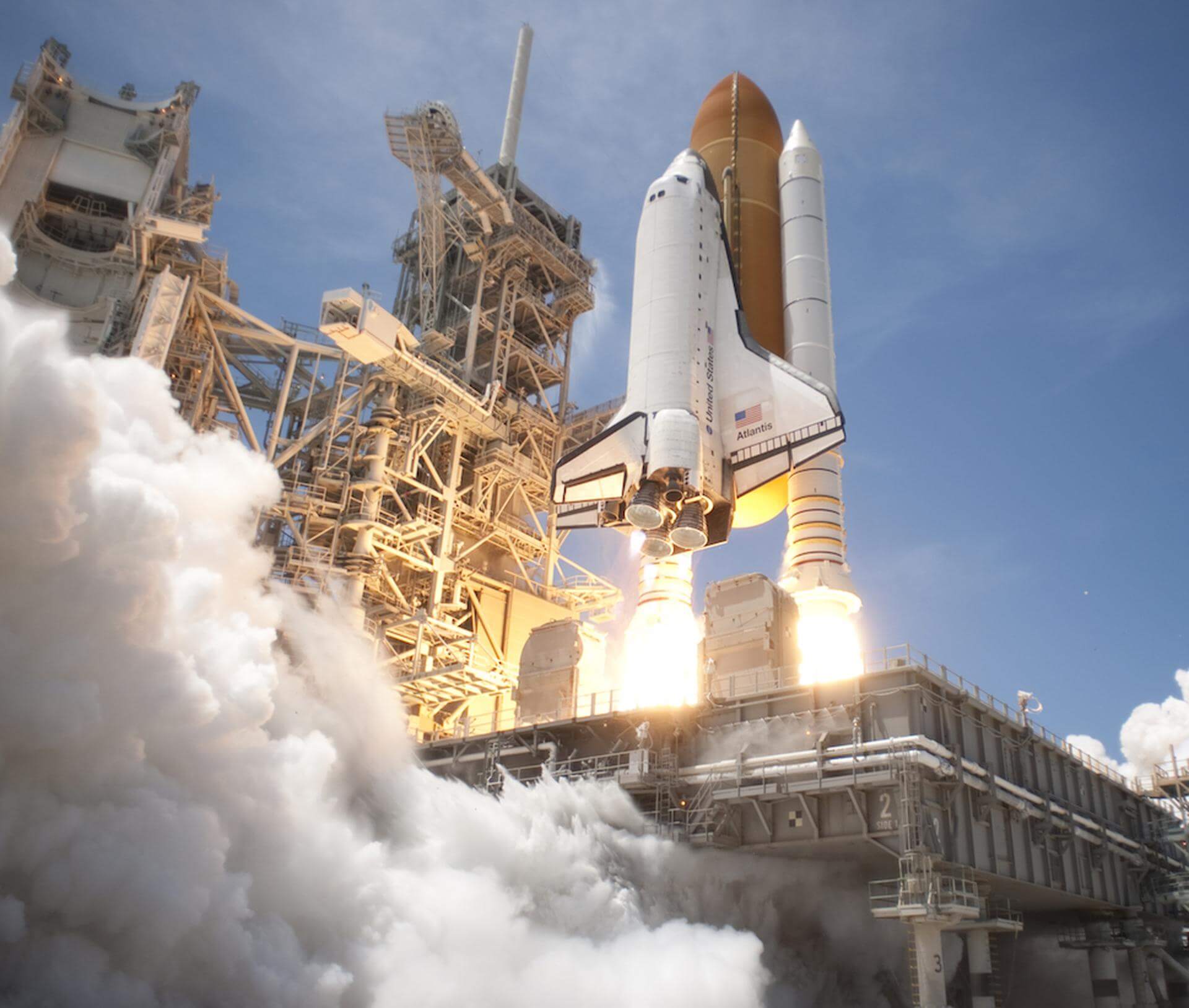
U.S. Space Force increased Andromeda contract ceiling to $6.2 billion for next-generation space situational awareness satellites replacing GSSAP and SILENTBARKER programs.

Key topics today include the US Space Force's new international strategy, China's partnership with Pakistan for astronaut training, and conservation concerns over SpaceX landing proposals.
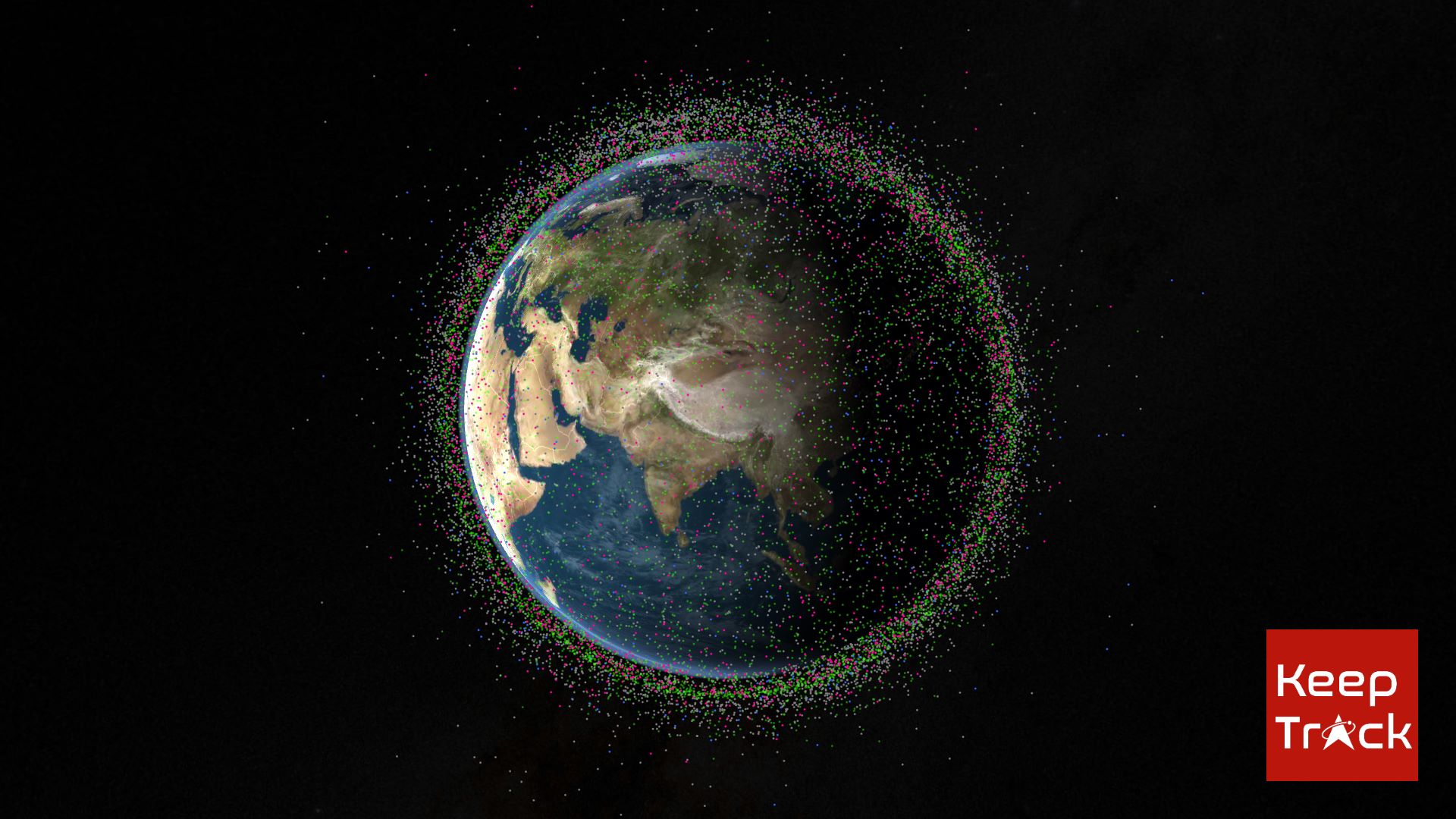
The bustling downtown of space: where most satellites operate, communication networks bloom, and the challenges of atmospheric drag and radiation shape our approach to space operations